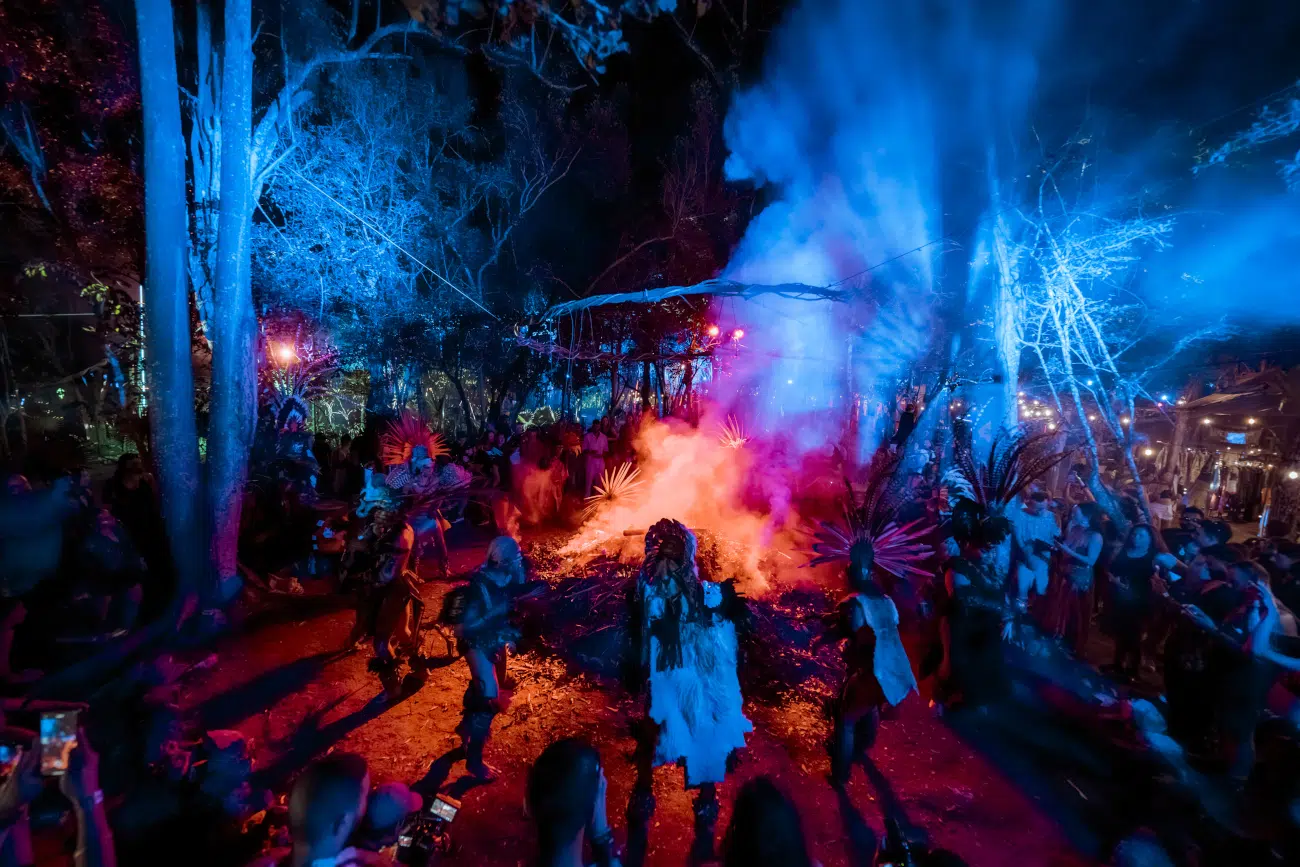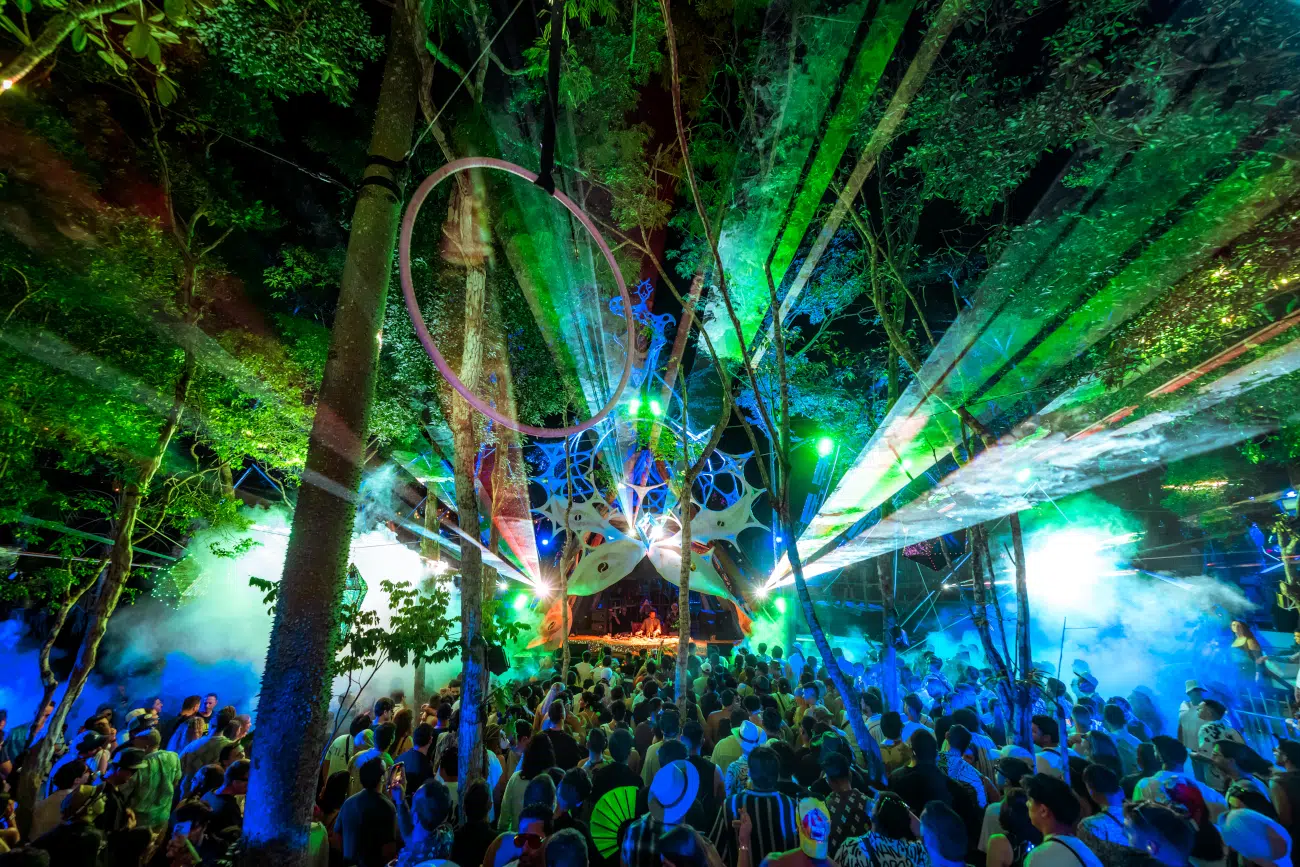
On December 21, 2012, many people around the world were on edge. A misinterpretation surrounding the Mayan calendar seemed to predict the end of the world on this day. (In the end, it was simply the beginning of a new time period.) Inspired by both the apocalyptic ruckus and the feeling of rebirth accompanying the date, DJ Damian Lazarus threw a reverie in the very Mayan jungle where the prophecy had come from. With this, Day Zero Festival was born.
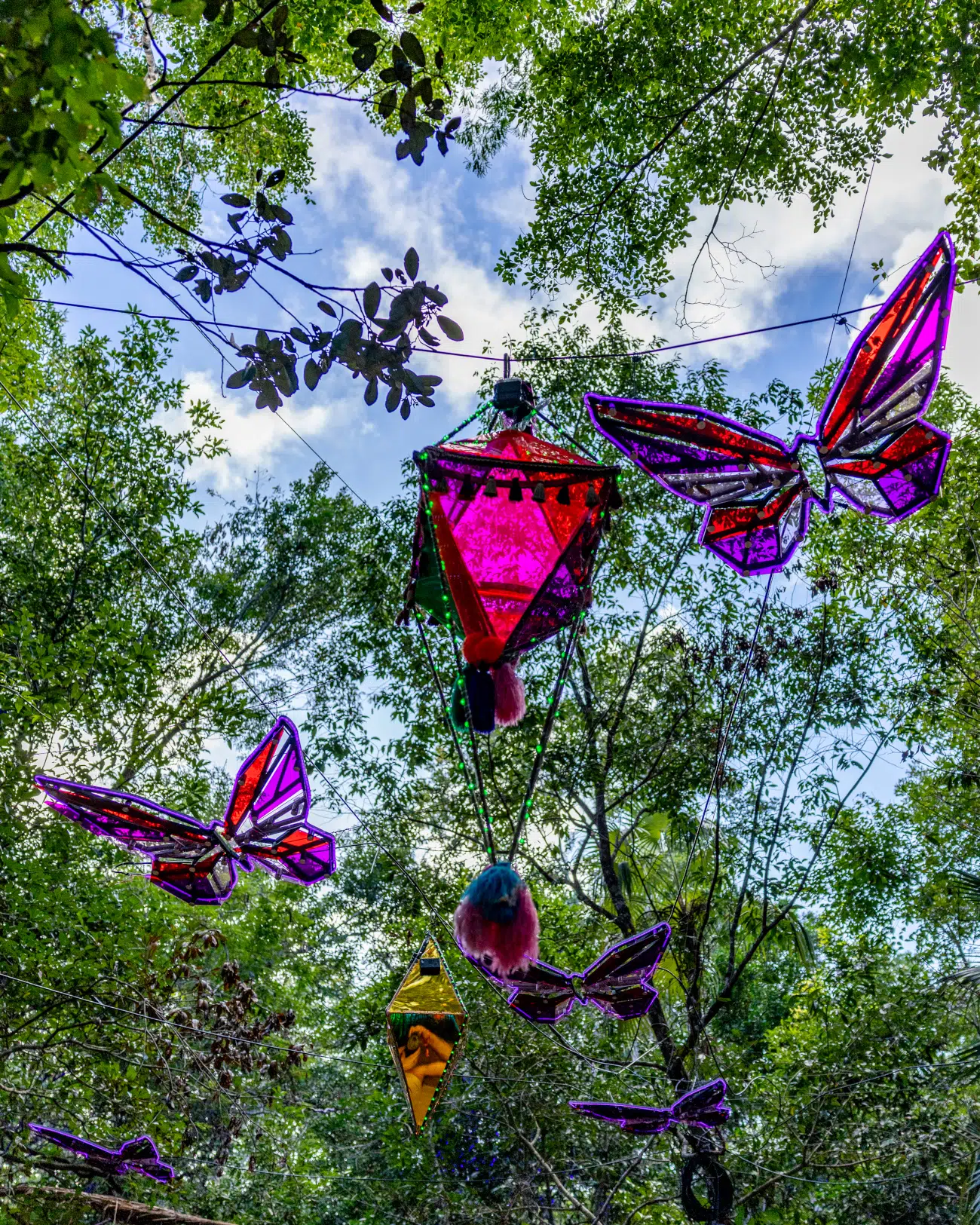
Now, nearly 14 years later, Day Zero has become one of the most exciting electronic music festivals in the world. While many of its peers rose to fame because of the acts in their lineup, this is not what carries the entire weight of the experience at Day Zero. For them, it’s all about offering world-class raving that puts sustainability, art, and cultural exchange at the forefront.
“The Day Zero experience hangs on the pillars of immersion and cultural connectivity, sharing space between the ancient world and modern mankind,” says the festival on its website. “From sunset to sunrise, each moment is woven within the fabric of the venue’s energy. This connection with surroundings and self is what has helped create the ideal environment for experiencing the world’s best electronic music.”
For starters, it has three lush locations around the world: Tulum, Mexico; Bali, Indonesia; and Milagres, Brazil. Committed to leaving the area cleaner than they found it, the festival enlists industry professionals to restore the green areas afterwards, something most music festivals around the world don’t even look into. Even so, they are aware of the challenges in rallying the party goers to follow suit and take care of the environment.
Among the initiatives to preserve the areas the festival takes place in are waste control and minimization, as well as onsite recycling and a tracking system of the full recycling process and post-production restoration. In the case of Tulum, they’ve collaborated with local conservation groups, and since 2022 they’ve teamed up with Petgas to transform plastic into fuel, which they will start to use for the festival generators.
“All of us have seen the devastating impact of human action on this planet. As an event industry we have reached the point of no return,” Day Zero adds. “We are creating an imminent effect on this planet with any event we organize. It is time to do the necessary. It is time to avoid our experience having a negative impact. We must take an active stand to inform and inspire our crowd.”
While Day Zero 2026 has come to an end, you can still be part of the experience in 2027. To stay up to date with the festival, you can follow Day Zero on Instagram.
Since its inception in 2012, Day Zero has grown into one the one of the most exciting electronic music festivals in the world.
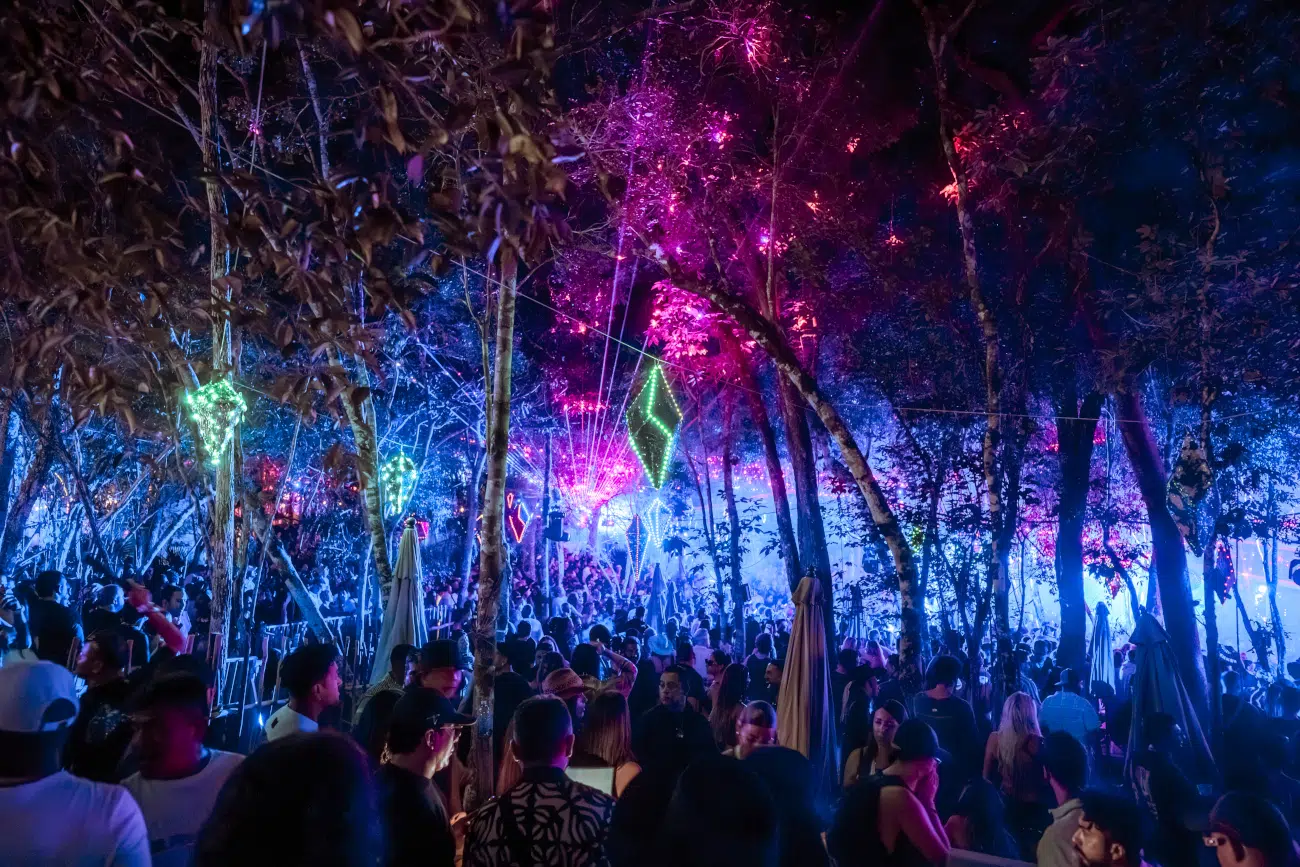
The festival offers world-class raving that puts sustainability, art, and cultural exchange at the forefront.
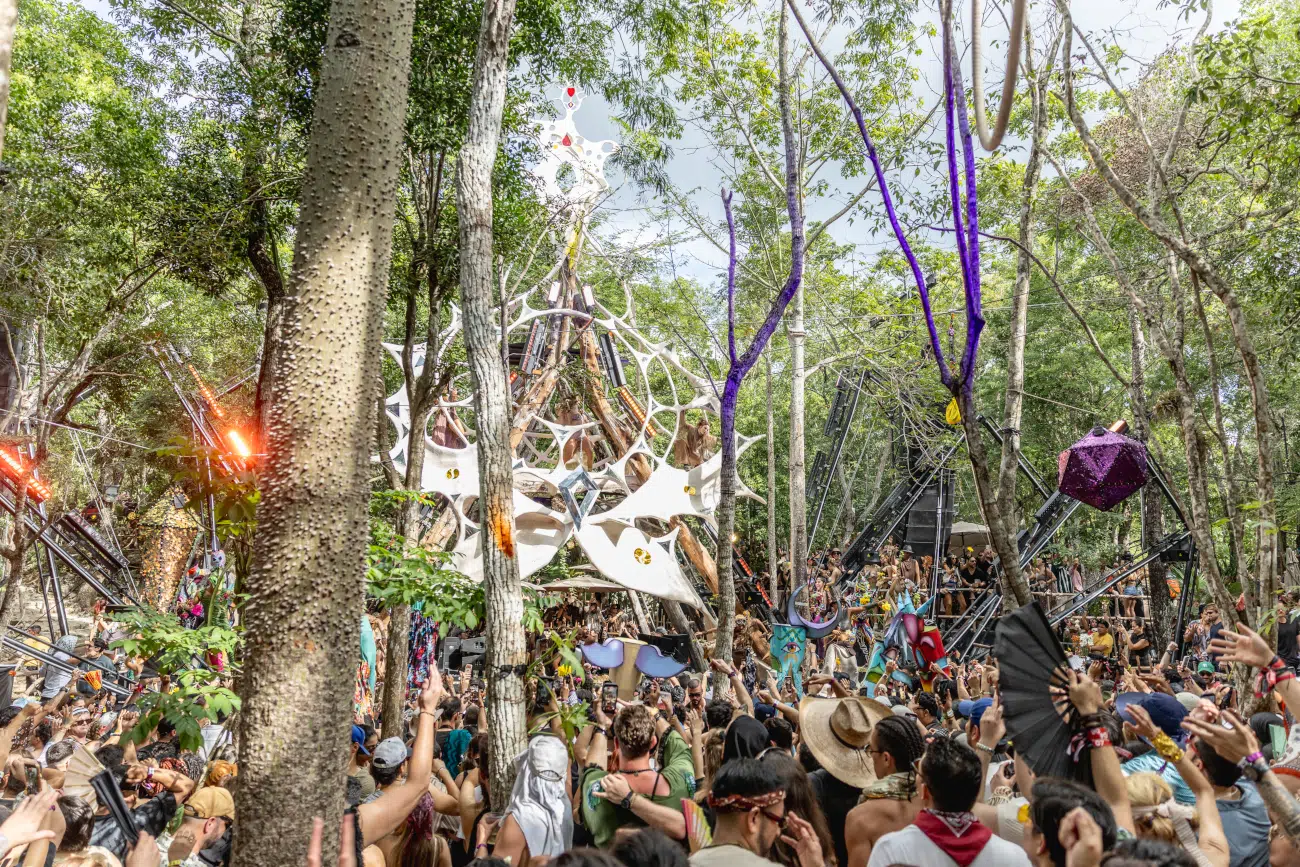
It boasts three lush enviable locations around the world; Tulum, Mexico; Bali, Indonesia, and Milagres, Brazil.
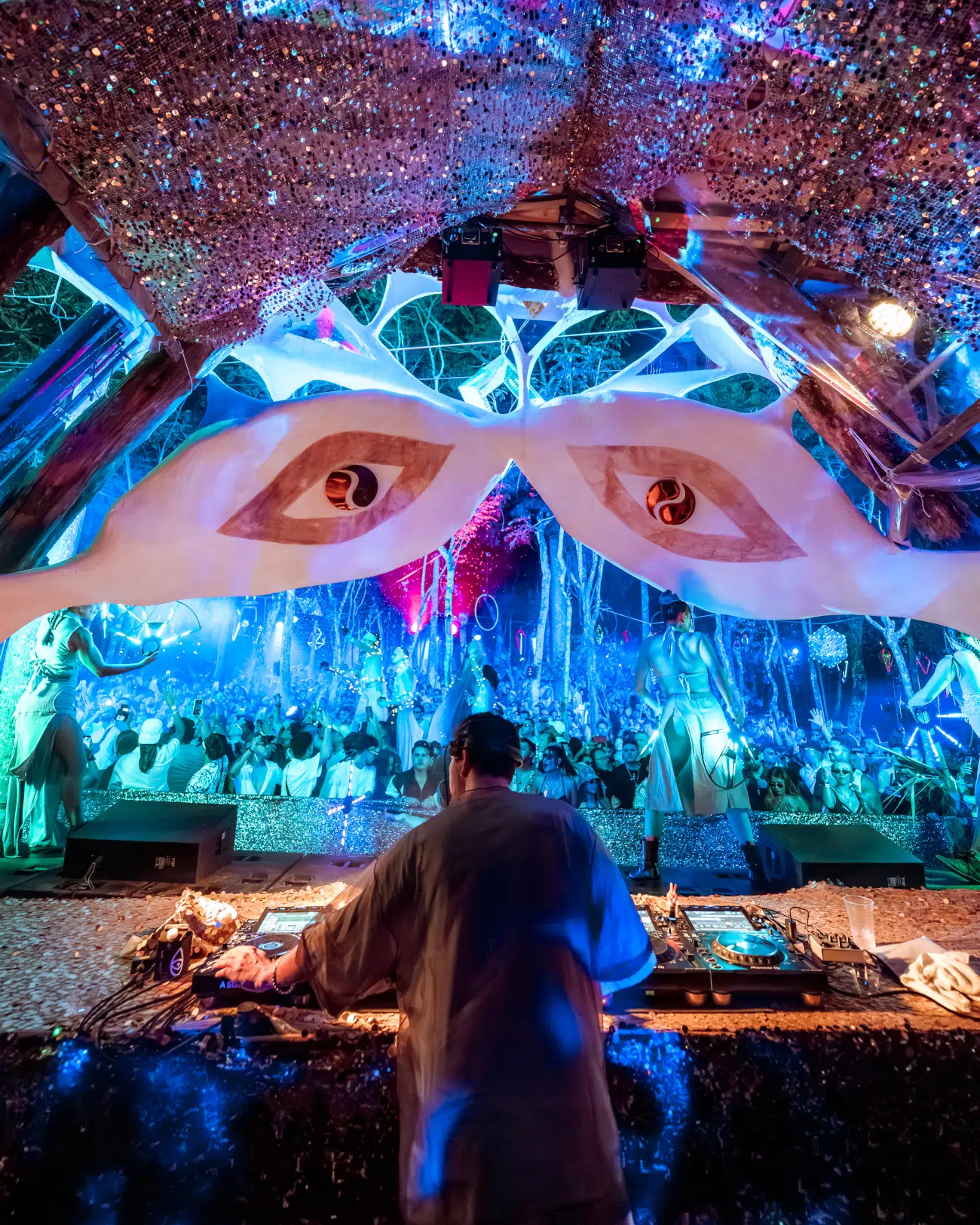
“The Day Zero experience hangs on the pillars of immersion and cultural connectivity, sharing space between the ancient world and modern mankind.”
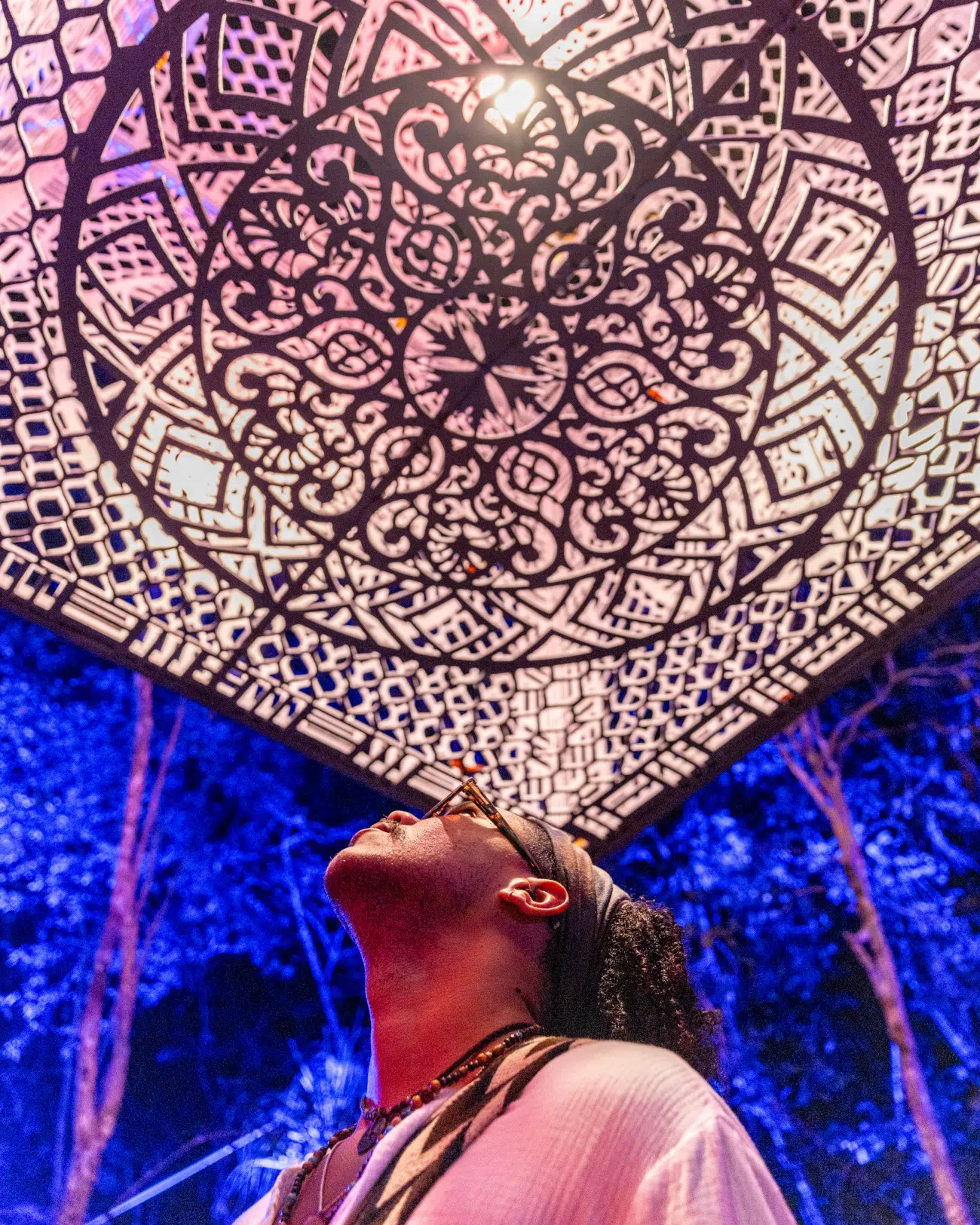
“From sunset to sunrise, each moment is woven within the fabric of the venue’s energy.”
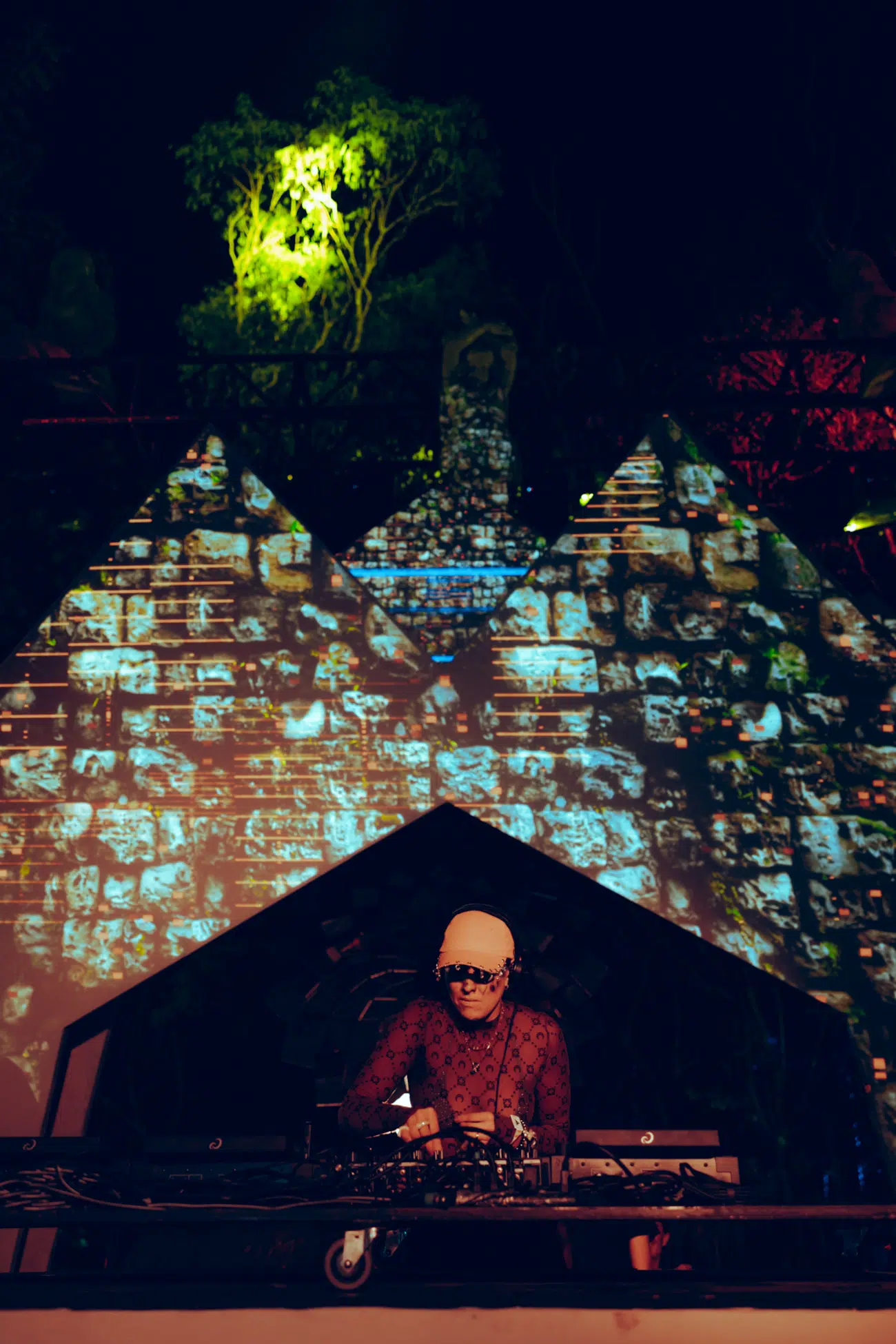
“This connection with surroundings and self is what has helped create the ideal environment for experiencing the world’s best electronic music.”
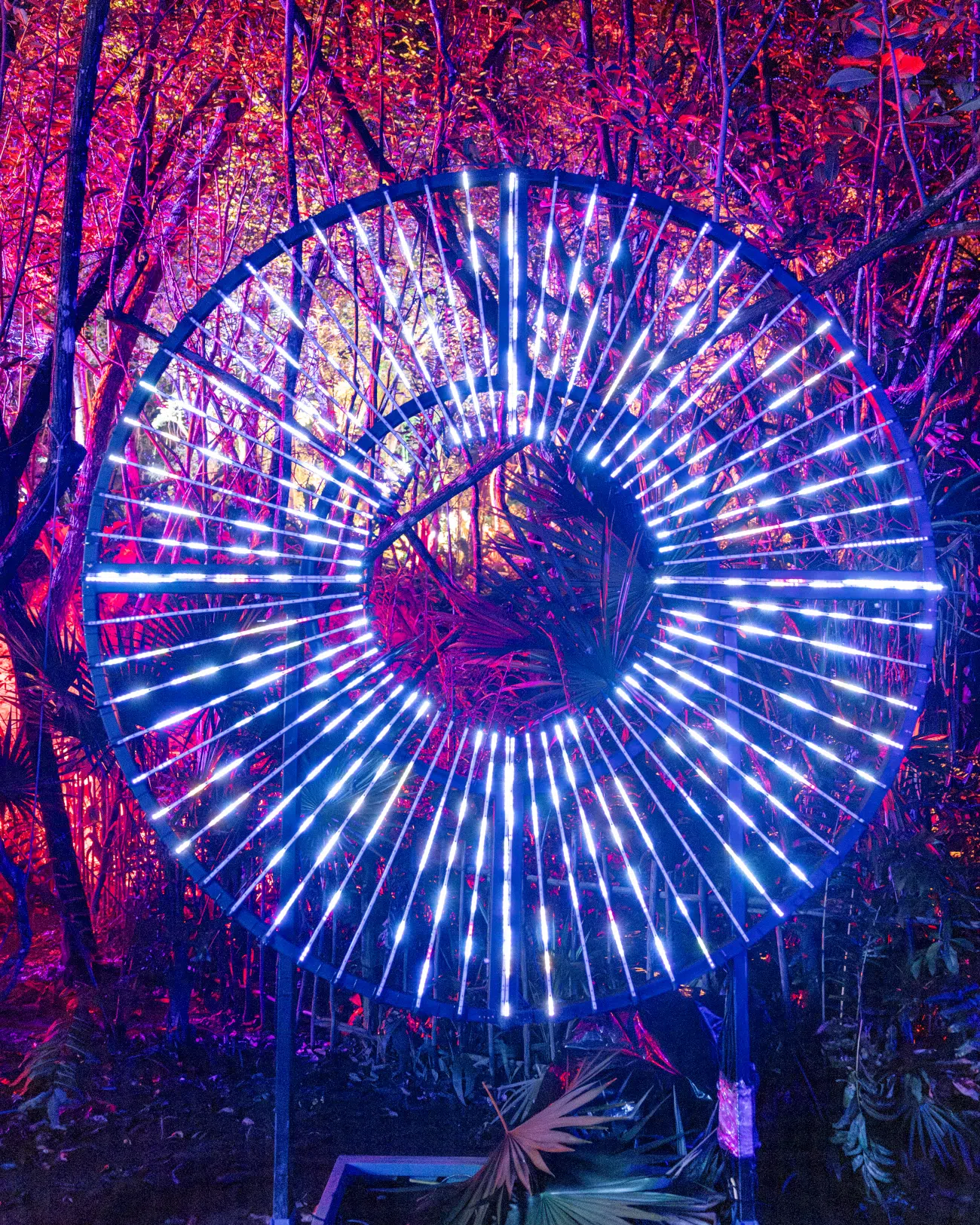
Committed to be leaving the area cleaner than they found it, the festival enlists industry professionals to restores the green areas afterwards.
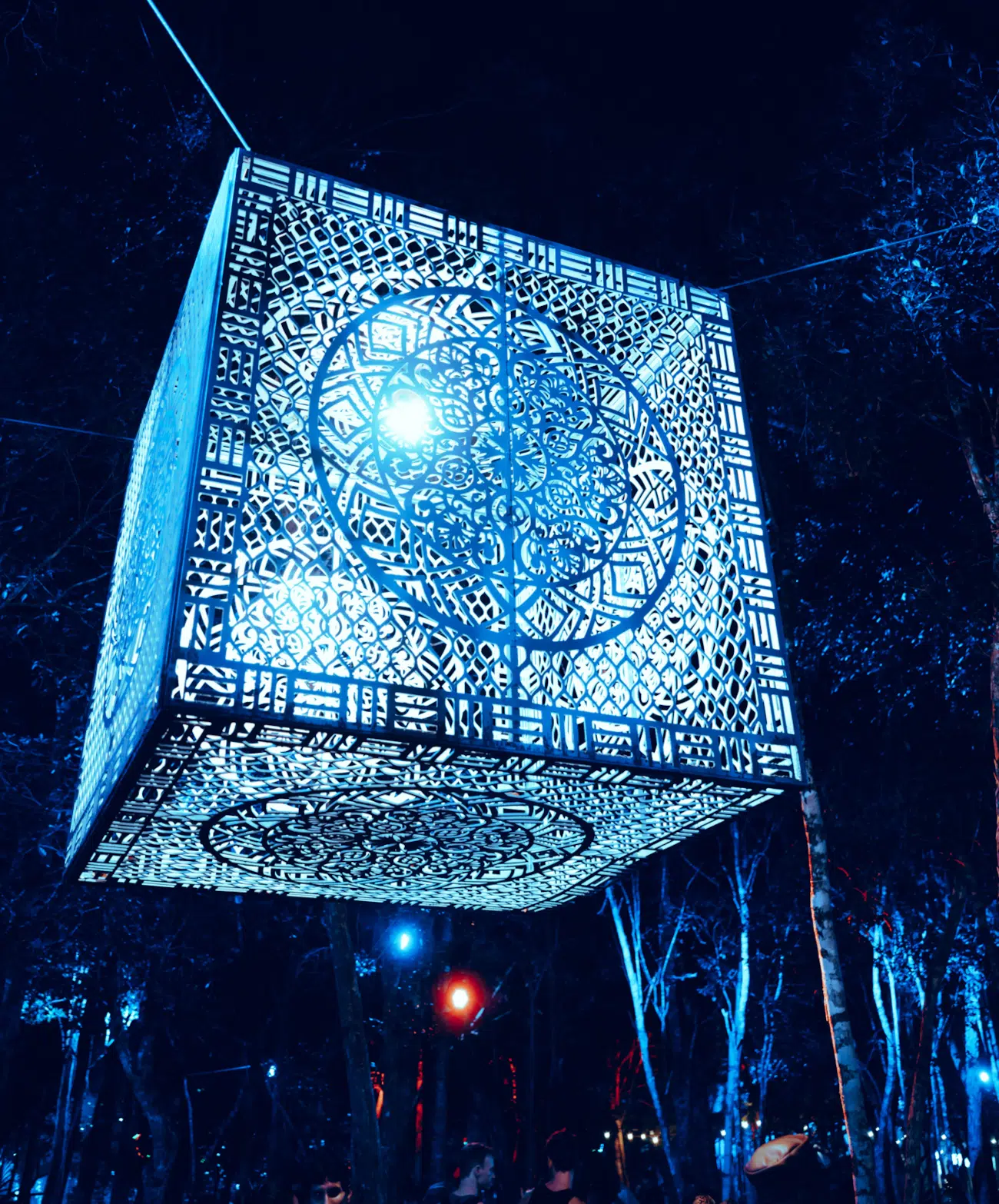
“We are creating an imminent effect on this planet with any event we organize. We must take an active stand to inform and inspire our crowd.”
While Day Zero 2026 has come to an end, you can still be part of the experience in 2027.