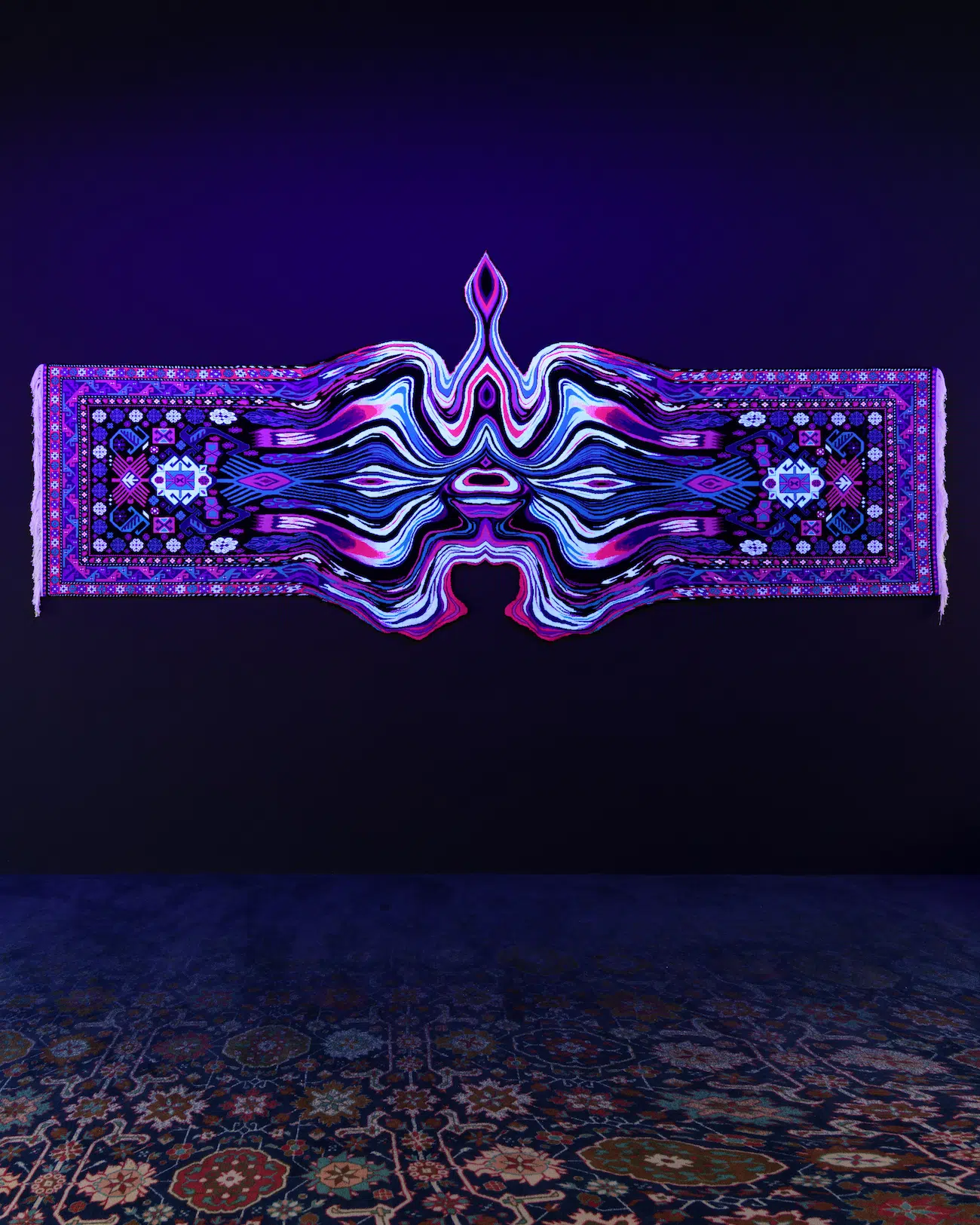
Faig Ahmed, “Ancestors,” 2026. Installation at La Biennale di Venezia 2026. (Photo: Riccardo Banfi.)
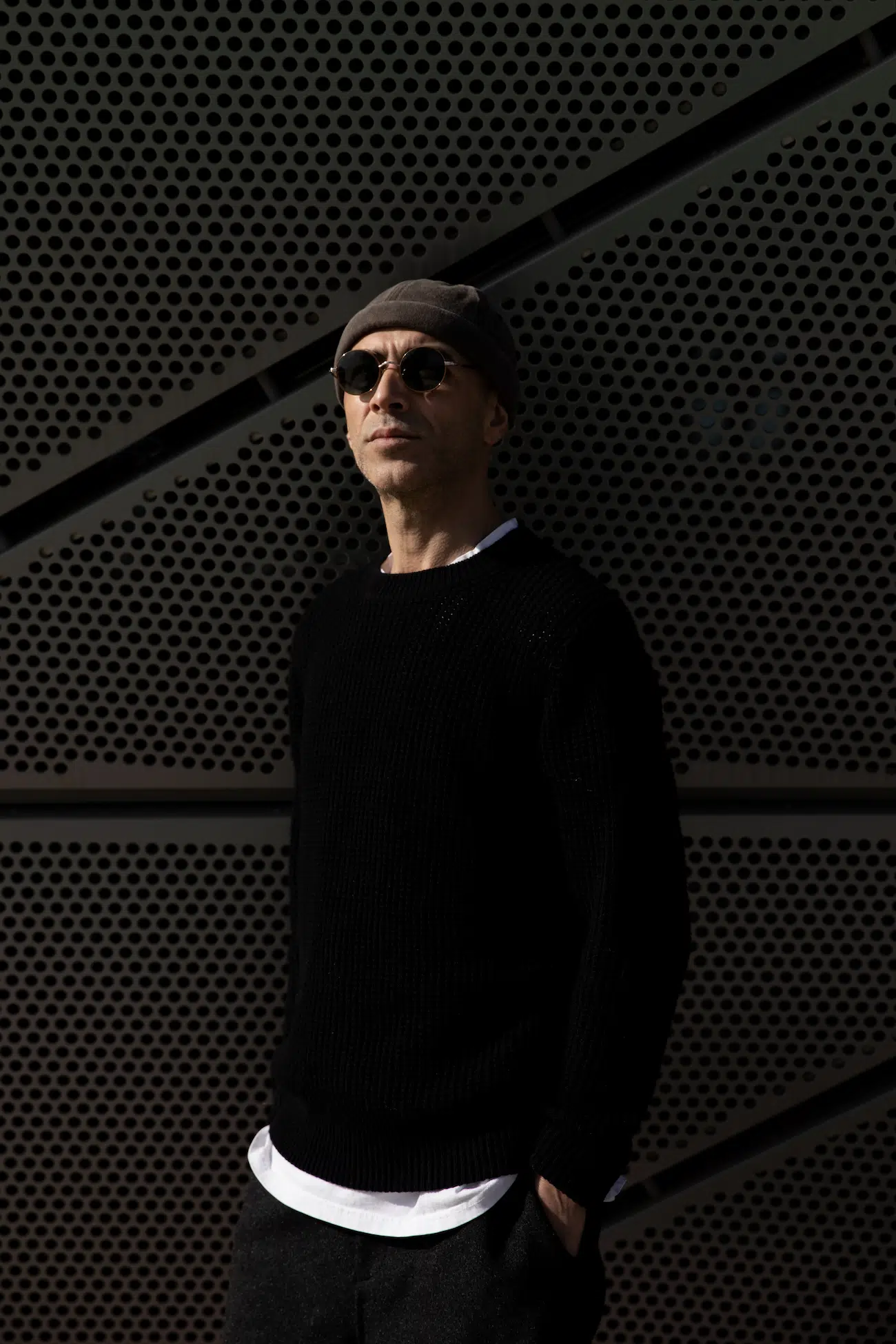
Faig Ahmed. Photo: Aslan Alikhanov
Textile artist Faig Ahmed has long transformed the traditional carpet into something alive. His woven works appear to melt, pixelate, dissolve, and spill across floors like liquid code, merging centuries-old Azerbaijani craftsmanship with the visual language of the digital age. Now, at the 61st edition of Venice Biennale, the artist pushes his practice into even more immersive territory with a monumental installation titled The Attention.
Born in Sumqayit and based in Baku, Ahmed has spent years redefining how textile art can function within contemporary practice. While rooted in traditional Azerbaijani carpet weaving, his work consistently challenges expectations of permanence and order. Threads glitch into abstraction, patterns liquefy, and ornamentation becomes unstable, as though cultural memory itself were mutating in real time.
Presented in Azerbaijan’s national pavilion, the sprawling exhibition unfolds like a labyrinth of consciousness. Carpets twist through doorways, knot themselves into sculptural forms, and stretch across multiple rooms as though they are breathing organisms rather than woven objects. Ahmed uses textile not simply as decoration, but as a language, one capable of carrying memory, spirituality, science, and emotion all at once.
Curated by Gwendolyn Collaço, The Attention draws inspiration from Hurufism, a mystical philosophical tradition that interprets letters and symbols as carriers of cosmic meaning. Ahmed connects these ancient ideas to contemporary scientific theories surrounding information systems, quantum physics, and human perception. The result is an exhibition that feels simultaneously futuristic and ancient, where woven carpets become conduits for contemplating consciousness itself.
Among the exhibition, Ancestors glows under black light with psychedelic intensity, while Entropy Altar transforms visitor presence into shifting streams of language through a quantum random number generator. Throughout the installation, Ahmed continually blurs the line between the handmade and the technological, asking viewers to reconsider where meaning originates in an age saturated with information.
What makes Ahmed’s work especially compelling is its emotional undercurrent. Despite the exhibition’s references to science and data systems, the installation never feels cold or clinical. Instead, the woven forms evoke something deeply human: a search for connection amid noise and fragmentation. Carpets, objects traditionally associated with home, ancestry, and ritual, become metaphors for collective memory and shared consciousness.
At the Venice Biennale, The Attention feels particularly resonant. In an era shaped by constant digital stimulation and information overload, Ahmed offers something slower and more contemplative. His installation invites viewers not merely to look, but to pause, wander, and reflect inside a woven world where technology, mysticism, and craft become inseparable.
Faig Ahmed transforms traditional Azerbaijani carpets into sprawling sculptural installations for Azerbaijan’s pavilion at the Venice Biennale.
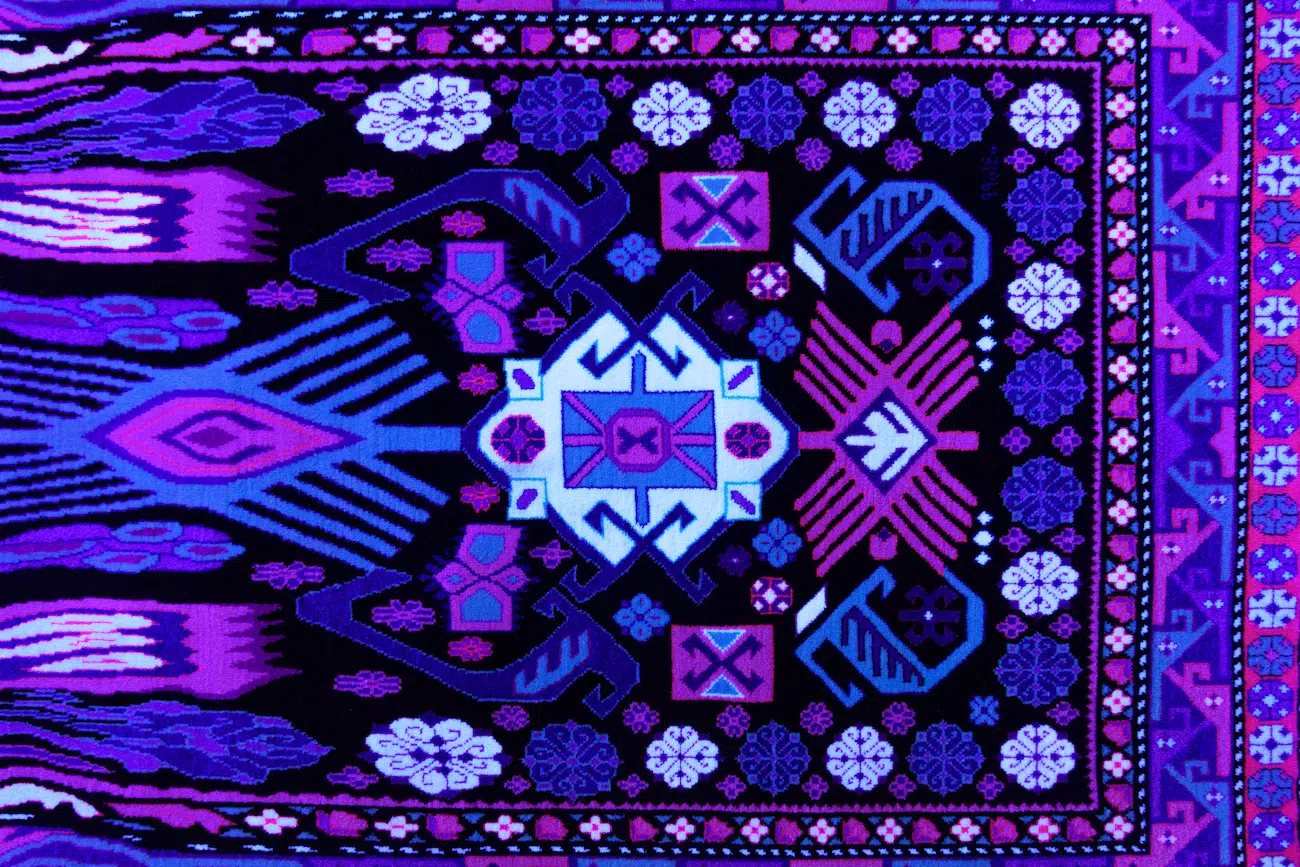
Faig Ahmed, “Ancestors,” 2026. Installation at La Biennale di Venezia 2026. (Photo: Riccardo Banfi)
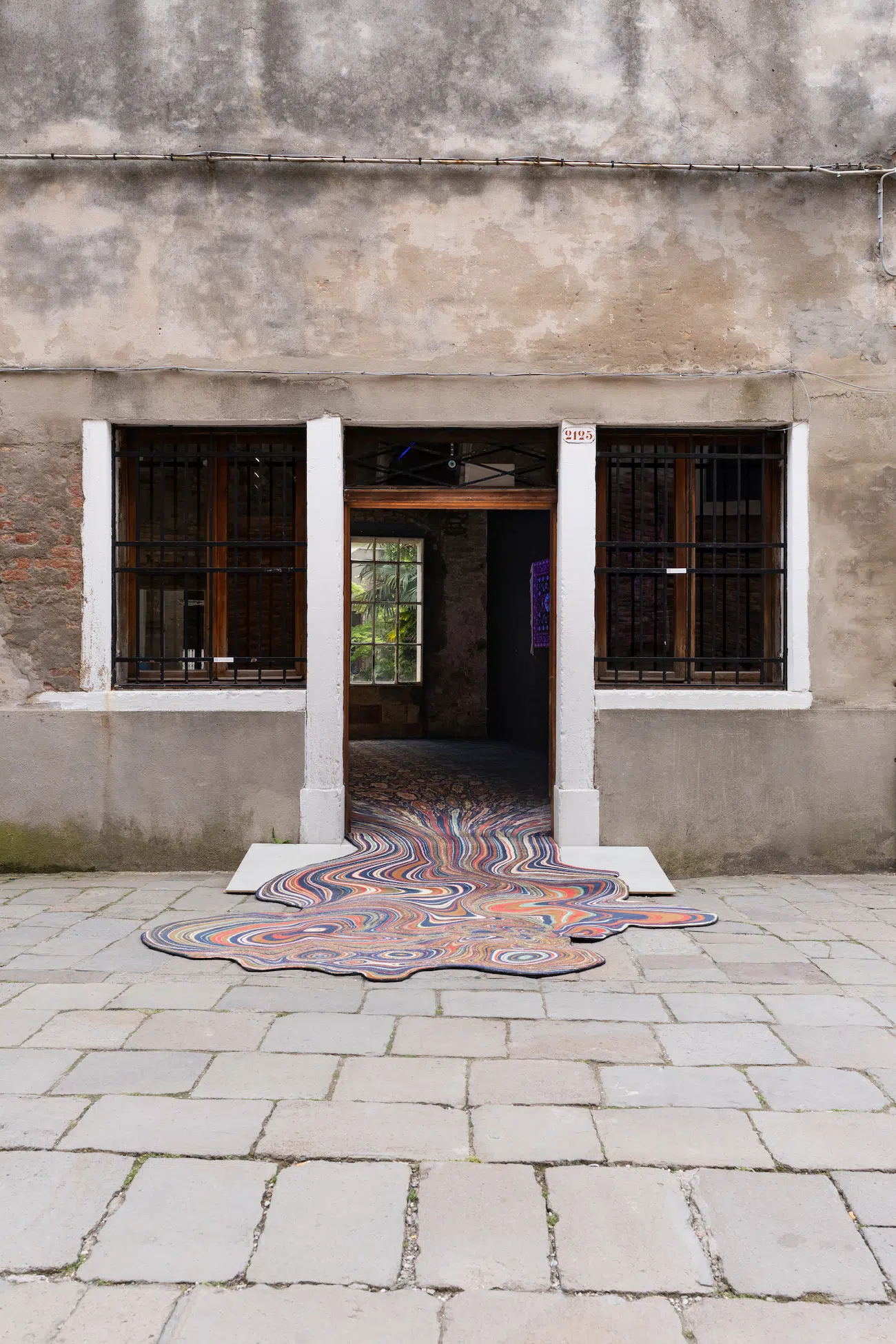
Faig Ahmed, “I Can Contain Both Worlds But I Cannot Fit Into This One,” 2026. Installation at La Biennale di Venezia 2026. (Photo: Riccardo Banfi)
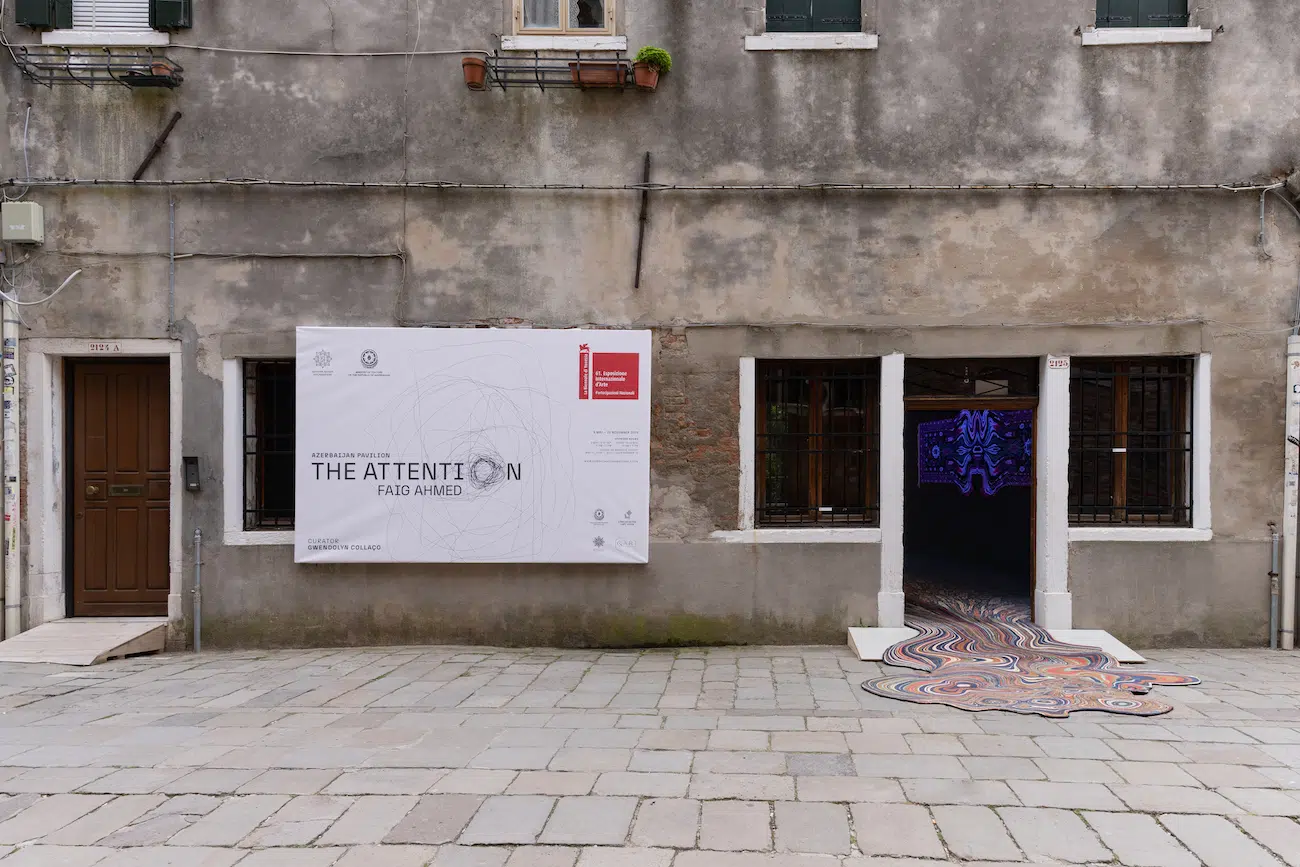
Faig Ahmed, “I Can Contain Both Worlds But I Cannot Fit Into This One,” 2026. Installation at La Biennale di Venezia 2026. (Photo: Riccardo Banfi)
Drawing inspiration from Hurufism and quantum theory, Ahmed’s work turns woven textiles into immersive meditations on language, perception, and memory.
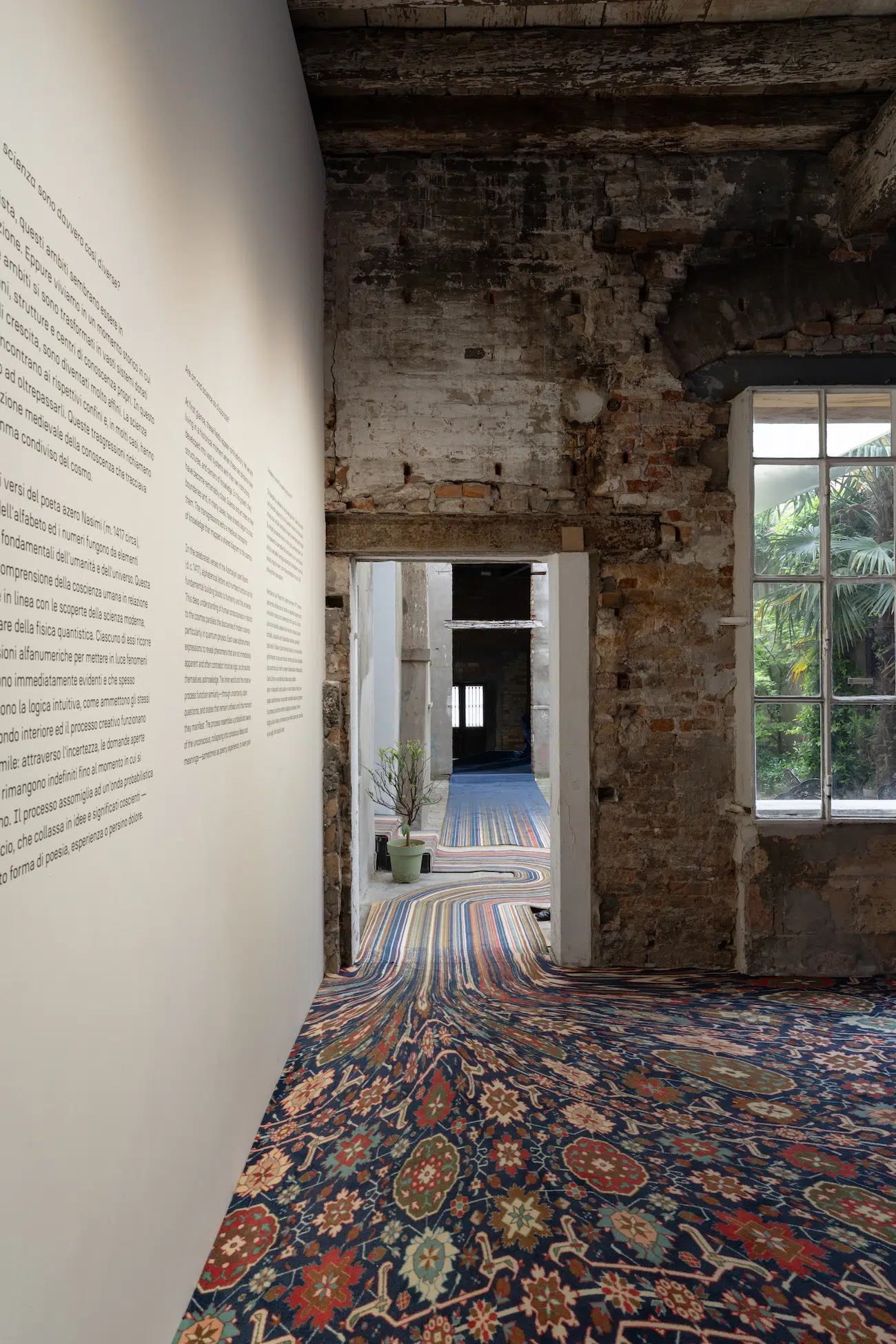
Faig Ahmed, “I Can Contain Both Worlds But I Cannot Fit Into This One,” 2026. Installation at La Biennale di Venezia 2026. (Photo: Riccardo Banfi)
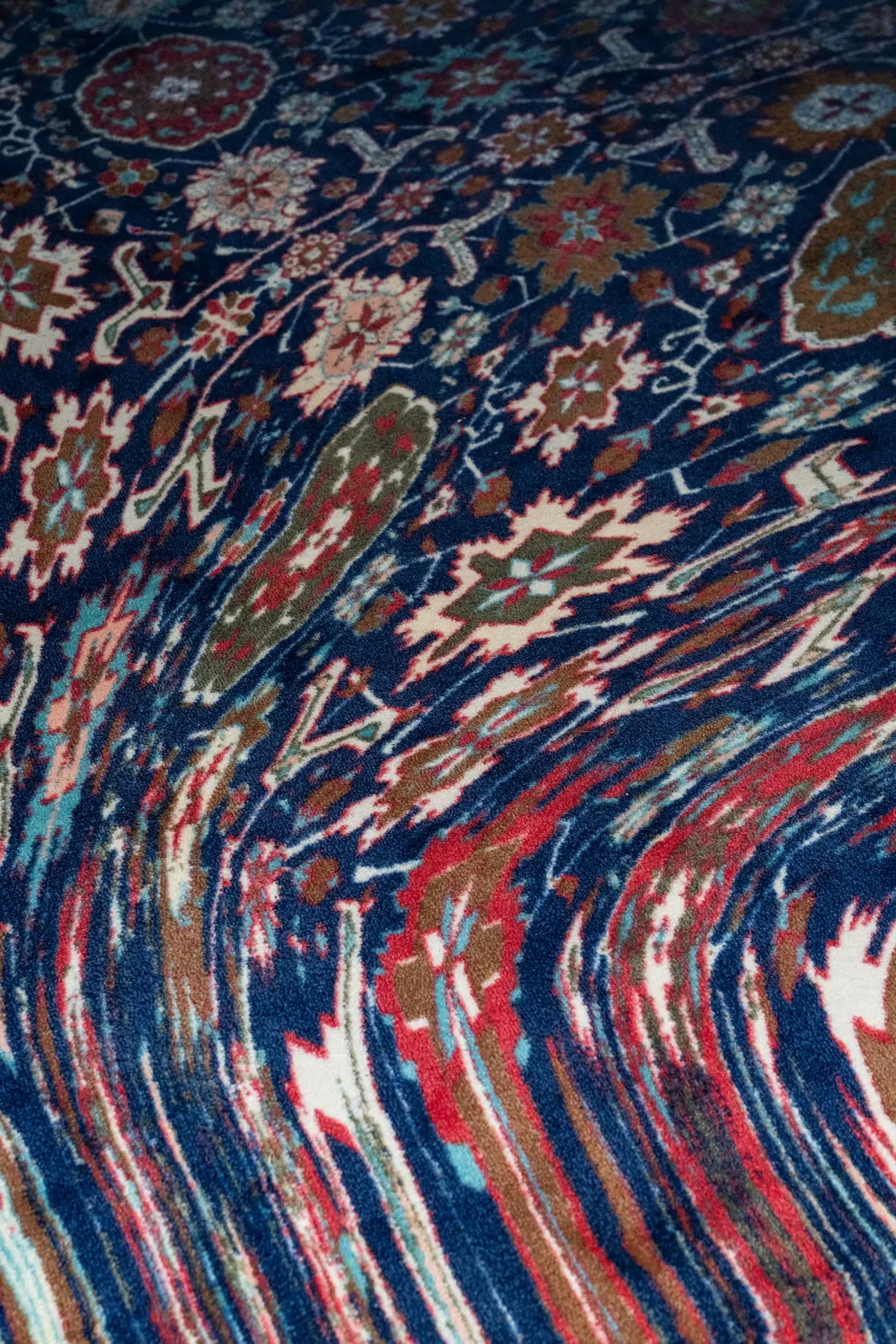
Faig Ahmed, “I Can Contain Both Worlds But I Cannot Fit Into This One,” 2026. Installation at La Biennale di Venezia 2026.
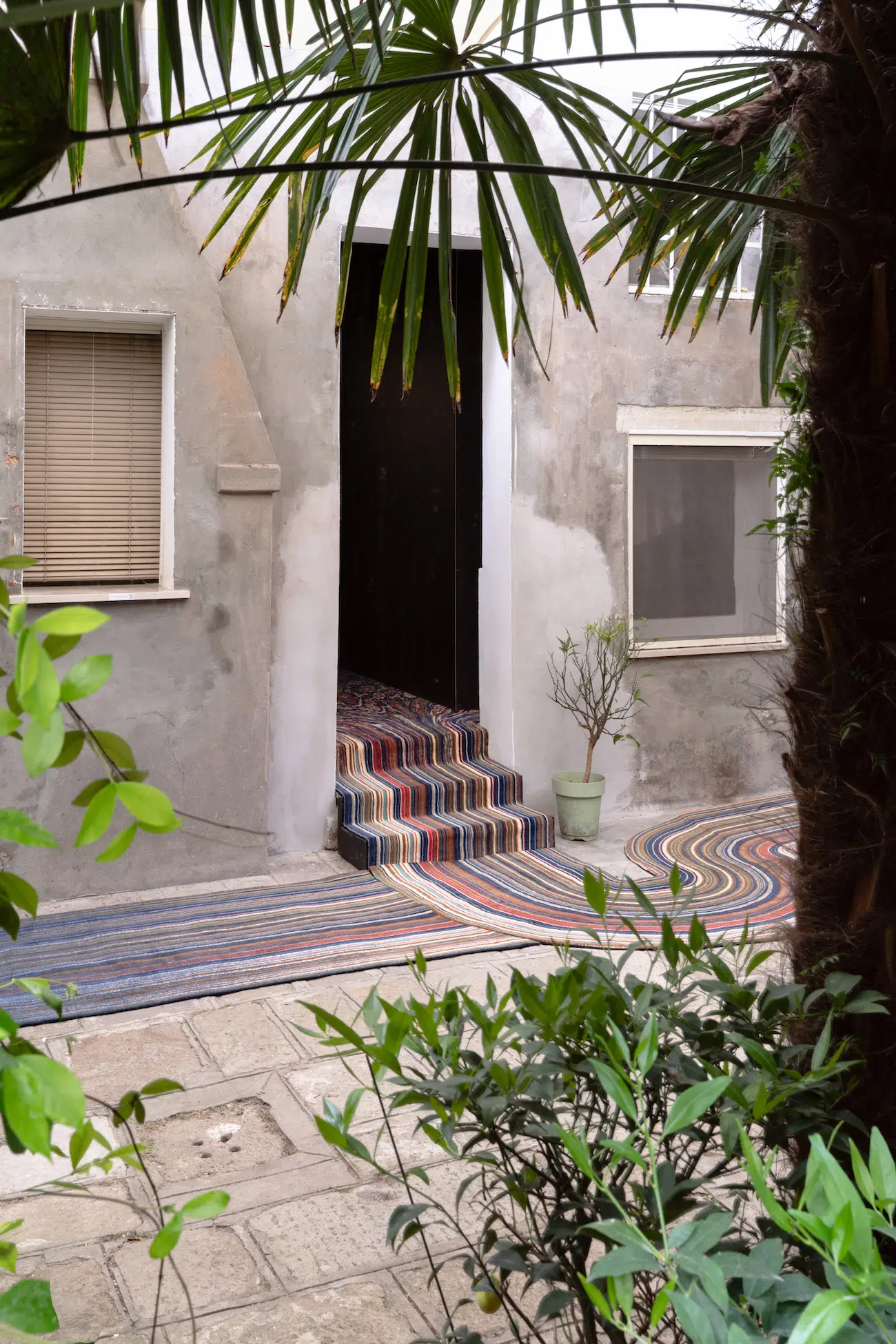
Faig Ahmed, “I Can Contain Both Worlds But I Cannot Fit Into This One,” 2026. Installation at La Biennale di Venezia 2026. (Photo: Riccardo Banfi)
From glowing blacklight tapestries to carpets that flow through entire rooms, the exhibition blurs the boundary between ancient craft and digital culture.
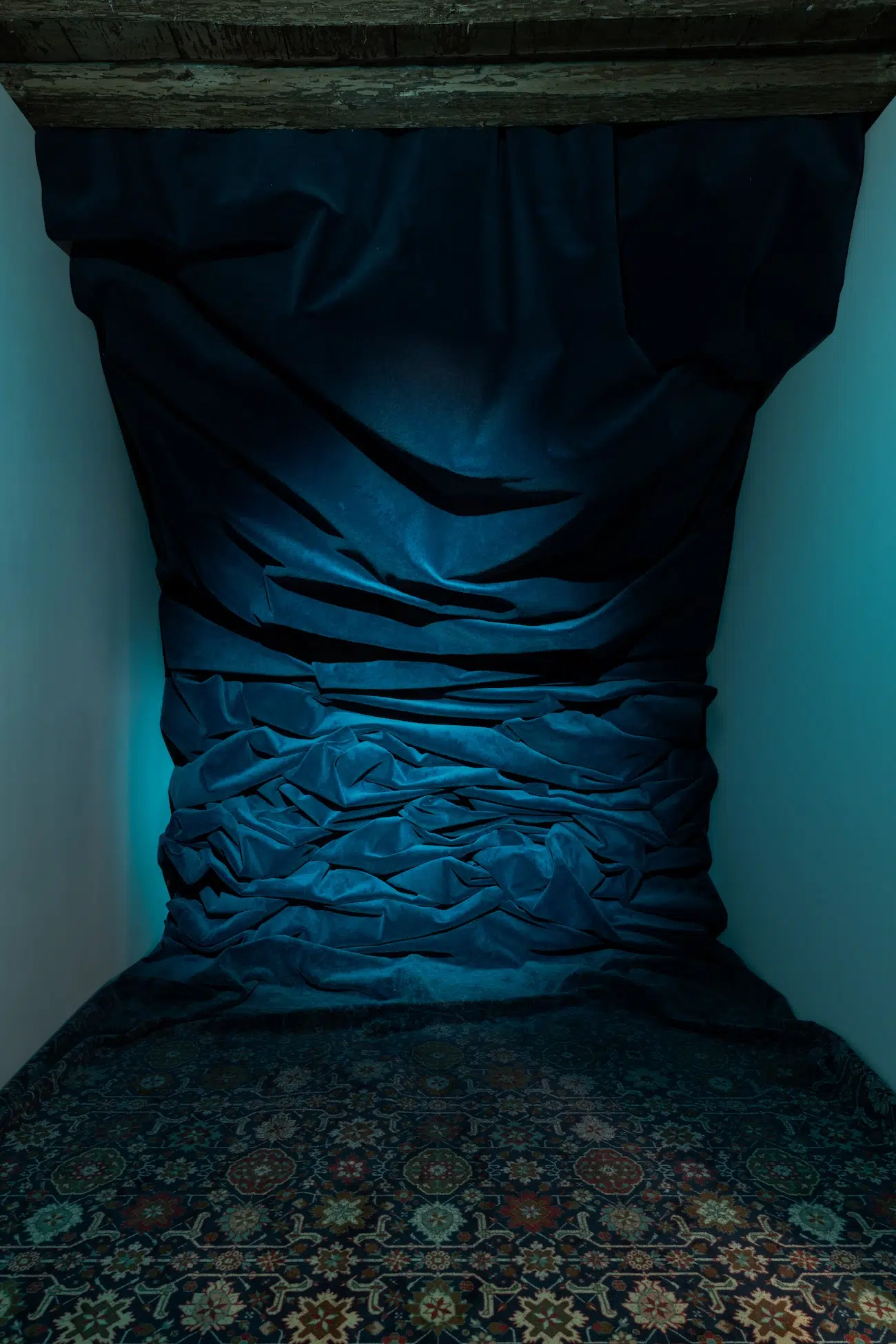
Faig Ahmed, “Face It,” 2026. Installation at La Biennale di Venezia 2026. (Photo: Riccardo Banfi)
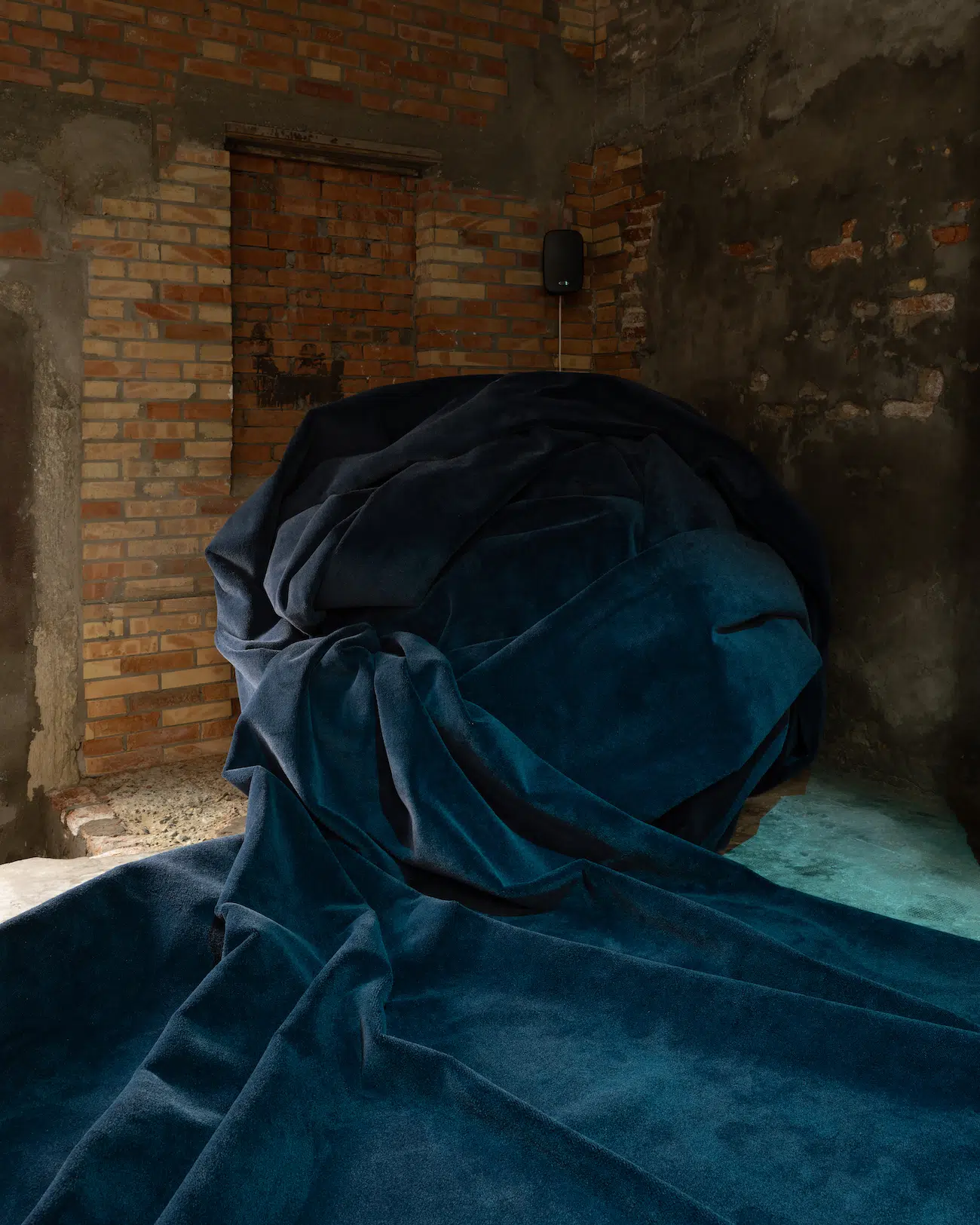
Faig Ahmed, “The Knot,” 2026. Installation at La Biennale di Venezia 2026. (Photo: Riccardo Banfi)
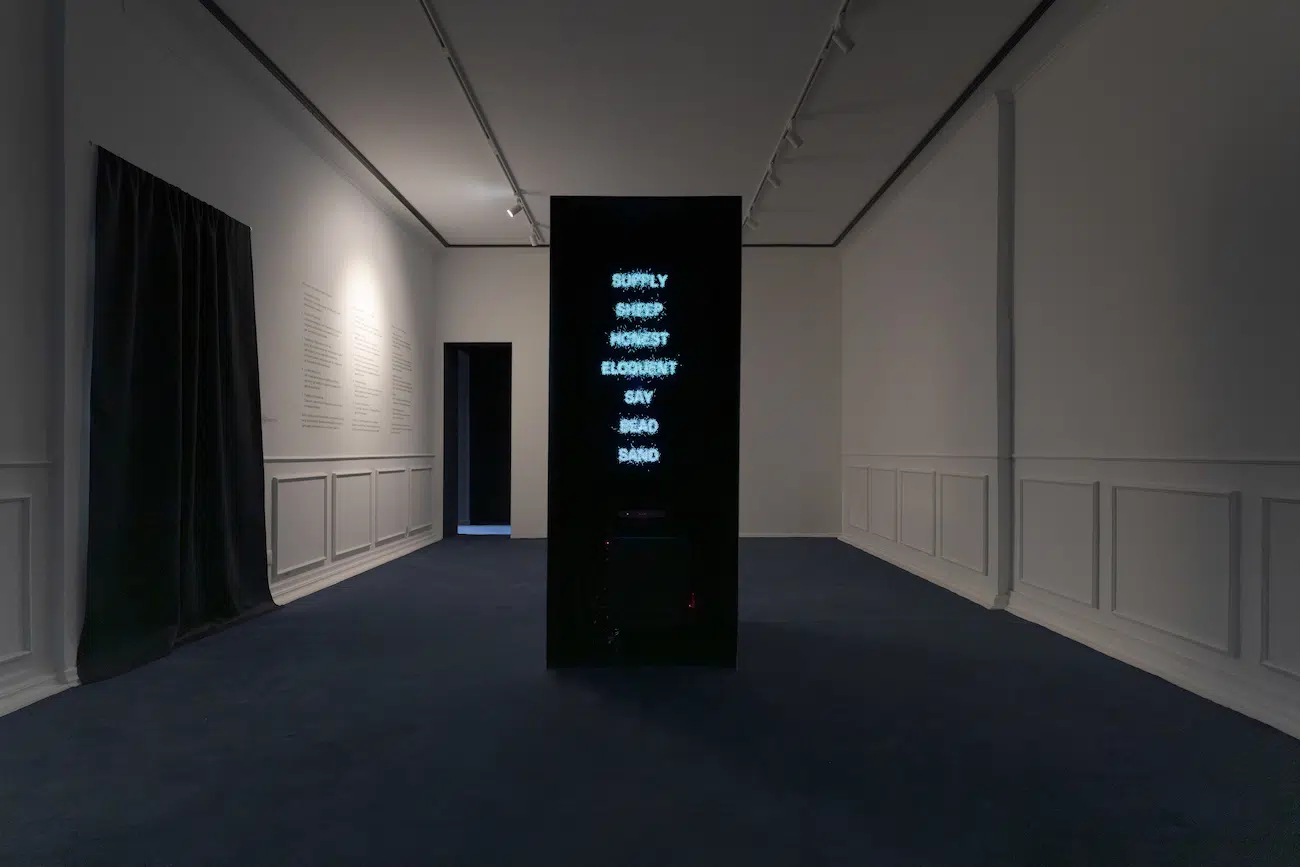
Faig Ahmed, Entropy Altar, 2026. Installation at La Biennale di Venezia 2026. Photo by
Riccardo Banfi.
Faig Ahmed
Faig Ahmed: Website | Instagram