April 11, 2021

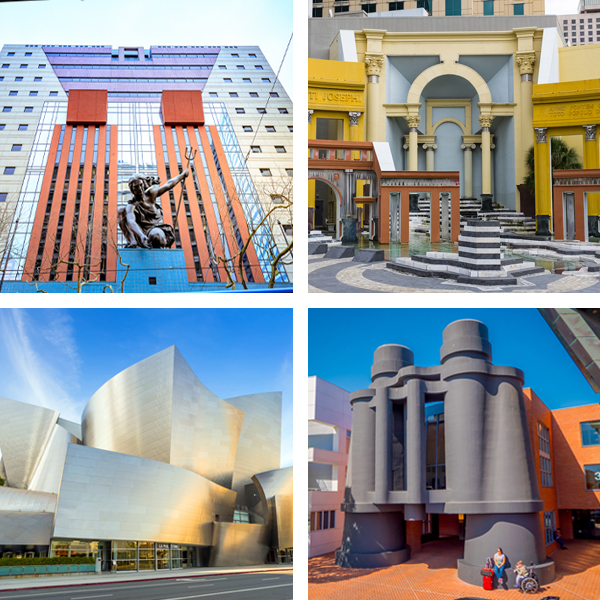
Shimmering “Dragon Eggs” Reveal Faraway Landscapes Within Resin and Wood

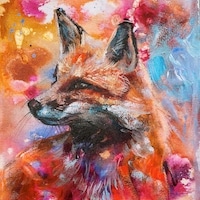
Ever since NASA’s Perseverance Mars Rover safely landed on the Red Planet, it’s been beaming photos, videos, and sounds back to Earth. The amazing mission not only shows us what the alien terrain looks like, but it also makes us wonder what other planets’ landscapes look like too—both in our solar system and beyond. Perhaps these dragon eggs by Australian artist Ben of Ben's Worx will spark your imagination.

Read Article


April 10, 2021

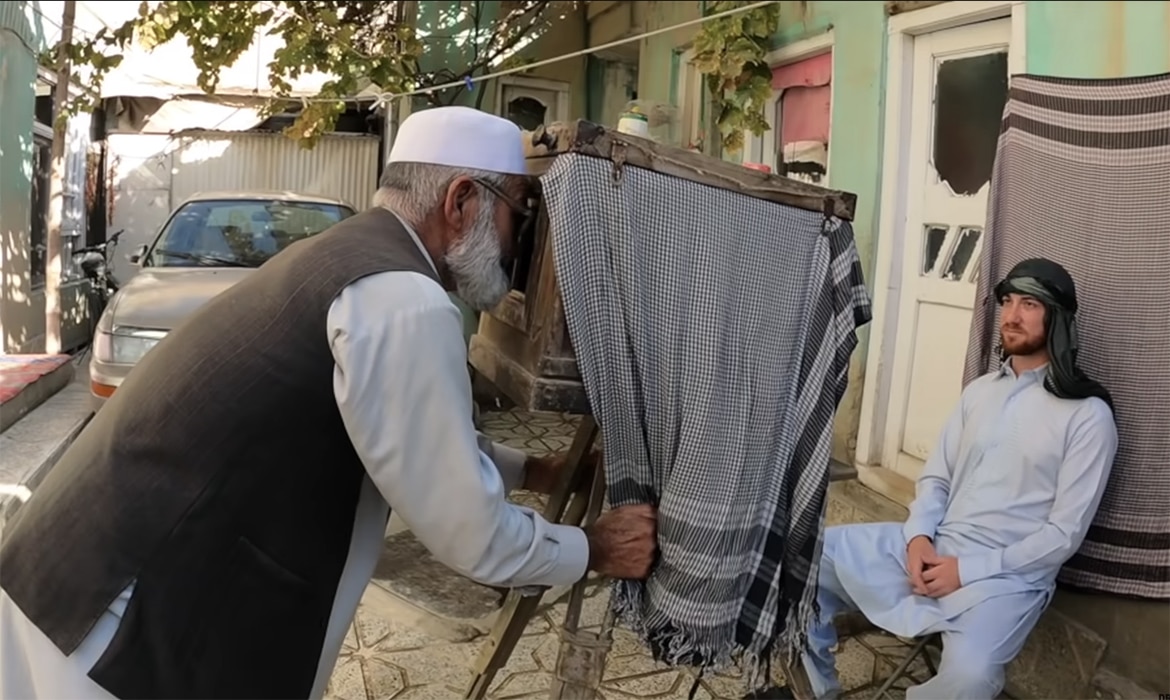
Afghan Photographer Uses a Rare 100 Year Old “All-in-One” Camera to Shoot Pictures

Photography has a long history. Today, most people shoot with their smartphone or DSLR cameras with high megapixel counts. Historical cameras, however, can still be found in the hands of those who have nurtured the traditions of film photography. Travel vlogger Drew Binsky was in Kabul, Afghanistan, when he heard tell of a unique antique camera that was still in use.

Read Article


April 9, 2021

Photorealistic “Double Exposure” Portrait Paintings Reflect the Complexities of Life Itself

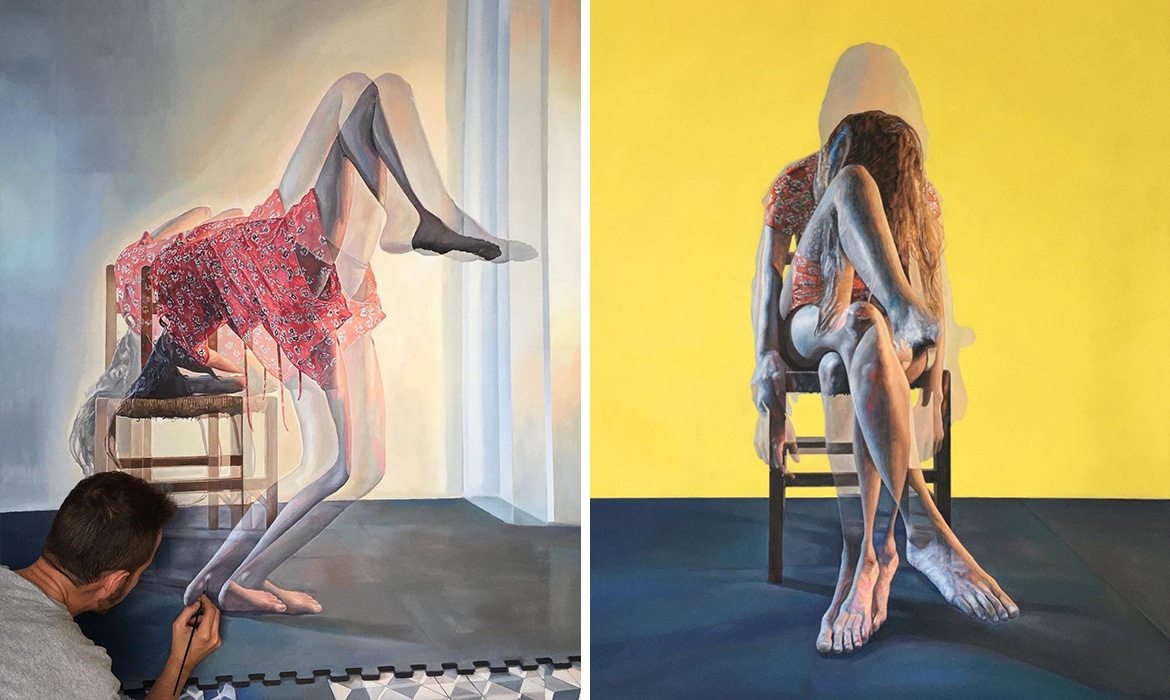
These images might look like double exposure photographs, but they’re actually works rendered in oil paint. Spanish artist Cristian Blanxer expresses his subjects’ movements, inner thoughts, and environments by painting them as surreal, multi-layered portraits. In some works, Blanxer captures the movements of his subjects, showing both their past and present positions at once. One painting depicts a dancer as she bends her body towards a chair and kicks her leg upwards.

Read Article


April 8, 2021

Visit ‘Pollinator Park,’ a VR Experience Raising Awareness About Declining Biodiversity

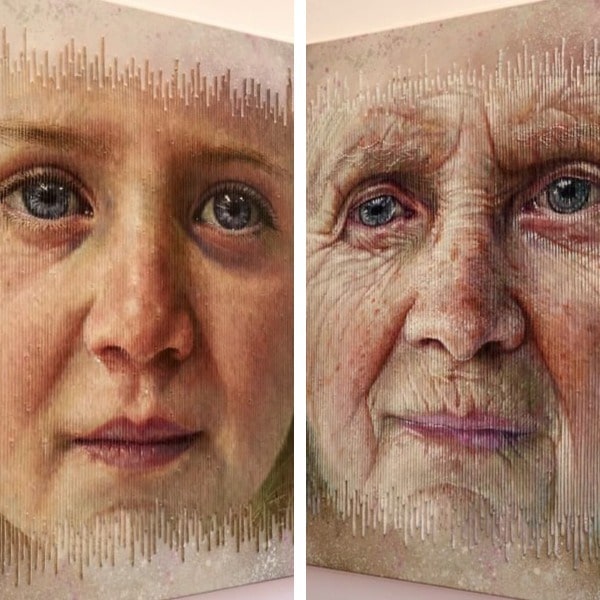
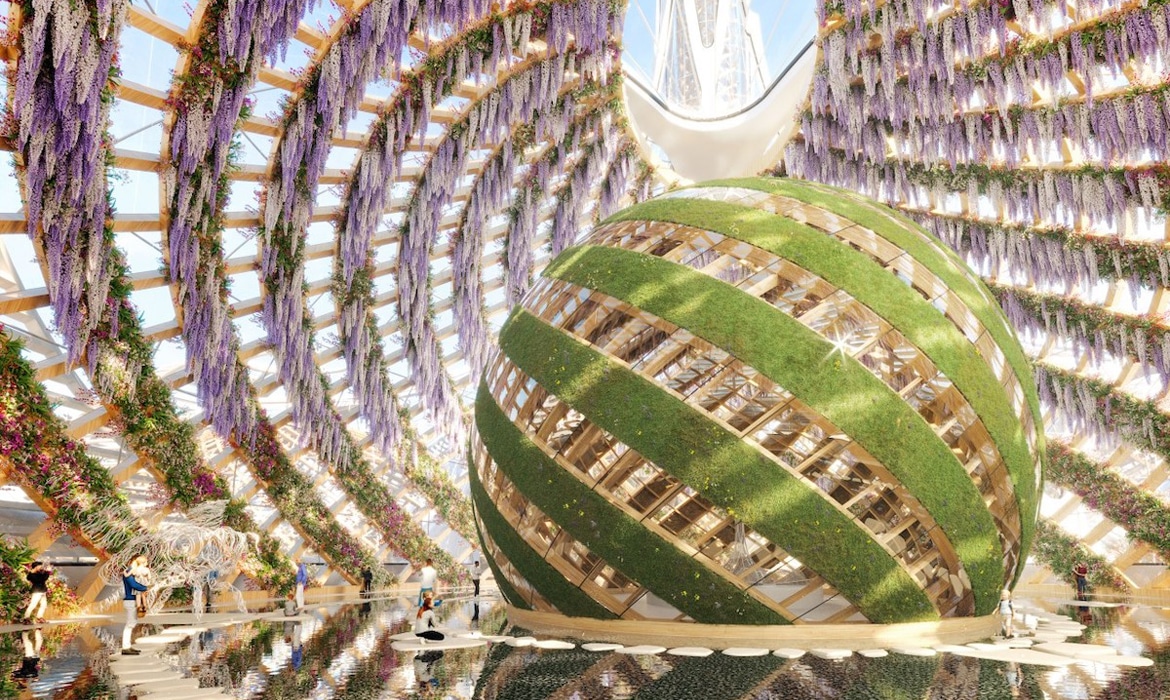
Architect Vincent Callebaut’s latest project isn’t something you can currently visit in the real world. Pollinator Park is a virtual reality experience that warns people about declining biodiversity, specifically among pollinators such as bees and hummingbirds. It imagines more ecological architecture to address changes that need to be made if the rate of pollinator extinction continues on its current trajectory.

Read Article