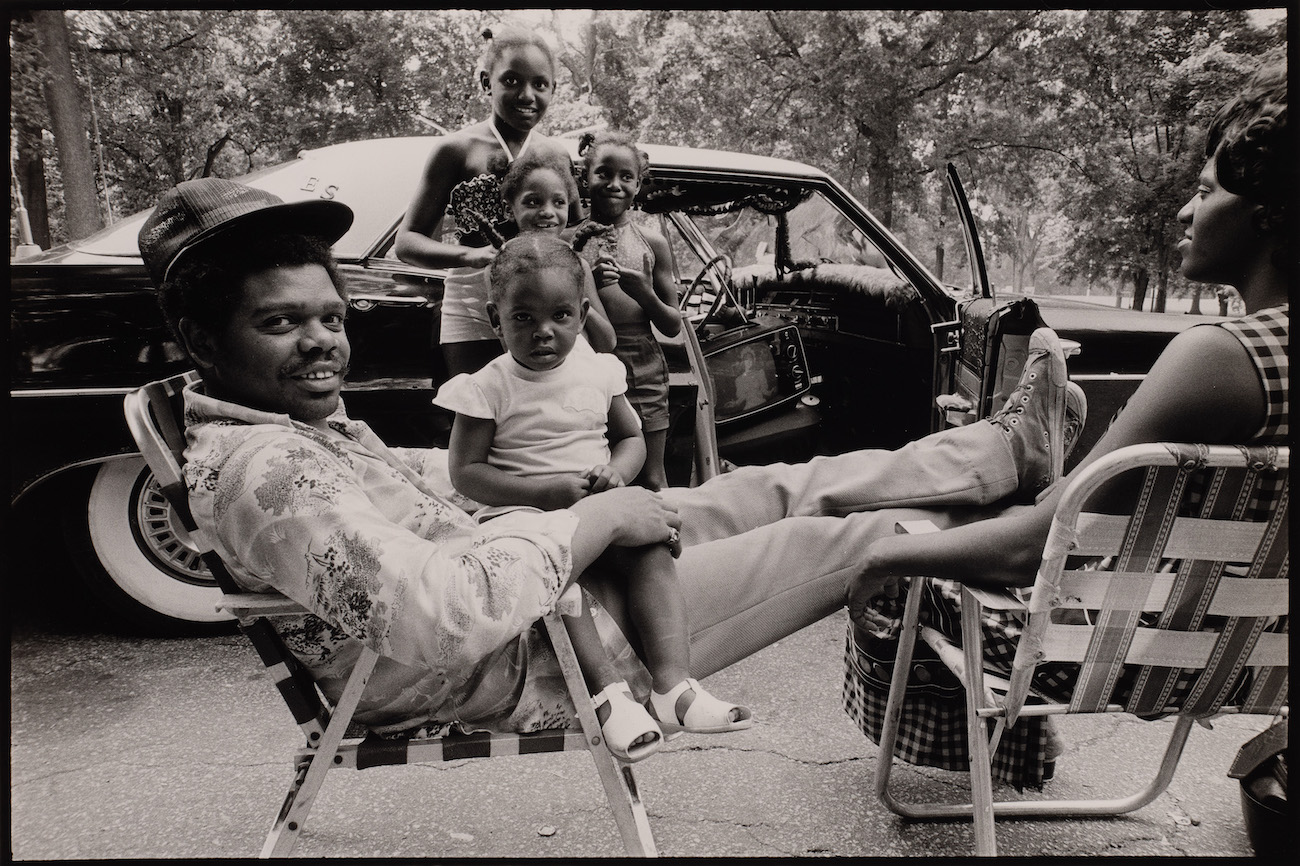
Robert K. Hower, July 4, 1976, Louisville, KY, 1976, gelatin silver print, Smithsonian American Art Museum, Transfer from the National Endowment for the Arts, 1983.63.789, ©1976, Robert K. Hower
The Smithsonian American Art Museum brings together 225 photographs documenting the United States around its 1976 Bicentennial in Much Here Is Beautiful: Photography Surveys of the U.S. Bicentennial. Featuring work by more than 70 photographers, the exhibition spans the country, from New York City to rural Appalachia. Together, these images capture communities during a period of social and economic change.
The photographs grew out of a federal initiative launched by the National Endowment for the Arts (NEA) to mark the nation’s 200th anniversary. Inspired by the Farm Security Administration’s documentary photography during the Great Depression, the program funded 72 regional surveys of American life. The exhibition reunites selections from these projects for the first time, including works rediscovered through curatorial research.
Much Here Is Beautiful also traces the history of federal survey photography. It opens with 19th-century images by Carleton E. Watkins, Timothy O’Sullivan, and William H. Jackson, whose photographs introduced many Americans to the West’s landscapes. Works by Dorothea Lange and Walker Evans show how documentary photography later expanded to record everyday life.
The exhibition spans four regions, from Lee Friedlander’s photographs of industrial towns in the Northeast to Robert Townsend Jones Jr.’s previously unseen images of Beale Street in Memphis. In the Midwest, Joel Meyerowitz photographs St. Louis and its Gateway Arch, while John Margolies documents the roadside attractions that define the American landscape.
In the West, Mark Klett and JoAnn Verburg revisit historic landscapes through their Rephotographic Survey Project, placing contemporary images alongside 19th-century photographs. Reagan Louie’s photographs of San Francisco’s Chinatown offer a more personal perspective on the communities and histories that shape the country.
The exhibition takes its title from Robert Hayden’s 1978 poem “American Journal.” The phrase offers a fitting lens for photographs that look beyond familiar national symbols. Instead, they document the people, places, and everyday experiences that shape American life. Seen together, these images preserve a portrait of the country while inviting viewers to reconsider how its history has been recorded.
Much Here Is Beautiful: Photography Surveys of the U.S. Bicentennial will be on view at the Smithsonian American Art Museum in Washington, D.C., through April 18, 2027.
The Smithsonian American Art Museum presents 225 photographs documenting the United States around its 1976 Bicentennial.
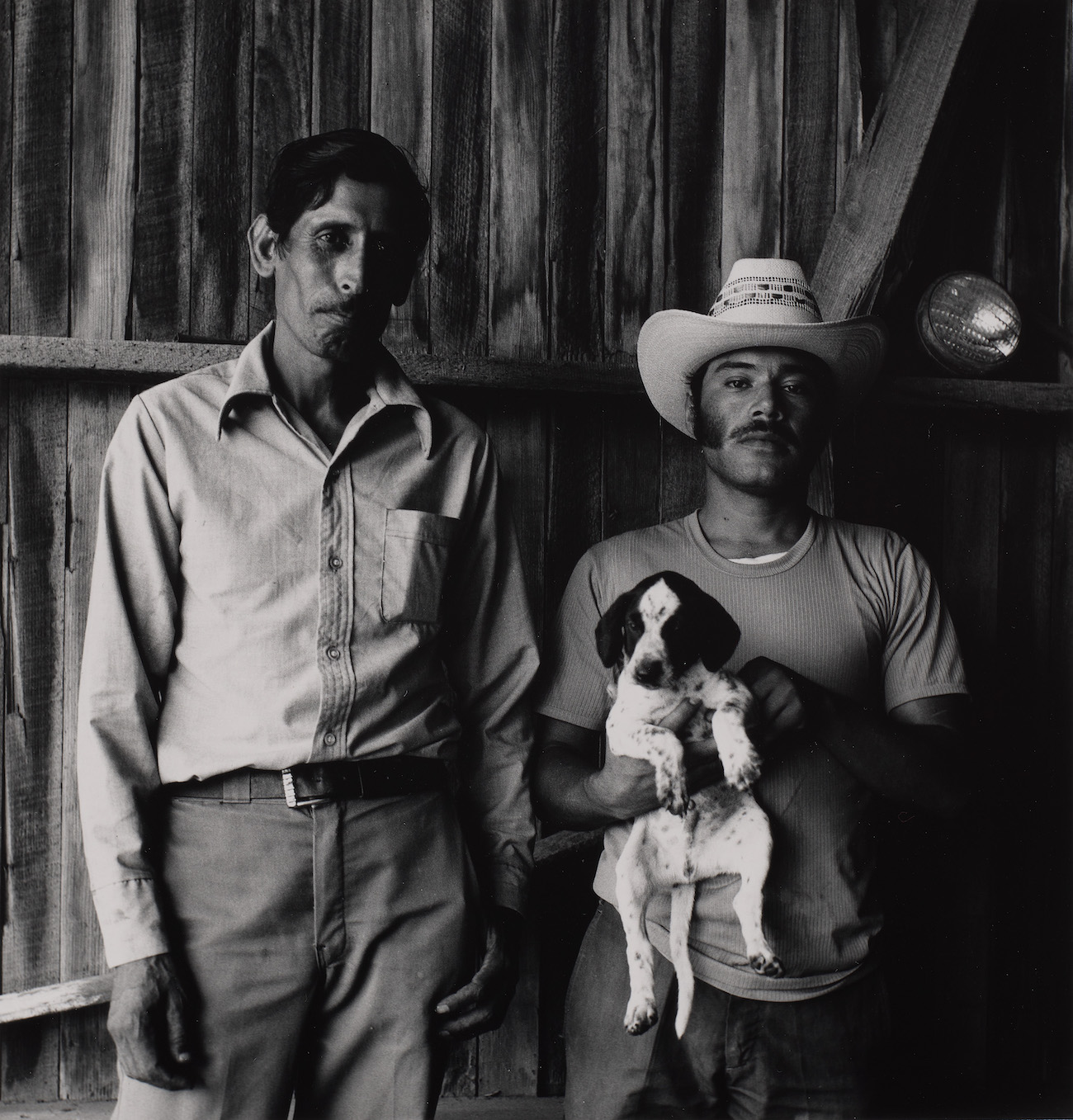
Terry Evans, Migrant Workers, from the Kansas Documentary Survey Project, 1974, gelatin silver print, Smithsonian American Art Museum, Transfer from the National Endowment for the Arts, 1983.63.1807, ©1974, Terry Evans
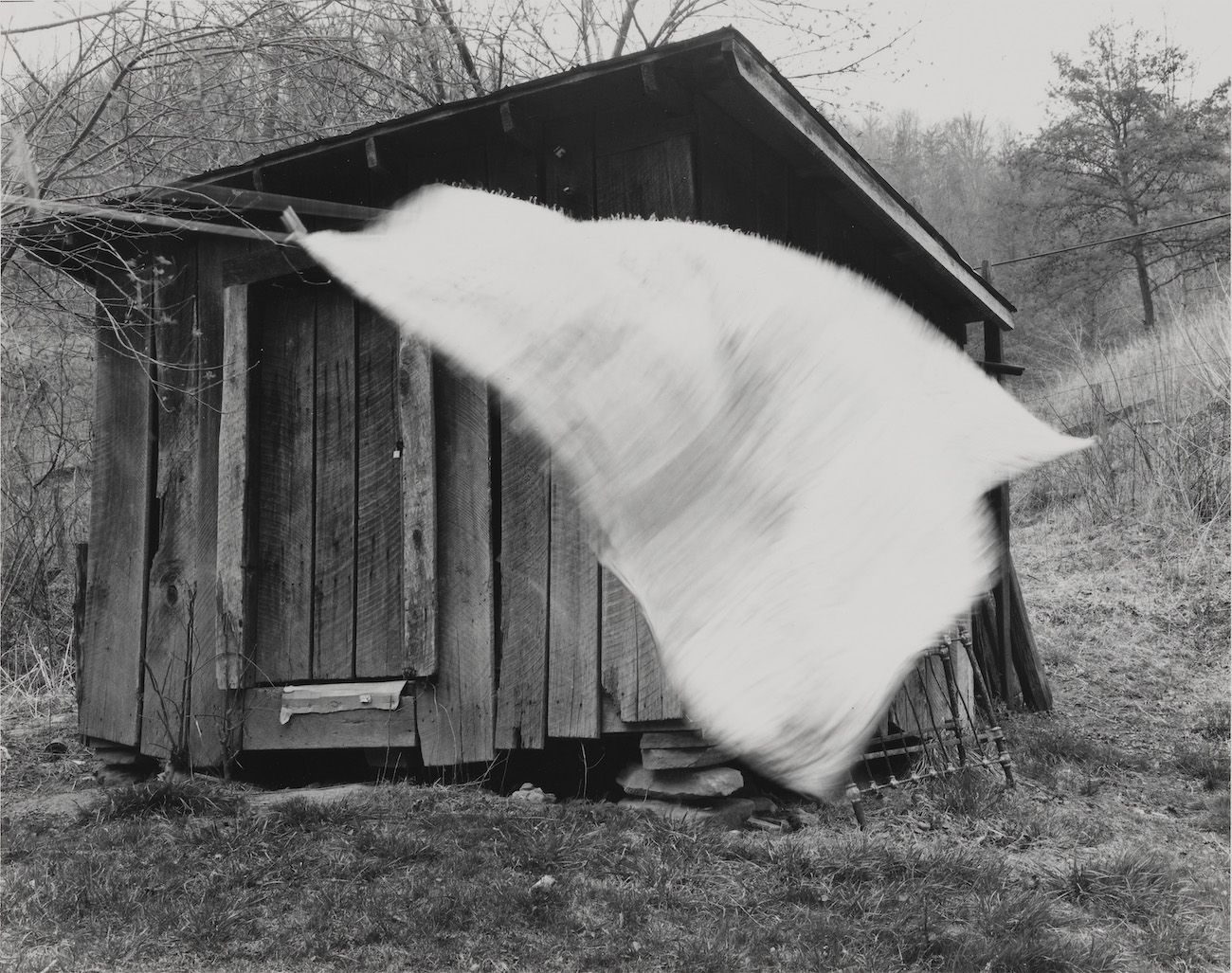
Wendy Ewald, Rena Meade's Quilt, from the Appalshop, Inc., Documentary Survey Project, 1977, gelatin silver print, Smithsonian American Art Museum, Transfer from the National Endowment for the Arts, 1983.63.487, © 2026, Wendy Ewald
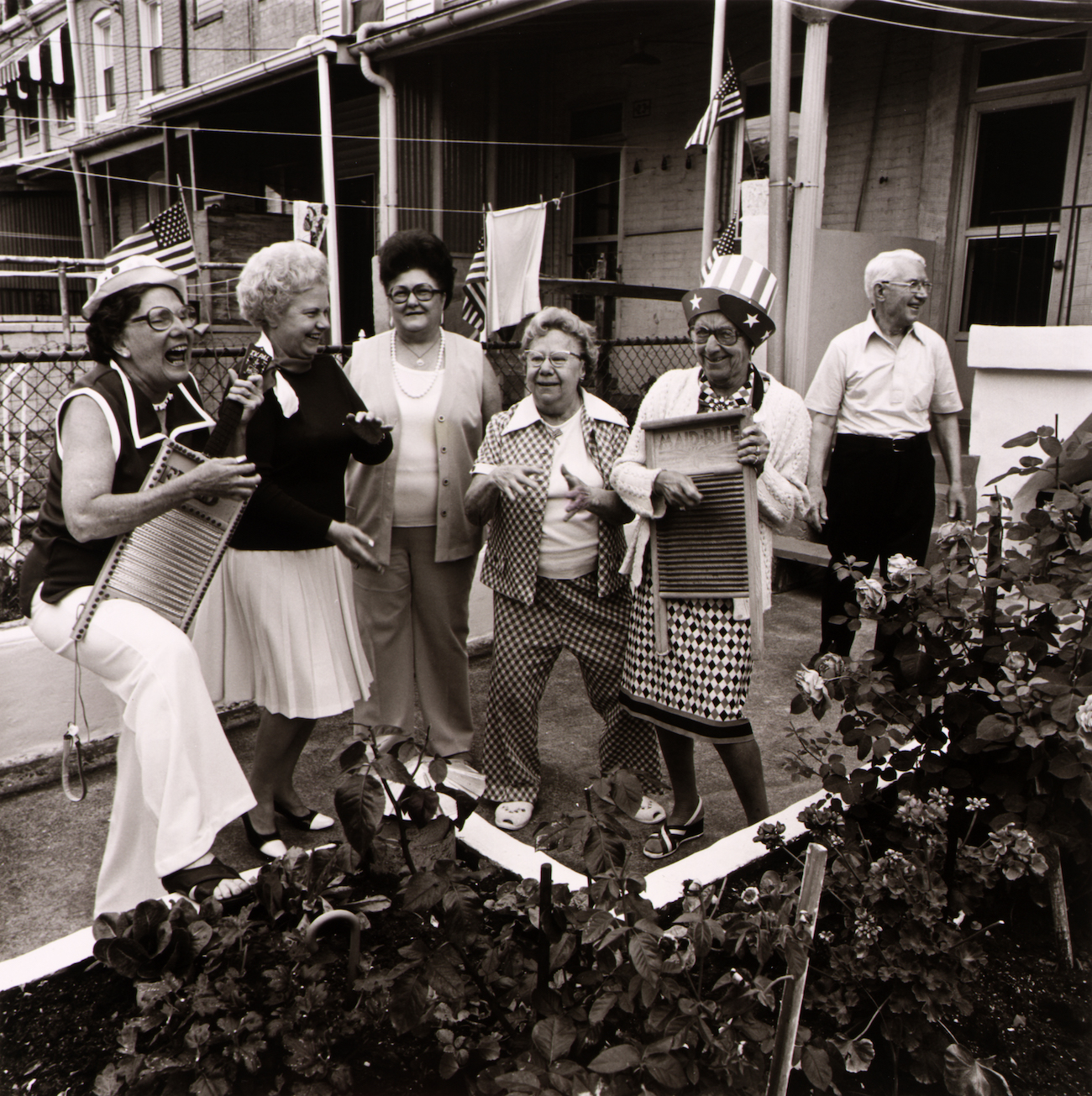
Joan Clark Netherwood, Fourth of July celebration, unit block of North Curley Street—a 23 year tradition, 1978, gelatin silver print, Smithsonian American Art Museum, Transfer from the National Endowment for the Arts, 1983.63.1005
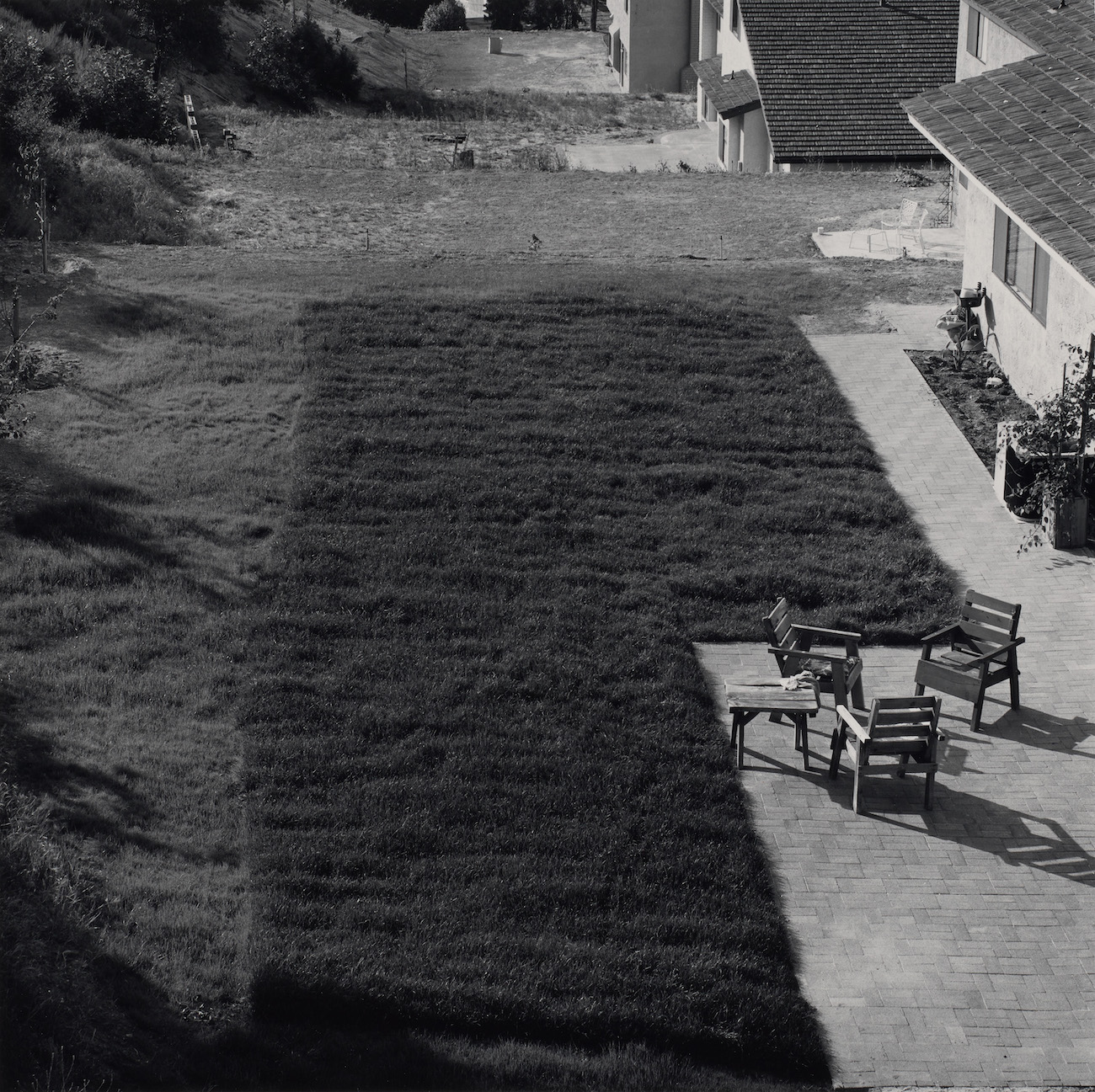
Joe Deal, Back Yard, Diamond Bar, CA, from the Los Angeles Documentary Project, 1980, gelatin silver print, Smithsonian American Art Museum, Transfer from the National Endowment for the Arts through the Photography Museum of Los Angeles, 1990.38.21, © 1980, Joe Deal
A federal initiative funded 72 photographic surveys to capture American communities during a period of social and economic change.
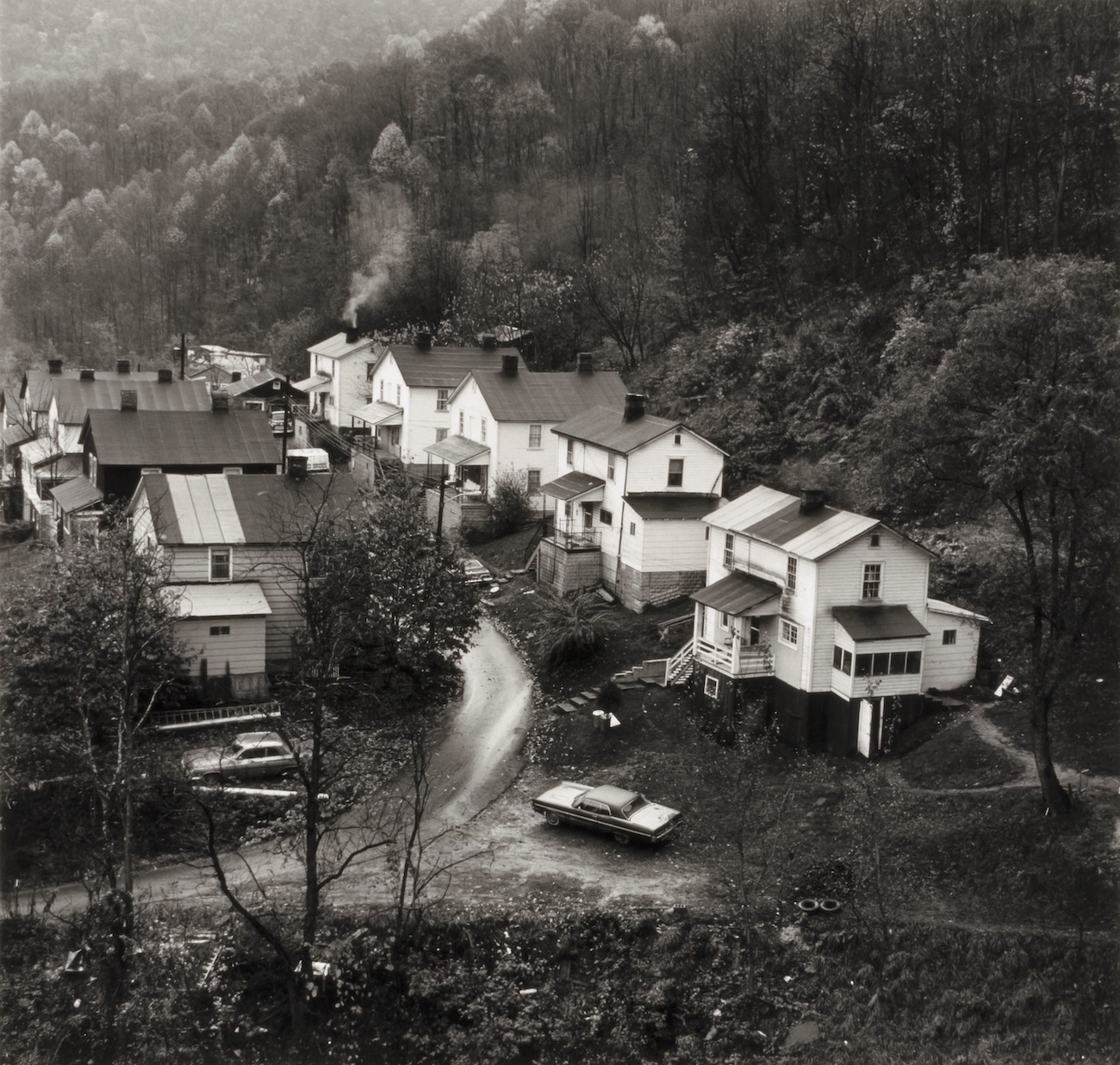
Ted Wathen, Former Company Houses, Jenkins, Letcher County, Kentucky, 1975, Smithsonian American Art Museum, Transfer from the National Endowment for the Arts, 1983.63.1614, © 1975, Ted Wathen
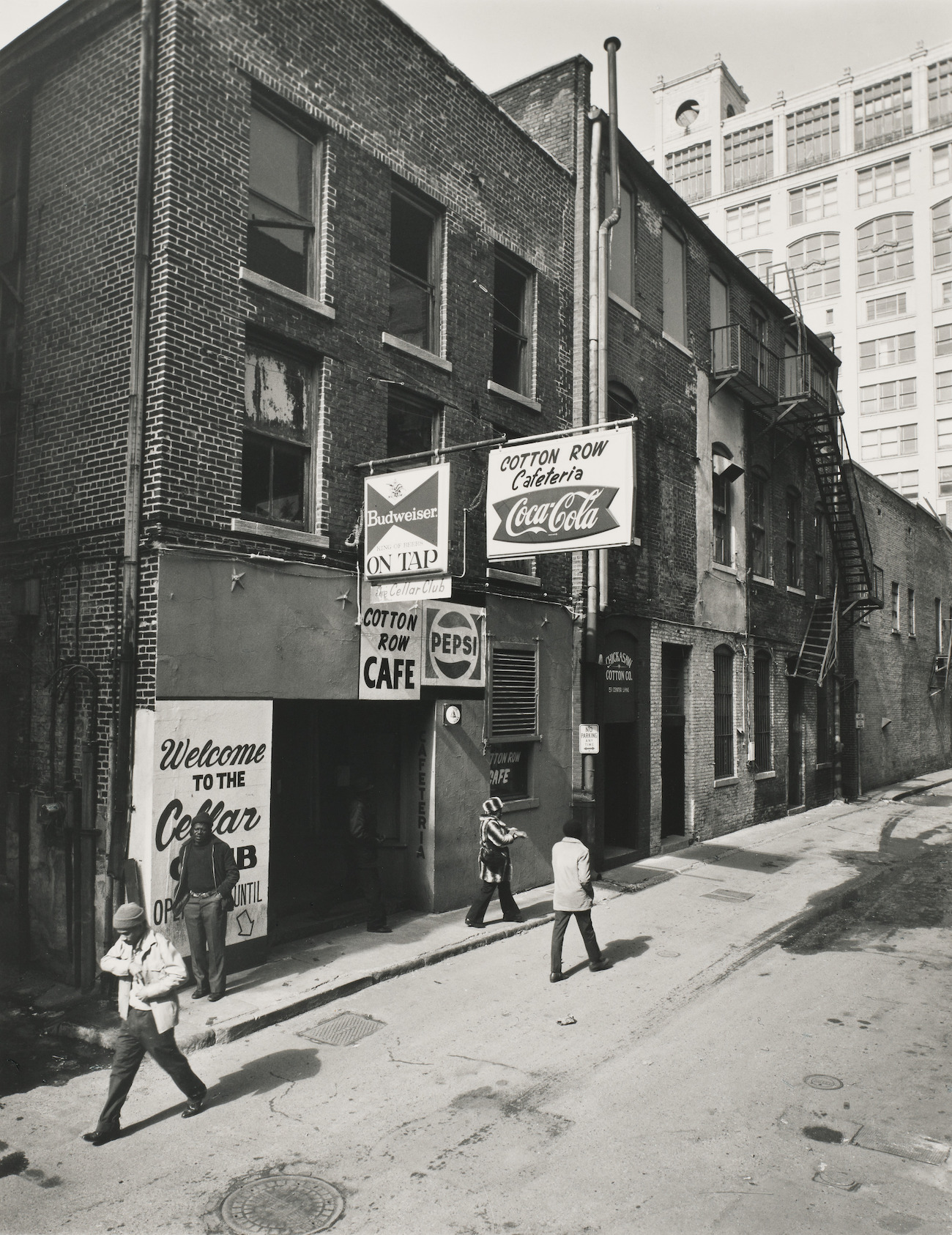
Robert Townsend Jones Jr., Cotton Row Cafeteria, Center Lane Alley, Memphis, TN, February 1978, 1978, printed 2025, gelatin silver print, Smithsonian American Art Museum, Museum purchase, 2026.6.4
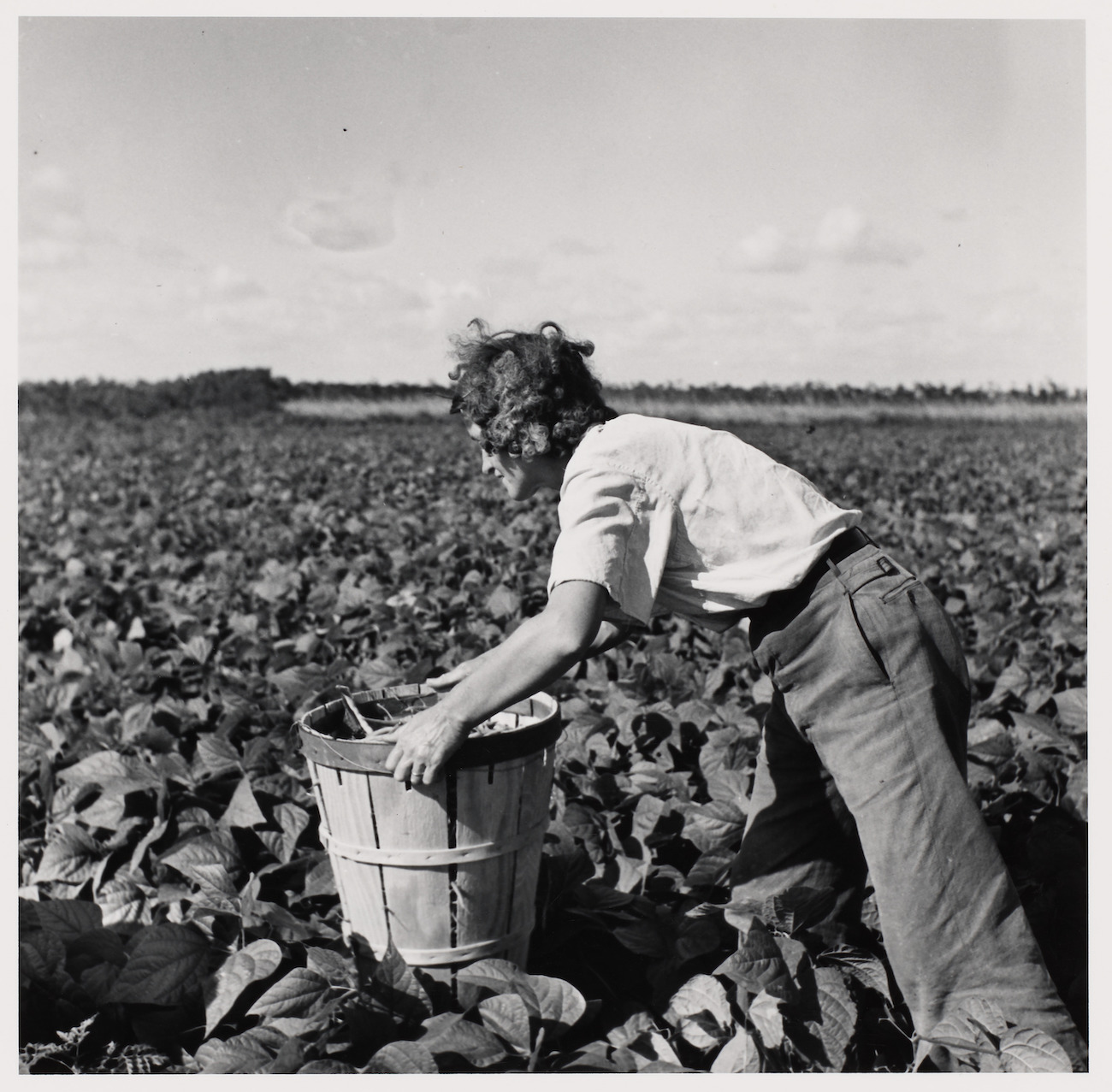
Marion Post Wolcott, A woman from New Jersey picking beans. Hampers are heavy and must be moved along as one picks. Homestead, Florida, 1939, printed later, gelatin silver print, Smithsonian American Art Museum, Gift of Dr. John H. and Jann Arrington Wolcott, 1998.120.46
Previously unseen images reveal how neighborhoods and cities, including Memphis and Atlanta, were changing in the late 1970s.
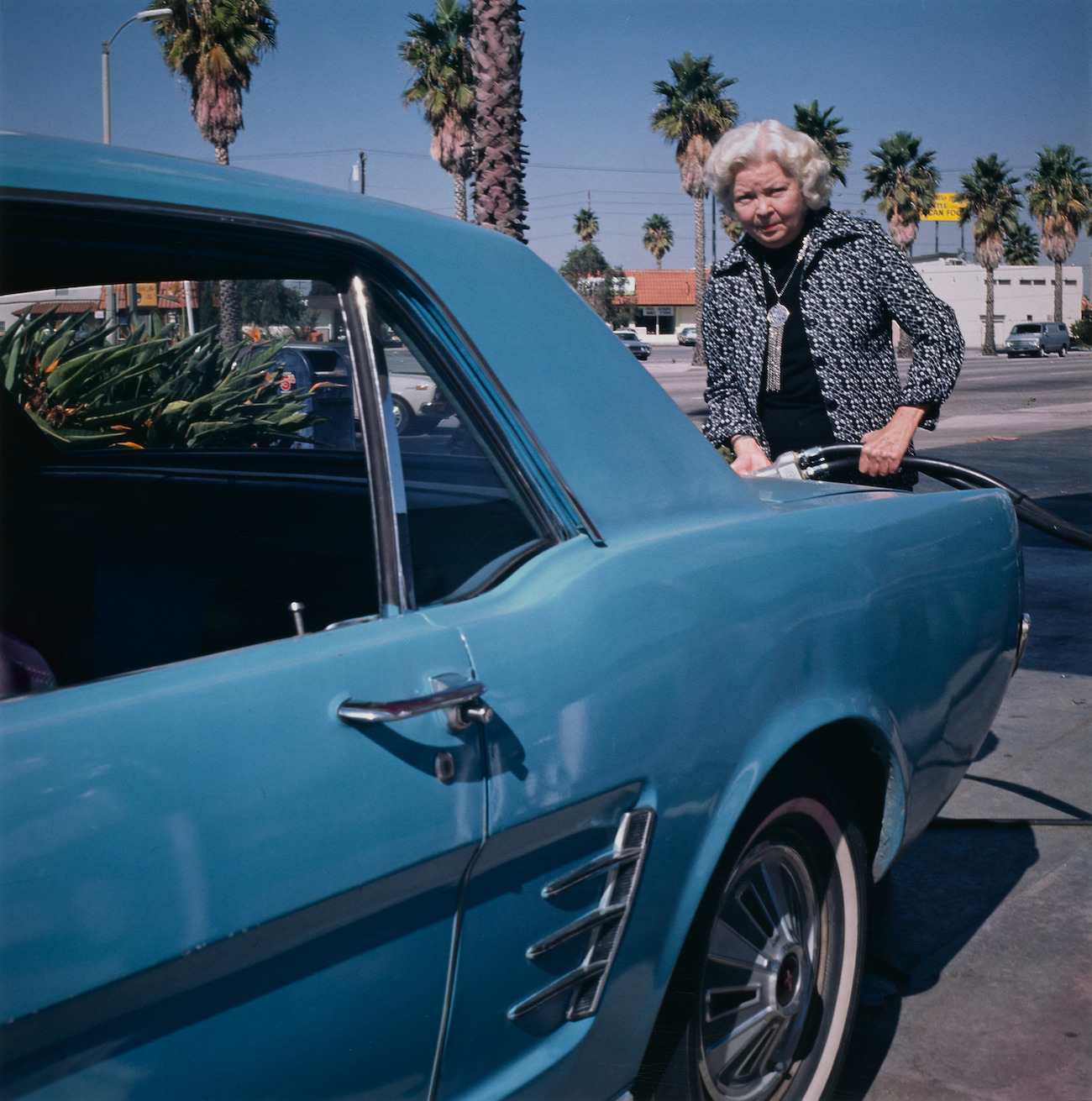
Kenneth McGowan, Self-Service, from the Long Beach Documentary Survey Project, 1979, chromogenic print, Smithsonian American Art Museum, Transfer from the National Endowment for the Arts, 1983.63.929, ©1980, Kenneth McGowan
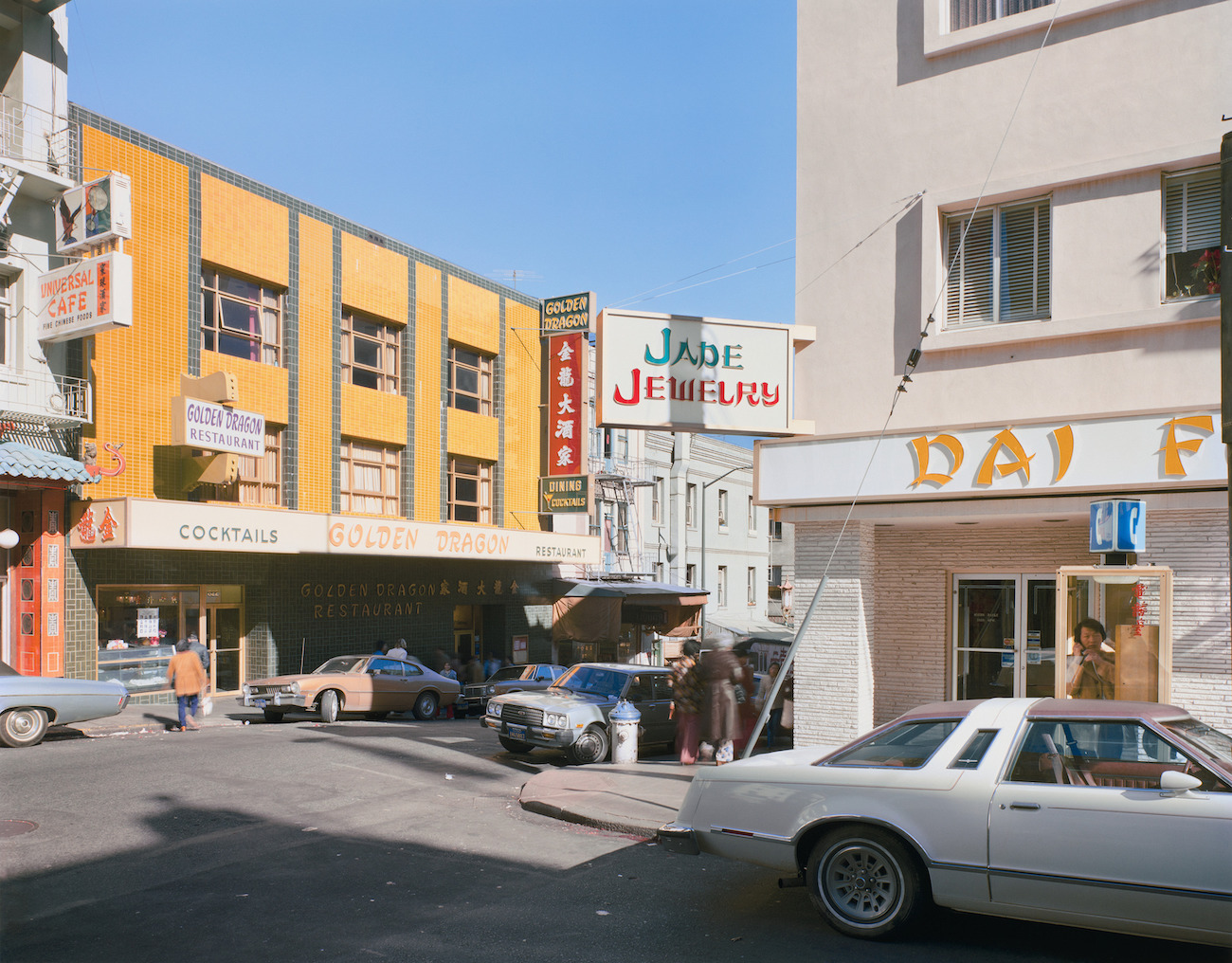
Reagan Louie, Golden Dragon Restaurant, Washington and Waverly, 1979, printed 2025, inkjet print, Smithsonian American Art Museum, Gift of Lucille and Richard Spagnuolo and museum purchase through the Samuel and Blanche Koffler Acquisition Fund, 2026.13.10, © 2026, Reagan Louie
The exhibition spans four U.S. regions, revisiting historic landscapes and documenting the communities that shape the nation.
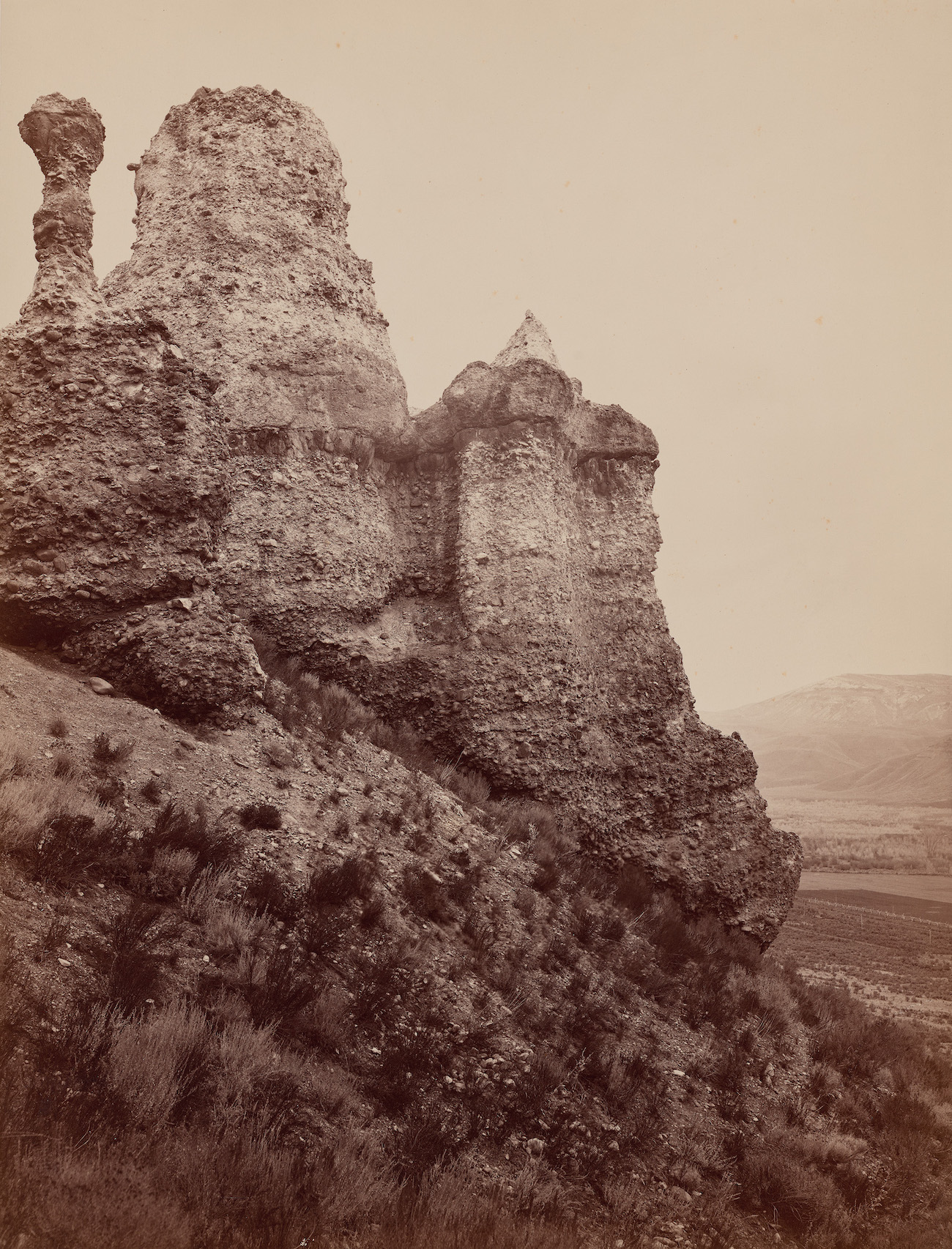
Carleton E. Watkins, Witches Rock, near Echo City, Utah, 1873, albumen silver print, Smithsonian American Art Museum, Gift of Dr. and Mrs. Charles T. Isaacs, 1994.89.4
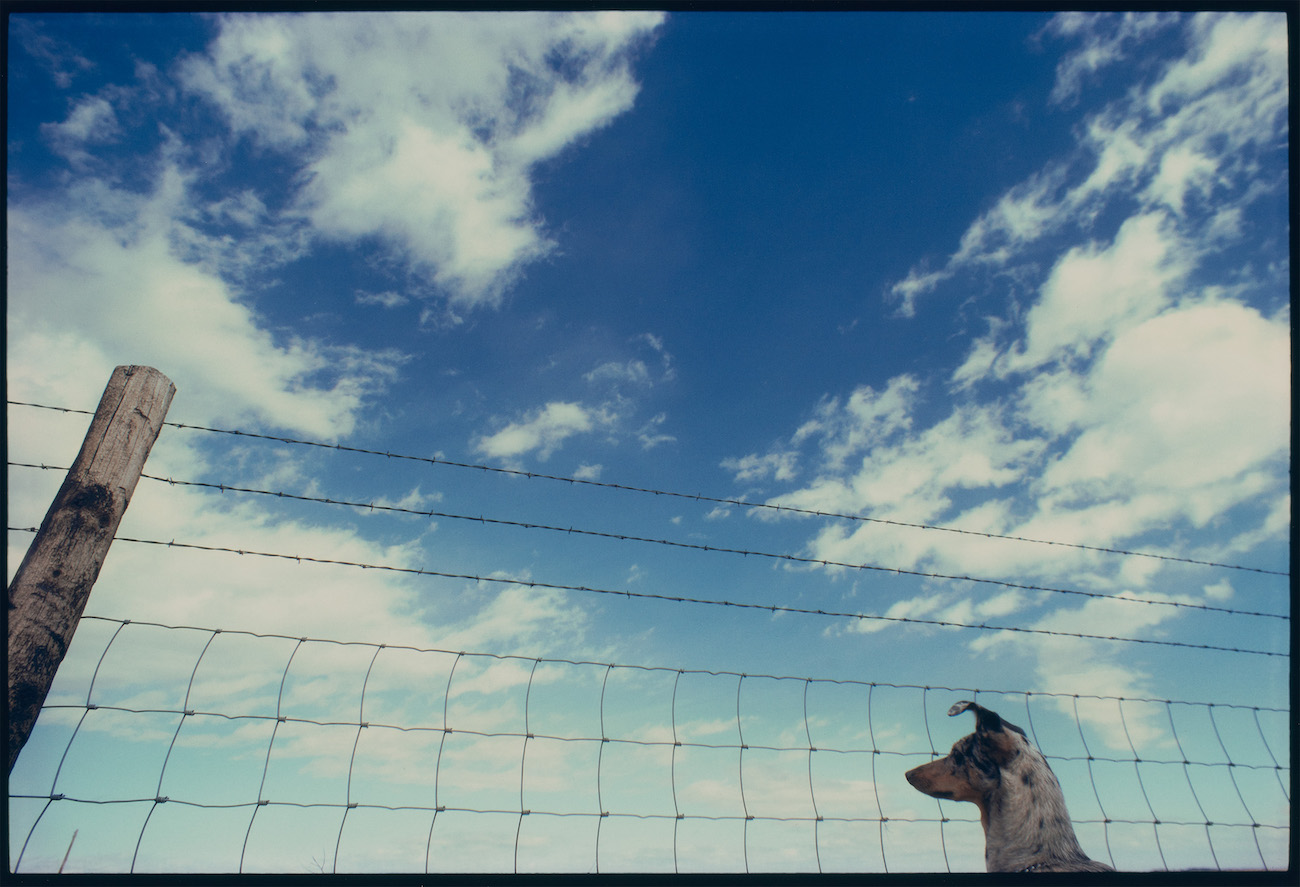
Penny Wolin, Jackalopes, Cowboys and Coalmines: A Photographic Survey of Energy Development in Wyoming, 1979, chromogenic color print, Transfer from the National Endowment for the Arts, 1983.63.1680
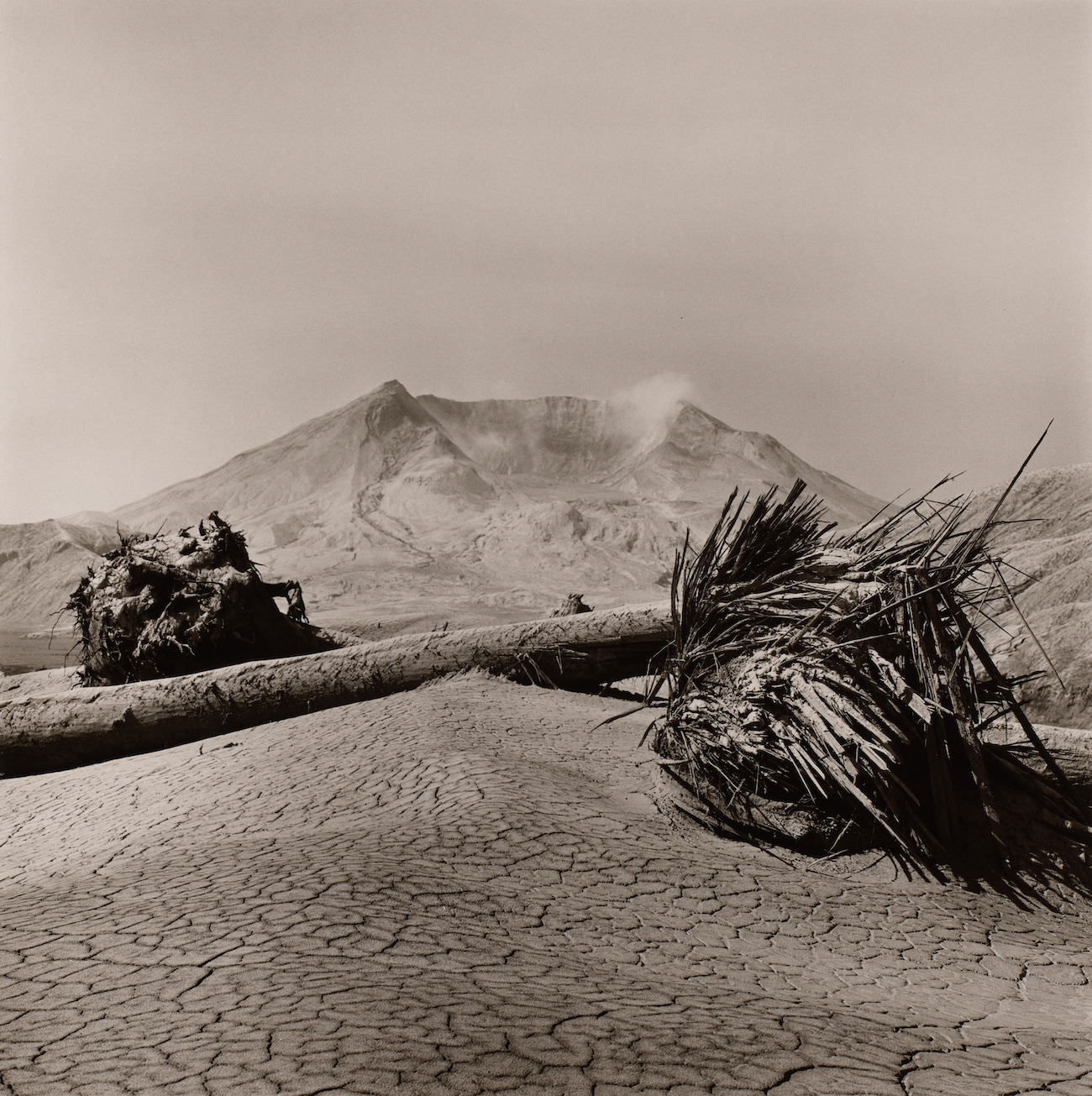
Emmet Gowin
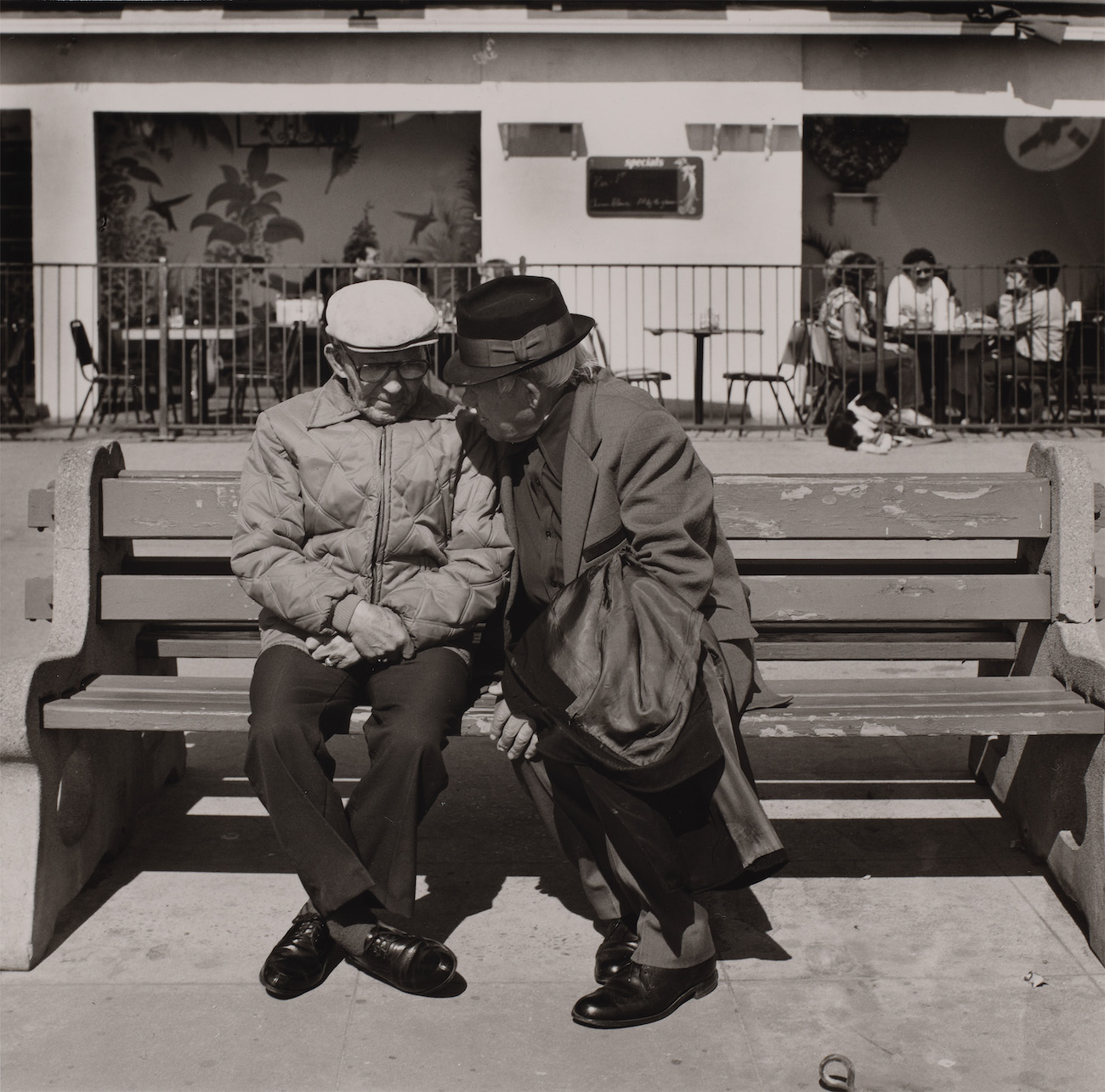
Linda Eber, Did You Know?, Ocean Front Walk, 1982, gelatin silver print, Smithsonian American Art Museum, Transfer from the National Endowment for the Arts, 1983.63.406, © 1982 Linda J. Eber