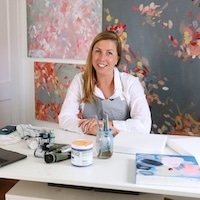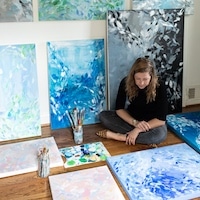
For artist Sara Silks, the natural world has always sparked curiosity and inspiration. Growing up exploring the woods and waterways of the Ozarks in the Midwestern United States, she developed a deep connection to the landscape. Today, that familiarity informs her growing concern over the environmental changes taking place around her.
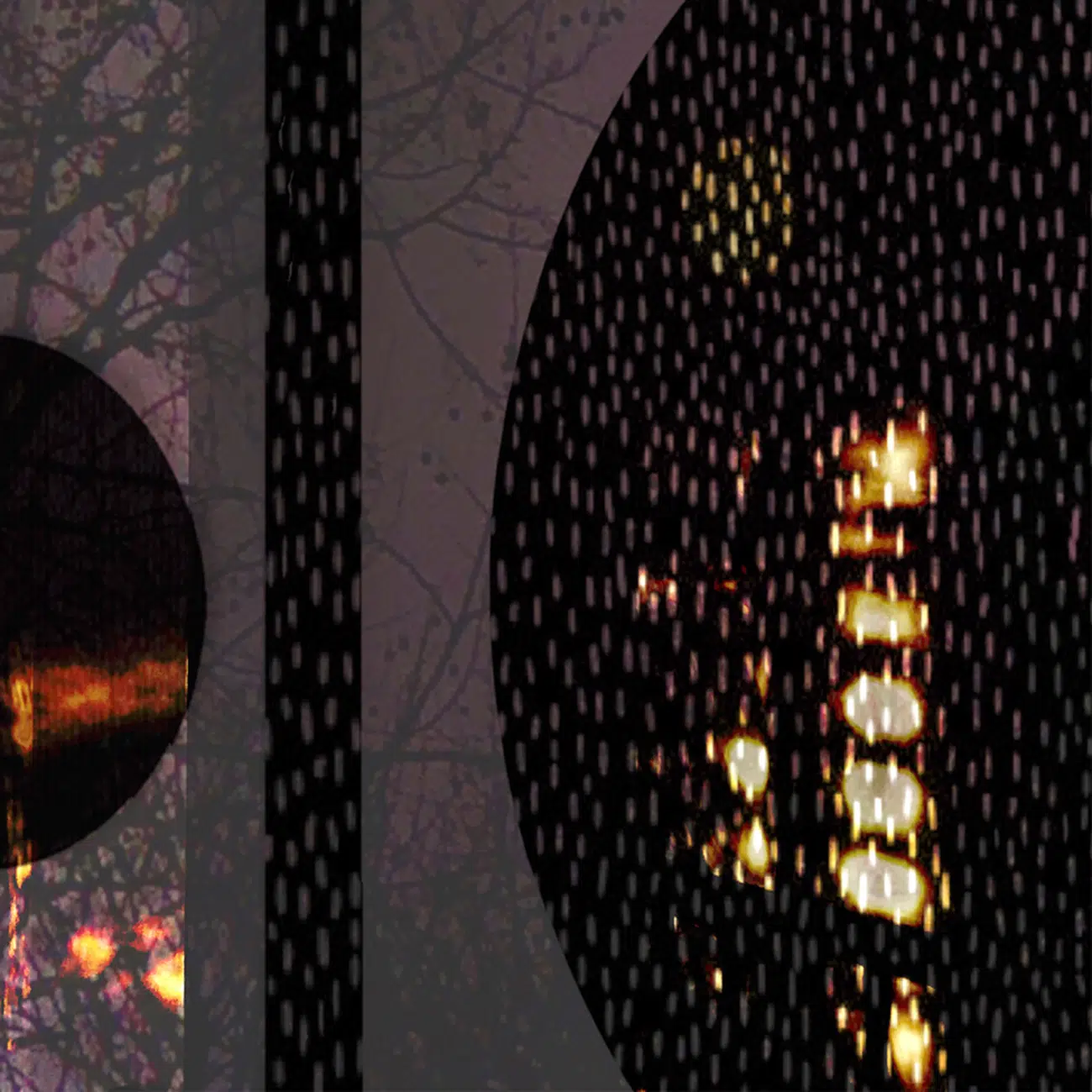
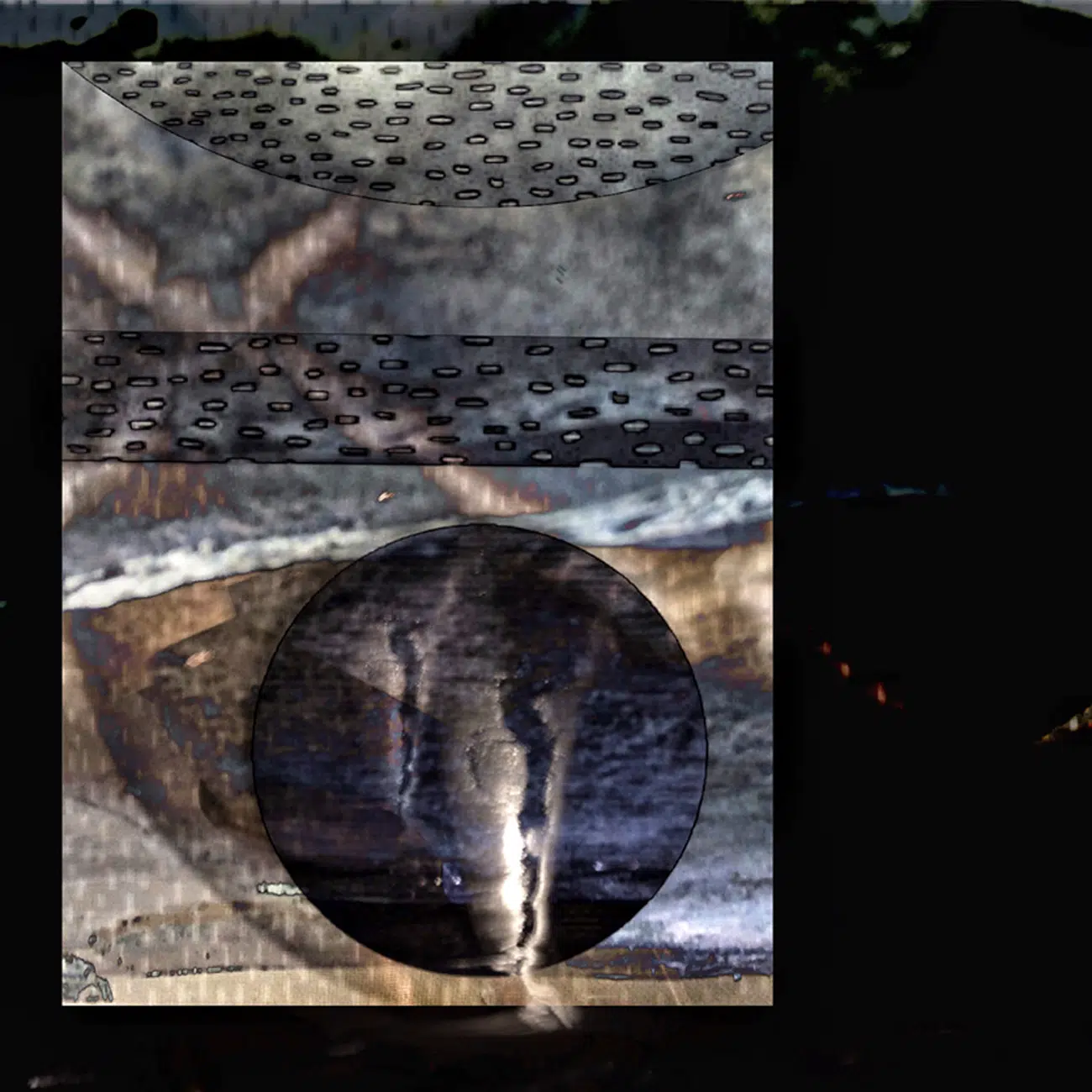
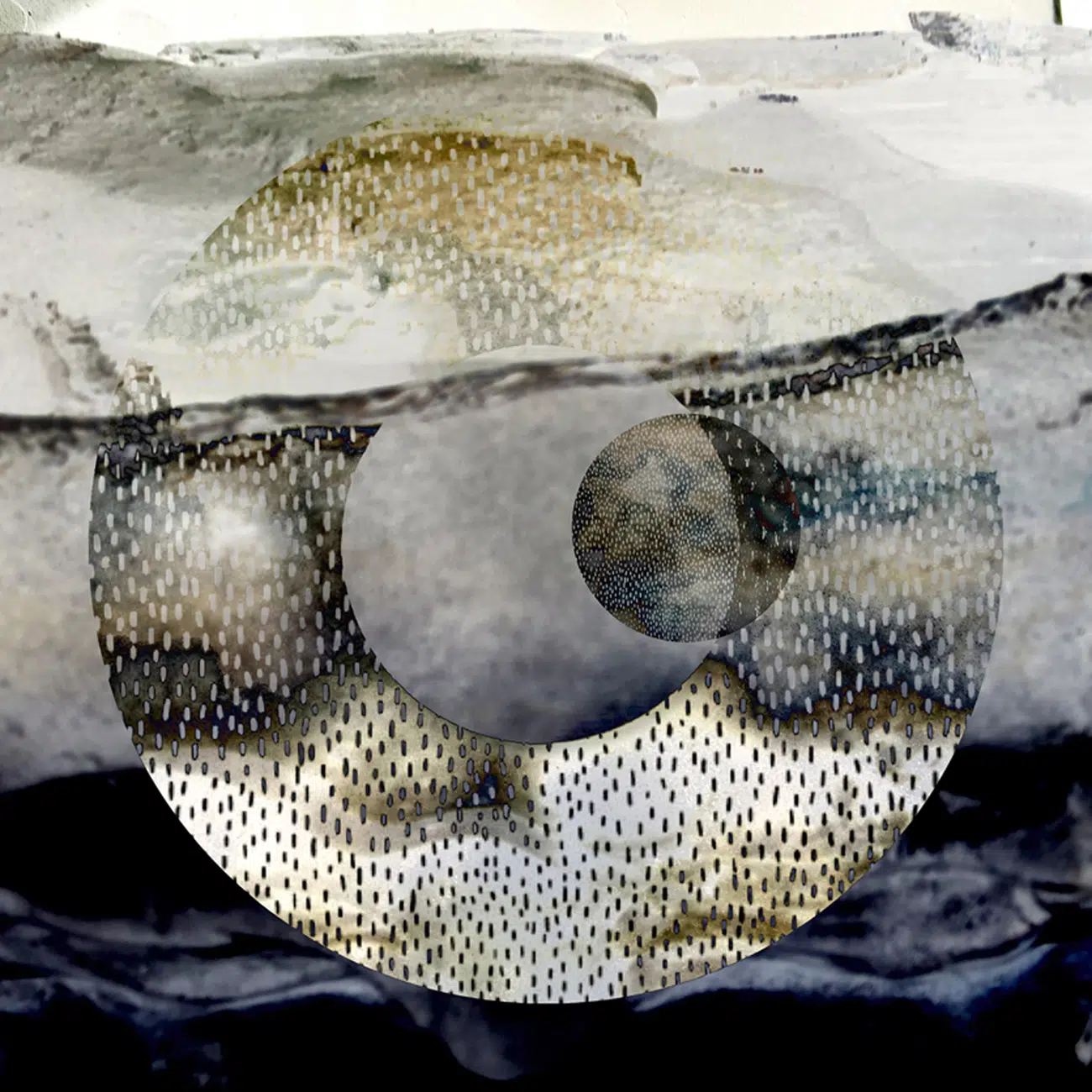
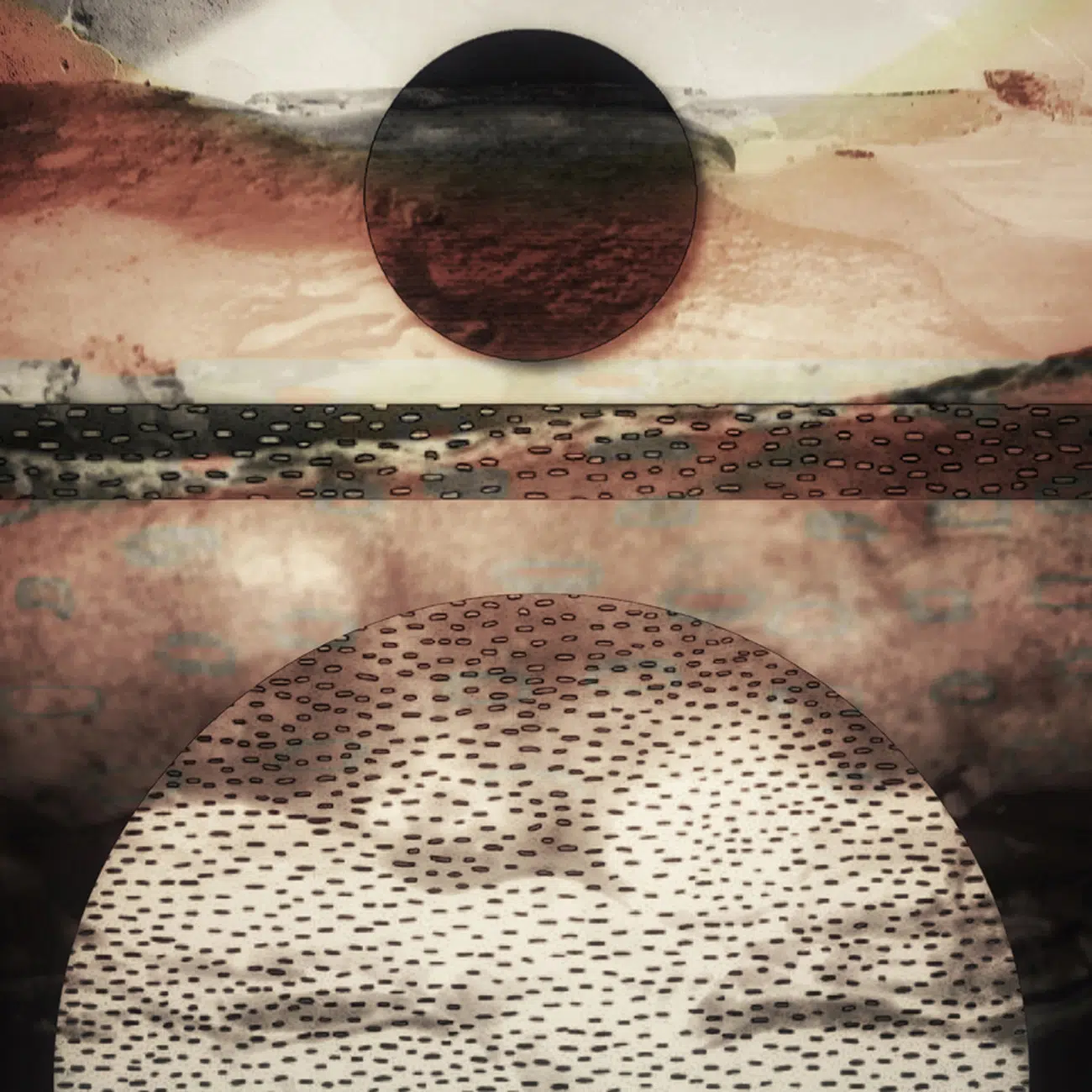
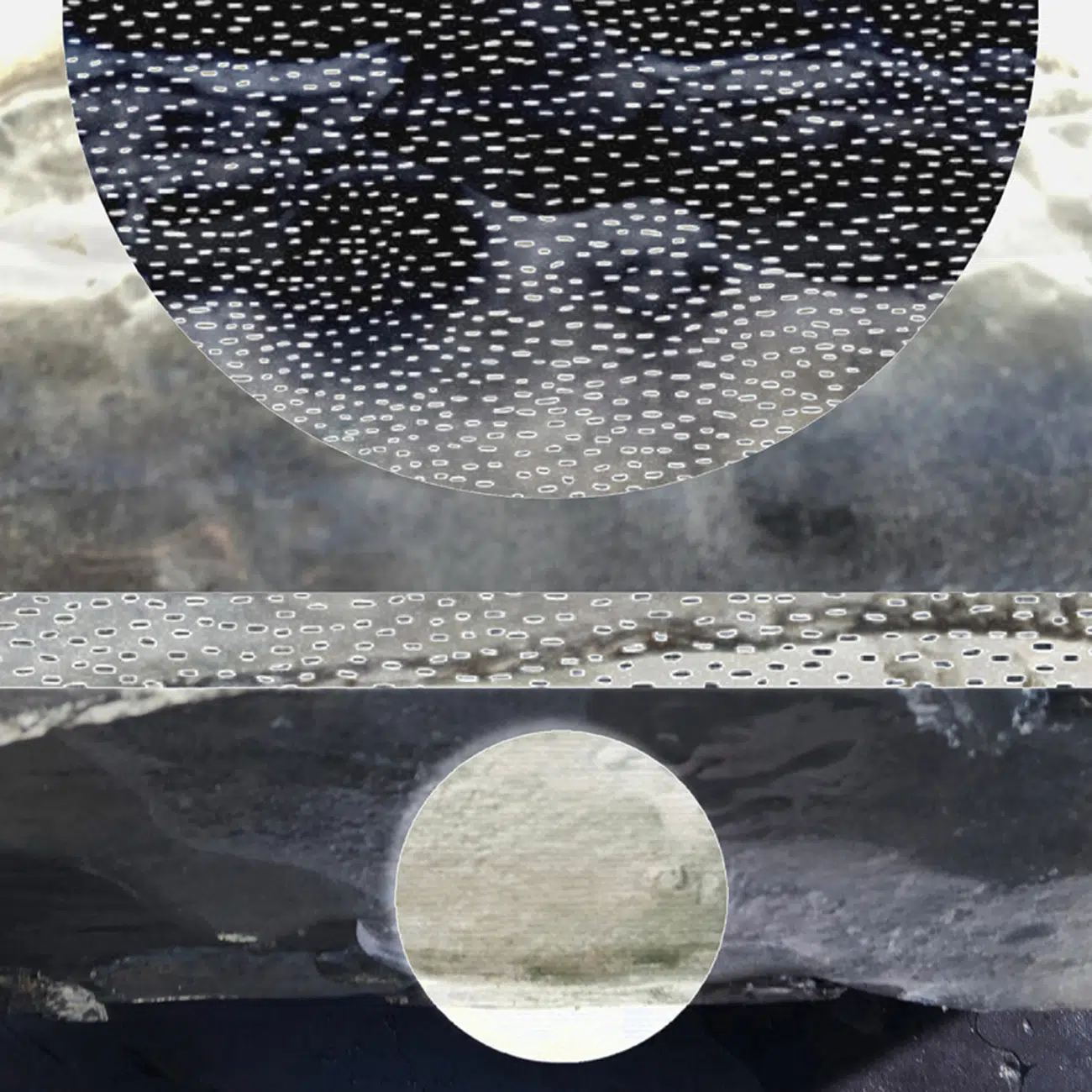
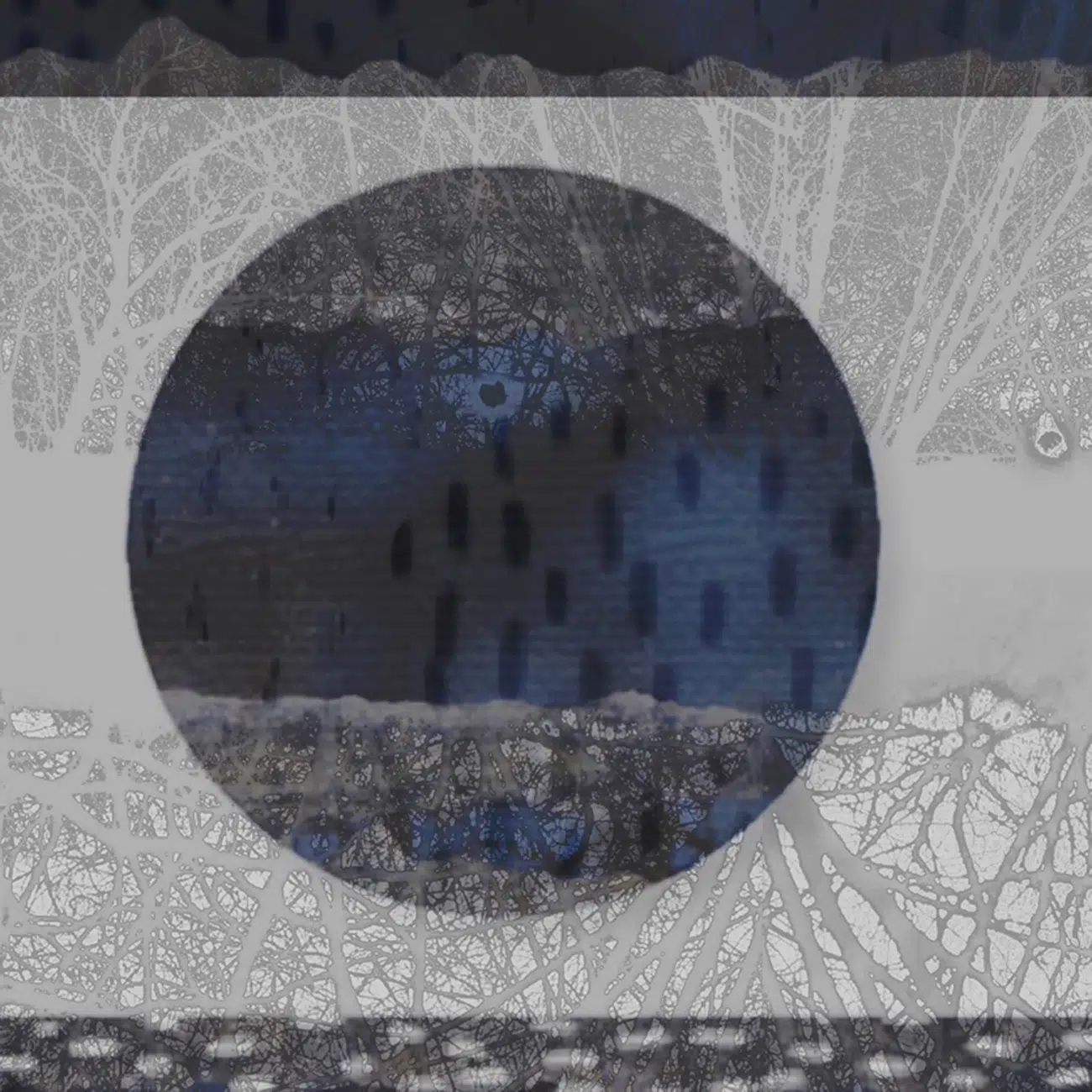
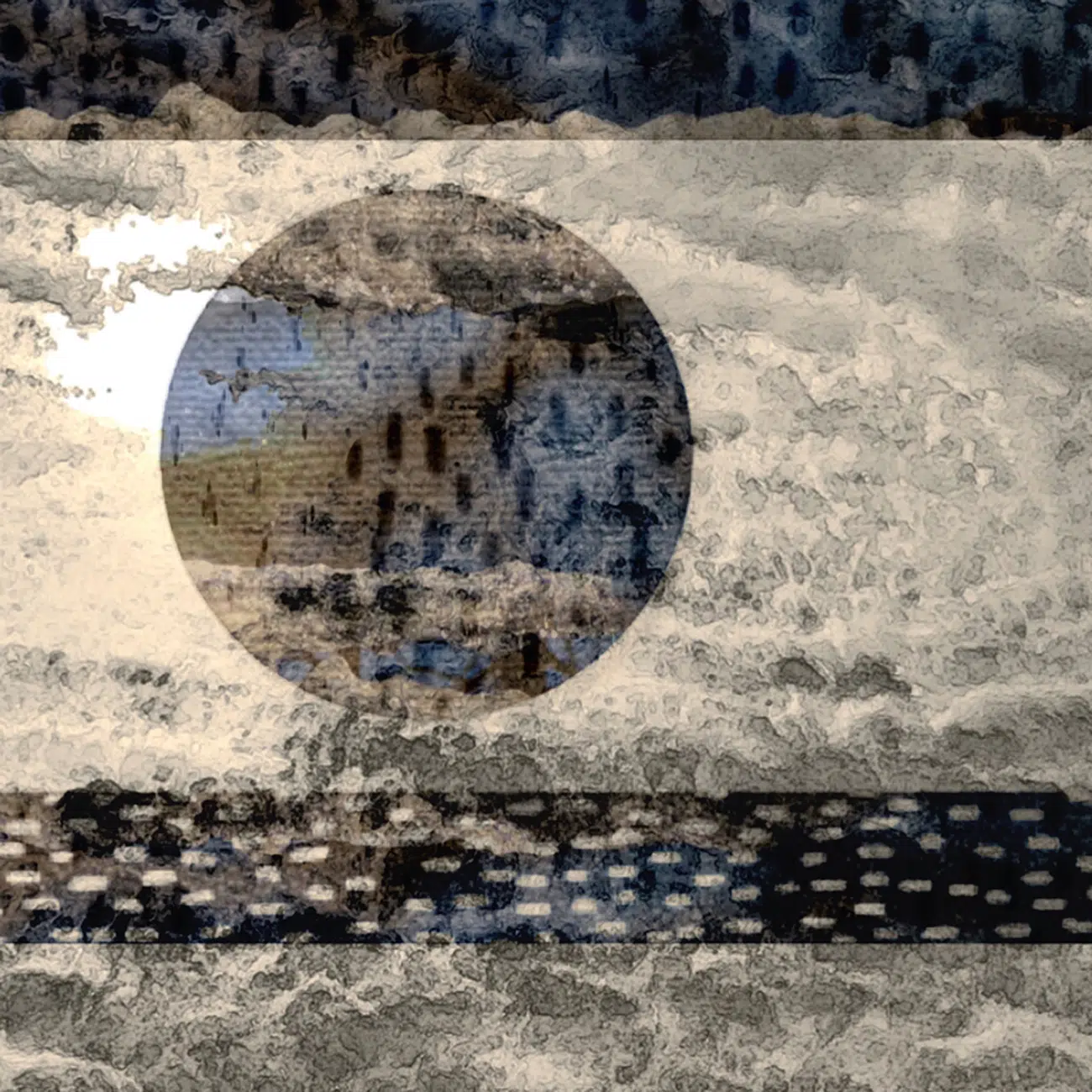
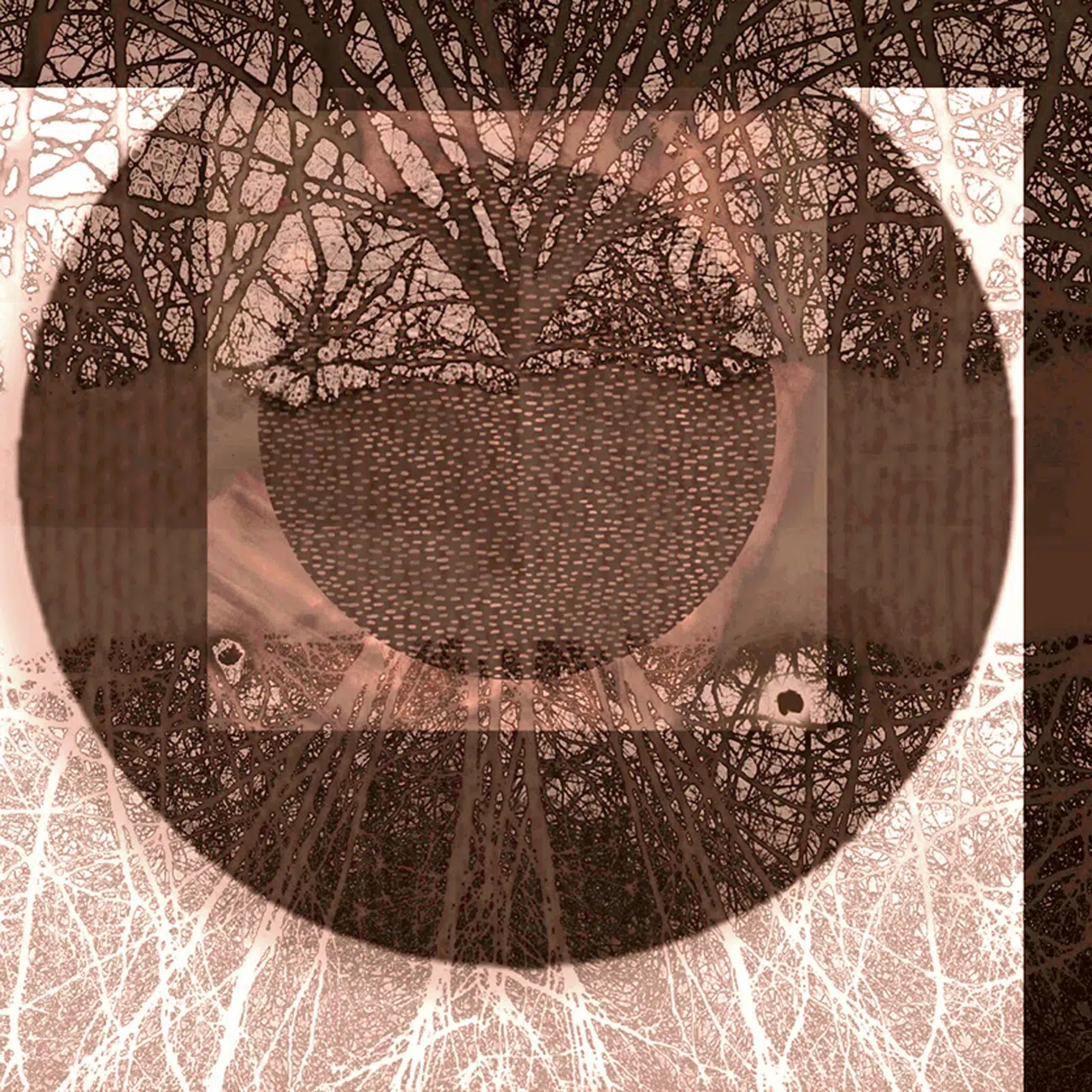
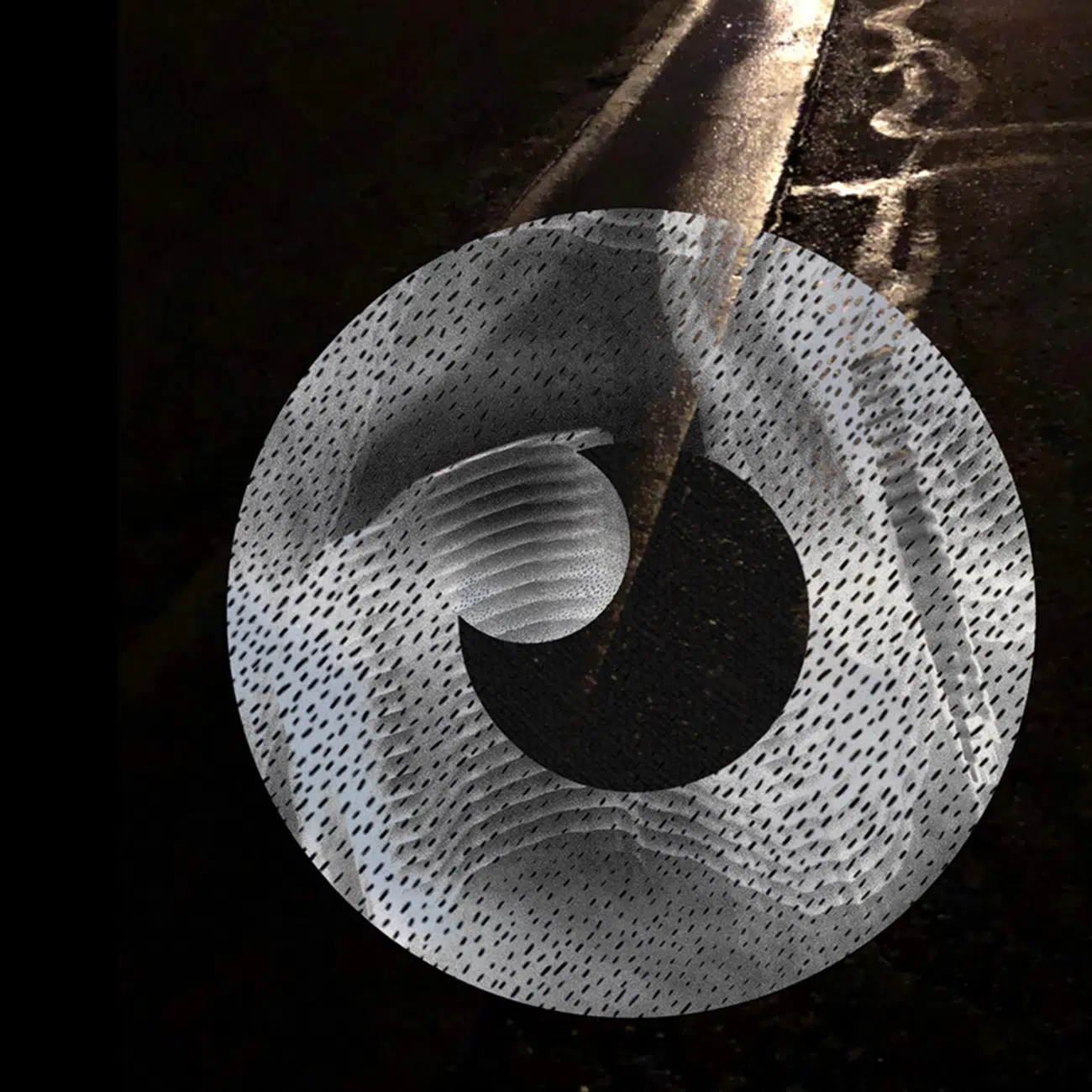
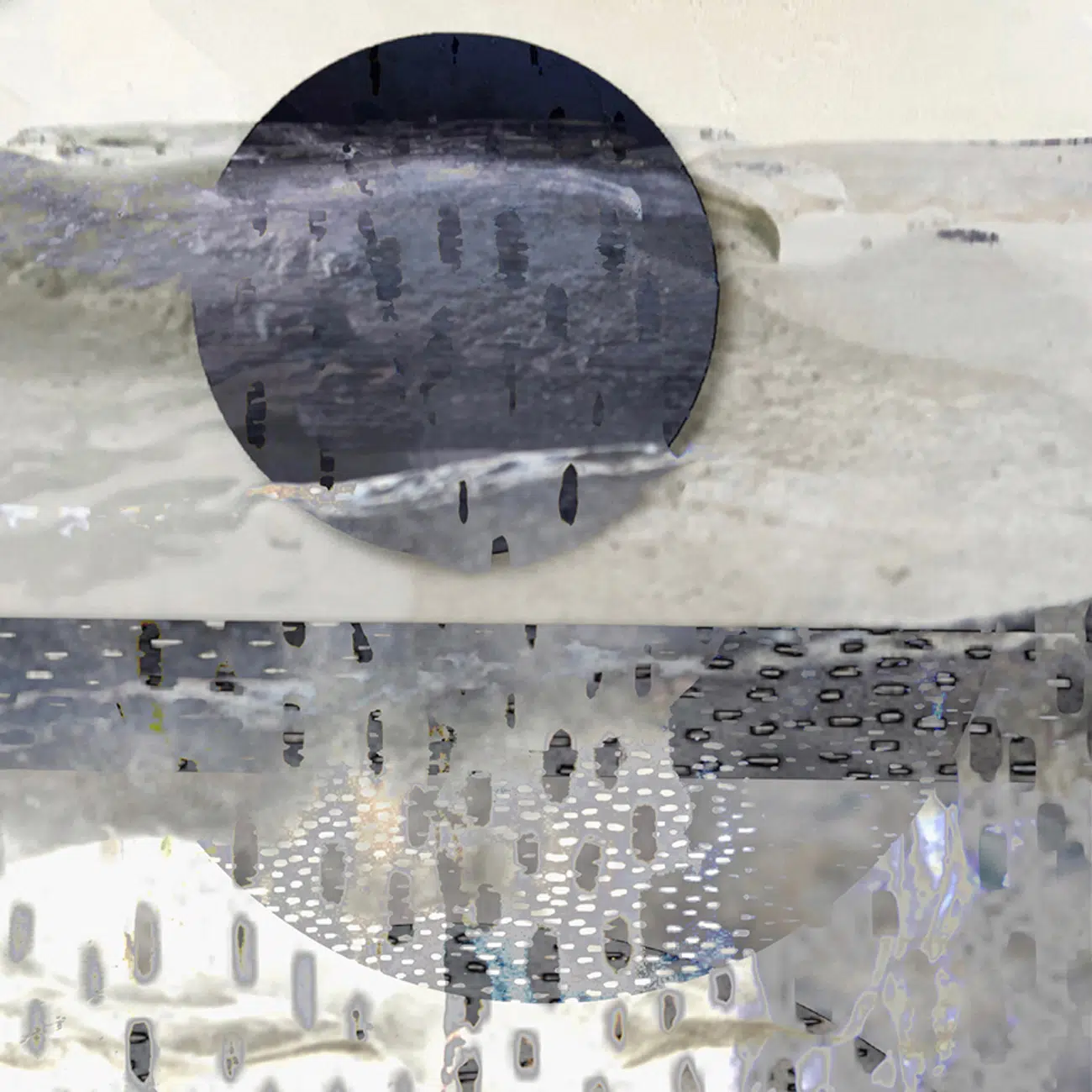
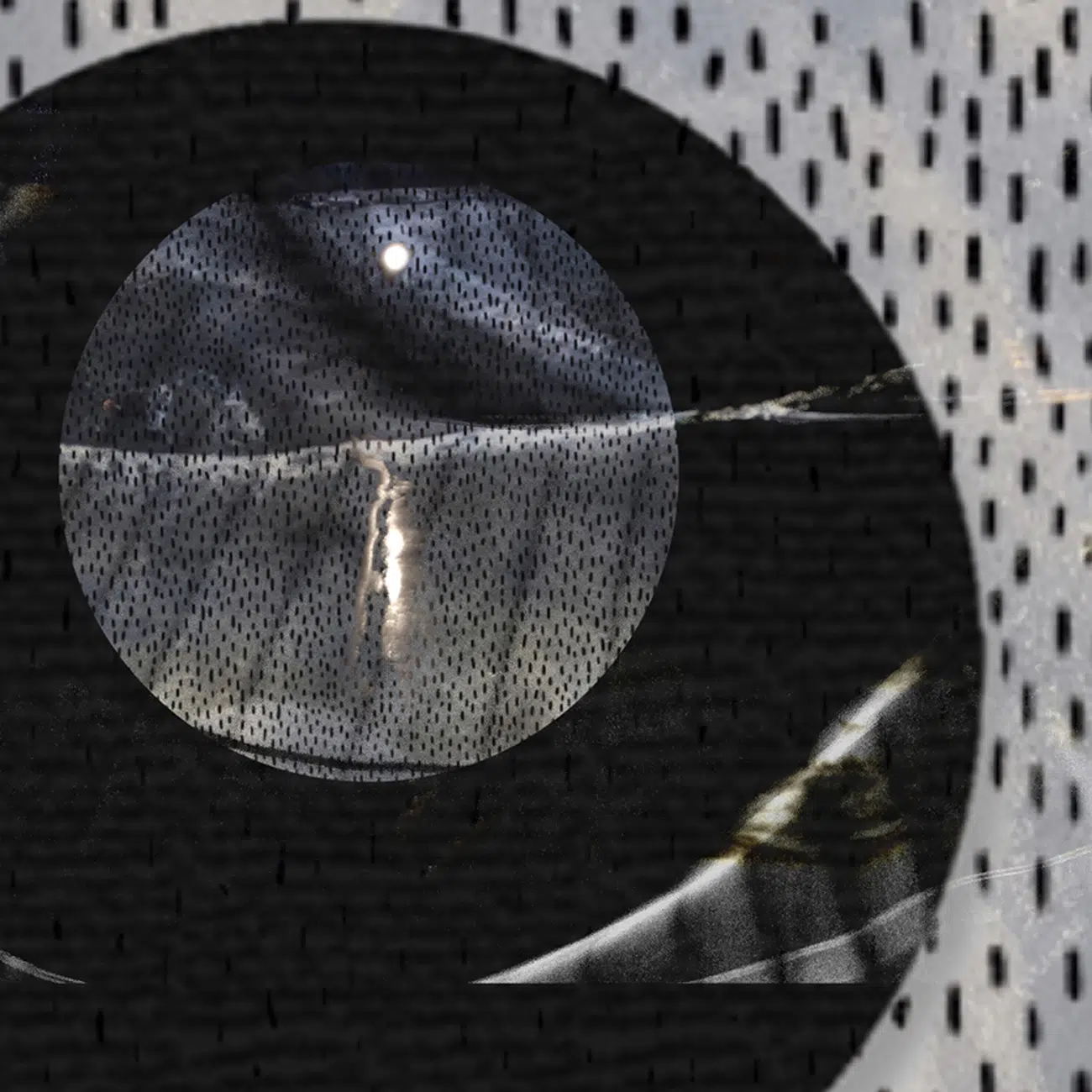
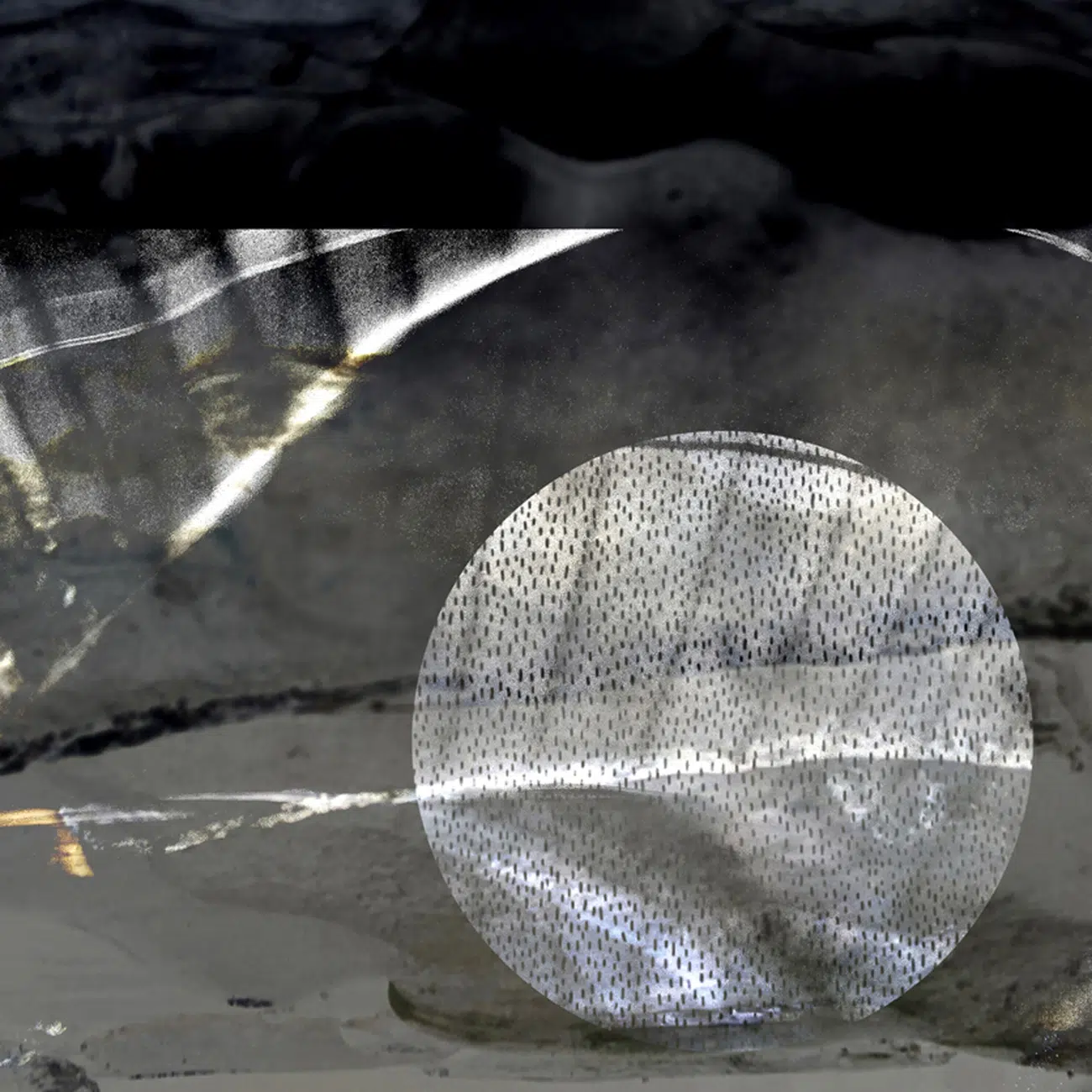
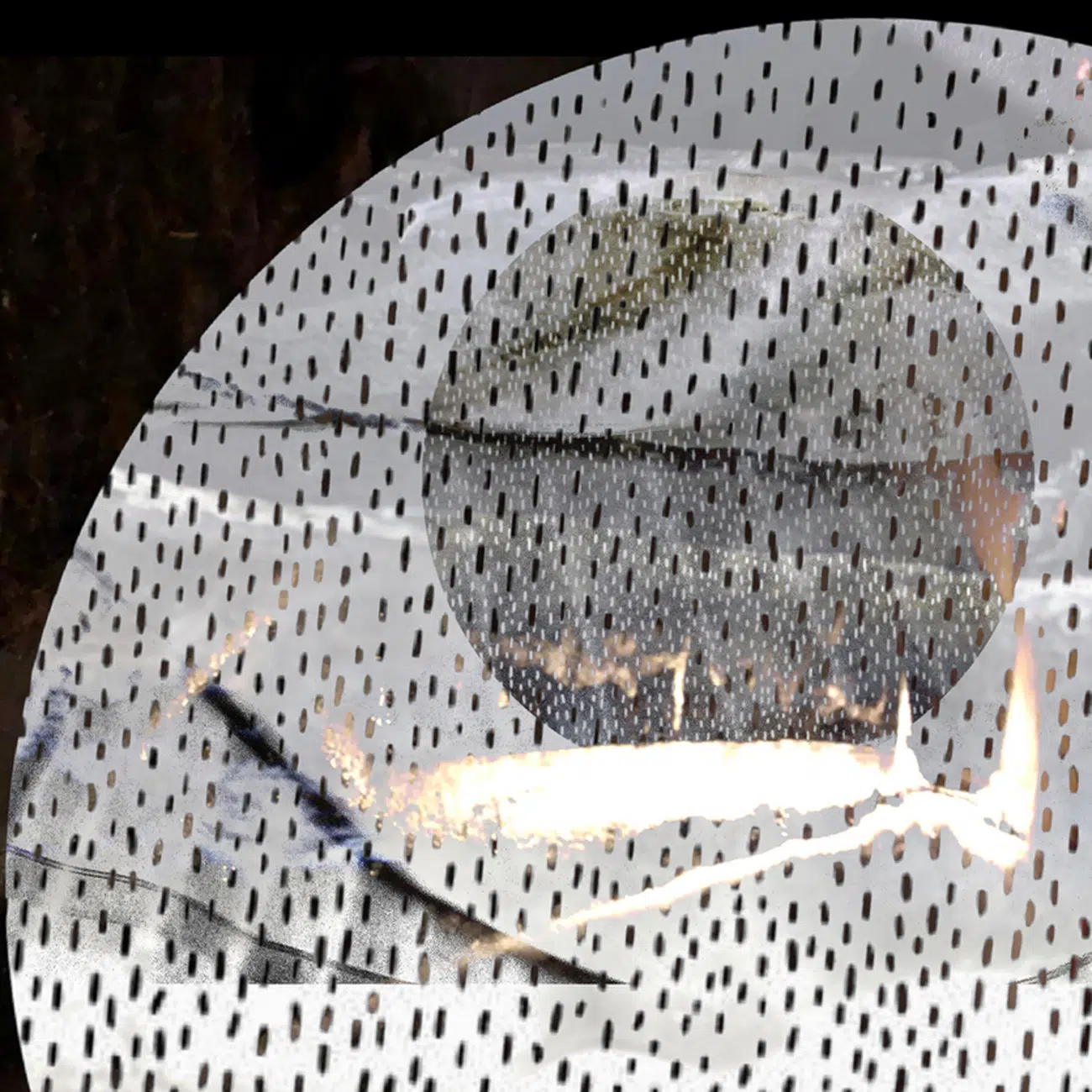
Her series Warming Effects explores these changes through layered photographic compositions that combine images of extreme weather with geometric shapes and intricate patterns. Photographs of ice, fire, storms, and other natural phenomena become the foundation for abstract arrangements that explore the tension between nature’s visual beauty and the uncertainty of a changing climate.
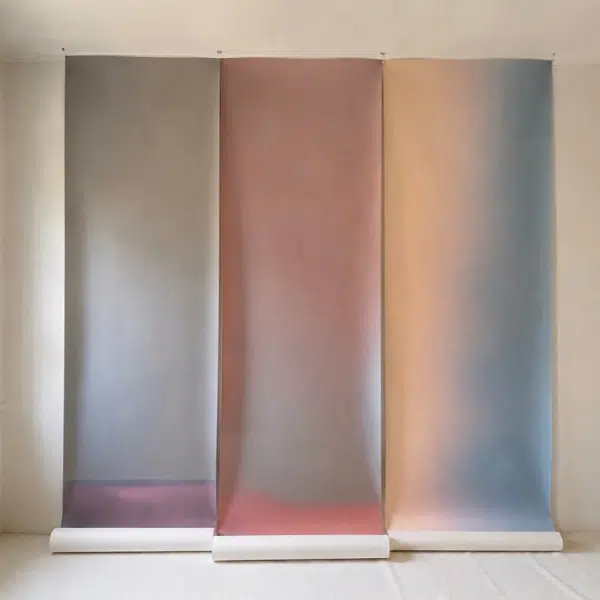
Silks approaches photography as an experimental process, drawing on her background in drawing and printmaking to move beyond traditional documentation. She prints her compositions on handmade Unryu washi paper and applies a labor-intensive cold wax finish, giving each work a distinctive tactile surface.
My Modern Met had the chance to speak with Silks about the inspiration behind Warming Effects, her intuitive approach to image-making, and how she uses photography to navigate her concerns about the environment. Read on for our exclusive interview with the artist.
How has your lifelong relationship with the Ozark landscape shaped the way you photograph it, particularly as climate change alters the natural world you know?
My relationship with the Ozarks began long before I thought of photographing it. As a child, I spent endless summer days exploring the hilly woods and lake water, often alone. I had the freedom to investigate whatever caught my attention. Those hours of discovery and quiet observation created a feeling of oneness with the landscape that has stayed with me throughout my life.
When I photograph it, those memories are present in what I notice and how I respond. Changes in a place so deeply familiar feel personal. My concern for the landscape grows out of that attachment and increasingly finds its way into the work.
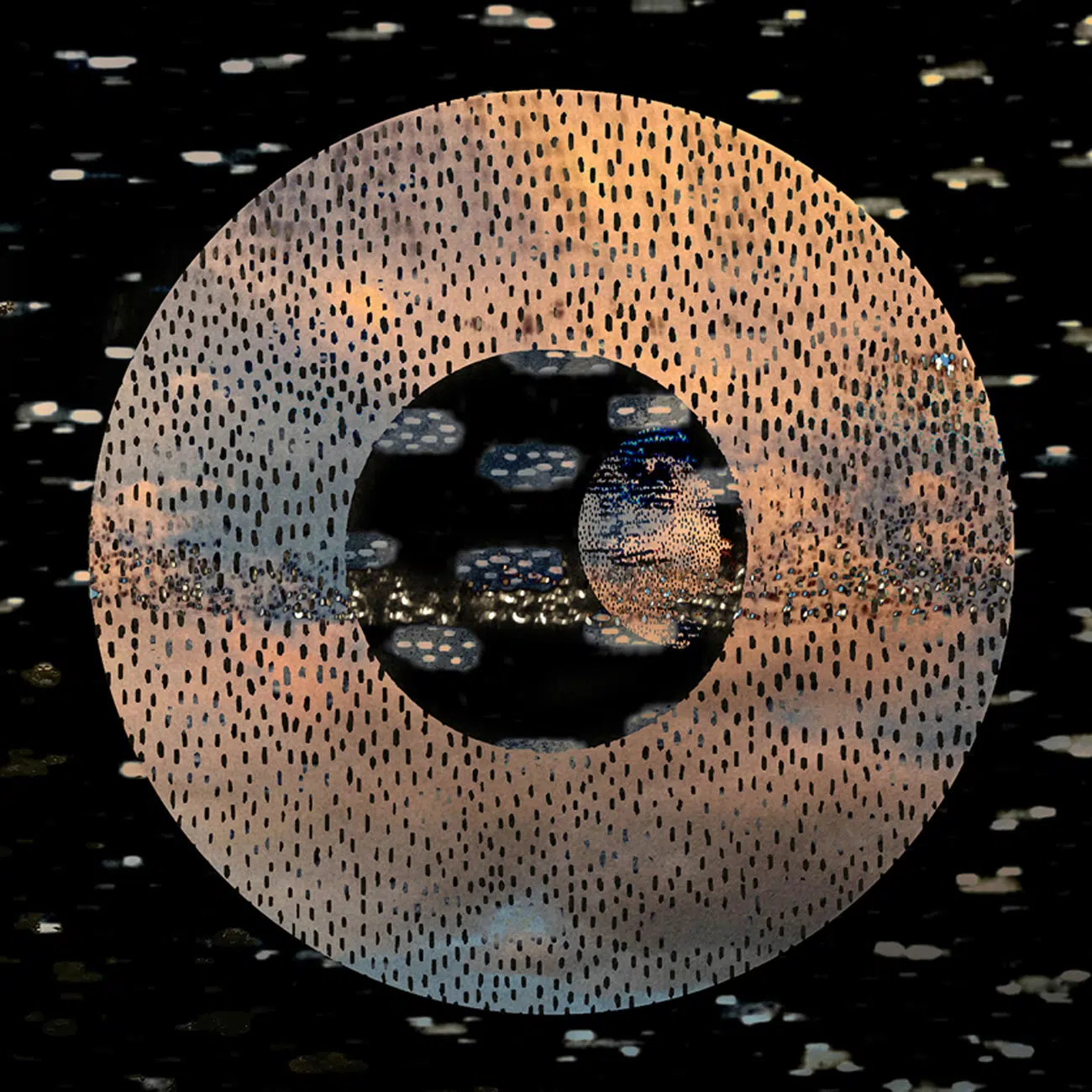
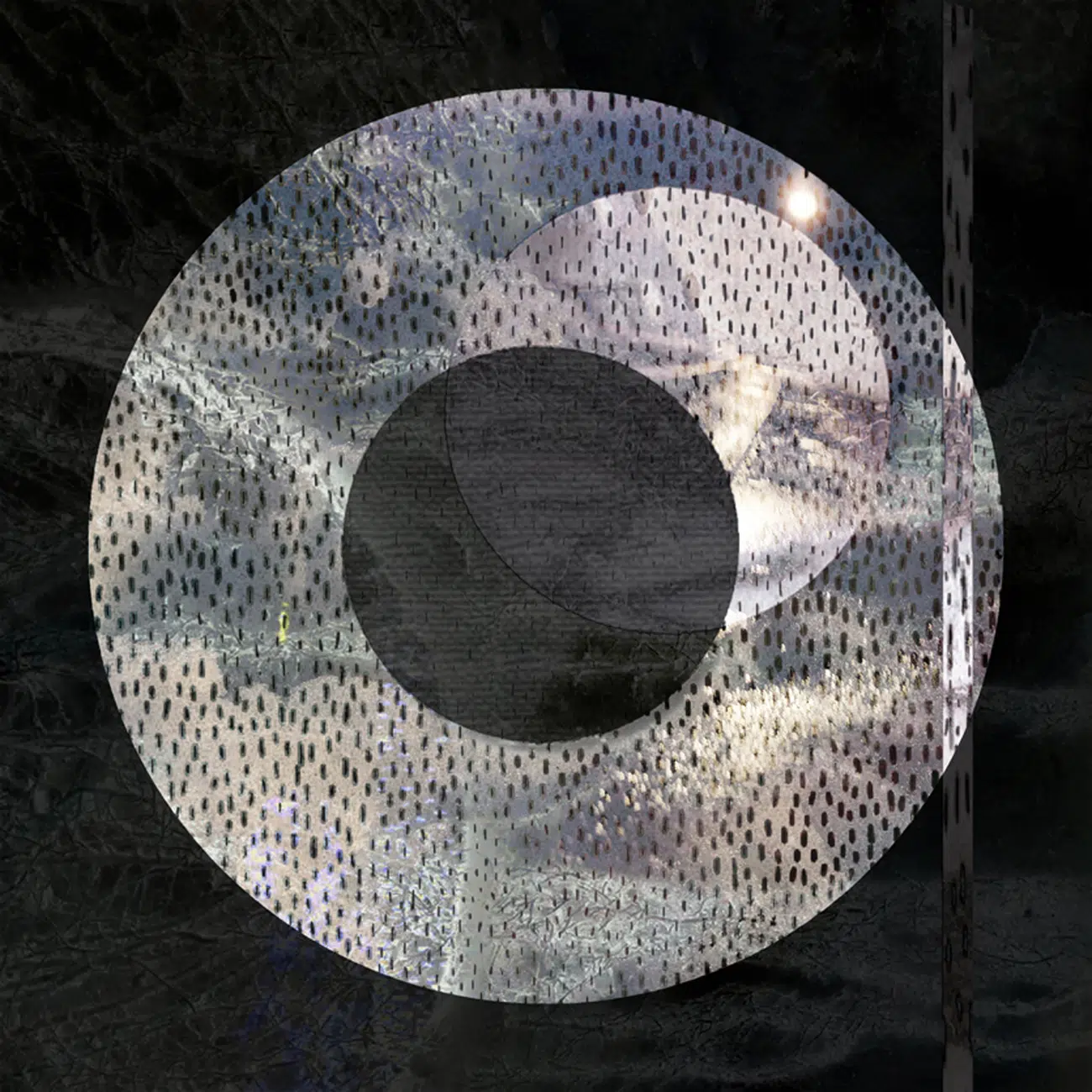
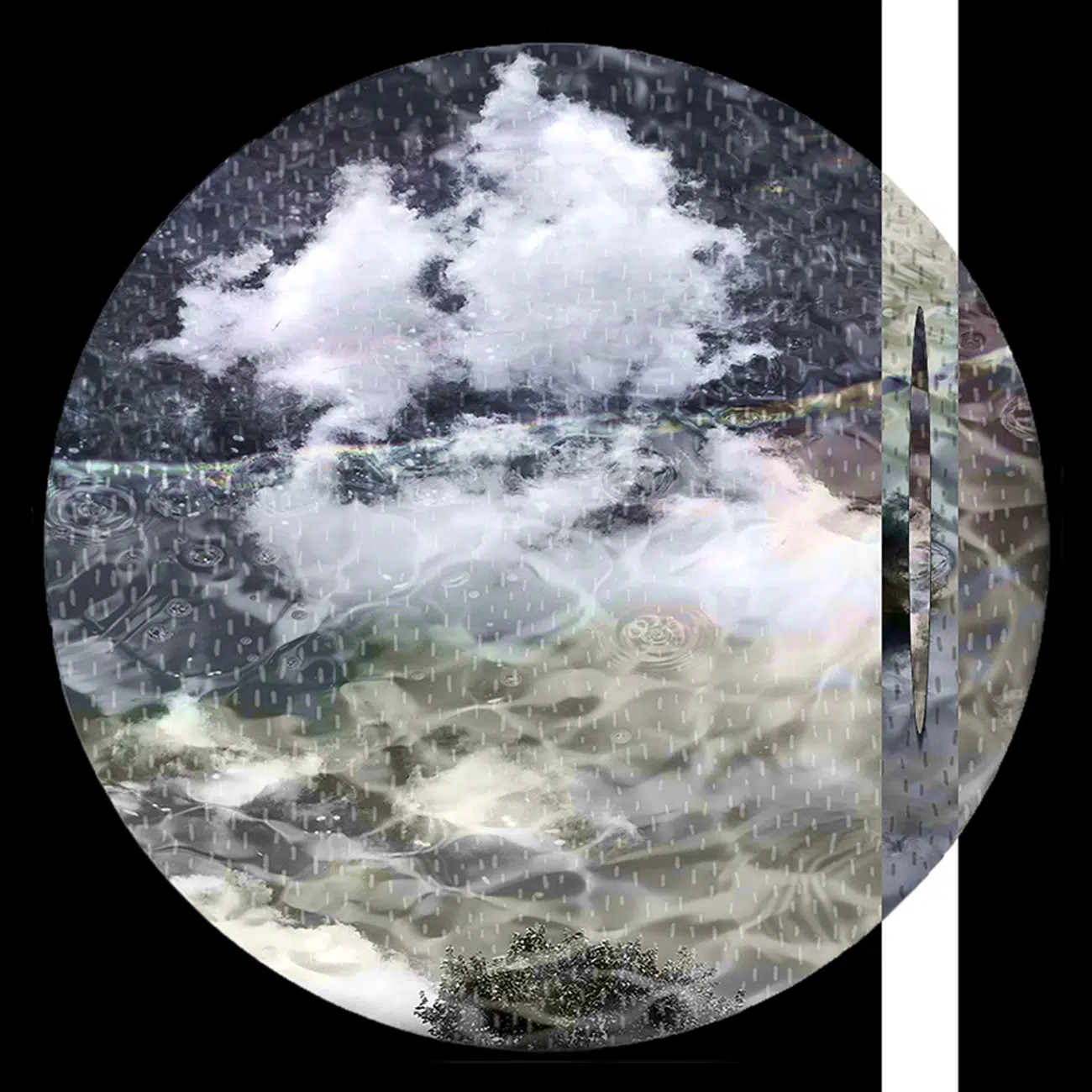
In Warming Effects, photographs of extreme weather become layered compositions of geometric forms and patterns. How do you move from documenting a landscape to expressing the emotions it evokes?
Most of my work begins as a type of sketching. I start with something I have observed or photographed, then explore what the image might become. The first Warming Effects composition began with a photograph of thick ice that had formed on my deck. I introduced spherical elements that suggested the globe, then a vertical rectangle that I thought of as a ruler measuring rising tides. Those additions gave my concerns a visual vocabulary.
My background in drawing and printmaking naturally enters the process, allowing the photograph to hold both the weather event and my emotional response to it.
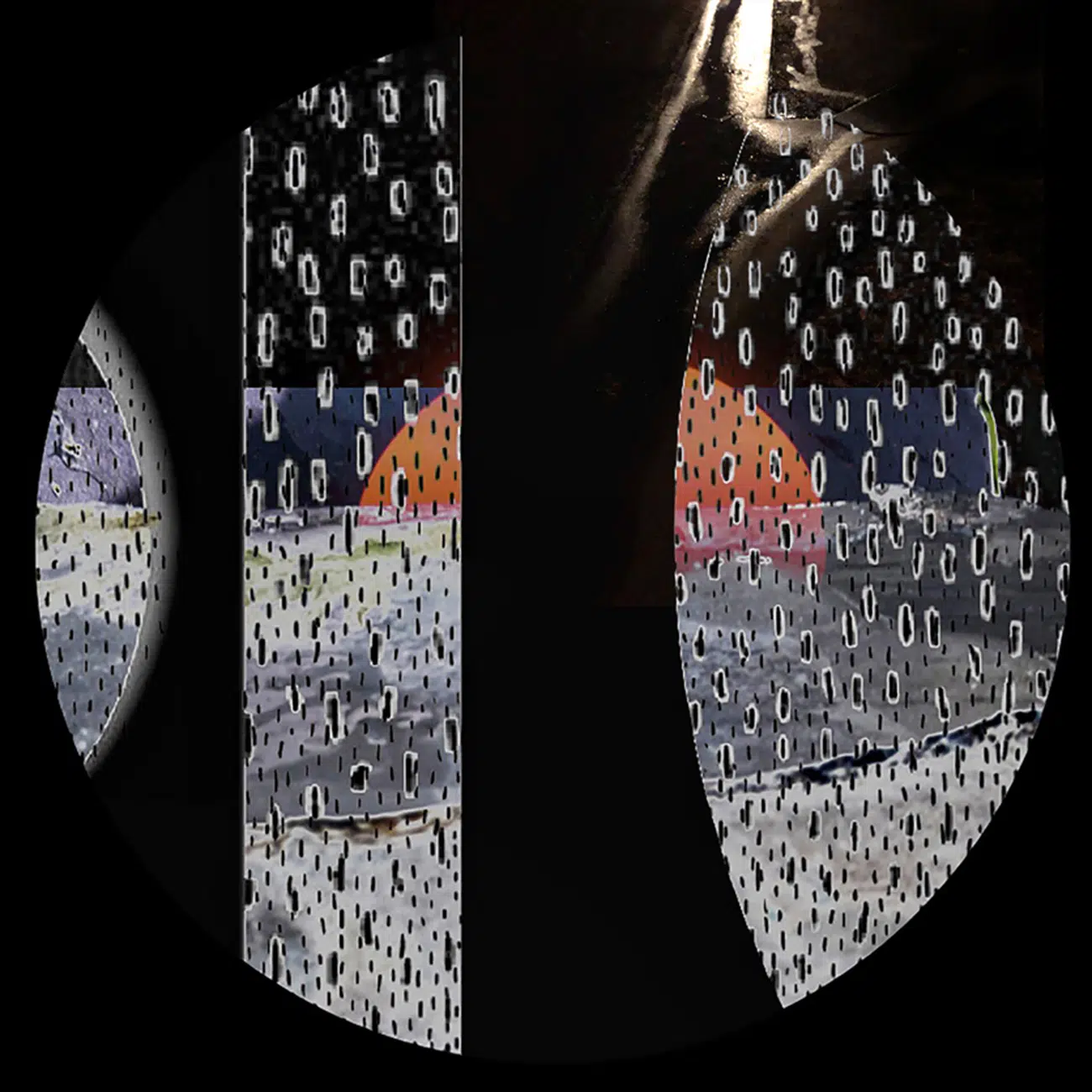
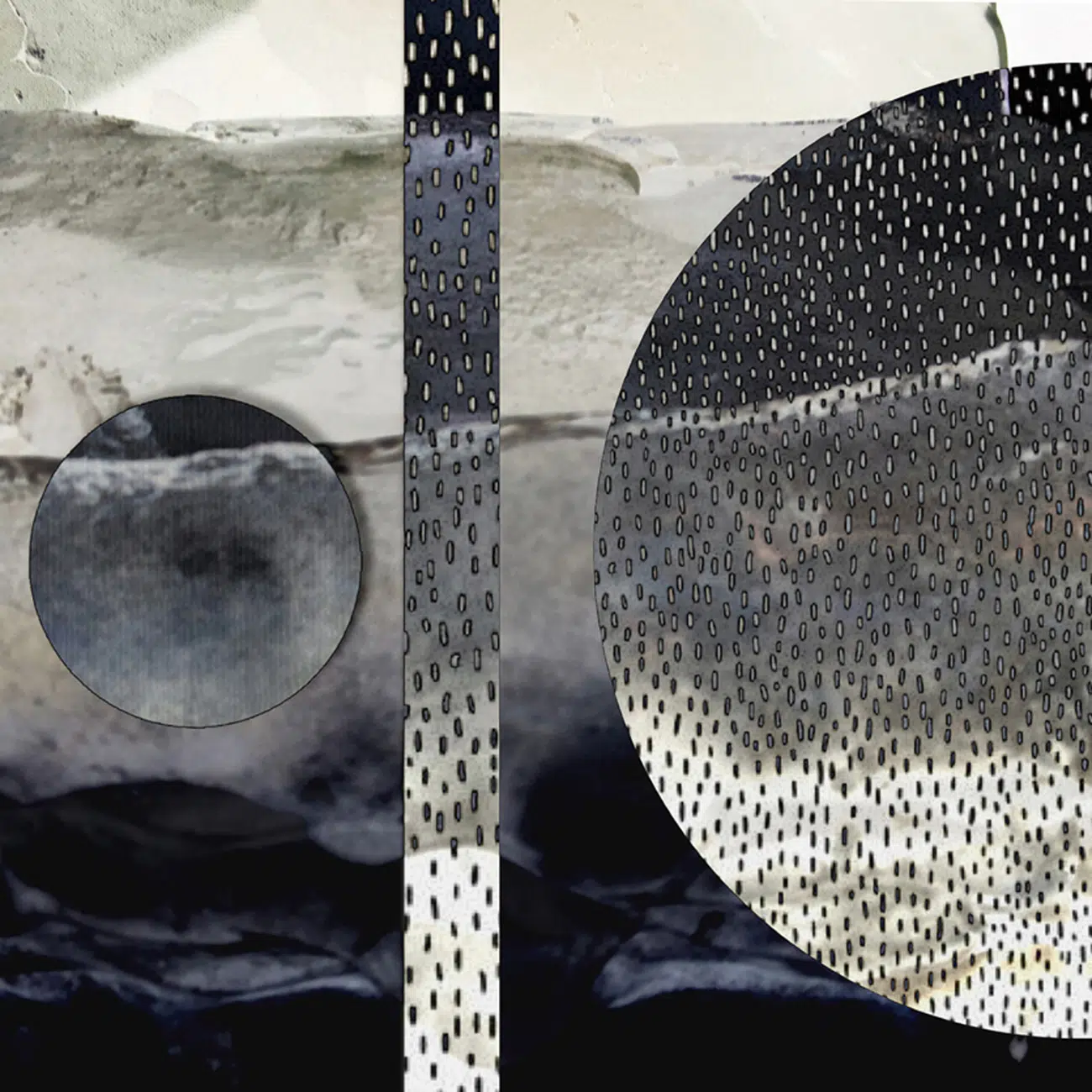
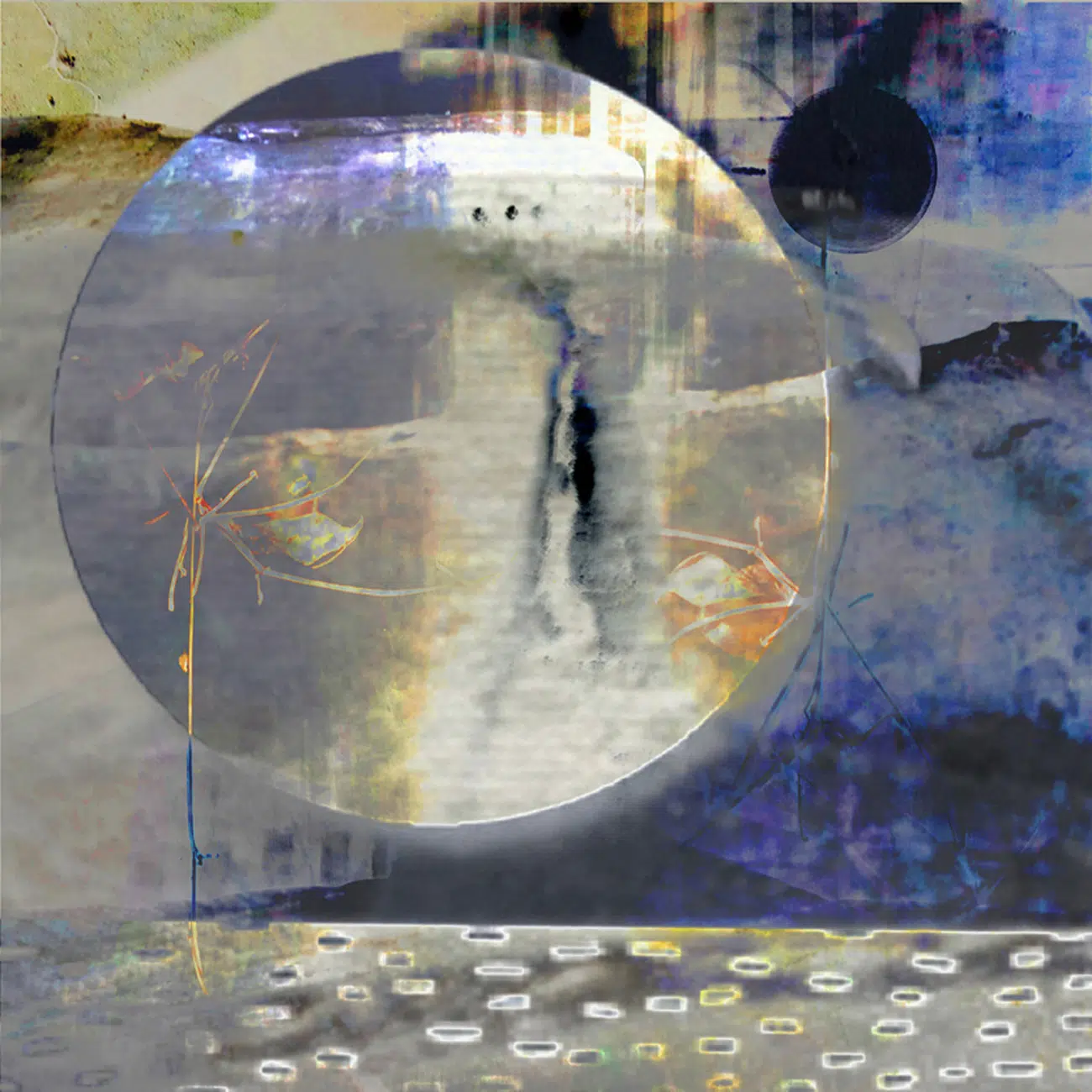
Your compositions bring together photographic fragments, shapes, and patterns. How do you decide what belongs together, and how much of that process is intuitive?
A great deal is intuitive. I developed a collection of photographs and elements that I could return to, and the possibilities grew as I worked. A shape might suggest a meaning, or a relationship between fragments might draw me in before I understood why.
My years of studying art, drawing, and printmaking are present in those decisions, even when I am not consciously thinking about them. I look, rearrange, and look again. Some combinations are visually interesting but do not carry the feeling I am searching for. I continue until the composition begins to express something I recognize.
You print on handmade washi paper and apply a labor-intensive cold wax finish. What does the physical process of transforming a photograph allow you to express that the image alone cannot?
The surface is part of how the work communicates. Handmade Unryu washi brings its own fibers and irregularities into the photograph, giving the image a physical presence that matters to me. The cold wax adds depth and changes the way light meets the surface.
Applying it takes time and close attention, extending my relationship with each piece beyond composing and printing it. I have described this process as a way of making the transient more permanent. There is something especially meaningful about giving a fleeting weather event a tangible form that can be held, preserved, and encountered slowly.
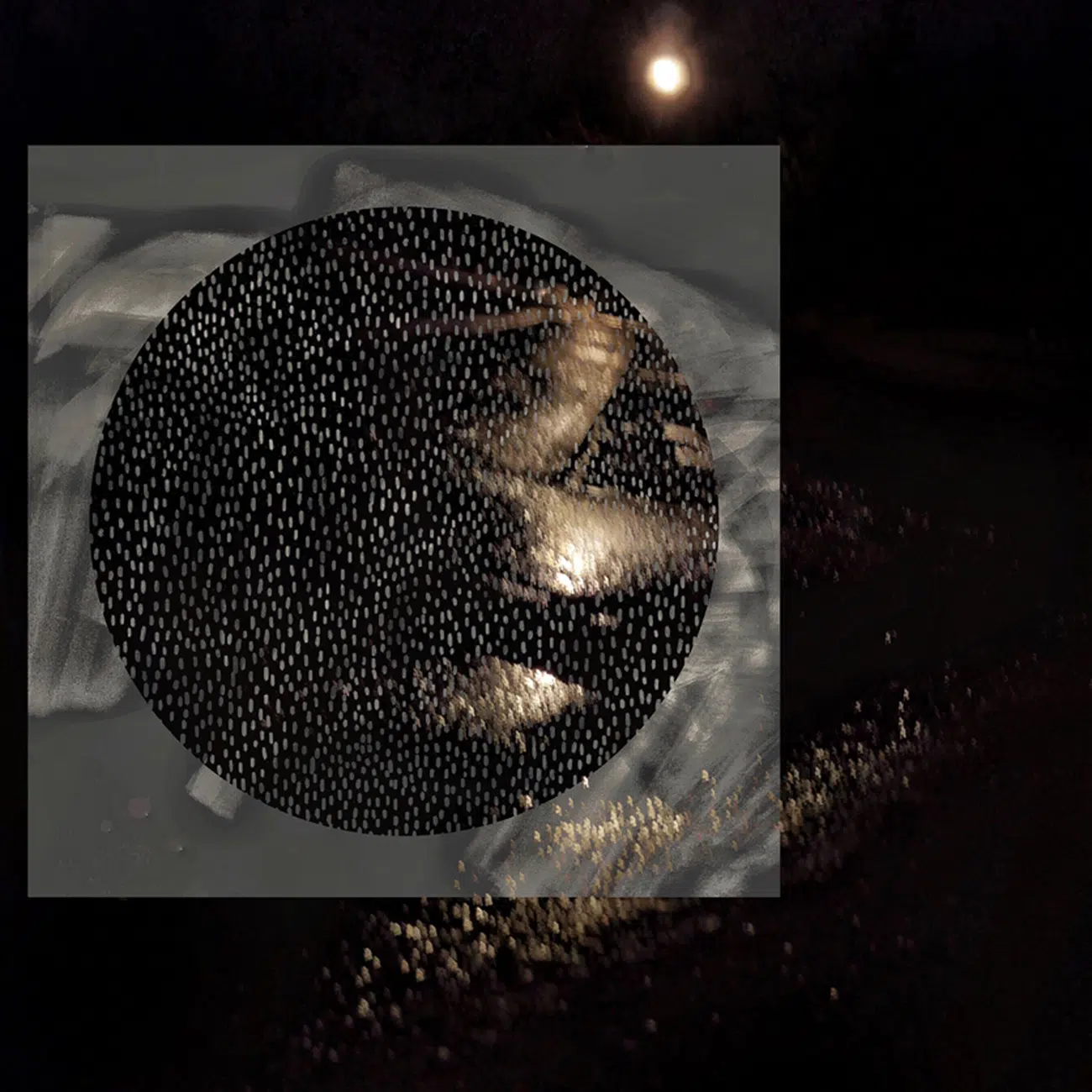
You use shape and pattern to give form to complex feelings about environmental change. Can the act of making art help you process something as overwhelming as the climate crisis?
Yes, I think making art gives me a way to stay with feelings that can otherwise be difficult to hold. The scale of the climate crisis is overwhelming, but working begins with something particular: an image of ice, a shape, a relationship between layers. I can give that my attention and allow the larger concerns to enter through it.
Geometry and pattern offer a structure in which uncertainty can exist. The process does not resolve my fears, but it helps me recognize and express them. Sometimes I understand what has been troubling me more clearly through seeing what I have made.
Your work finds beauty in images shaped by ecological uncertainty. How do you navigate the tension between making environmental change visually compelling and confronting its unsettling realities?
Beauty and unease can occupy the same image, just as they can occupy an experience in nature. A weather event may be visually extraordinary and still leave me deeply unsettled. I allow that complexity into the work. The shapes, patterns, and surfaces invite close attention, while the title and the photographic imagery suggest the environmental changes beneath that beauty.
Warming Effects grew primarily as a record and a personal expression of a changing world.
When I saw Edward Burtynsky’s Anthropocene images at Paris Photo in 2018, I found them deeply meaningful. The tensions between beauty and desolation, destruction and grief felt familiar to me. His photographs helped me recognize how those feelings could coexist within an image.
How has your understanding of humanity’s relationship with the natural world evolved through making work like Warming Effects?
The feeling of belonging to nature has been with me since childhood. Making this work has brought a more troubling awareness of how we participate in its transformation. In the studio, I keep returning to our actions, interactions, and inactions, and to the consequences that extend beyond what we immediately see.
My childhood sense of oneness now carries a greater sense of responsibility. The landscape holds personal memories, but it also holds evidence of choices made collectively. Working with these images keeps me attentive to that relationship and to how much there is to care for.