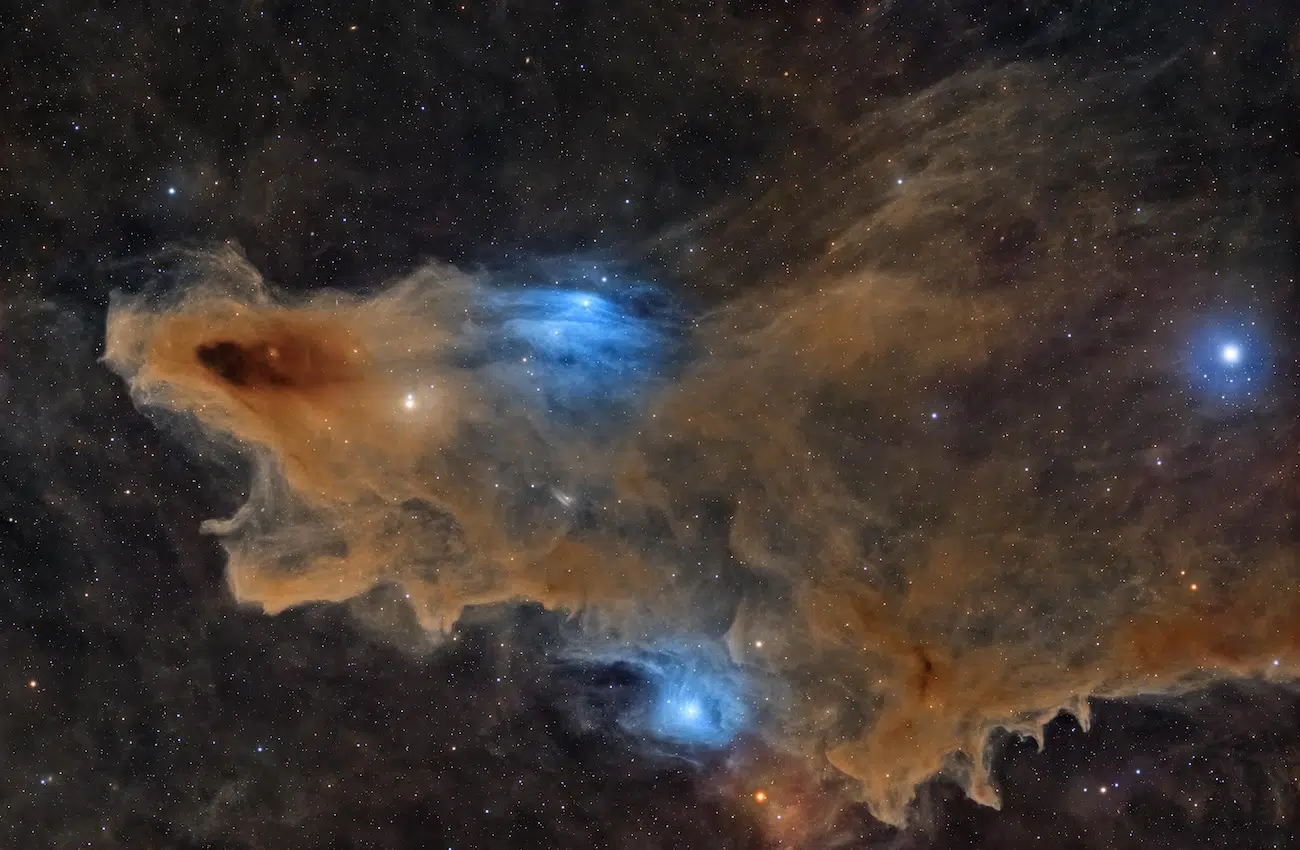
Overall winner, “The Quiet Predator” © Ali Alobaidly (Kuwait)
The Shark Nebula (LDN 1235) is 650 light years away in the constellation Cepheus. A dark nebula, it is made from interstellar dust dense enough to block starlight. The blue-coloured areas are reflection nebulae.
Taken with an Askar 140 APO telescope, Sky-Watcher EQ8-R mount, ZWO ASI2600MM Pro camera, 784 mm f/5.6 (140 mm with a 0.8x reducer), Gain 100, 168 x 300-second L exposures, 60 x 300-second R exposures, 60 x 300-second G exposures, 48 x 300-second B exposures, 28 hours 30 minutes total integration
Location: Jahra Governorate, Kuwait, 21–22 August 2025
An otherworldly image of The Shark Nebula is the winner of the ZWO Astronomy Photographer of the Year 18. Shot by Ali Alobaidly, The Quiet Predator shows the dark nebula as the interstellar dust floats across the composition like a piece of gauzy fabric. “The juxtaposition of an oceanic predator prowling the skies above the Kuwaiti desert is something I find deeply poetic,” Alobaidly says of the piece, “and it is what first drew me to this remarkable region of the sky. To me, it represents perfectly my love for both the universe and the deserts of my ancestors.”
The Quiet Predator stood out for its ability to blend technical prowess with artistic vision, a feat that can be challenging to achieve when trying to faithfully document our universe. Founder and CEO of ZWO Sam Wen says, “Showcasing the intricate structures of a rarely photographed nebula, the image combines remarkable detail with a striking composition and color palette, inviting viewers to explore the hidden beauty of the cosmos.”
Alobaidly won the top honor of the prestigious photo competition alongside category winners and the ZWO Young Astronomy Photographer of the Year. For the latter prize, judges awarded Nikolaos Strimpoulis for his image titled Mineral Moon. Featuring a close-up of the moon’s surface, the portrait shows its dark parts, known as maria, and its bright areas, or the highlands. It’s an incredible look at the textures of Earth’s satellite, which look so clear they could be molded with clay.
“Many of us start our astrophotography journey with the moon—some of us stay there forever!” explains Steve Marsh, art editor at BBC Sky at Night Magazine and competition judge. “But often we don’t delve deep into the subtle colors of its mineral deposits until much later. This amazing young astrophotographer has achieved perfectly developed coloring in this photograph.”
Other lauded images feature Saturn’s rings, spectacular auroras, and more from light-years away. Winning photographs will be on display in an accompanying exhibition at the National Maritime Museum, London, beginning September 18, 2026.
The ZWO Astronomy Photographer of the Year 18 just announced the winners of its 2026 competition.
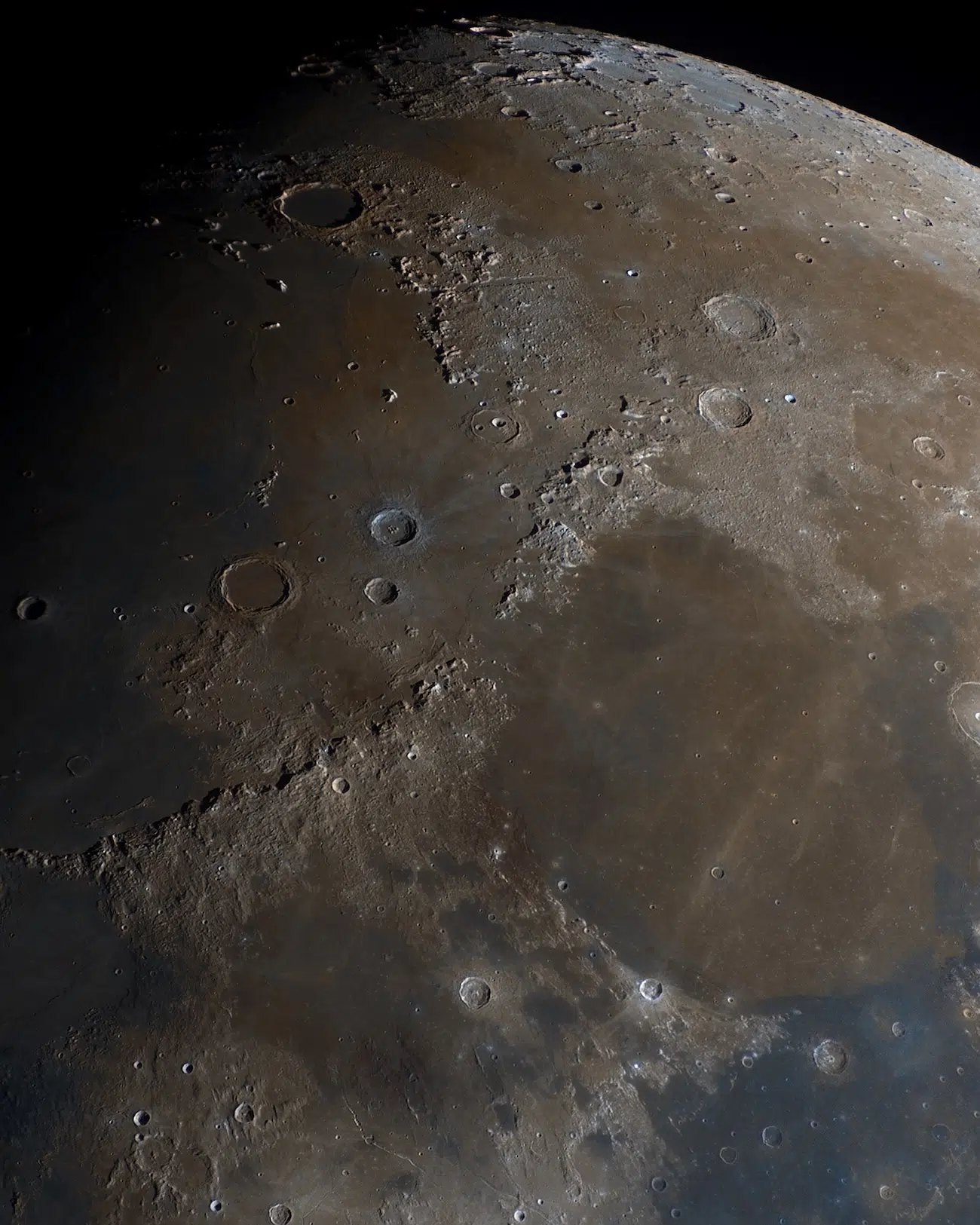
ZWO Young Astronomy Photographer of the Year, “Mineral Moon” © Nikolaos Strimpoulis (Greece), aged 15
This image is a close-up of the surface of the Moon, including dark areas (known as maria) and bright areas (known as the highlands). The smooth, dark areas are ancient lava flows, while the rugged highlands have been shaped by billions of years of impacts. Among the most distinctive features in the image are the Sea of Serenity (Mare Serenitatis), the Sea of Showers (Mare Imbrium) and the lunar Apennine mountain range (Montes Apenninus). The orange and blue colours on the lunar surface are caused by iron and titanium deposits and, for that reason, this type of lunar photograph is called a ‘mineral moon.’
Taken with a Sky-Watcher Dobsonian 6″ Skyliner 150 Classic optical tube assembly, Player One Astronomy Ares-C Pro colour-cooled camera, 1,200 mm f/7.8, ISO 100, 15 per cent of frames from a 20-second video
Location: Palaio Faliro, Athens, Greece, 8 March 2025
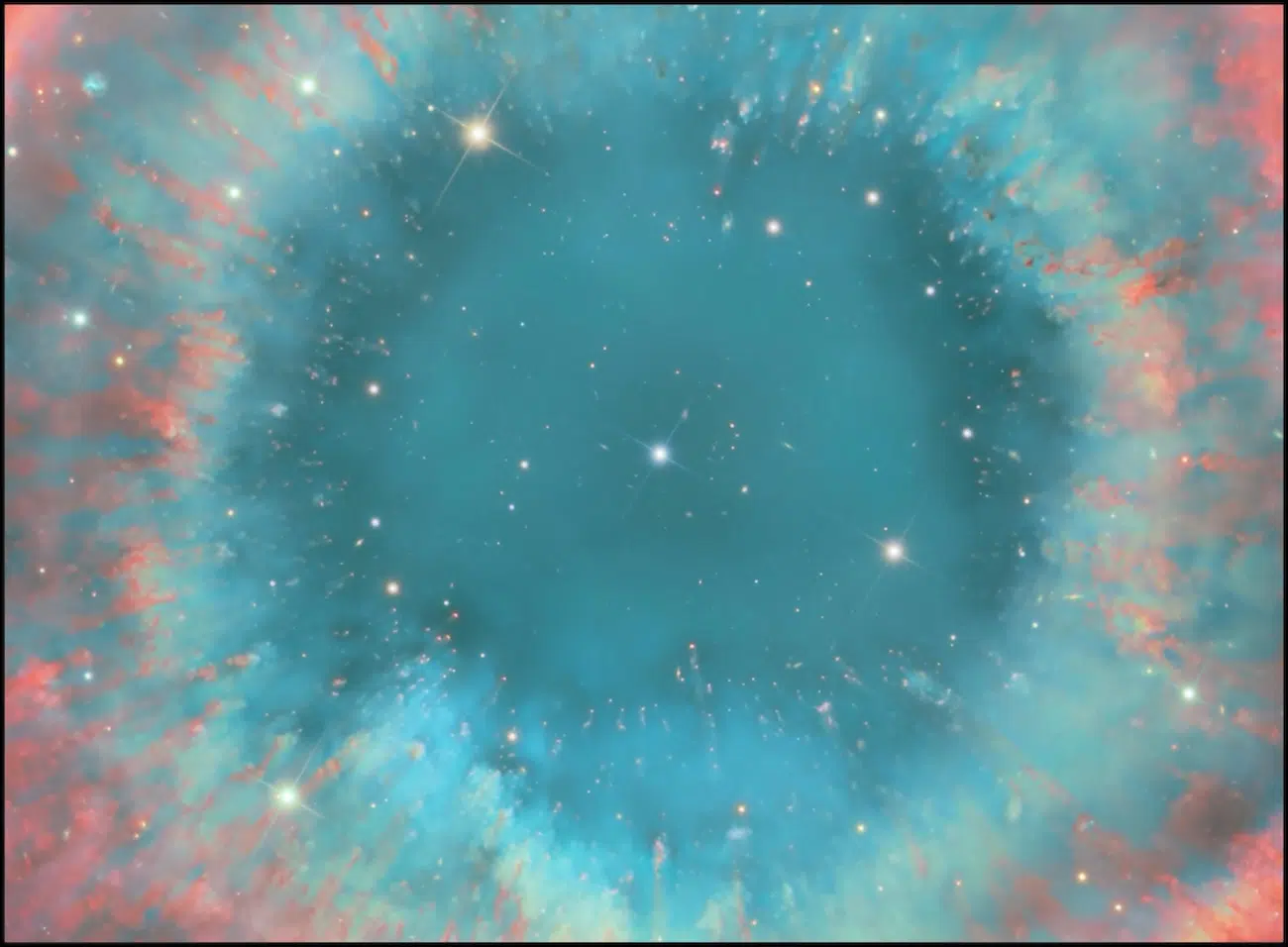
Runner-up, “Beyond the Wormhole” © Kfir Simon (Israel)
This image of the Helix Nebula (NGC 7293) showcases the galaxies that sit many millions of light years beyond it, as if we are looking at them through a wormhole. The picture is a crop of the central core of the nebula and has been processed in order to reveal the tiny galaxies.
Taken with an ASA 600 (24″) telescope, ASA DDM200 mount, Moravian Instruments C3 Pro camera with Sony IMX455 CMOS sensor, 4,200 mm f/4.5, multiple 180-second RGB exposures (30 minutes each), multiple 600-second H-alpha and OIII exposures (2 hours), multiple 300-second L exposures (3 hours), 6 hours 30 minutes total exposure
Location: Tivoli Southern Sky Guest Farm, Windhoek Rural, Namibia, 23 June 2025
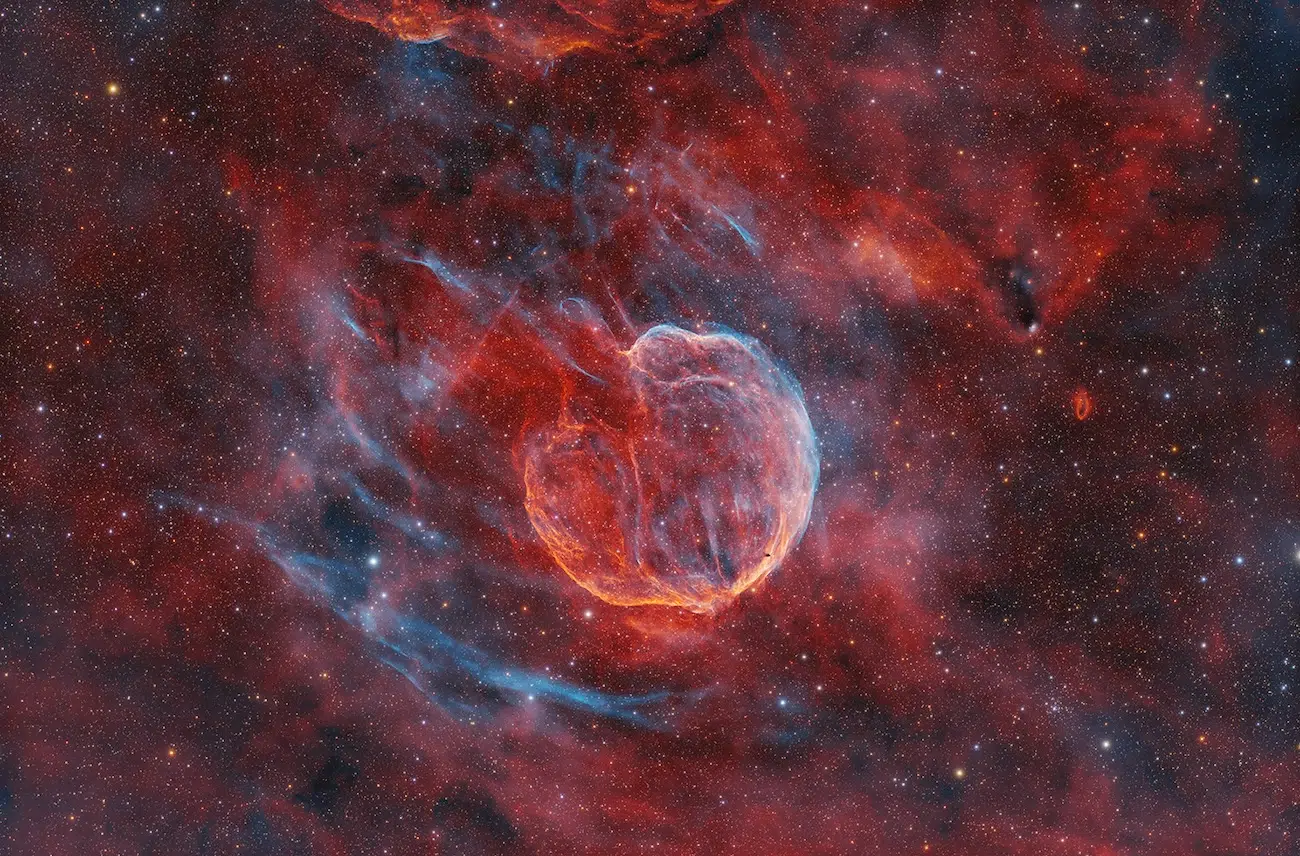
Highly commended, “Abell 85” © Humbert Cédric (France)
Abell 85, also known as LBN 576 or CTB 1, is an extremely diffuse supernova remnant (SNR) in the constellation Cassiopeia, about 9,780 light years away. It has an estimated diameter of roughly 98 light years and the original supernova explosion is thought to have occurred about 10,000 years ago.
Abell 85 appears as a very faint, partially ruptured gaseous shell. It is sometimes described as resembling a popped balloon or even the shape of the medulla (part of the brain), depending on the image.
Taken with a Takahashi FSQ-106 telescope, ZWO AM5N mount, Player One Astronomy Poseidon-M camera, 500 mm f/5, 30 x 60-second R, G and B exposures, 177 x 600-second H-alpha exposures, 183 x 600-second OIII exposures, 158 x 600-second SII exposures, 88 hours total exposure
Location: Coleman County, Texas, USA, 12 December 2025
The lauded images are a wondrous way to celebrate our amazing universe.
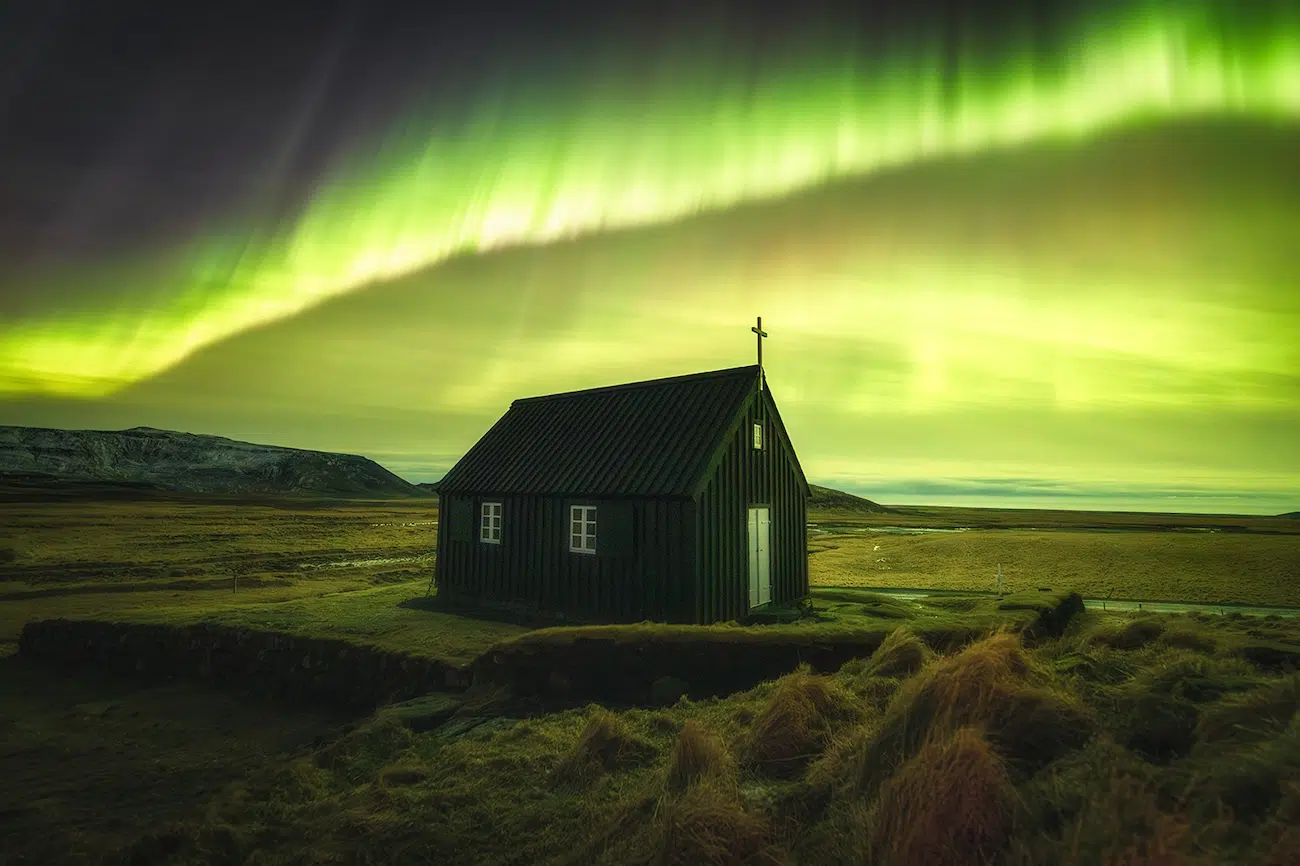
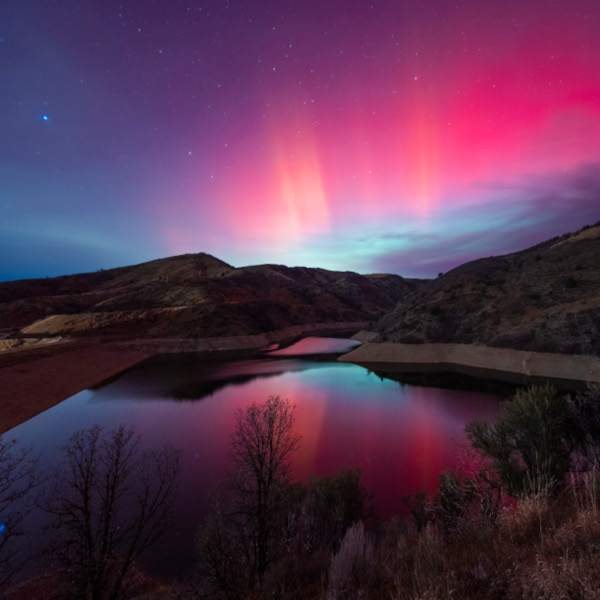
Winner, Aurorae, “The Crown” © Radoslav Sviretsov (Bulgaria)
This aurora sighting unfolded during a particularly strong geomagnetic storm, an event that allowed Radoslav Sviretsov to witness the Northern Lights in a way rarely seen. This small, traditional Icelandic church lies between Keflavík and Reykjavík, far from light pollution – a place where the sky remains dark and truly alive.
Taken with a Canon EOS R camera, 15 mm f/2.8, ISO 3200, 2.5-second exposure
Location: Fúlipollur, Krýsuvíkurvegur, Hafnarfjordur, Iceland, 20 January 2026
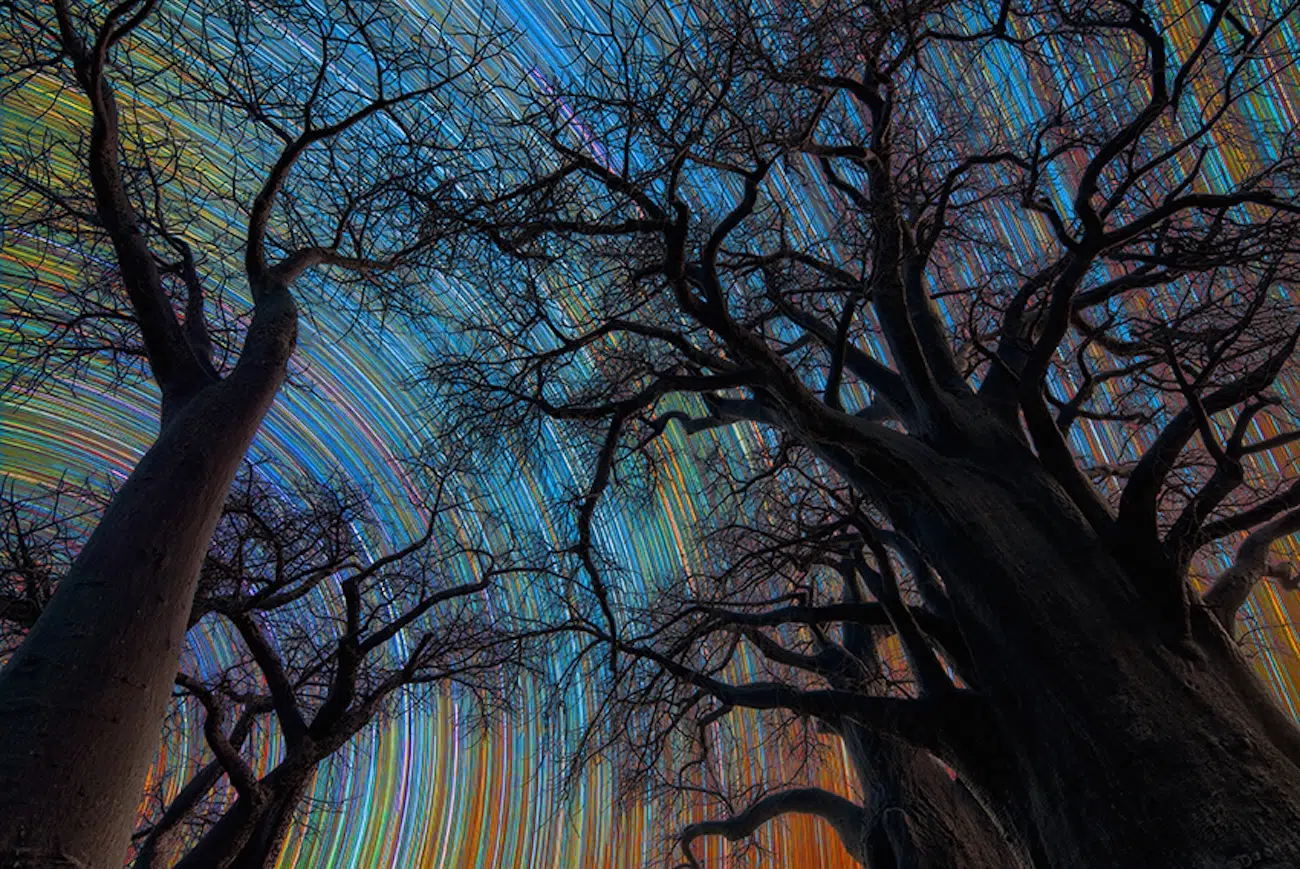
Winner, Skyscapes, “Botswana Star Trail” © Stefano Pellegrini (Italy)
One thing Stefano Pellegrini wanted to try in Botswana was a star trail. He finally had the perfect opportunity in Nxai Pan, a magical place with huge baobab trees. The Botswana sky has no light pollution, every single part of the sky had stars in it. Pellegrini played with the exposure and saturation, resulting in this almost psychedelic image.
Taken with a Nikon D7200 camera, 11 mm f/5, ISO 6.4, 340 x 30-second exposures
Location: Nxai Pan National Park, Botswana, 24 August 2025
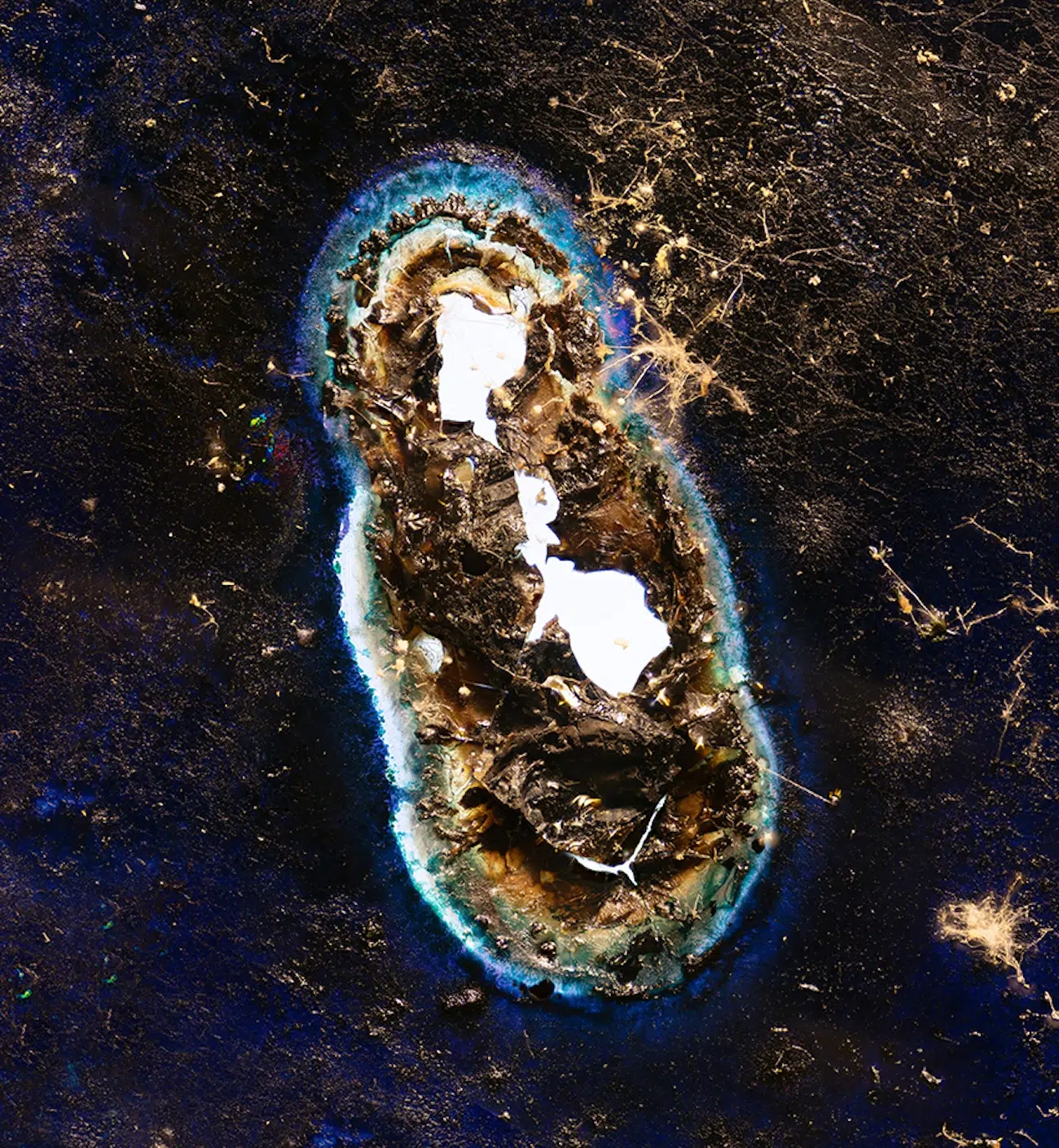
Winner, The Annie Maunder Open Category, “Reverse Astronomy: Mother” © Paweł Paweł (Poland)
In this project Paweł Paweł worked with analogue light-sensitive material, directing the lens toward the Sun – our nearest star. Paweł subjected the negative to intense radiation, exploring the moment when light begins to physically affect the medium. Paweł is interested in the relationship between the star and the material of the image. The Sun is not recorded in a traditional way; instead, its image becomes the result of different technical, physical and biological factors and his own actions. Observation shifts from an act of fixation to a process – a search for new ways of seeing and relationships between light, matter and time.
The image was created using a custom-built, analogue, large-format camera. The film was directly exposed to solar radiation with an exposure time of approximately three minutes. It was then chemically developed and stored in controlled warm and humid conditions, allowing the biological transformation of the emulsion surface. The negatives forming the source material were subsequently re-photographed at microscopic scale. The final work consists of hundreds of scanned frames stacked using Helicon Focus and assembled into a single panoramic structure in Photoshop.
Taken with a Custom-built, large-format, analogue camera, Tessar f/4.5 250 mm lens, Fujichrome 100 slide film, 3-minute exposure; microscopic re-photography setup. January–February 2026
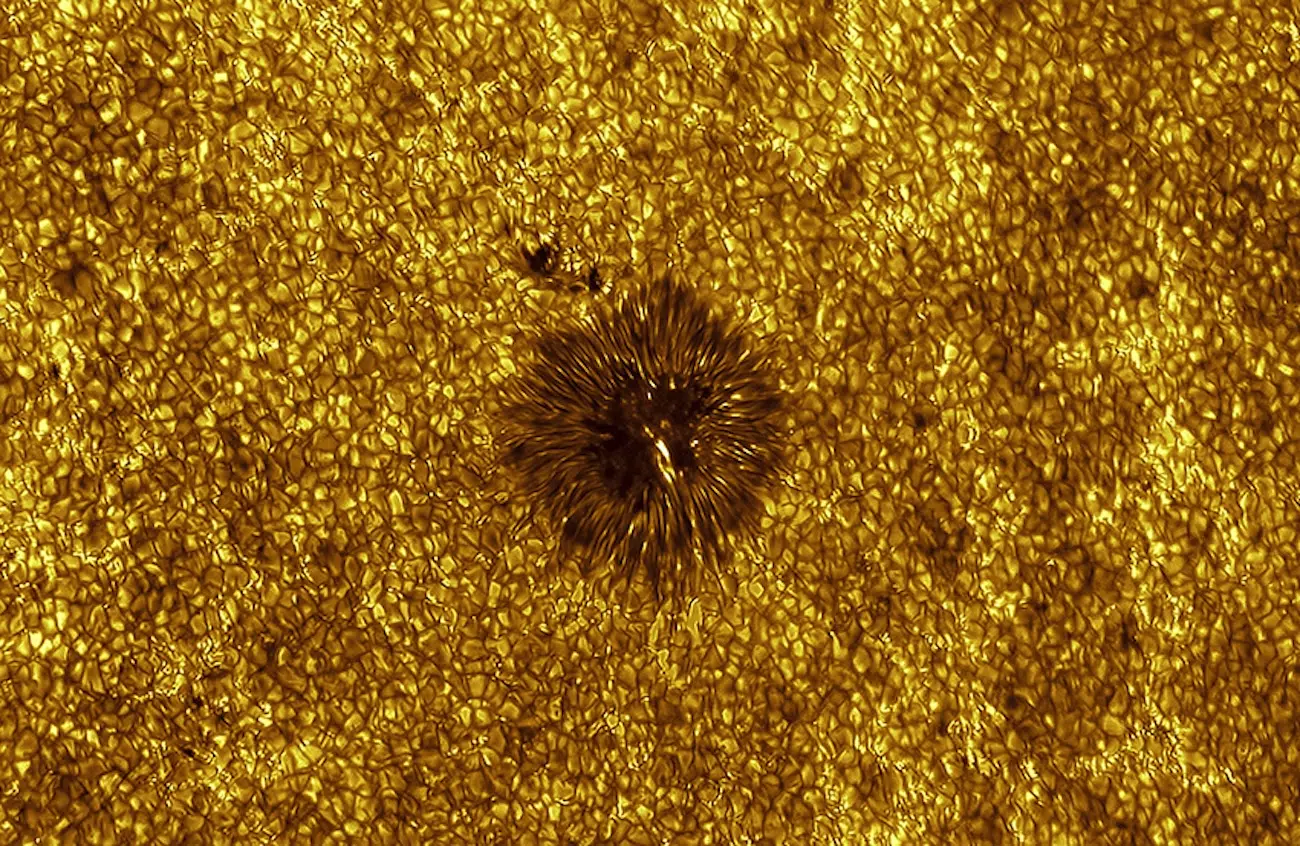
Winner, Our Sun, “Active Region 4122” © Miguel Claro (Portugal)
This image was captured with a new dual-band telescope to try to reveal a greater level of detail in the Sun’s photosphere [visible layer]. The day the image was taken the temperature was mild, the wind light – the perfect conditions to capture convection cells [the constantly shifting regions of rising and falling plasma on the Sun's surface] and the delicate filigree, or bright spots, found between them.
Miguel Claro captured several short videos at a high frame rate to ‘freeze’ the fleeting moments of atmospheric stability.
Taken with a Soleye 300 Dual-Band telescope, Altair 2-nm G-Band filter and Baader SunDancer II TZ-4S telecentric system, Sky-Watcher EQ6 Pro mount, Player One Astronomy Apollo 428M Max Pro Solar Camera, 1,200 mm f/4, 67 milliseconds from a 22-second video
Location: Reguengos de Monsaraz, Évora District, Portugal, 2 July 2025
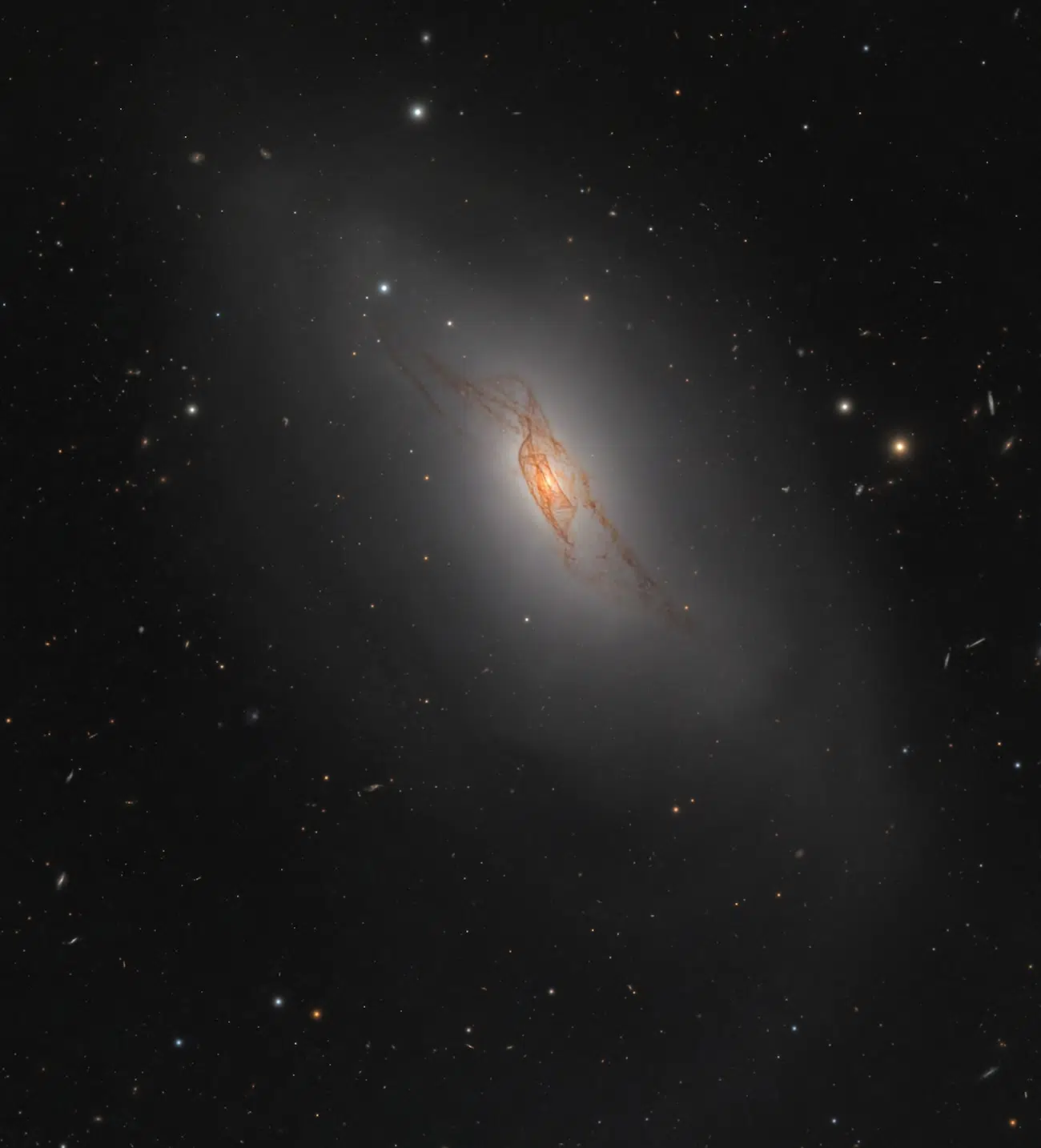
Winner, Galaxies, “NGC 4753: A Symphony of Dust Lanes in Virgo” © 智鹏 严and Xinran Li (China)
This deep-sky image reveals a complex lenticular galaxy approximately 60 million light years away in the constellation Virgo. With a striking network of dust lanes swirling around its luminous core, NGC 4753 showcases the unique character of lenticular galaxies: a prominent central bulge and disc structure without spiral arms. Astronomers study lenticular galaxies to understand the evolutionary pathways between spiral and elliptical galaxies. This image was acquired under the pristine skies of Chile, with more than 10 hours of integration to resolve the intricate dust structures that are often obscured in other images.
Taken with an ASA RC-1000 telescope, LRGB filters, FLI ProLine 16803 camera, focal length 6,800 mm, aperture 1 m, 23 x 600-second L exposures, 12 x 600-second R exposures, 12 x 600-second G exposures and 13 x 600-second B exposures, 10 hours total exposure
Location: El Sauce Observatory, Río Hurtado, Chile, 6 March 2025
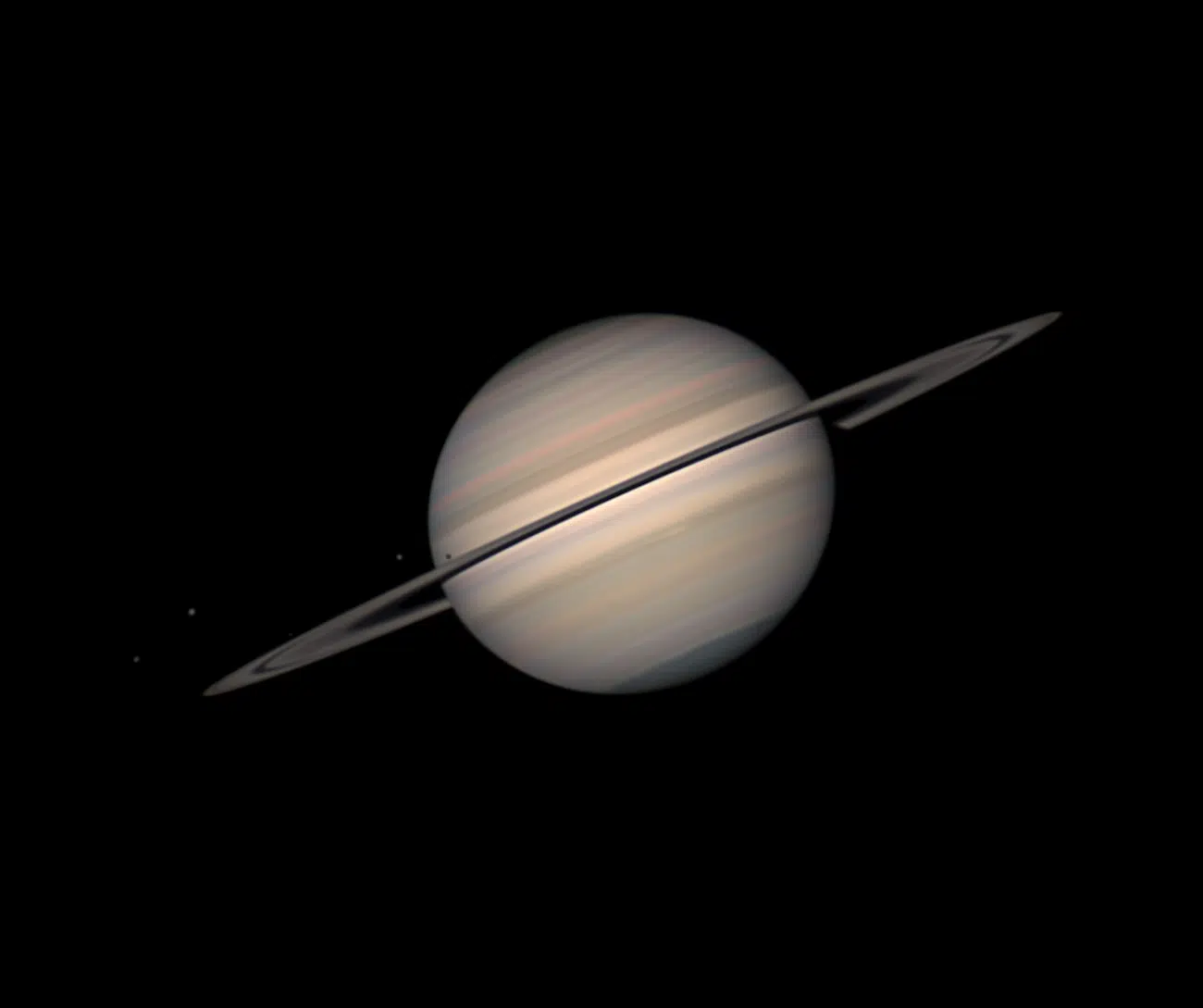
Winner, Planets, Comets & Asteroids, “Saturnian Equinox” © Tom Williams (UK)
2025 saw a rare ring-plane crossing of Saturn, when its rings appear almost edge-on from Earth – a key milestone in the planet’s nearly 30-year journey around the Sun. This striking view was captured a few months after Saturn’s equinox, which marks the start of local spring in the planet’s southern hemisphere.
Despite a very shallow angle, the Encke Gap and the Cassini Division—gaps in the planet’s ring system—are still prominent in this image. The moons Dione, Rhea, Mimas and Tethys are visible alongside the rings, with the latter casting a shadow on the cloud tops.
Taken with a Custom 600 mm (24″) Dobsonian reflector, Astronomik 642 BP IR filter and UV/IR cut filters, Player One Astronomy Uranus-M and Uranus-C cameras, 10,600 mm f/17.6, multiple 10-millisecond exposures
Location: Trowbridge, Wiltshire, England, 22 August 2025
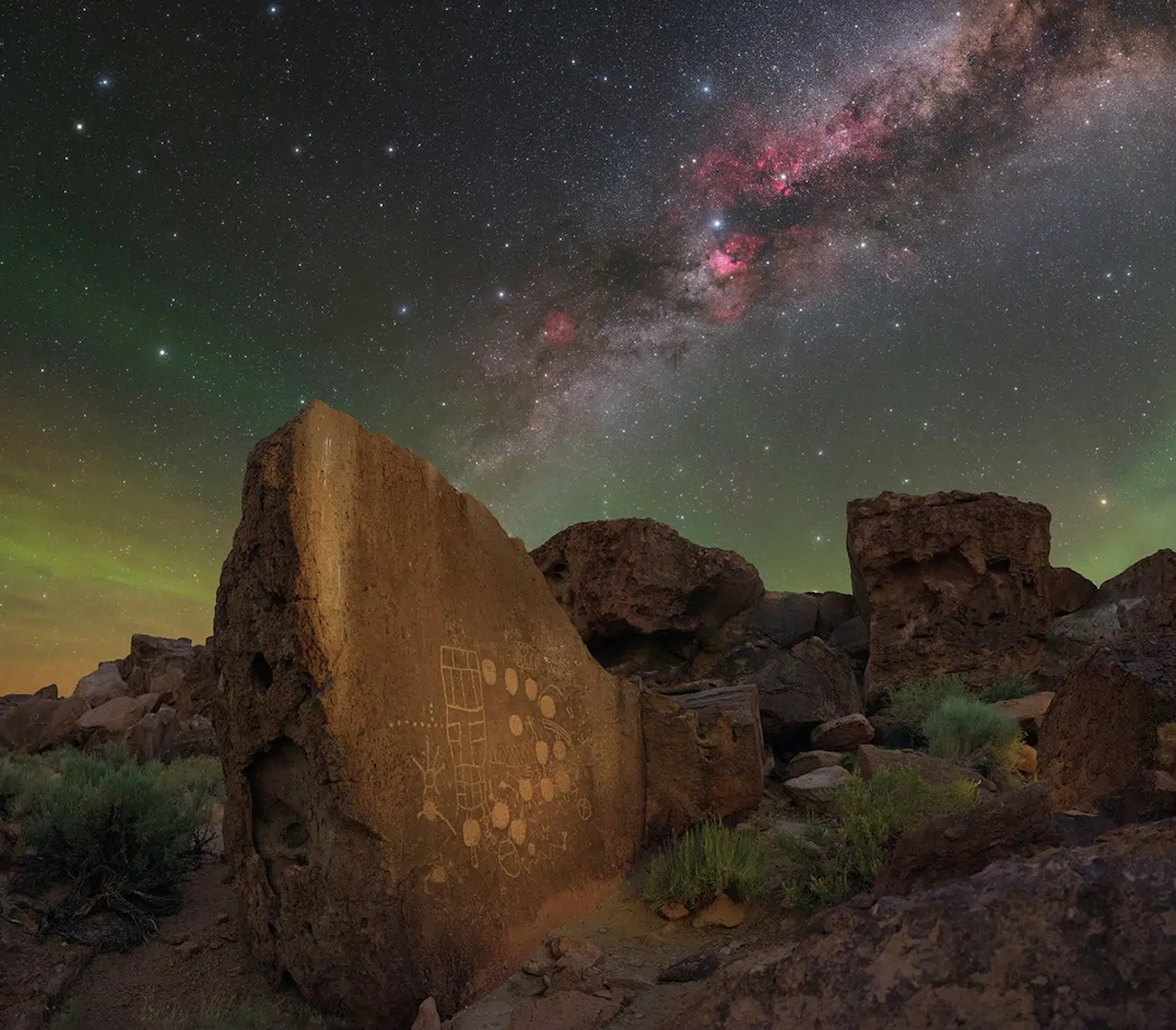
Winner, People and Space, “A Message from the Ancients” © Max Inwood (Aotearoa/New Zealand)
Deep in the desert of California lies a series of ancient petroglyphs, rock art dating back thousands of years. The piece in the image, known as the 13 Moons, caught Max Inwood’s attention. This petroglyph is thought to be an ancient calendar depicting the 13 Full Moons that Earth can experience in a year.
Inwood captured the northern constellation Cygnus above the site. This region of the Milky Way is full of bright hydrogen emission nebulae, which contribute to the reds and pinks seen in the sky. The colours contrasted beautifully with the strong green airglow present on the horizon, creating a rainbow of tones.
Taken with a Canon EOS 6D camera, iOptron SkyGuider Pro mount, 50 mm f/2.0, ISO 3200, 30-second exposure
Location: Inyo County, California, USA, 26 June 2025
Winning photographs will be on display in an accompanying exhibition at the National Maritime Museum, London, beginning September 18, 2026.
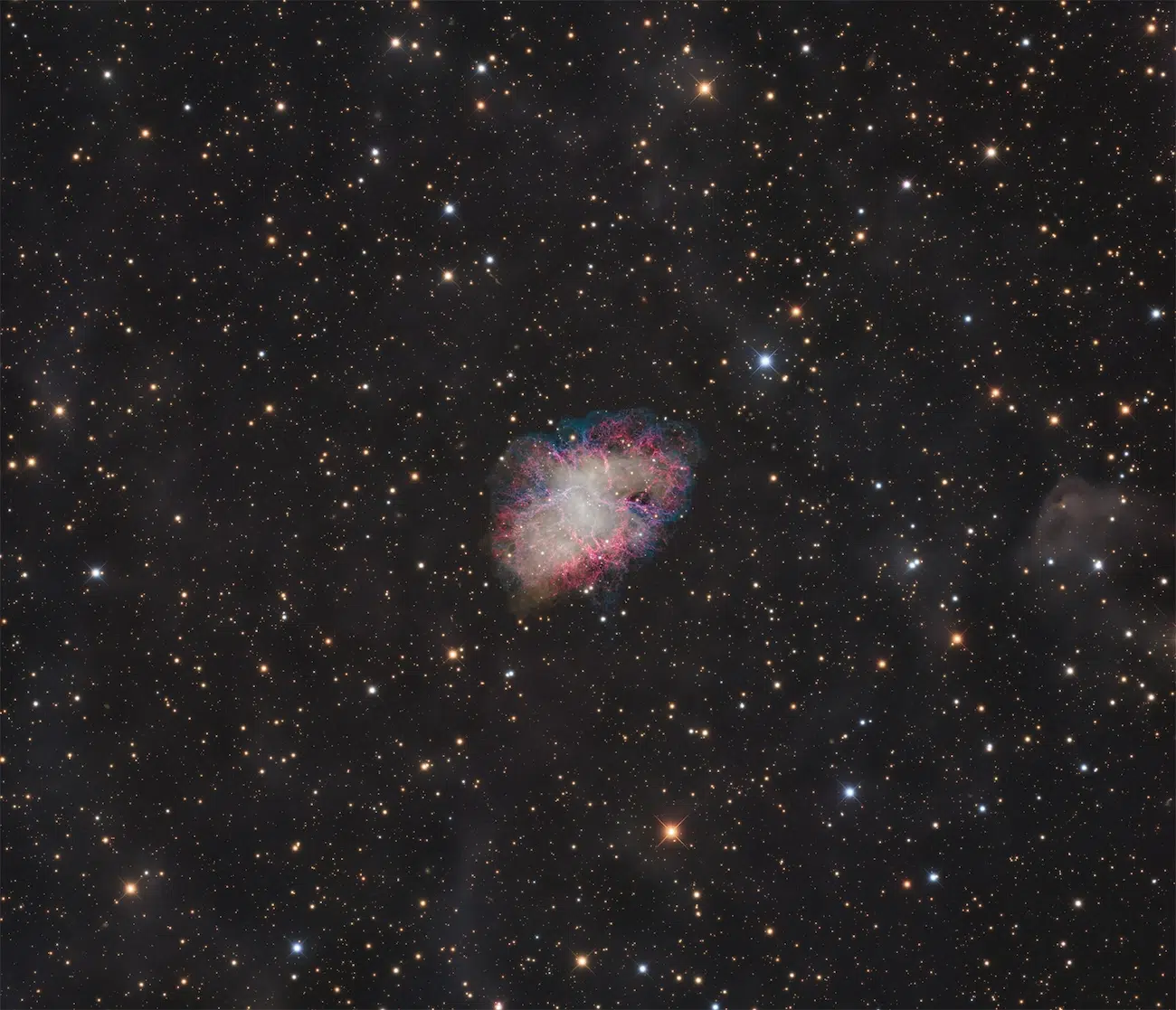
The Sir Patrick Moore Prize for Best Newcomer, “M1: Echoes of an Ancient Explosion” © Haocheng Zhu (China)
Haocheng Zhu began astrophotography less than a year ago and M1, or the Crab Nebula, reshaped how he sees the night sky. In 1054 CE, during China’s Song Dynasty, astronomers recorded a ‘guest star’ bright enough to be visible even in daylight – a supernova whose remnant we now know as the Crab Nebula. Its tangled filaments still expand through space, carrying the energy of an explosion witnessed nearly 1,000 years ago. What appears faint today was once brilliant to the naked eye.
Taken with a William Optics 14″ f/8 Ritchey-Chretien telescope, Chroma LRGB filters, 10Micron GM 2000 HPS II mount, ZWO ASI6200MM camera, 2,276 mm f/6.4, 900-second exposure
Location: Qahar Right Rear Banner, Ulanqab City, Inner Mongolia, China, 29 December 2025
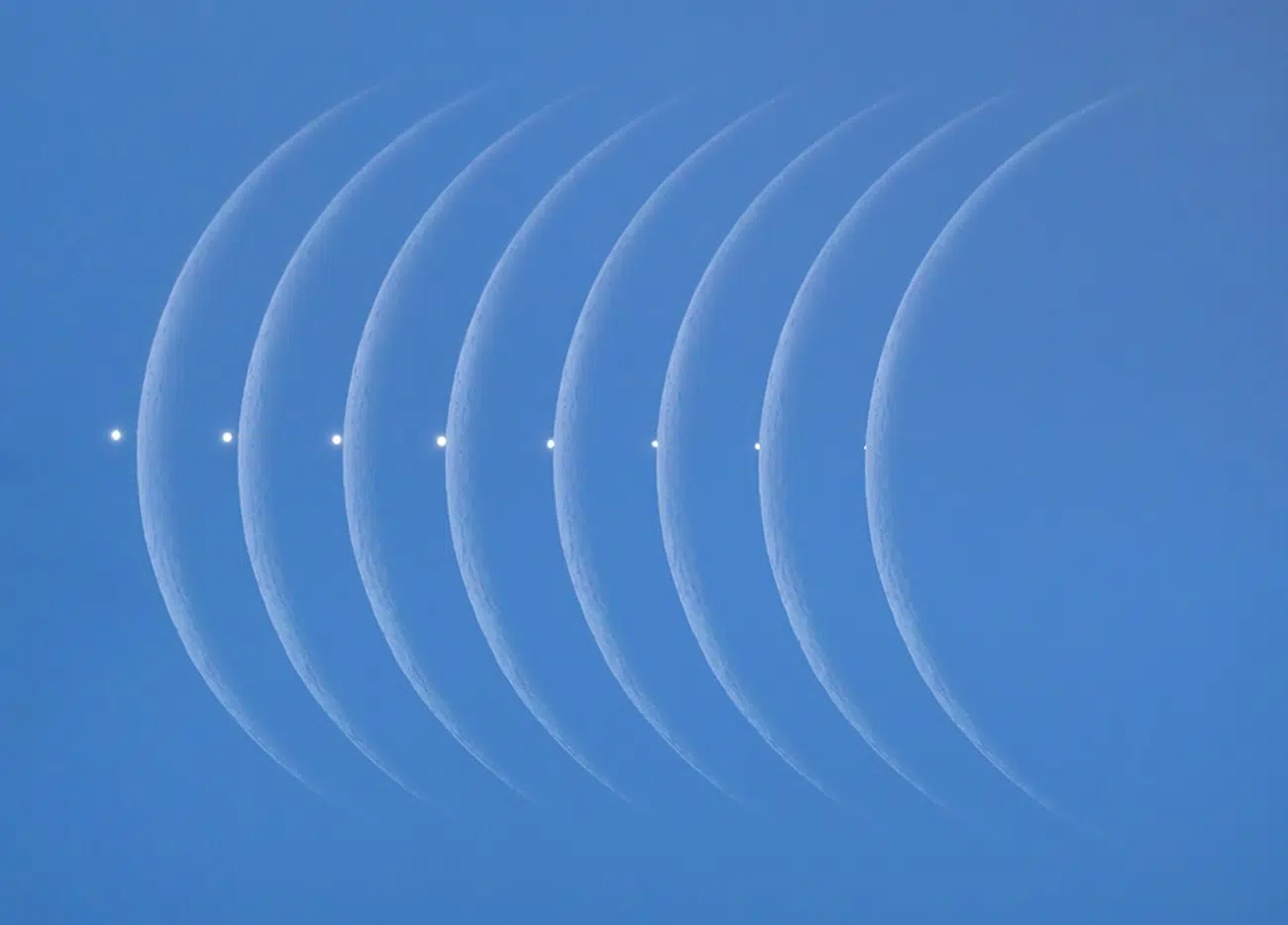
Winner, Our Moon, “Venusian Pearl on the Moon” © Petr Horalek (Czechia)
On 19 September 2025, a rare lunar occultation of Venus occurred as the Moon passed in front of the planet in the daytime sky. Venus disappeared behind the crescent Moon at 2.14 p.m. and reappeared just over an hour later. The most beautiful moment was when Venus had just started to disappear behind the crescent. It looked like a bright pearl on the lunar limb.
Taken with a Sky-Watcher 10″ FlexTube Dobsonian telescope, Nikon Z6 III camera, f/5, ISO 250, multiple 1/8,000-second exposures
Location: Ústupky, Seč, Pardubice Region, Czechia, 19 September 2025