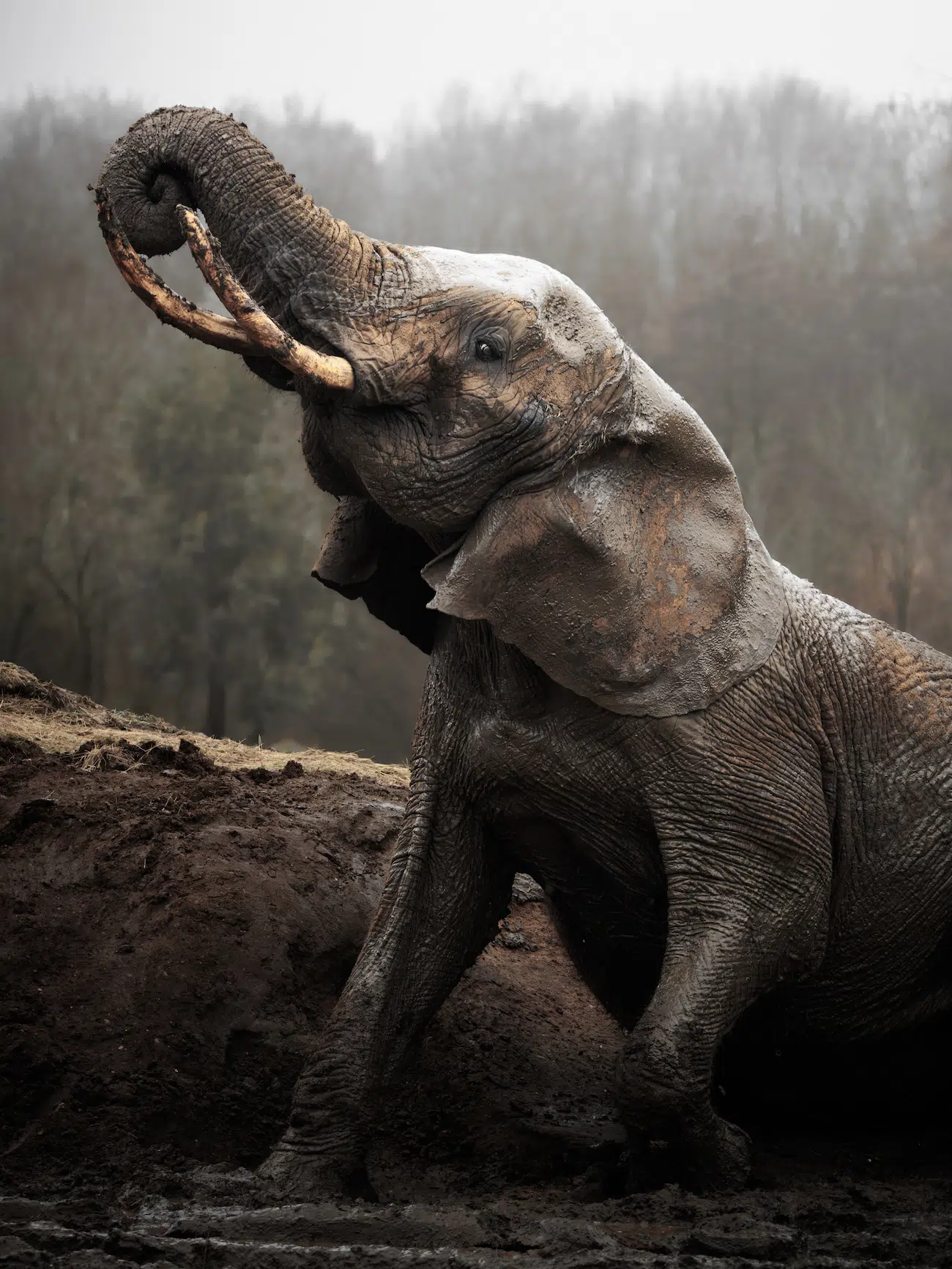
Mammal – winner, “Still I Rise,” Thomas Harris, African Elephant (Loxodonta africana), Colchester Zoological Society. Photographer Thomas Harris found Opal the elephant enjoying a mud pile on a soggy day at Colchester Zoological Society, home to four African elephants. The Society’s conservation work includes a Zambian elephant orphanage project and research into vaccines for elephants.
From a mud-loving elephant to a tiny crab tucked inside an anemone, the winners of the 2026 BIAZA Photo Competition invite viewers to see wildlife from unexpected perspectives. More than 800 entries competed for recognition this year, with judges selecting 14 winners and runners-up across seven categories.
Organized by the British and Irish Association of Zoos and Aquariums (BIAZA), the competition celebrates the animals, people, and conservation work found across its member institutions.
The resulting photographs span everything from intimate animal portraits and underwater close-ups to native fungi and fog-shrouded landscapes. Together, they reveal the character and complexity of species both familiar and easily overlooked.
Thomas Harris takes the Mammal category with Still I Rise, a playful portrait of Opal, an African elephant (Loxodonta africana), at Colchester Zoological Society. The scene offers an unguarded glimpse of an animal enjoying a simple moment of enrichment. Colchester Zoological Society cares for four African elephants and also supports conservation initiatives beyond its grounds, including a Zambian elephant orphanage and research into elephant vaccines.
Fred Wall turns the camera toward another great ape in Our Endangered Brothers, the Mammal runner-up. His close-up of a bonobo (Pan paniscus) at Twycross Zoo centers on the animal’s expressive face, creating an immediate connection with the viewer. Bonobos rank among humanity’s closest living relatives, yet the species remains Endangered. Twycross Zoo supports all four great ape species, making the portrait part of a broader conservation effort.
Morning light gives Gareth Clifford’s Frosty vulturine its distinctive atmosphere. The Bird category winner captures a vulturine guineafowl (Acryllium vulturinum) at Watatunga Wildlife Reserve in Norfolk during an early January sunrise. The bird’s long neck, vivid plumage, and intricate patterning stand out against the cool conditions, turning an ordinary morning encounter into an elegant wildlife portrait.
At Marwell Zoo, Jonathan Isaacs focuses on a different kind of spectacle. His Bird runner-up, Get weaving!, follows a village weaver (Ploceus cucullatus) constructing its elaborate nest inside the zoo’s walkthrough aviary. Visitors can watch these industrious birds transform vegetation into intricate, multi-chambered structures, making the building process as fascinating as the finished result.
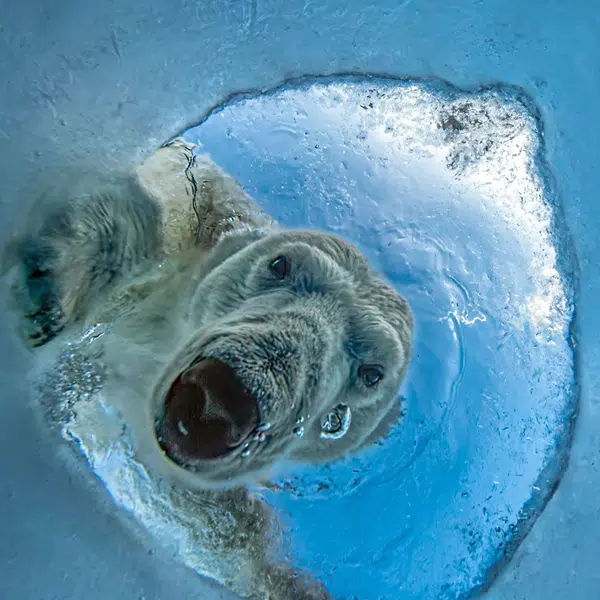
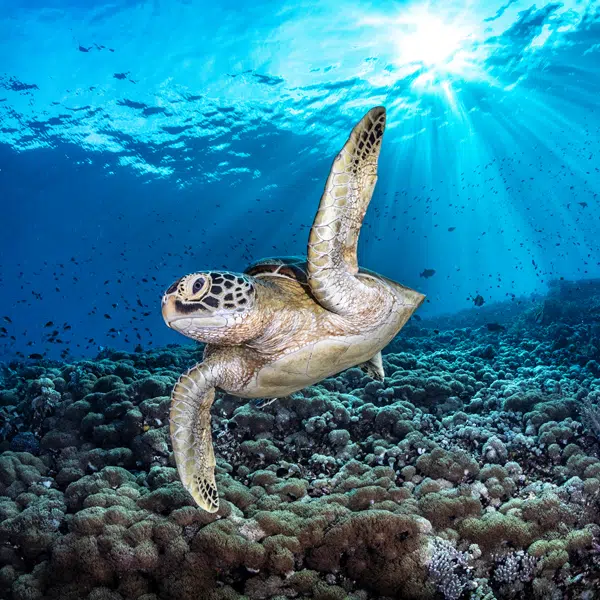
Dylan Lynch heads underwater for Mid-nap breather, the Reptile/Amphibian winner. The photograph captures Friday, a green sea turtle (Chelonia mydas) at the National Marine Aquarium in Plymouth, during a quiet pause. Friday lives in the aquarium’s deepest tank, where the animal has become one of its best-known residents. Instead of emphasizing the scale of the underwater environment, Lynch brings the viewer closer to the turtle itself.
Jagz Bharth takes a closer look at another reptile with The Singing Skink. An emerald tree skink (Lamprolepis smaragdina) peers from its habitat at Hertfordshire Zoo, far smaller than the lions that give the surrounding Lions of India area its name. The species originates in Southeast Asia, adding another layer of biodiversity to the space, which opened in 2025.
Jessamyn Reddy goes even closer for Eye of the Lion, the Fish category winner. Her macro-style portrait isolates the eye of a fuzzy dwarf lionfish (Dendrochirus brachypterus) at the National Marine Aquarium. Delicate markings surround the pupil, creating an almost otherworldly pattern. Those details also distinguish one fish from another, as individual lionfish can display different eye patterns.
Rebekah Weatherhead turns a humble hiding place into the subject of Tompot’s Pot. Her Fish runner-up depicts a tompot blenny (Parablennius gattorugine) at Sealife Adventure, where the small British fish has claimed the largest pot in its habitat. Known for their expressive faces and curious appearance, tompot blennies prove that captivating wildlife portraits do not require an exotic setting.
The Invertebrate winner asks viewers to look even closer. Ellie Richards photographs a porcelain crab (Neopetrolisthes maculatus) nestled among the tentacles of an anemone at Oceanarium Bournemouth. The crab lives within the anemone’s stinging tentacles without apparent trouble, creating an unlikely partnerships between two very different creatures. At aquarium scale, it is an easy relationship to miss. Through Richards’ lens, the tiny crustacean takes center stage.
Jennifer-Louise Read explores a stranger side of insect life in Cockroach Wasp, the Invertebrate runner-up. Her photograph captures an emerald cockroach wasp (Ampulex compressa) at Chester Zoo, drawing attention to its metallic green exterior. Its life cycle proves even more remarkable: the wasp uses a cockroach as a host for its offspring, with the developing larva eventually consuming the host from within.
The Native Species category takes the competition beyond zoos and aquariums. Peter Baird’s Forest Lantern turns a Scottish woodland floor into a stage for a beechwood sickener (Russula nobilis). The fungus won the category at a time when ecologists increasingly recognize fungi as essential components of forest ecosystems. Its inclusion also broadens the idea of wildlife photography, shifting attention from charismatic animals to the organisms that quietly sustain their habitats.
Celyn Stephens’ The Watcher, the Native Species runner-up, returns to one of Britain’s most recognizable mammals. At Margam Country Park in Wales, a red deer (Cervus elaphus) locks eyes with the photographer. The animal’s direct gaze gives the portrait an almost human intensity, transforming a familiar species into a compelling character.
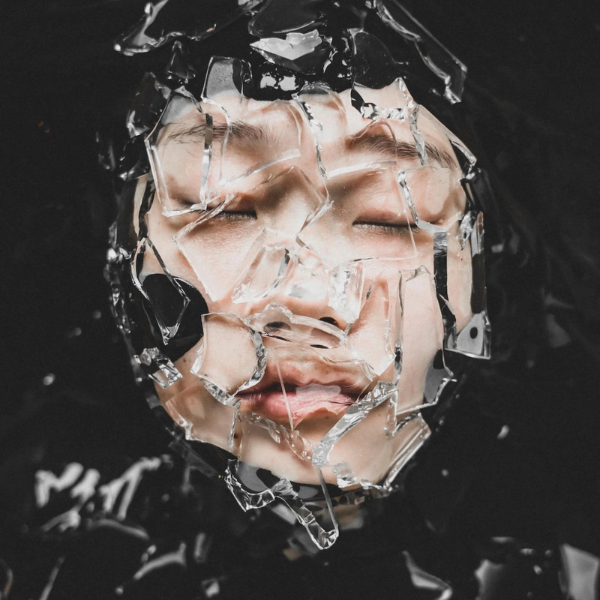
This year also marked the debut of the Human category, which recognizes the people working directly with animals and conservation. Gareth Clifford won with Early Rounds, a photograph made at Watatunga Wildlife Reserve. Before the day begins, the reserve’s team moves through its 170 acres of woodland, grassland, and lakes to check on the animals. Clifford’s image shifts attention from the wildlife itself to the daily work that keeps them healthy and cared for.
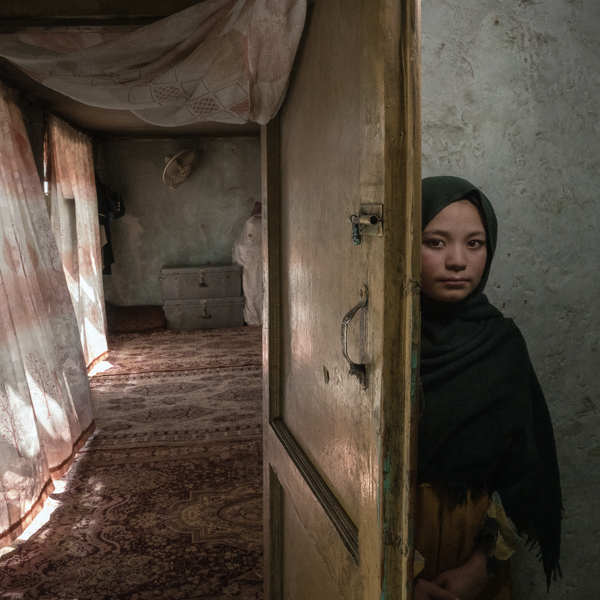
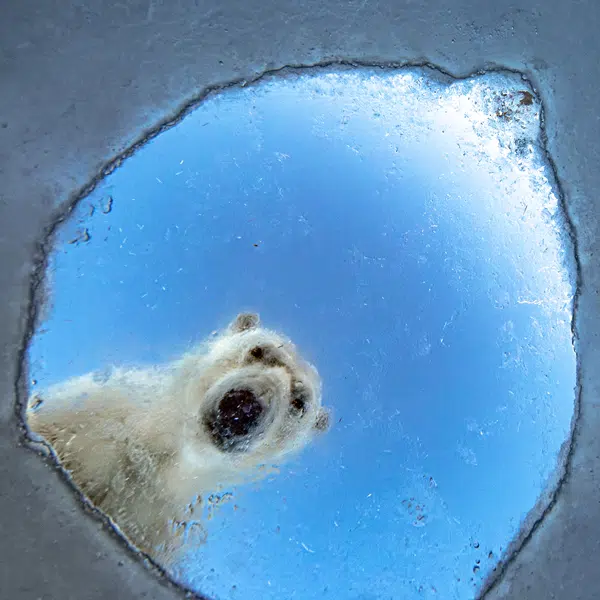
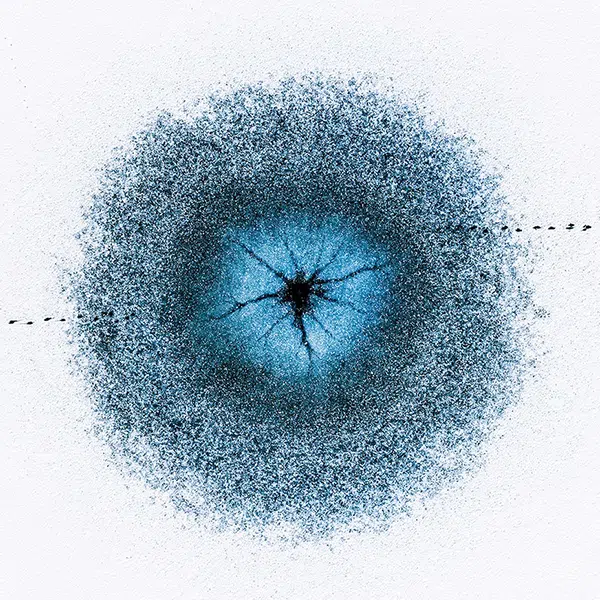
Jo Brown takes the Human runner-up with Flooded, an atmospheric photograph from Whipsnade Zoo. The zoo sits atop a hill, giving visitors to the penguin habitat a broad view of the valley below. On Brown’s visit, dense fog swallowed the landscape, leaving what looked like an expansive body of water beneath the hill. The unusual weather transformed an everyday zoo vista into an almost dreamlike scene.
The photographs also offer a window into the wider conservation efforts of BIAZA’s 132 member zoos and aquariums. In 2025, these institutions contributed to more than 1,000 conservation projects and 1,600 research projects, while spending more than £34 million (about $46 million) on conservation.
The 14 winning and runner-up photographs will appear in BIAZA’s 2027 calendar, alongside dates celebrating wildlife and the natural world.
The 2026 BIAZA Photography Competition received more than 800 entries, with 14 winning photographs selected across seven categories.
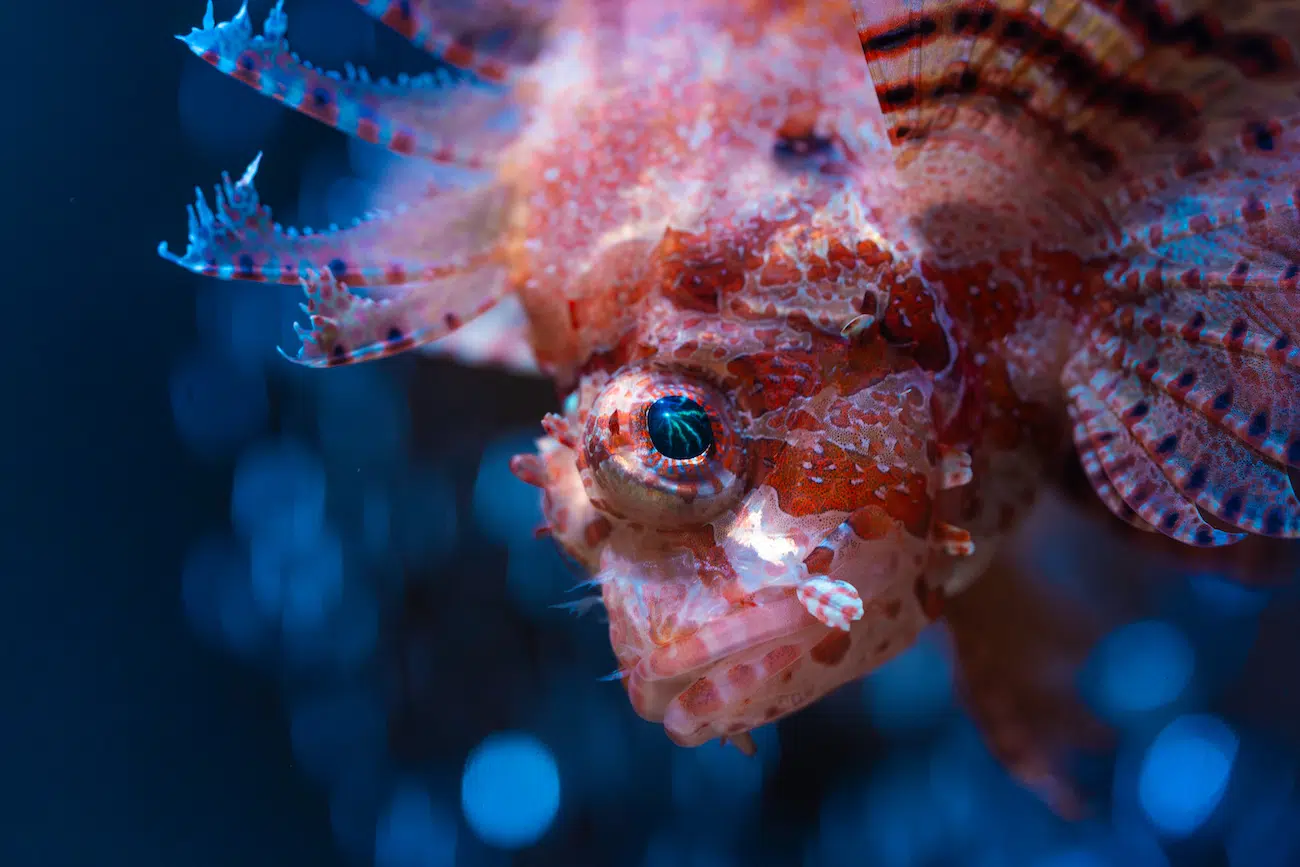
Fish – Winner, “Eye of the Lion,” Jessamyn Reddy, Fuzzy Dwarf Lionfish (Neochirus brachypterus), National Marine Aquarium. A close-up of a fuzzy dwarf lionfish. Photographer Jess captures the eye’s mystical quality. Not every individual lionfish has such intricate eye patterning, which makes each individual unique.
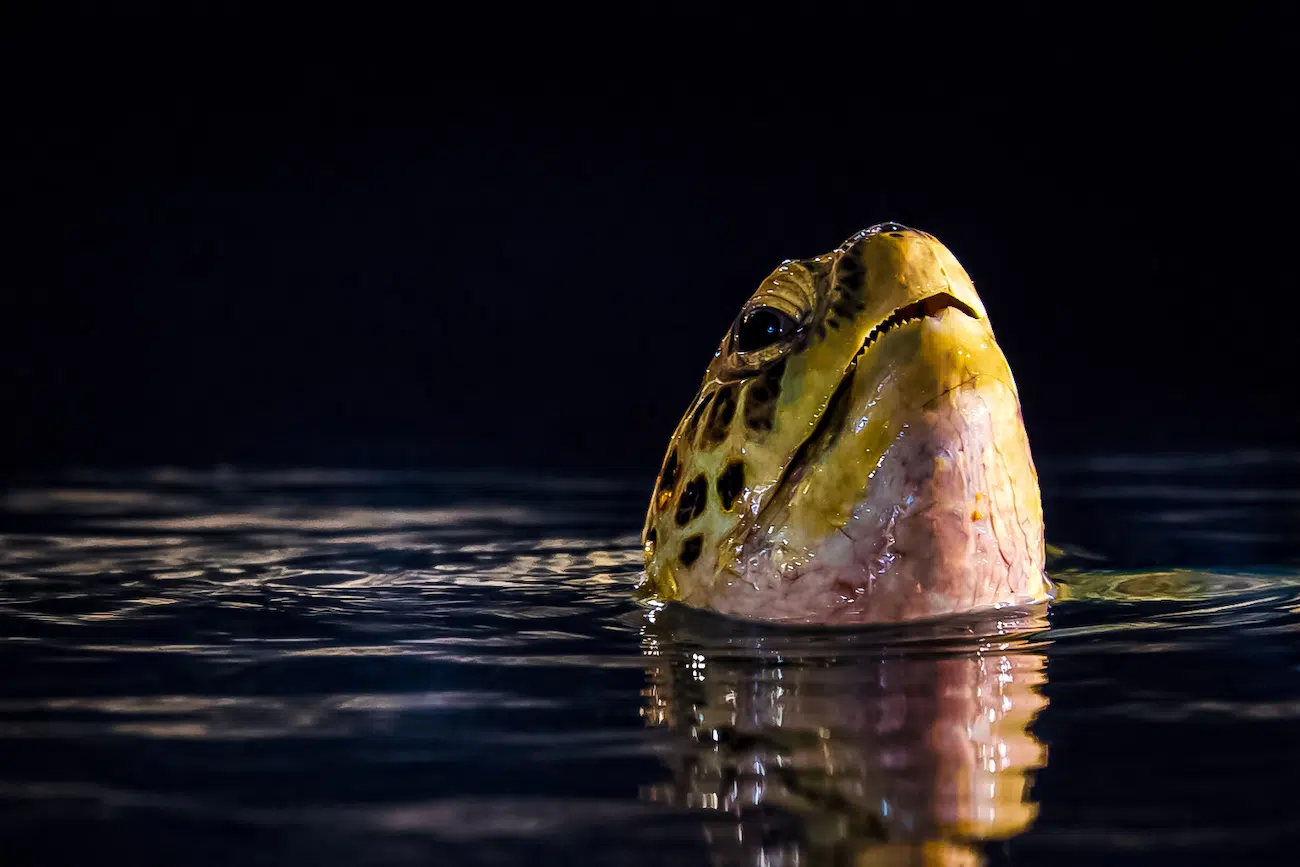
Reptile/amphibian – Winner, “Mid-nap breather,” Dylan Lynch, Green Sea Turtle (Chelonia mydas), National Marine Aquarium. Friday the Green Turtle one among the most charismatic and iconic animals at the National Marine Aquarium in Plymouth. He resides in the deepest tank in the UK.
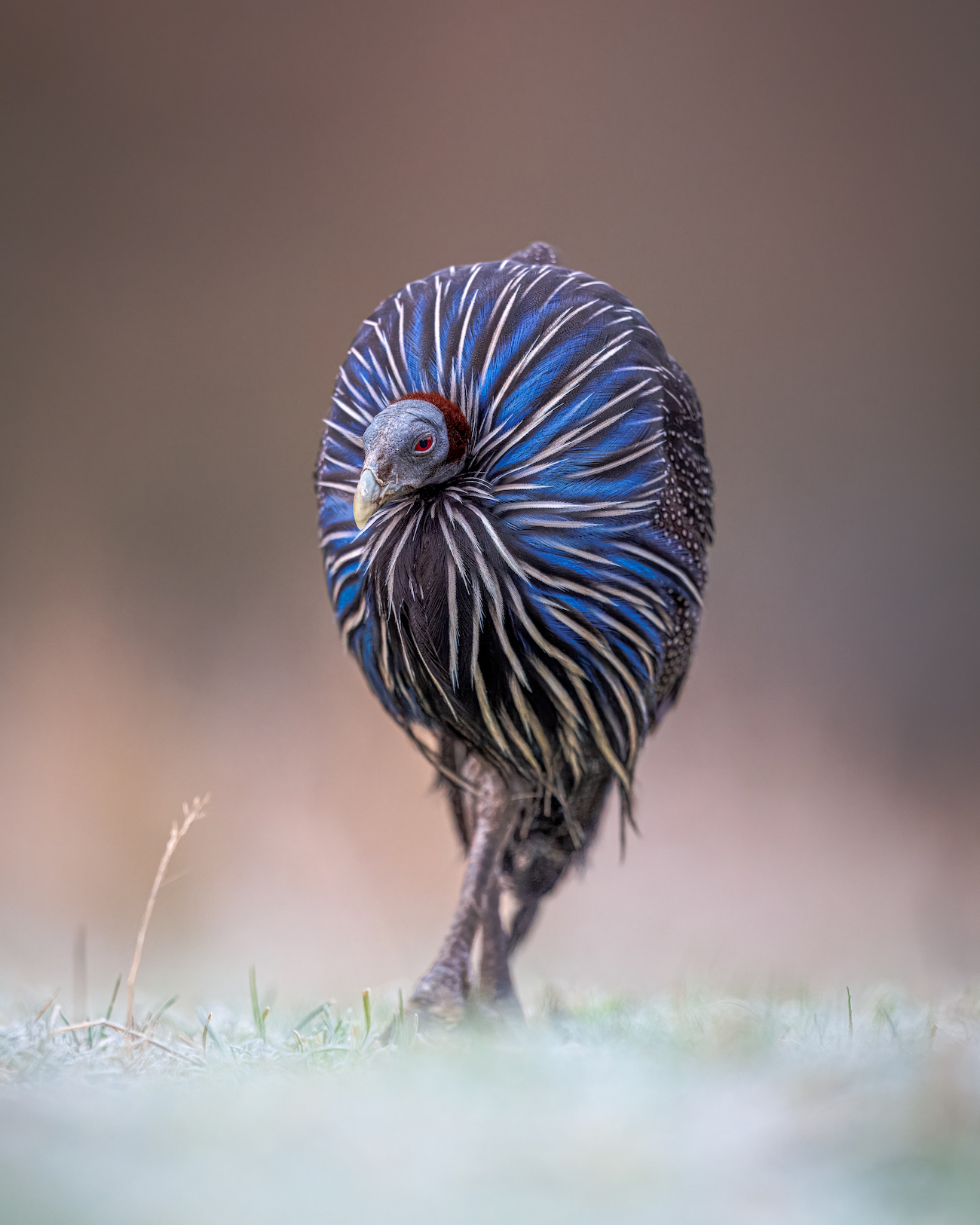
Bird – Winner, “Frosty vulturine,” Gareth Clifford, Vulturine Guineafowl (Acryllium vulturinum), Watatunga Wildlife Reserve. The photographer took great lengths to take this shot during an early January sunrise experience at Watatunga Wildlife Reserve in Norfolk. Vulturine Guineafowl are known for their distinctive appearance.
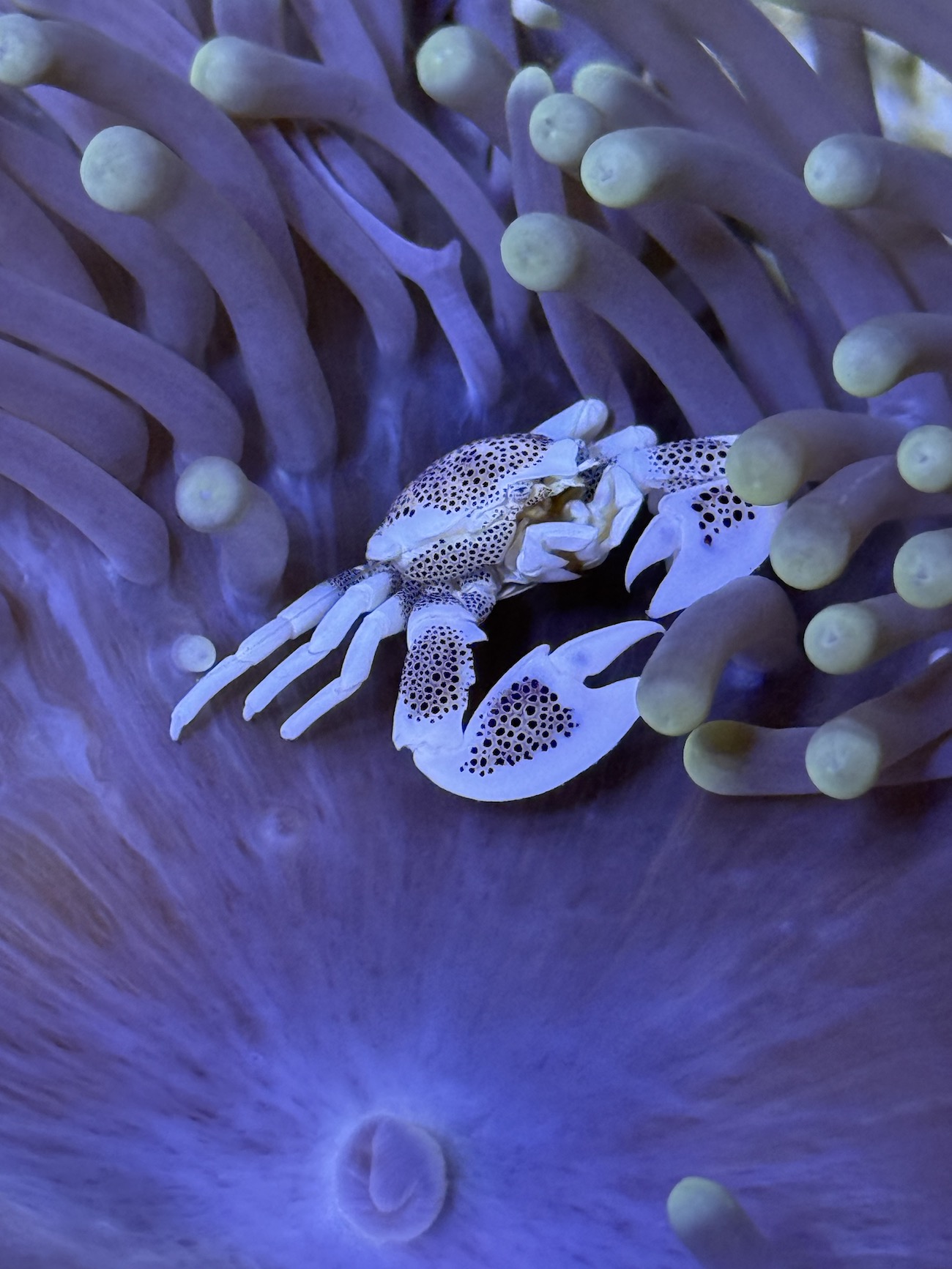
Invertebrate – Winner, “Small crab, big anemone,” Ellie Richards, Porcelain crab (Neopetrolisthes maculatus), Oceanarium Bournemouth. When visiting an aquarium, keep an eye out for the tiny creatures! This little porcelain crab at Oceanarium Bournemouth is often missed as it is found within the stinging tentacles of an anemone, which it is unbothered by.
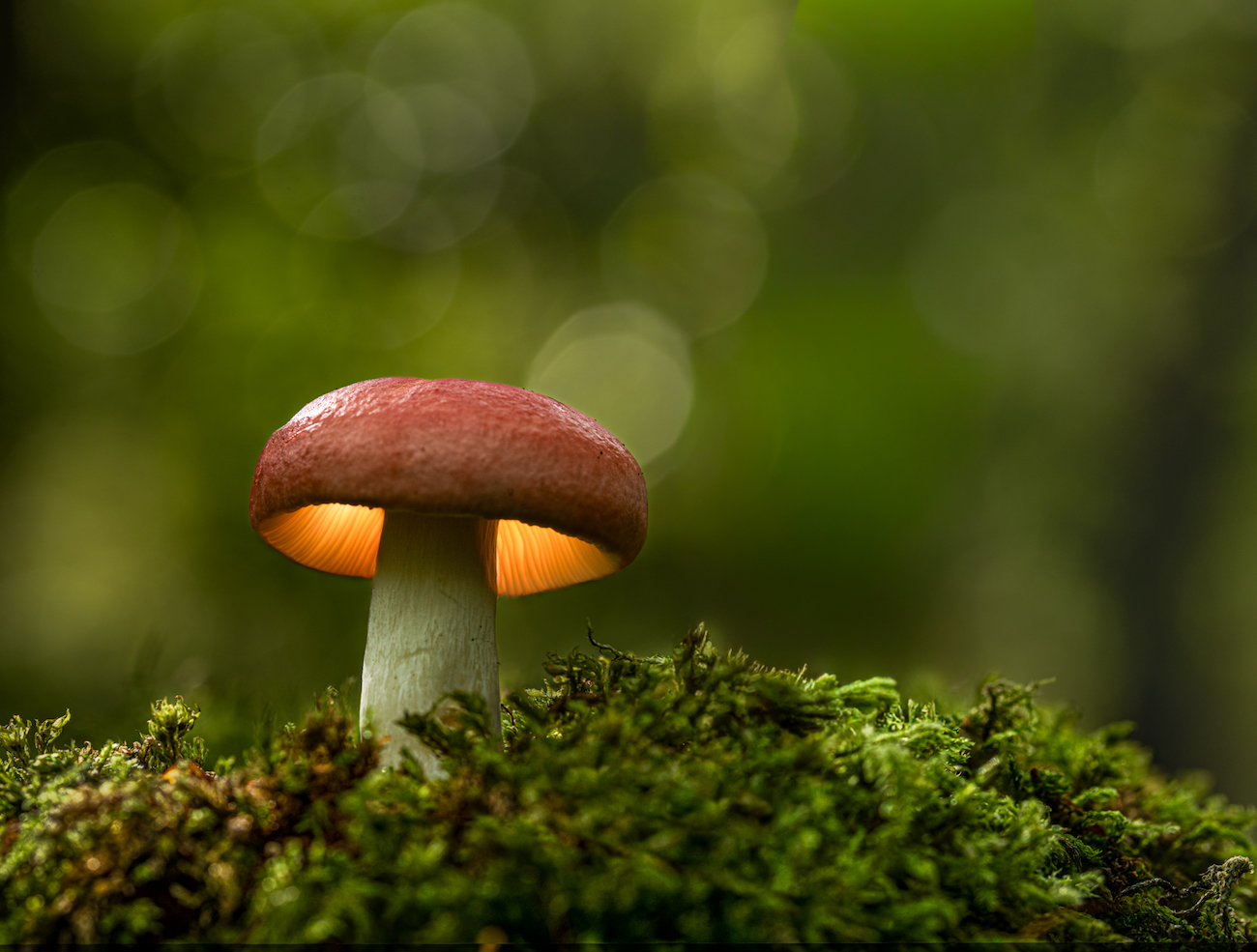
Native species – Winner, “Forest Lantern,” Peter Baird, Beechwood sickener (Russula nobilis), West Calder. Fungi are increasingly becoming part of the conservation picture, as ecologists realise their importance in forest habitats. This photo was taken in West Calder, Scotland.
From zoos and aquariums to wildlife reserves and native habitats, the images showcase animals at every scale.
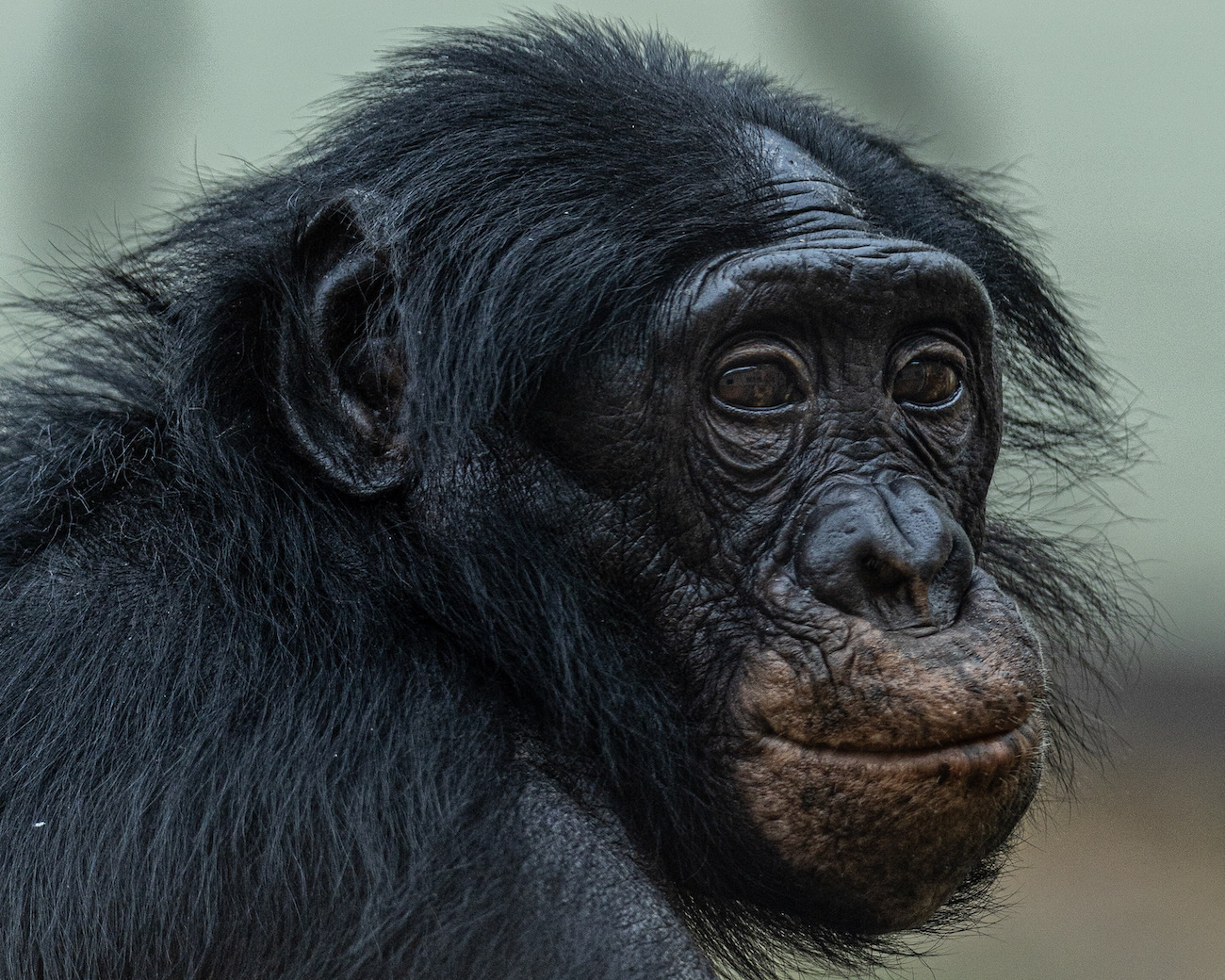
Mammal – Runner-up, “Our Endangered Brothers,” Fred Wall, Bonobo (Pan paniscus), Twycross Zoo. The face of humanity's closest living relative. Bonobos are an Endangered species supported by conservation organisations like Twycross Zoo, the only zoo in the UK which houses all four great apes.
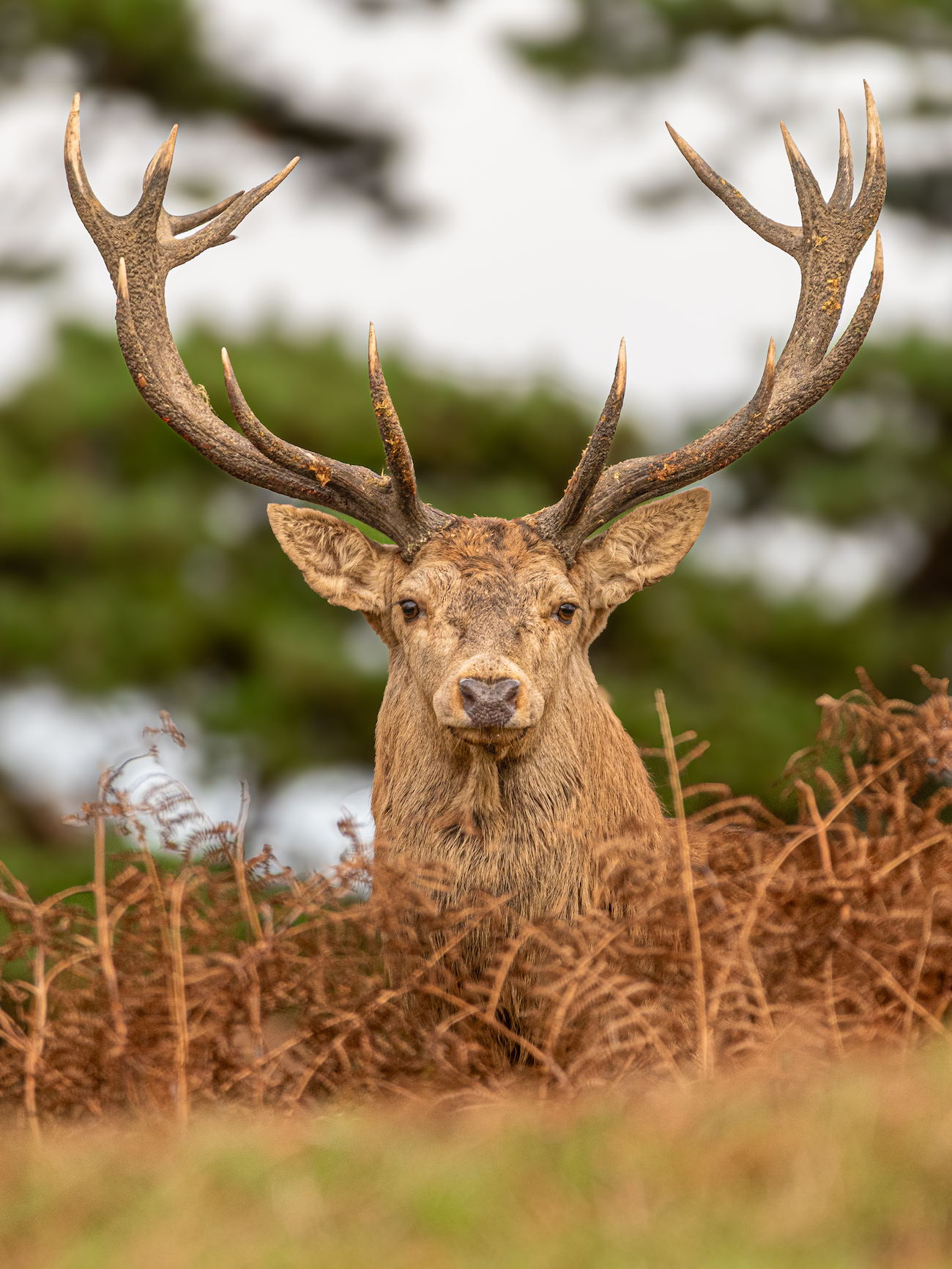
Native species – Runner up, “The Watcher,” Celyn Stephens, Red Deer (Cervus elaphus), Margam Country Park. Representing one of the largest species of deer, this red deer met the gaze of photographer Celyn at Margam Country Park, Wales.
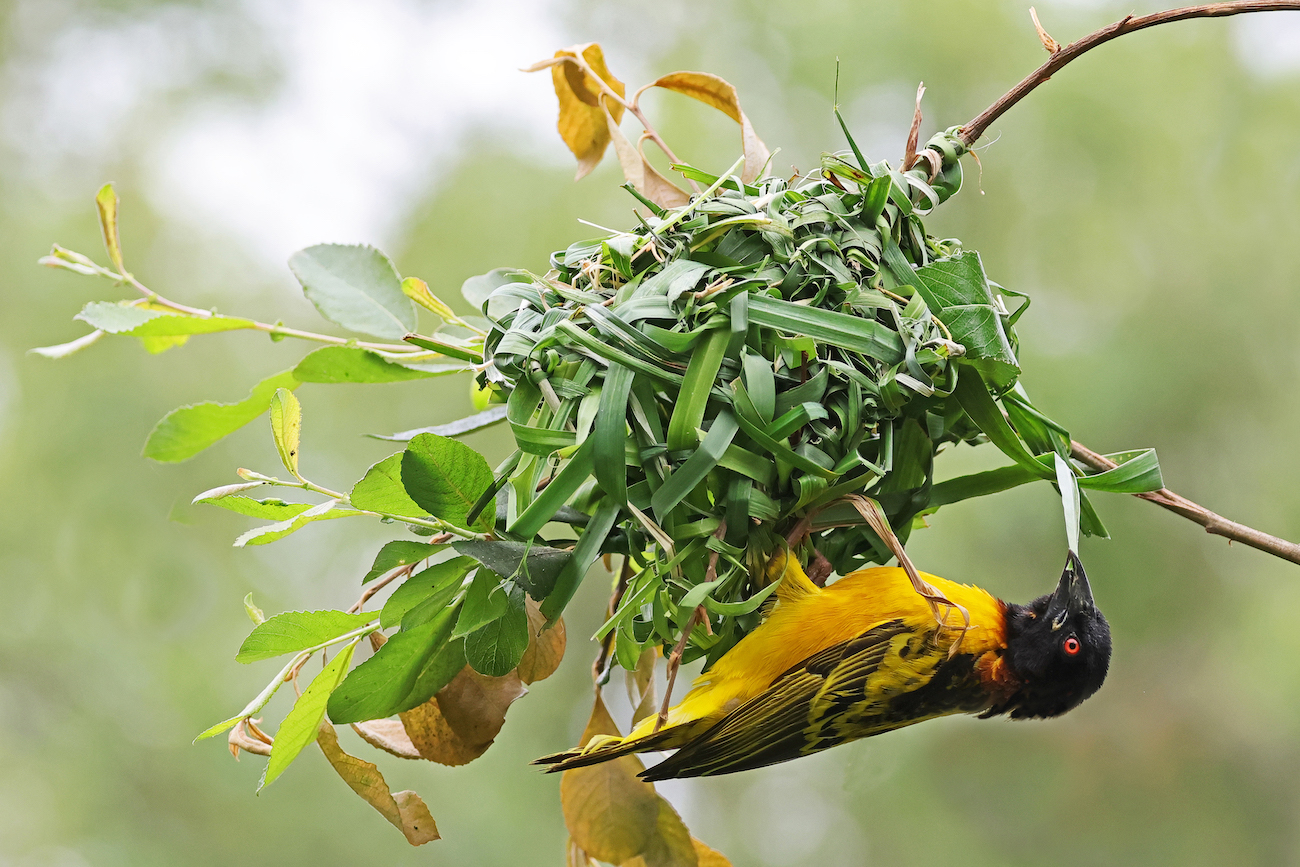
Bird – Runner-up, “Get weaving!” Jonathan Isaacs, Village Weaver (Ploceus cucullatus), Marwell Zoo. At Marwell Zoo’s walkthrough aviary, visitors can delight in watching the weaver birds build their multi-chambered nests.
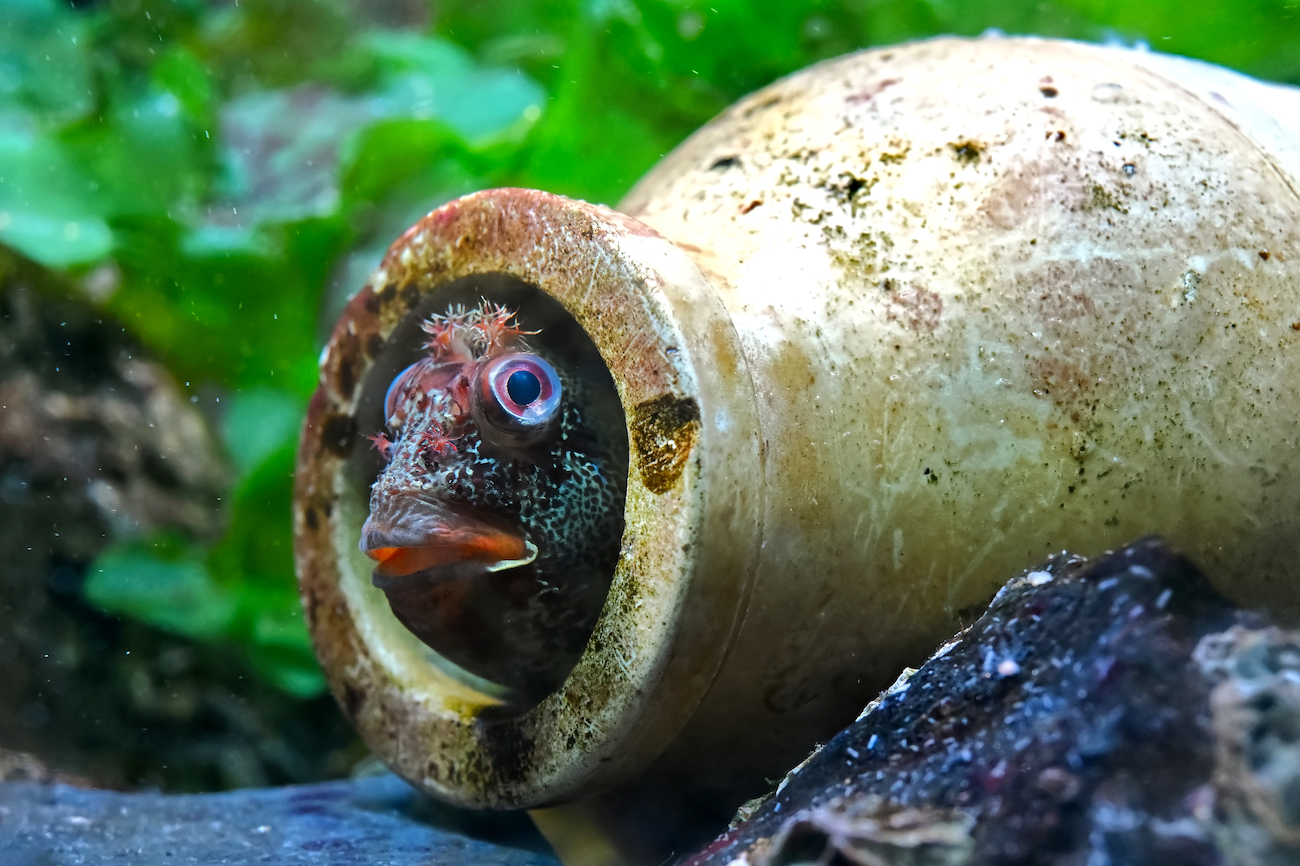
Fish – Runner up, “Tompot’s Pot,” Rebekah Weatherhead, Tompot blenny (Parablennius gattorugine), Sealife Adventure. Local to British shores, tompot blennies are a small fish with a big personality. This individual had chosen the largest pot in its habitat to call home.
This year’s competition also introduced a Human category, recognizing the people working in animal welfare and conservation.
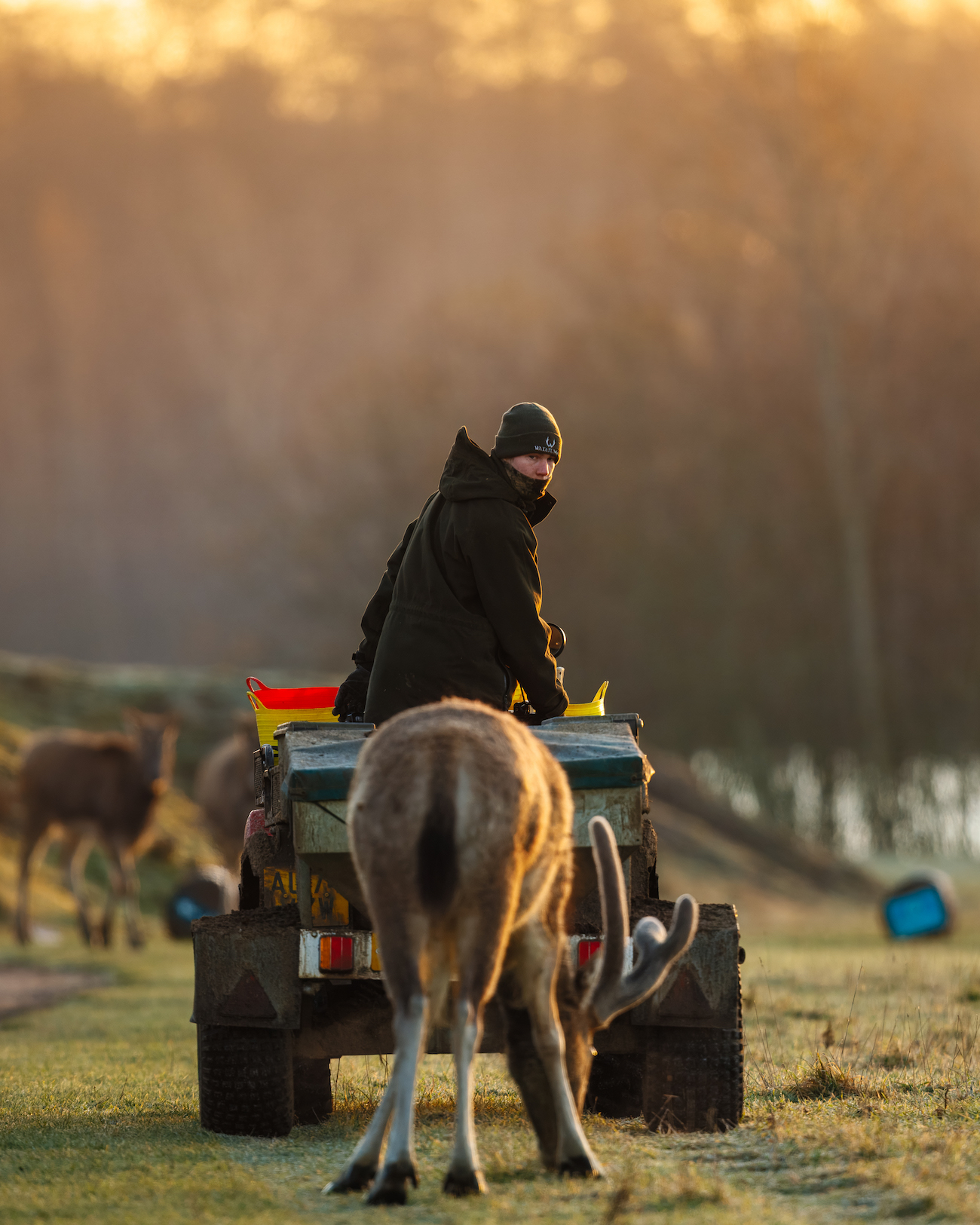
Human – Winner, “Early Rounds,” Gareth Clifford, Watatunga Wildlife Reserve. During the early morning rounds, the Watatunga Wildlife team check on the animals at first light – no small task in a reserve that is 170 acres of woodland, grassland and lakes.
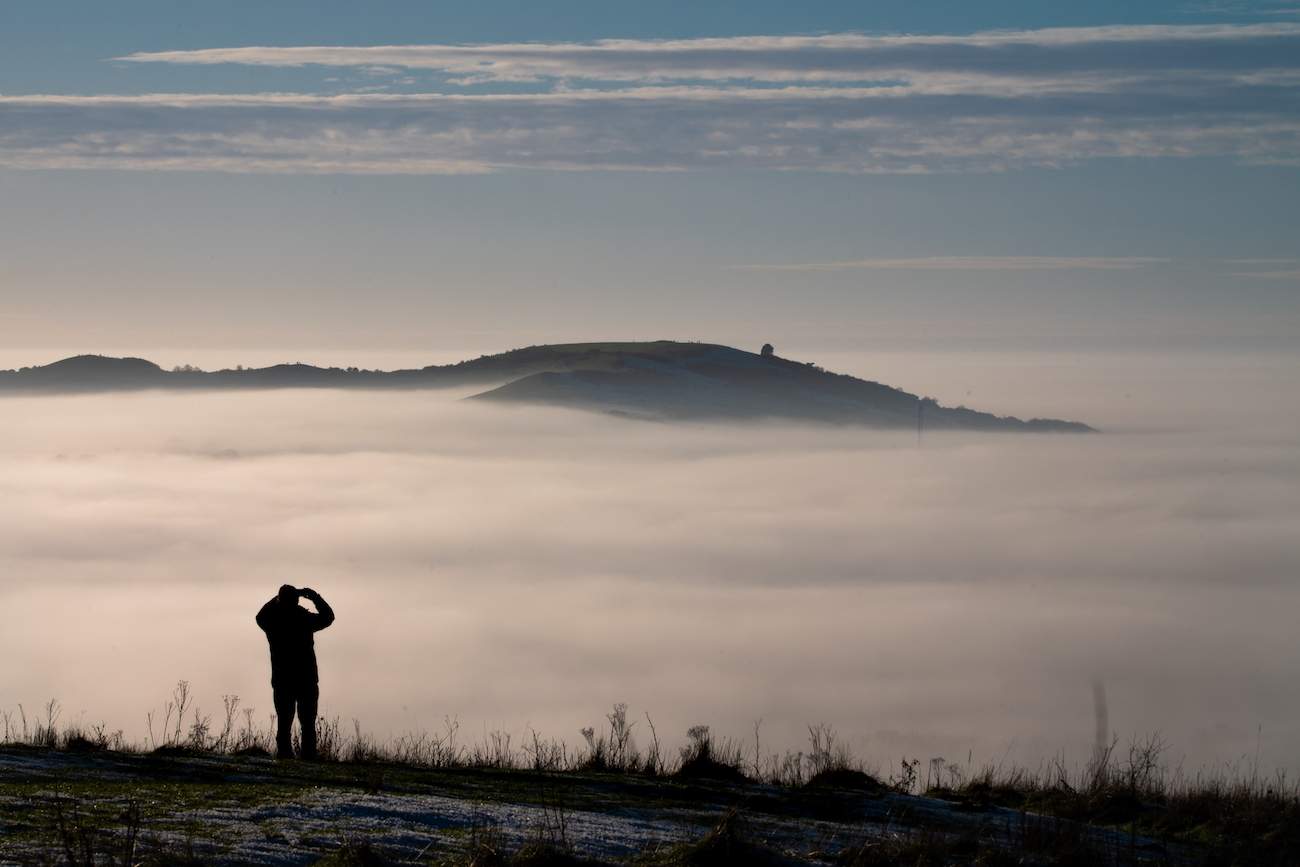
Human – Runner up, “Flooded,” Jo Brown @jobrownphotography, Whipsnade Zoo. Whipsnade Zoo sits atop a hill, providing a stunning view from the penguin habitat. On this day, the fog had collected so thickly in the valley below, that it made photographer Jo feel like they were looking out over an ocean.
The winning photographs will appear in BIAZA’s 2027 calendar, bringing these remarkable encounters with wildlife to an even wider audience.
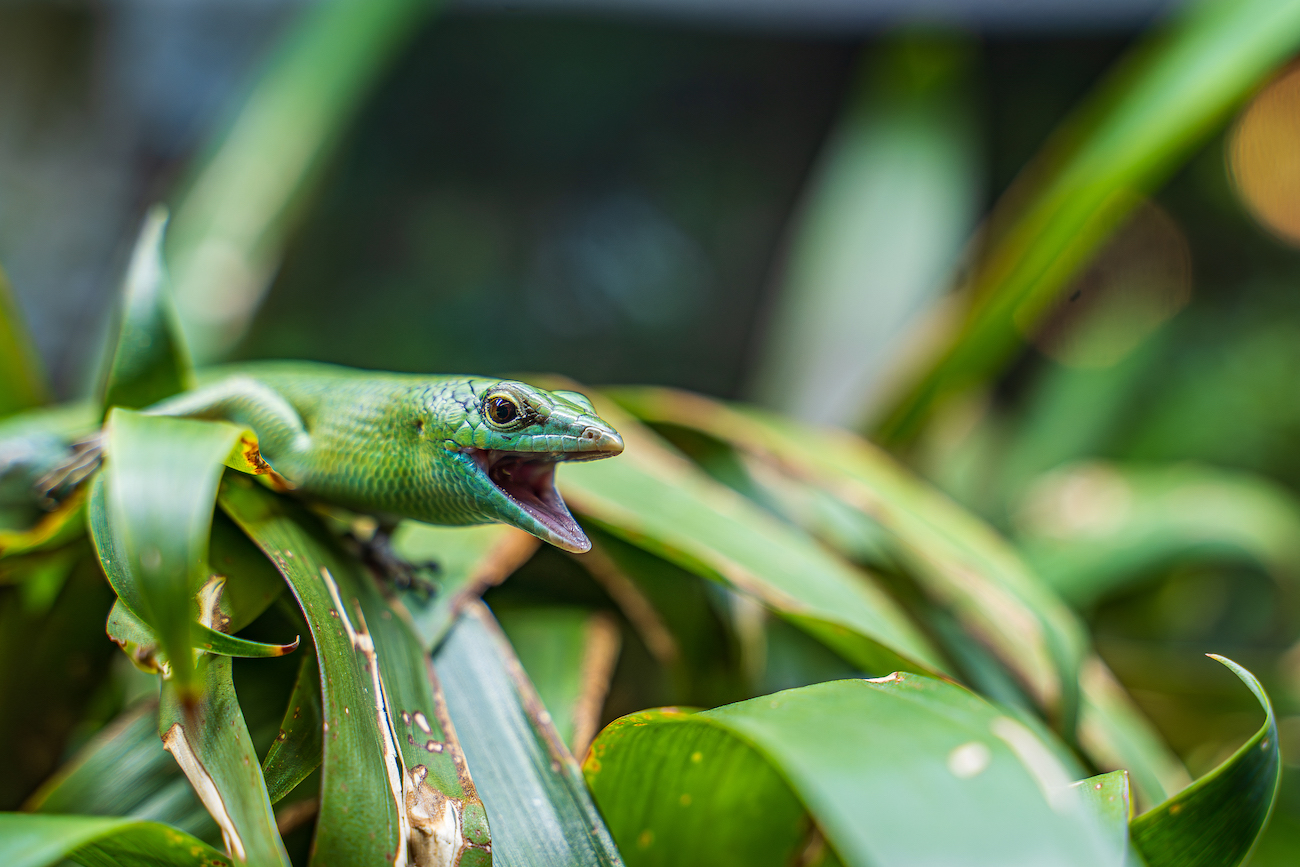
Reptile/amphibian -Runner up, “The Singing Skink,” Jagz Bharth, Emerald Tree Skink (Lamprolepis smaragdina), Hertfordshire Zoo. Hertfordshire Zoo’s Lions of India area, opened in 2025, isn’t just home to lions! There, visitors can also find emerald tree skinks which derive from Southeast Asia.
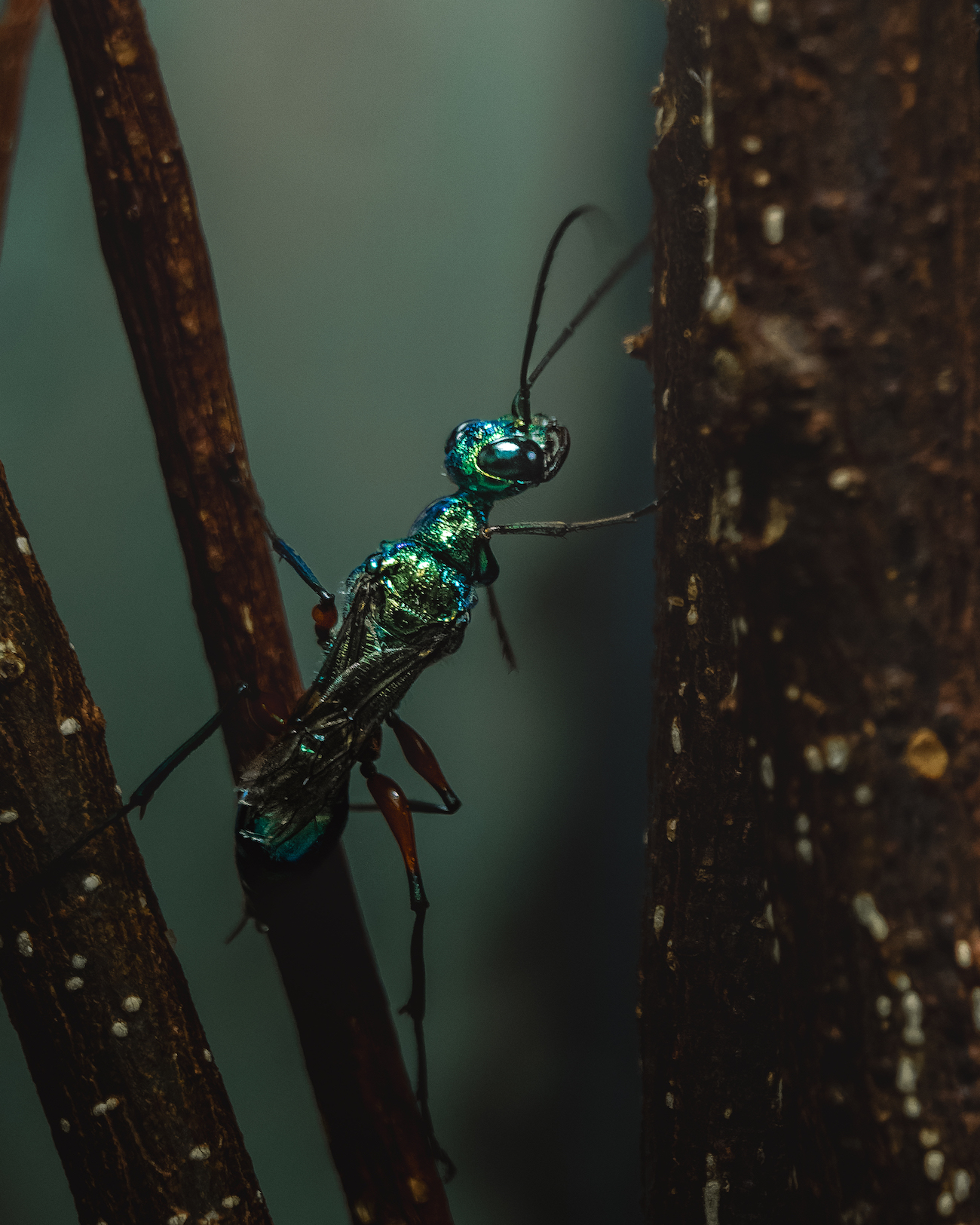
Invertebrate – Runner up, “Cockroach Wasp,” Jennifer-Louise Read, Emerald Cockroach Wasp (Ampulex compressa), Chester Zoo. Beneath the beautiful metallic exterior of these insects is a secret; that each of these wasps begin life emerging from a cockroach host, after consuming its internal organs.
BIAZA: Website | Instagram | Facebook