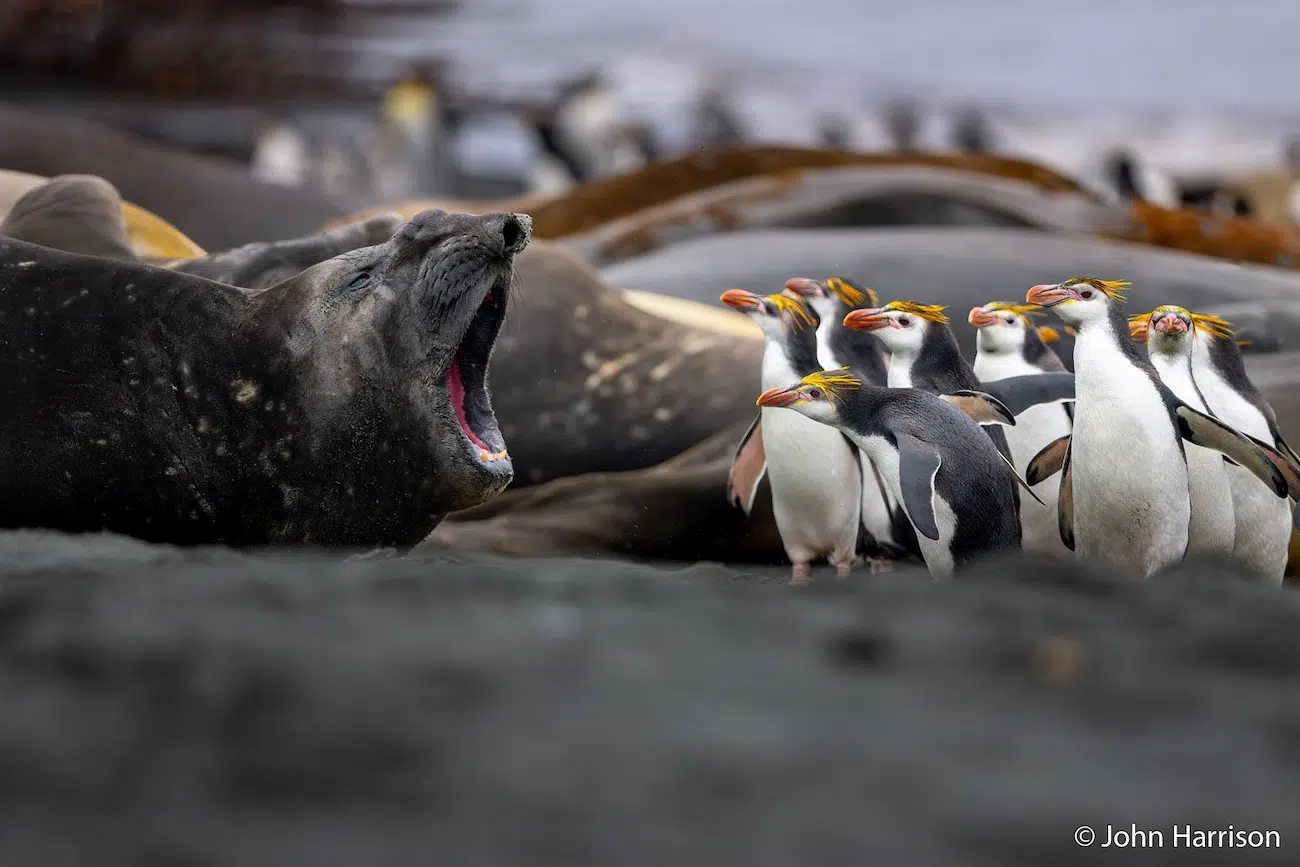
“Right of Way,” by John Harrison. Shortlisted in Animal Behavior.
“A group of royal penguins pause mid-march as an elephant seal voices objection. Confidently striding up the shoreline earlier, the penguins reconsider their route in the face of overwhelming size and sound. This fleeting negotiation between species, where determination meets dominance, shows that even the boldest procession knows when to hesitate.”
The 2026 Australian Geographic Nature Photographer of the Year (AGNPOTY) competition has unveiled its shortlist of 100 incredible images highlighting wildlife and landscapes. Now in its 23rd year, the prestigious contest is hosted by the South Australian Museum, which also showcases the 100 entries in a special exhibition. For 2026, the competition welcomed 2,129 photographs from 501 photographers in 17 countries, which judges then whittled down across the following 10 categories: Animals in Nature, Animal Behavior, Botanical, Macro, Landscape, Threatened Species, Monochrome, Our Impact, Portfolio, and Junior.
The shortlisted entries celebrate the incredible diversity of our world. Some, like photographer John Harrison’s image titled Right of Way, have a humorous bend to them. In his expressive image, a group of royal penguins has paused mid-march as an elephant seal yells at them like a disgruntled neighbor. The rookery stares at the giant creature, suddenly reconsidering its path. Other photos look like something out of a storybook. In Fairyfloss by Lewis Burnett, a tiger snout seahorse swims among a collection of candy-colored coral in vibrant teal water. The feeling evokes magic, like the creature is about to go on an epic adventure.
While some images are funny and others are visually stunning, the category Our Impact centers on tracing the human impact on the environment and wildlife. Bin Turkey by Emma Perry is one photo in the category, which features an “opportunistic brush turkey” looking for food in a trash bin—something that would’ve never happened without our industrialized world.
The AGNPOTY overall winner will be announced on Thursday, August 27, 2026, and a People’s Choice award will be announced in January 2027.
The 2026 Australian Geographic Nature Photographer of the Year competition has just unveiled its shortlist of 100 incredible images. Check out a selection of them:
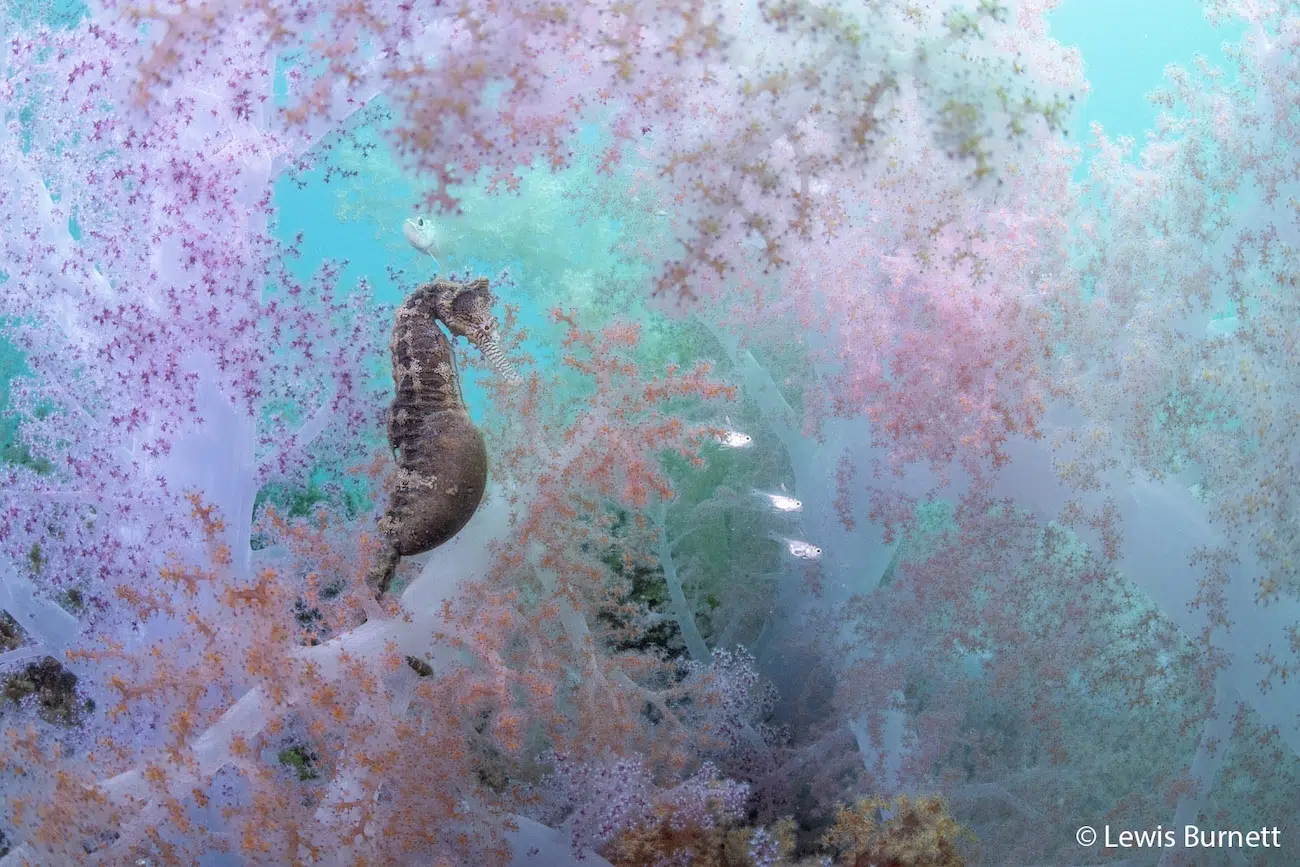
“Fairyfloss,” by Lewis Burnett. Shortlisted in Animals in Nature.
“Fairyfloss depicts the aptly named tiger snout seahorse at home in its kingdom. These seahorses are usually found in murky, sediment-rich environments, which often leads to unappealing images. This site is known for spectacular soft coral growths, so I was able to photograph this iconic species with a background that does them justice.”
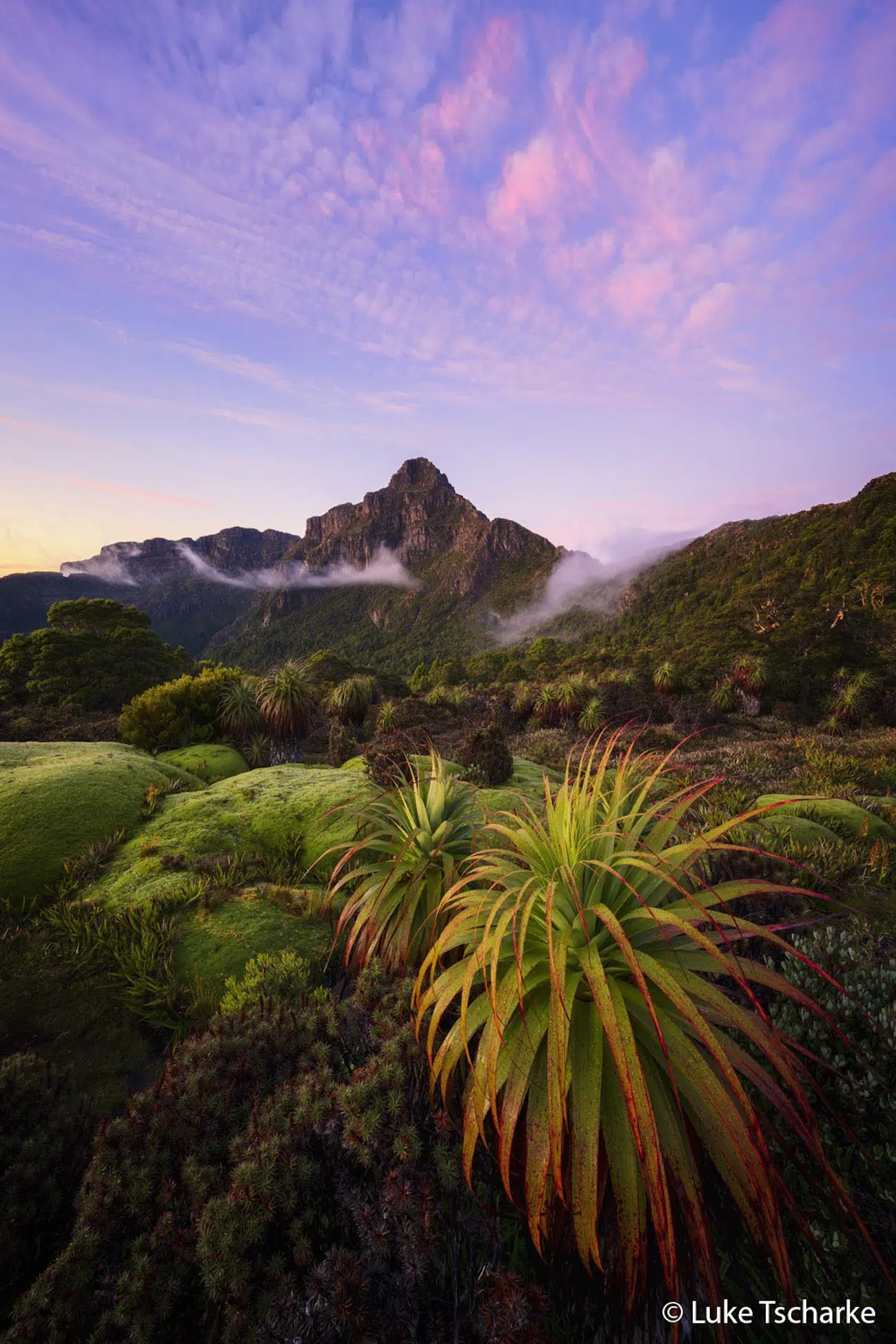
“Heart of the Southwest,” by Luke Tscharke. Shortlisted in Botanical.
“Mount Anne rises above a prehistoric world of pandani and cushion plants deep in southwest Tasmania. A challenging multi-day walk brought me to this ancient landscape at dawn—calm, still, with cloud rolling off the ridgeline above. To me, this is the very heart of Tasmania's wild southwest.”
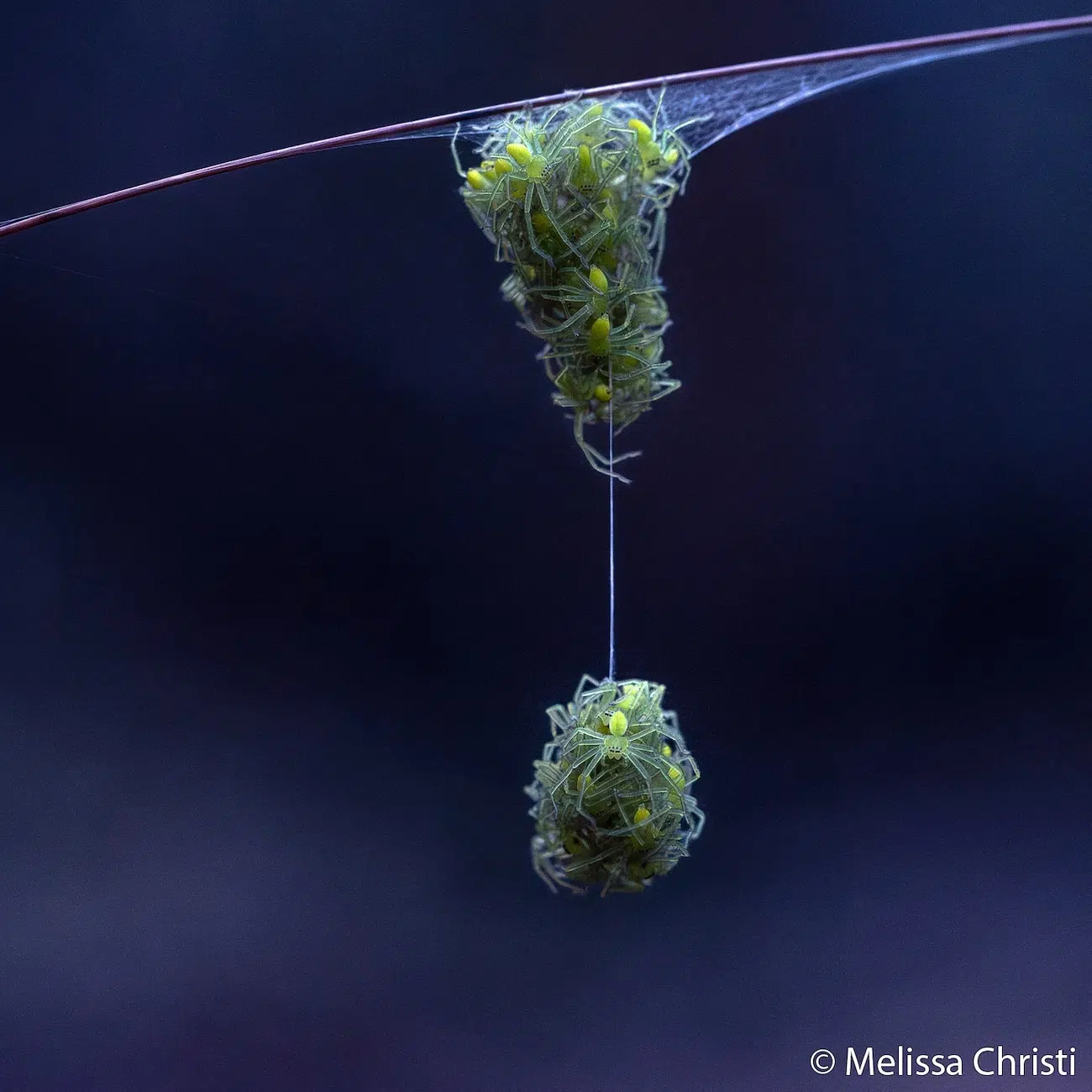
“Spider Piñata,” by Melissa Christi. Shortlisted in Macro.
“We spotted a faint yellow blob nestled in the grass; tiny spiderlings clustered after hatching. They do this to stay safe while they absorb egg nutrients and complete their first moult. Something had disturbed them, as a small clump of spiderlings dangled by a thread—not unlike a small piñata!”
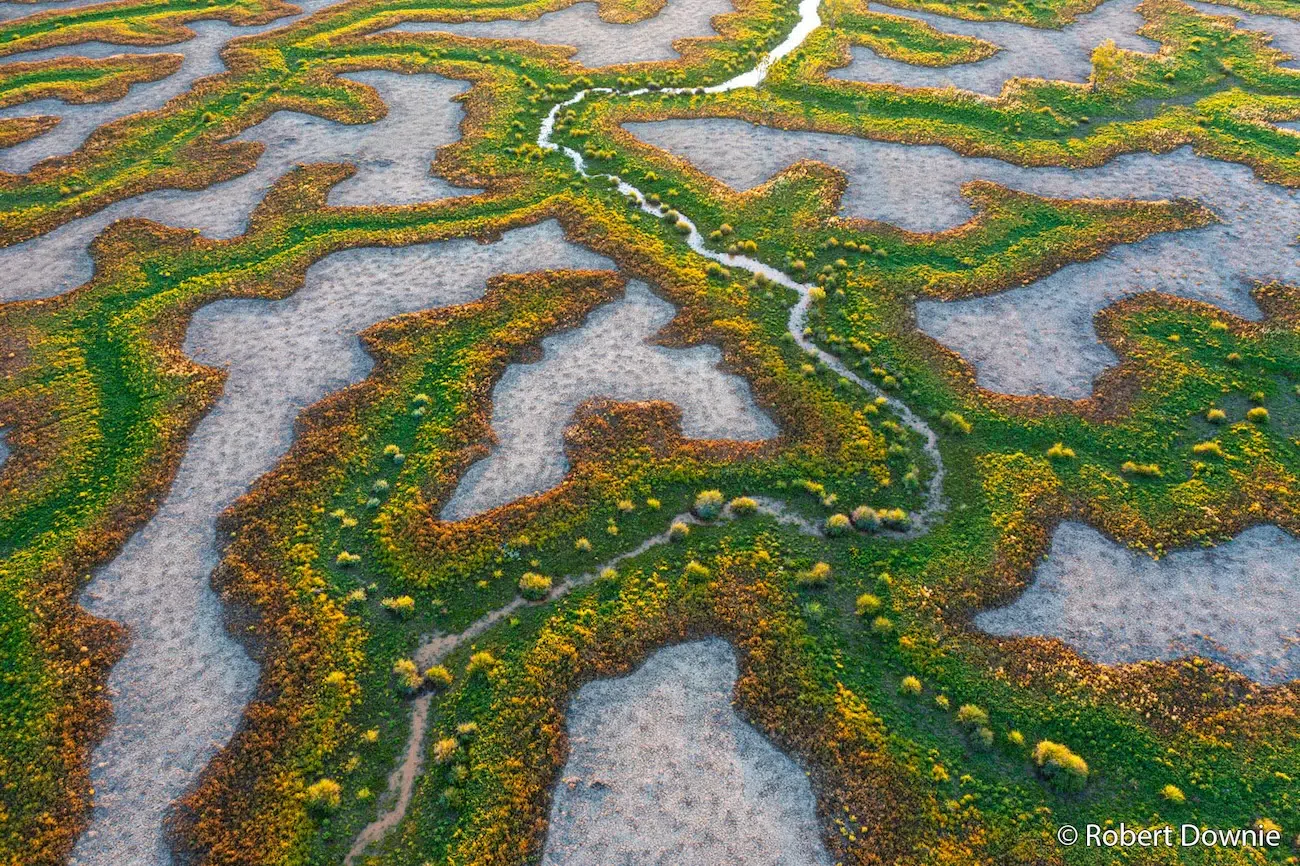
“Lifeblood,” by Robert Downie.
“Water transforms the outback when rare floods sweep down from central Queensland, filling channels carved over millennia. Reached after days of four-wheel driving across outback floodplains, this fleeting landscape exists for only weeks. From the air, its veins of water reveal a story older than memory.”
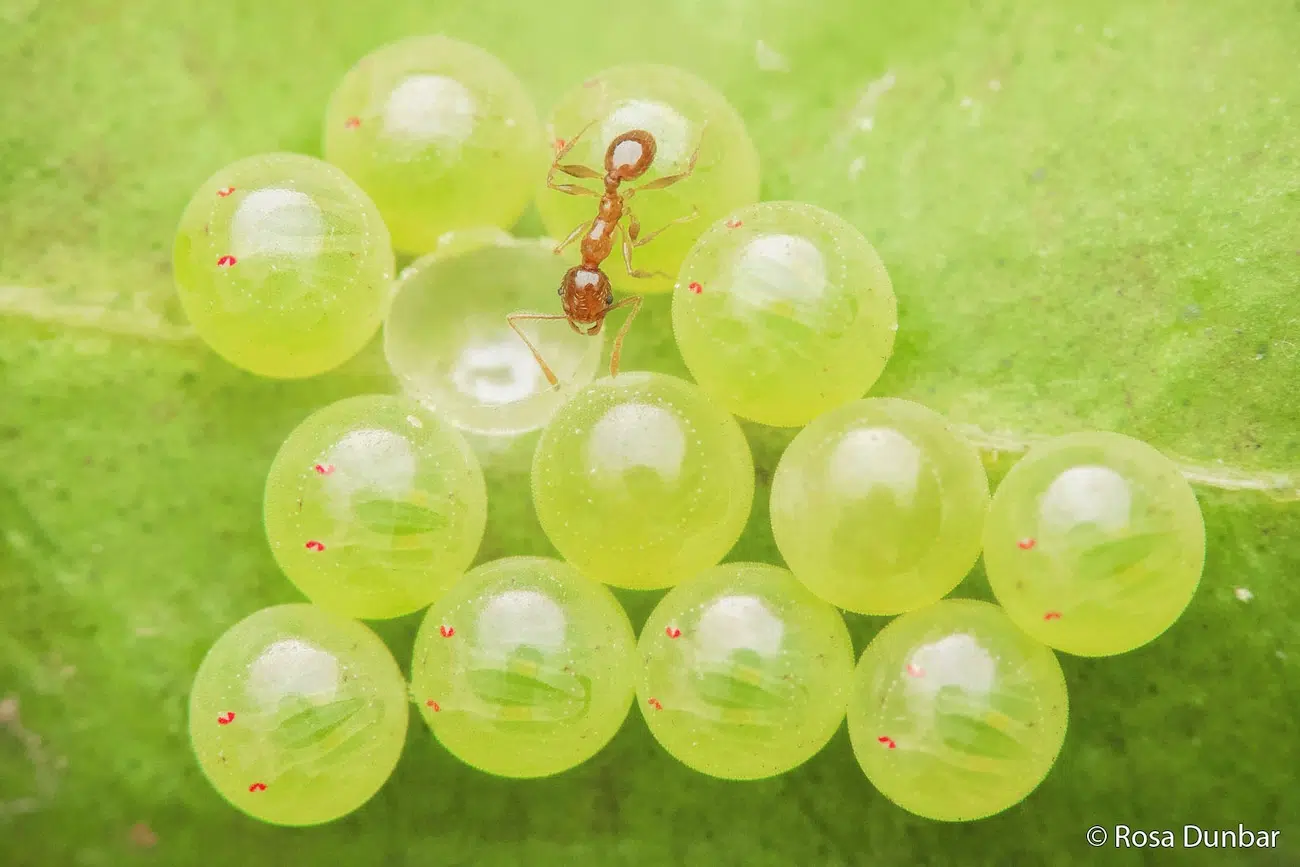
“New Beginnings,” by Rosa Dunbar. Shortlisted in Macro.
“Translucent green nymphs of the bronze orange bug cluster near their emptied egg raft after hatching. During this first instar stage, they remain aggregated before dispersing following moulting. Their pale green colouration provides effective camouflage, making them difficult to detect. They are often mistaken for other insect species.”
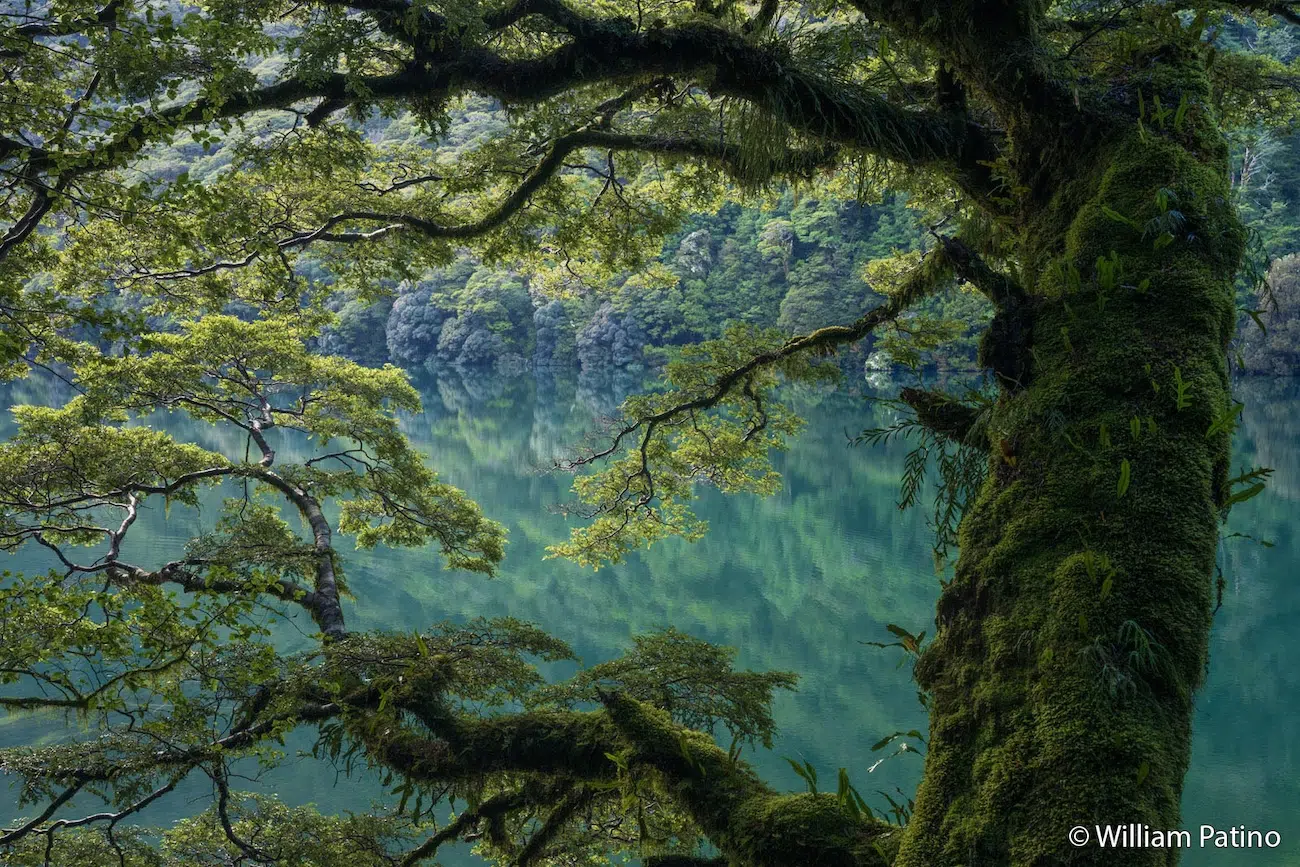
“Wetland,” by William Patino. Shortlisted in Botanical.
“Dominated by sphagnum moss, bog pines and lichens, this wetland boasts a myriad of colours. It’s well hidden and best appreciated from the air, in this case, from a small helicopter. Once I spotted the tree, we worked the angle to showcase the reflective light and colour from the glowing clouds above.”
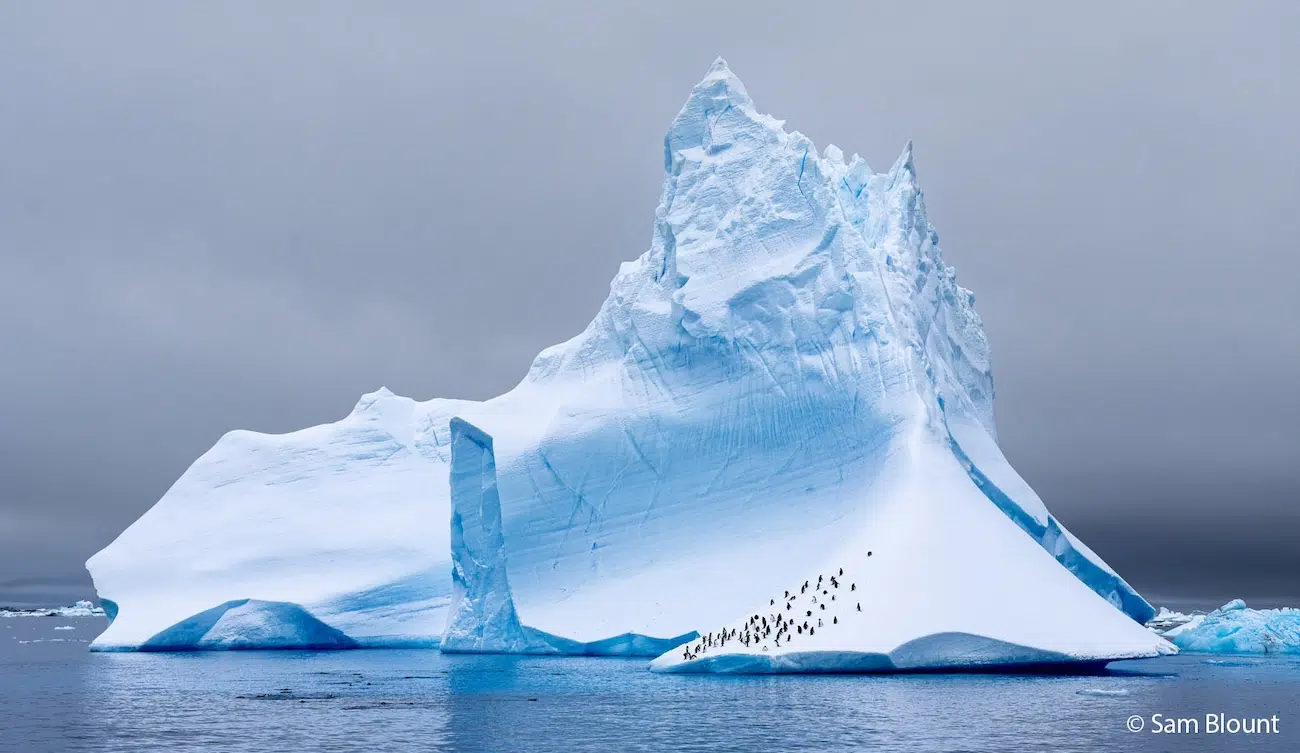
“Penguin Playground,” by Sam Blount. Shortlisted in Animals in Nature.
“After a few months cruising through Antarctica, we came across this beautiful iceberg. This group of penguins was taking a break while the rest were swimming in the calm water. I always loved watching these birds transform from uncoordinated to graceful as they left the ice and entered the water.”
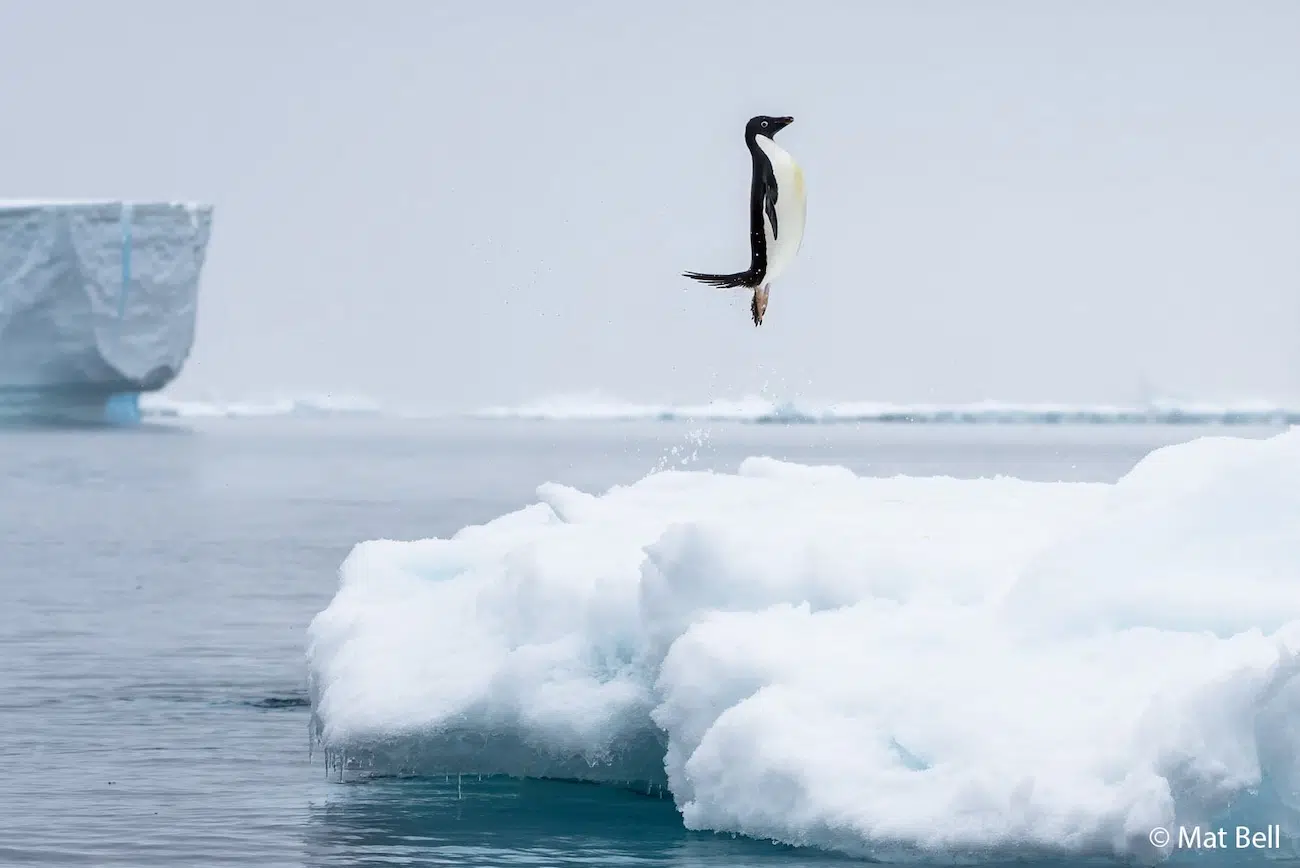
“Penguin Pose,” by Mat Bell. Shortlisted in Animals in Nature.
“Huddled in a Zodiac boat in icy waters off the Antarctic Peninsula, I waited patiently for an Adélie penguin to propel itself from the water to the safety of an iceberg. Persistence delivered as I captured this penguin in an almost levitational-like state, as if posing for the camera.”
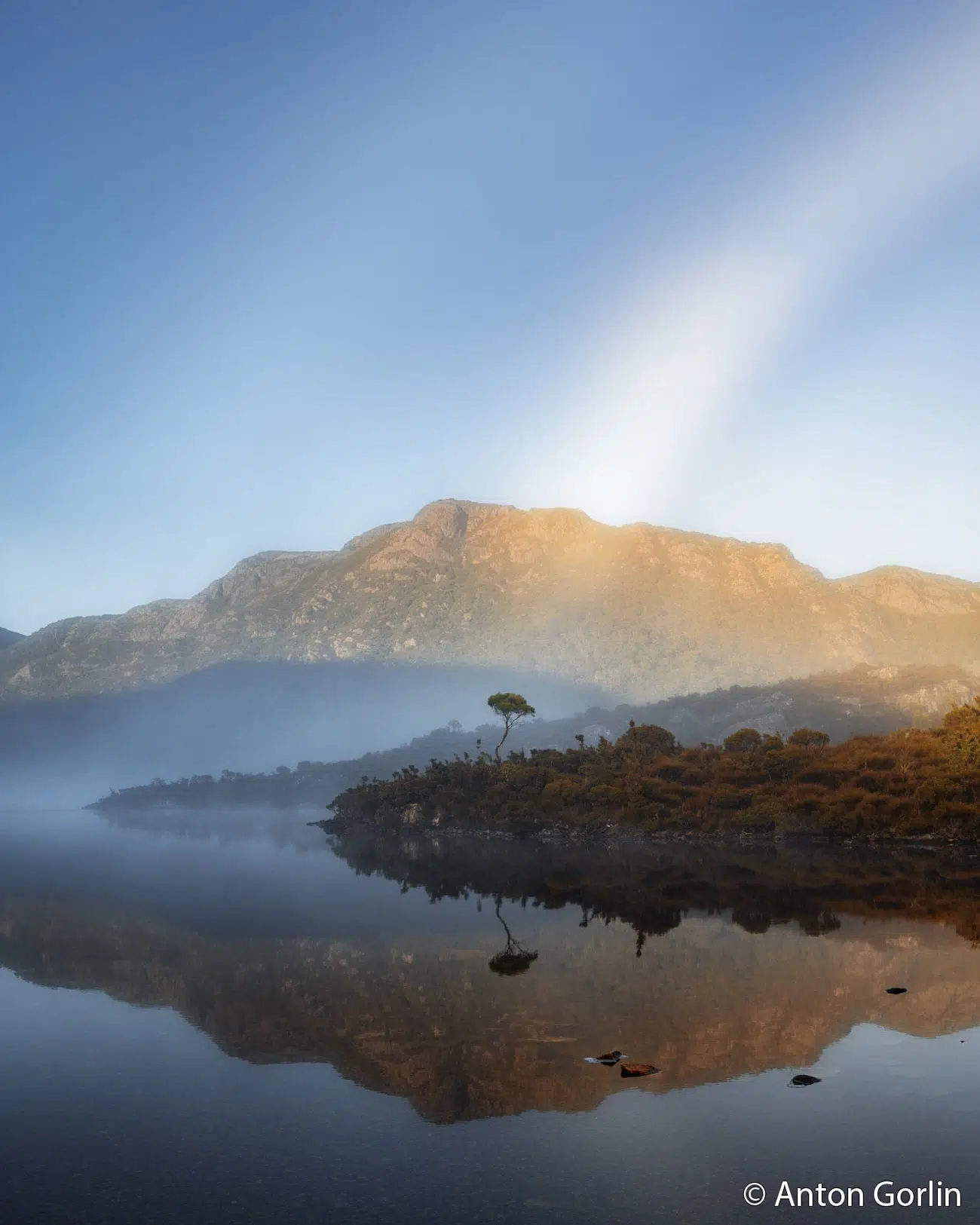
“Aether Link,” by Anton Gorlin. Shortlisted in Landscape.
“Captured at Dove Lake in Cradle Mountain-Lake St Clair National Park on a calm, foggy autumn morning. As the sun rose, a fogbow briefly formed above the still water. The absence of wind and diffused light simplified the landscape, softening the boundaries between land, water and sky.”
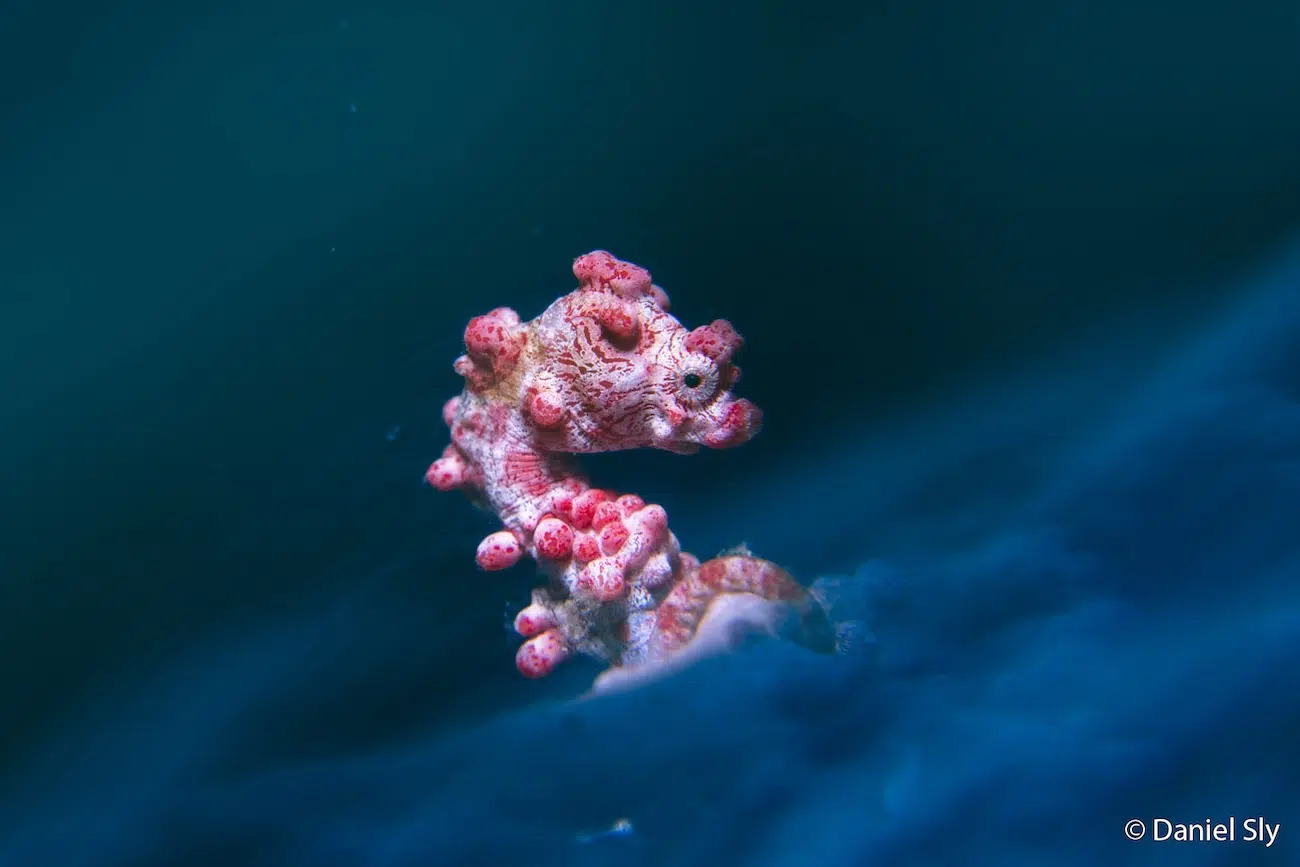
“Pygmy Seahorse Portrait,” by Daniel Sly. Shortlisted in Macro.
“A pygmy seahorse clings to a pink gorgonian sea fan, blending seamlessly into its surroundings. A narrow beam of light isolates the tiny subject from the reef, while a slower shutter speed transforms its habitat into a soft, dreamlike blue.”
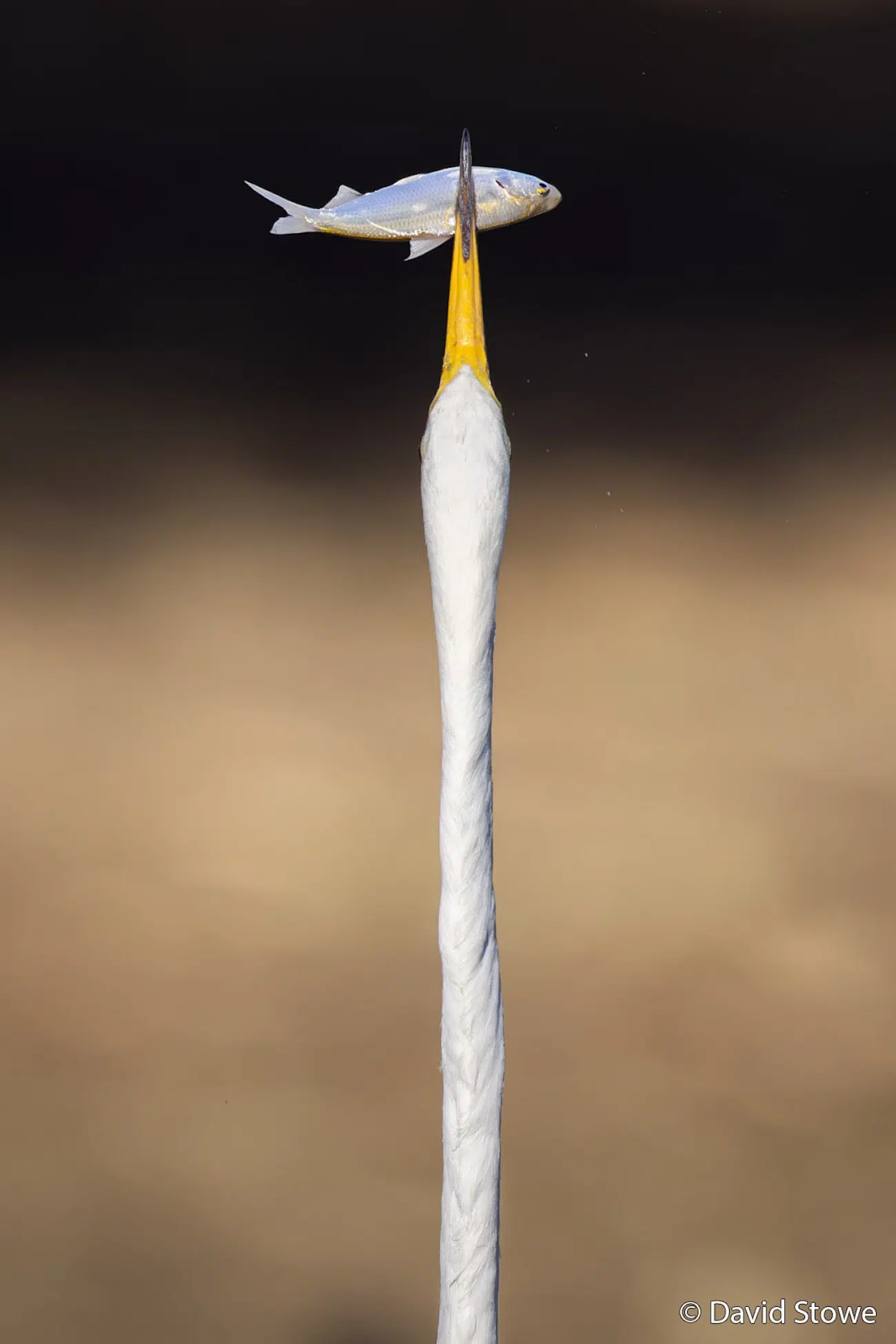
“Spearfishing,” by David Stowe. Shortlisted in Animal Behavior.
“As flooding from the Lachlan River subsided, large numbers of waterbirds were feeding in a drying waterhole. When this great egret plucked a fish from the water and lifted it high as he walked away, I was able to create a striking image, showing off the egret’s long, spear-like neck and bill.”
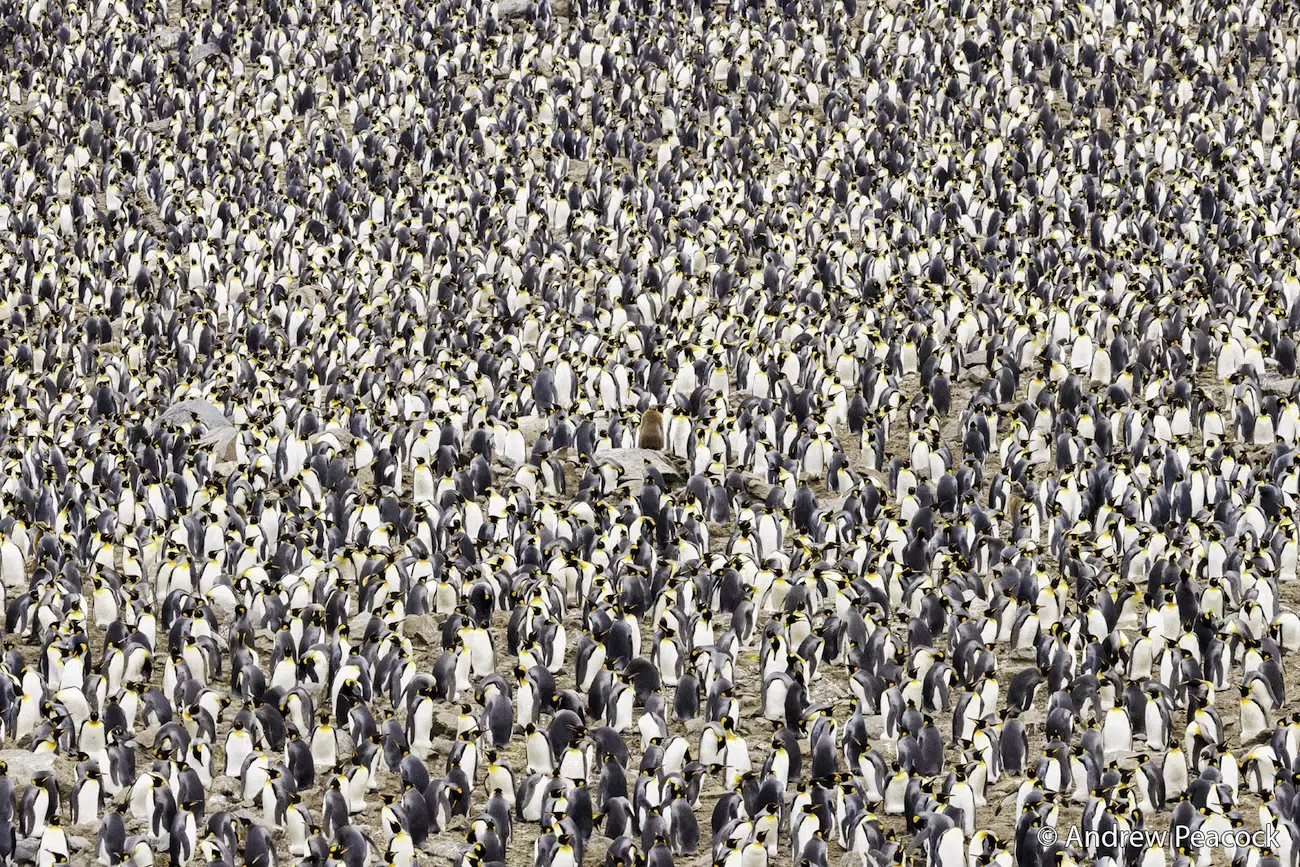
“Oakum boy,” by Andrew Peacock. Shortlisted in Animals in Nature.
“Incongruously, a single king penguin chick stands atop a rock surrounded by adults in the world’s largest breeding colony of this species. ‘Oakum Boy’ is a historical nickname given by sailors because the chicks’ appearance reminded them of oakum, a pine-tar-soaked flax fibre used to seal gaps in wooden ships.”
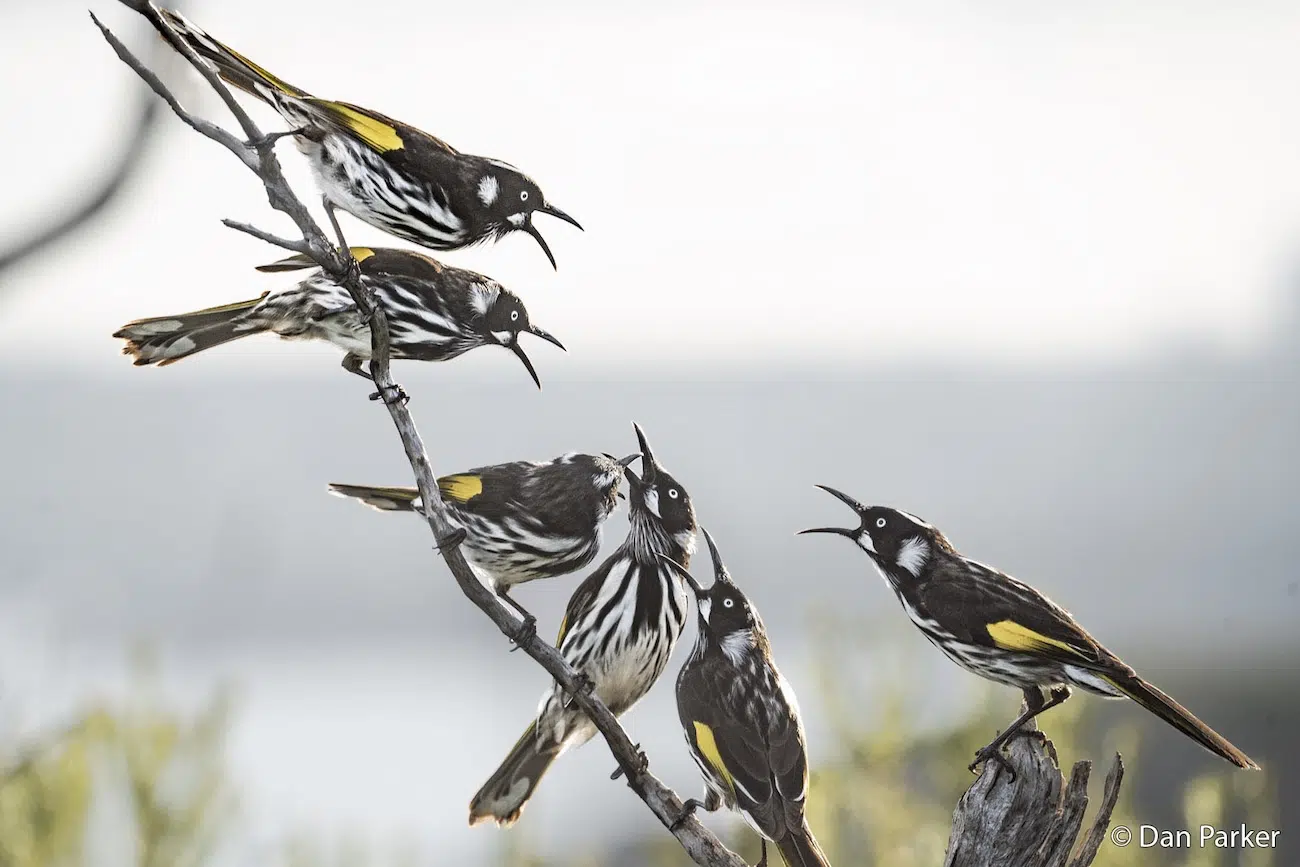
“Chattering Honeyeaters,” by Dan Parker. Shortlisted in Junior.
“The sun was nearly setting. I’d been watching them for the last five hours, flitting between the shrubs that covered the headland, fighting mid-air and chattering non-stop in large groups. I wanted to capture this action and, luckily enough I managed to get a shot I was pretty happy with.”
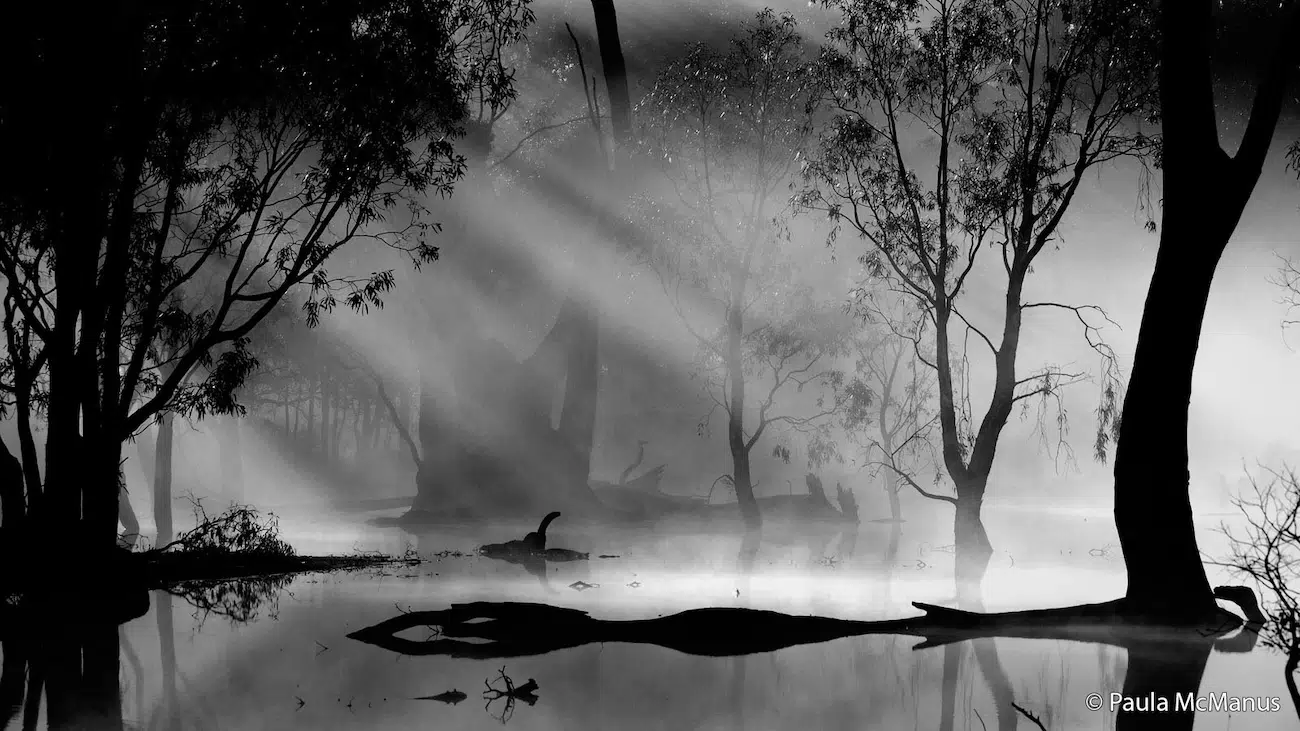
“In the Morning,” by Paula McManus. Shortlisted in Monochrome.
“Mullinger Swamp is a protected area just outside of Kybybolite, near Naracoorte in South Australia. The swamp straddles the border of South Australia and Victoria. We waited four days for local cloud and rain to clear, and when it did, we were rewarded with this magnificent sunrise and low-lying fog.”
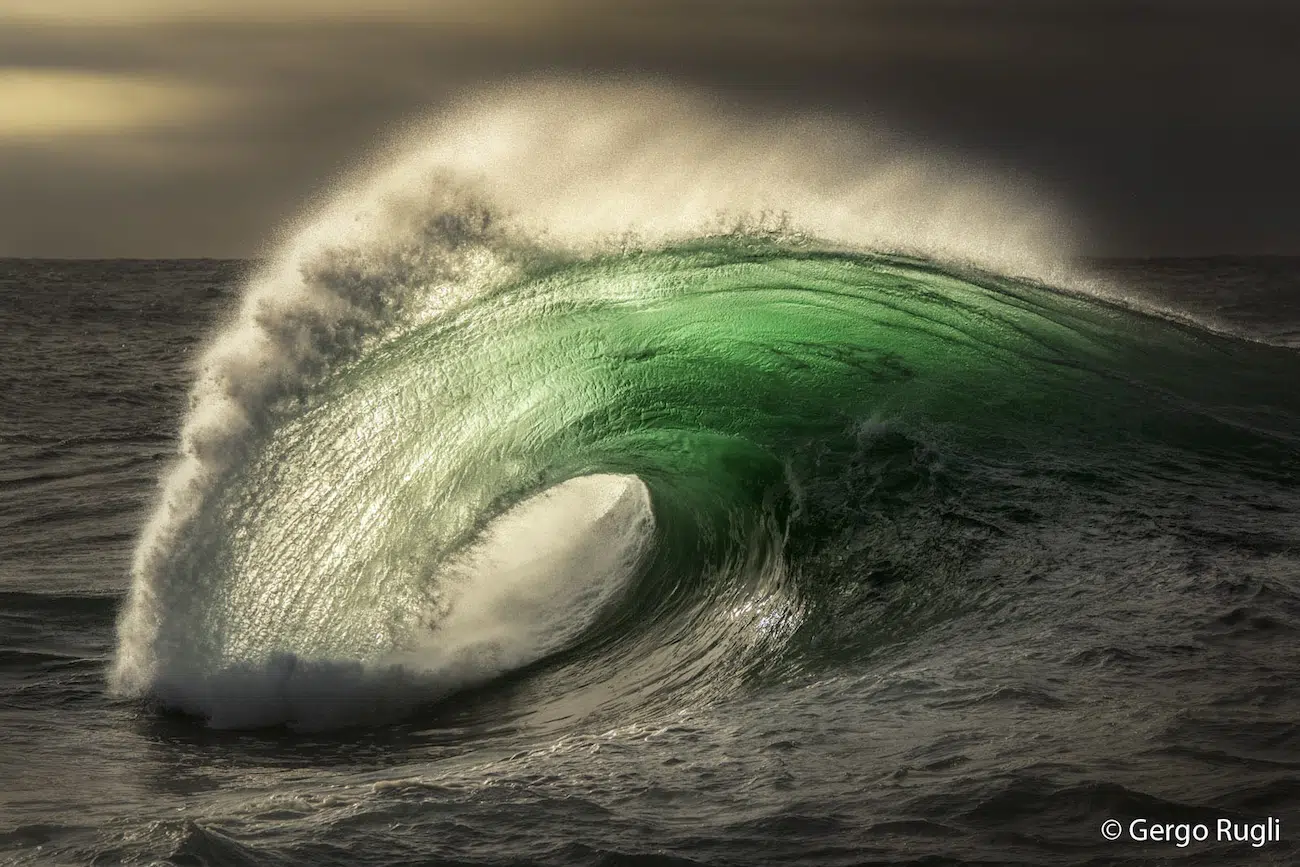
“Nereus,” by Gergo Rugli. Shortlisted in Landscape.
“After forecasts predicted a 10–15-foot swell, I woke at 3 am to make the 3-hour drive south from Sydney through heavy rain. As the storm cleared at sunrise, a narrow break in the clouds briefly illuminated a perfectly formed wave breaking over the reef.”
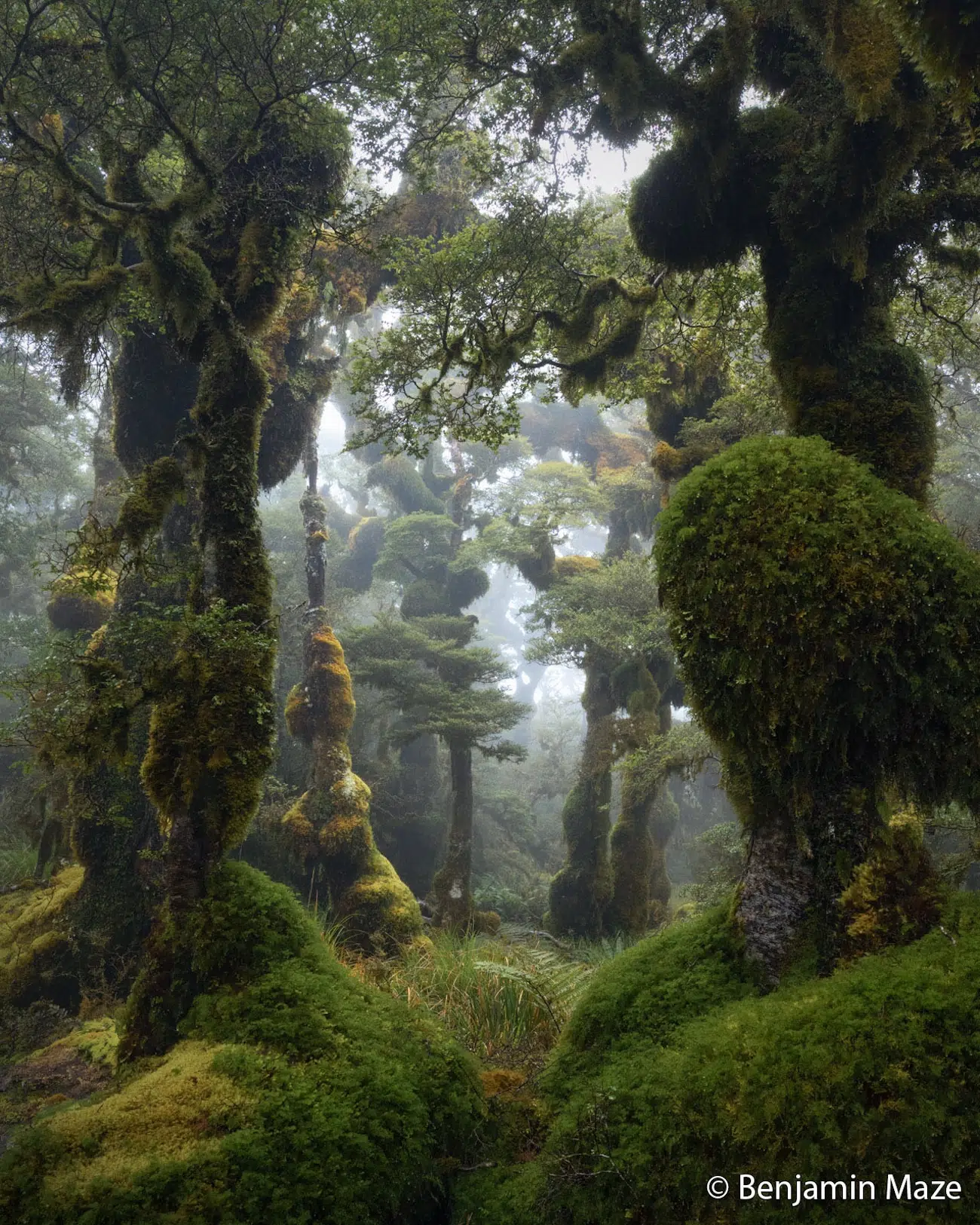
“Creatures in the Shadows,” by Benjamin Maze. Shortlisted in Landscape.
“New Zealand’s alpine goblin forests are really something to behold. These stunted beech and kāmahi trees take on shapes, contours and proportions that are almost grotesque at times, which is only further personified seeing them in the rain and fog. It’s easy to let one’s imagination run wild in a forest like this.”
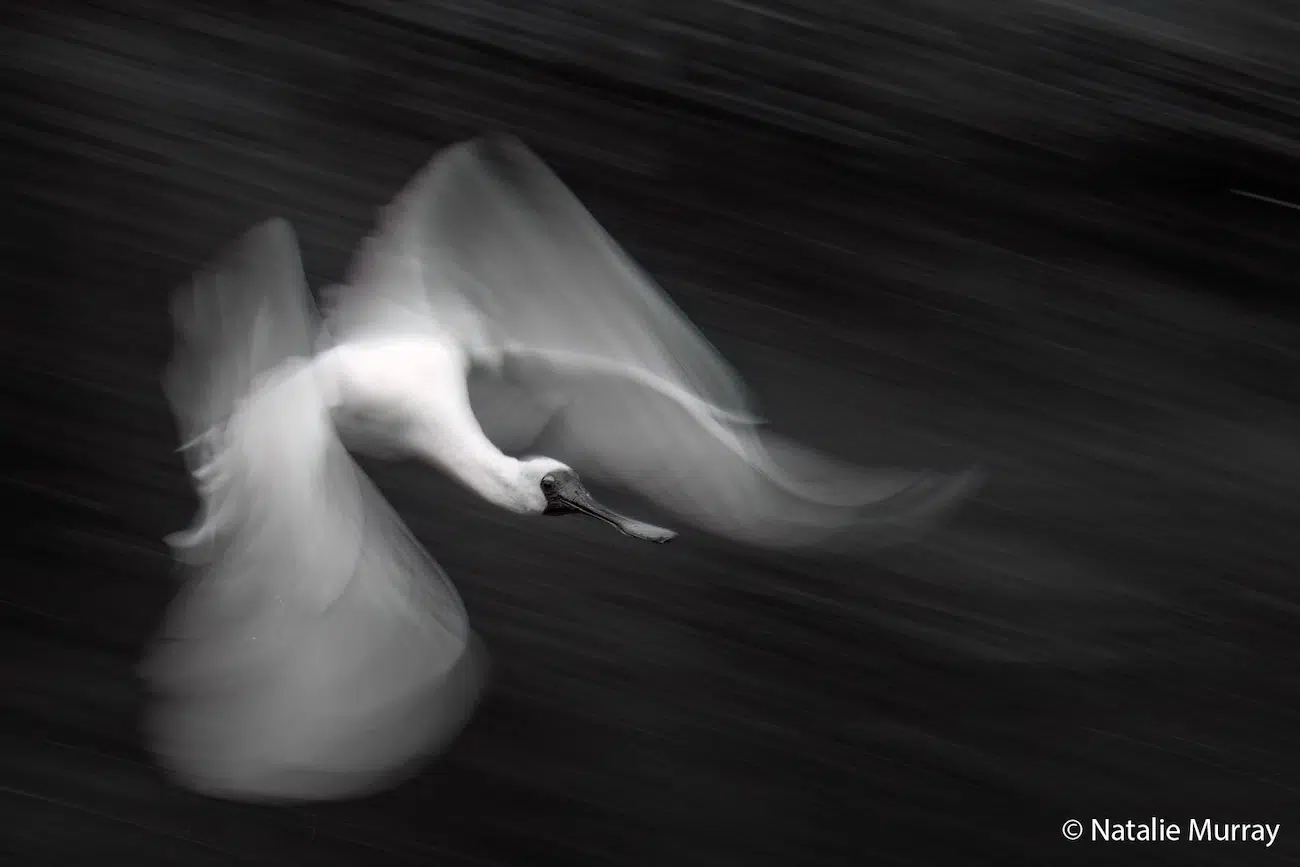
“Flight of Fantasy,” by Natalie Murray. Shortlisted in Monochrome.
“This slow-shutter panning shot was taken one morning at my local suburban wetland, where one bird would suddenly chase another, possibly in a territorial dispute. The motion blur trades clarity for a creative sense of movement and energy. This technique results in many failed attempts before capturing a keeper.”
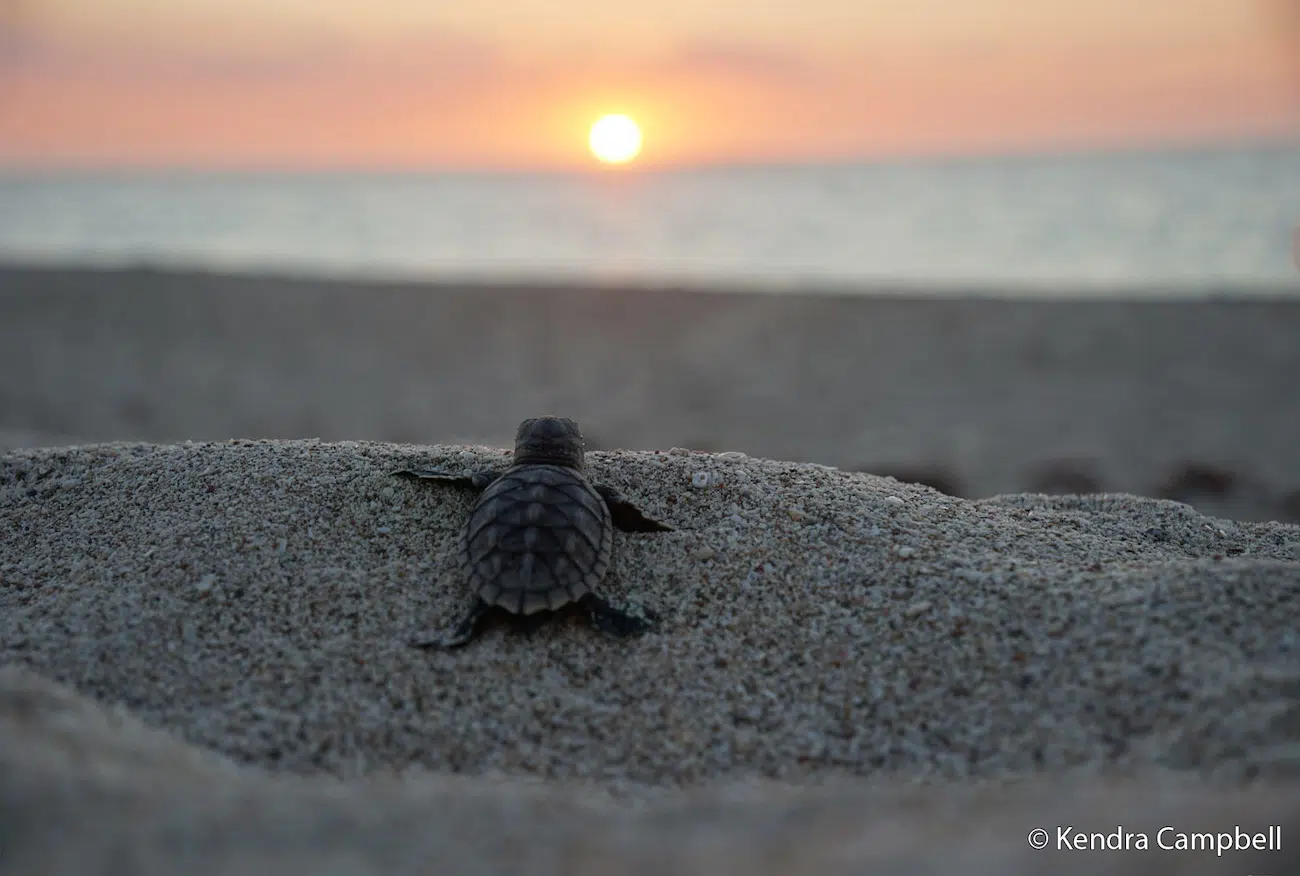
“One in 1,000,” by Kendra Campbell. Shortlisted in Threatened Species.
“As I lay on the sand behind this hatching nest at sunset, I thought about how the statistics are against their survival. Then, that this may be the one in 1,000 that survives against the odds, returning to this same beach to nest in several decades.”
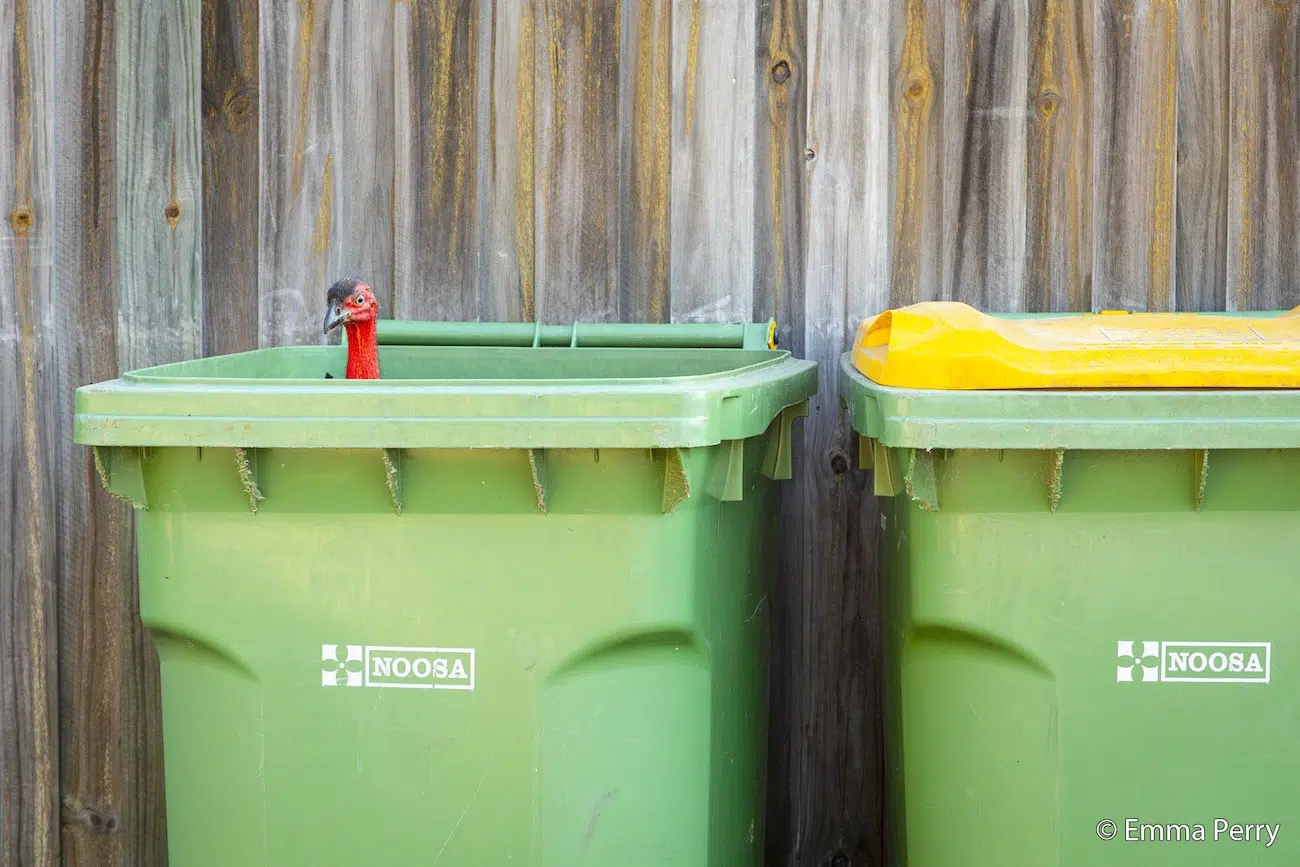
“Bin Turkey,” by Emma Perry. Shortlisted in Our Impact.
“While camping in Queensland, I noticed an opportunistic brush turkey foraging for food through the rubbish bin.”