


Recent Articles

Updated Today
August 28, 2026

Take a Look at the Creatures Seen in the First-Ever Locally Led Deep Sea Expedition in Trinidad and Tobago

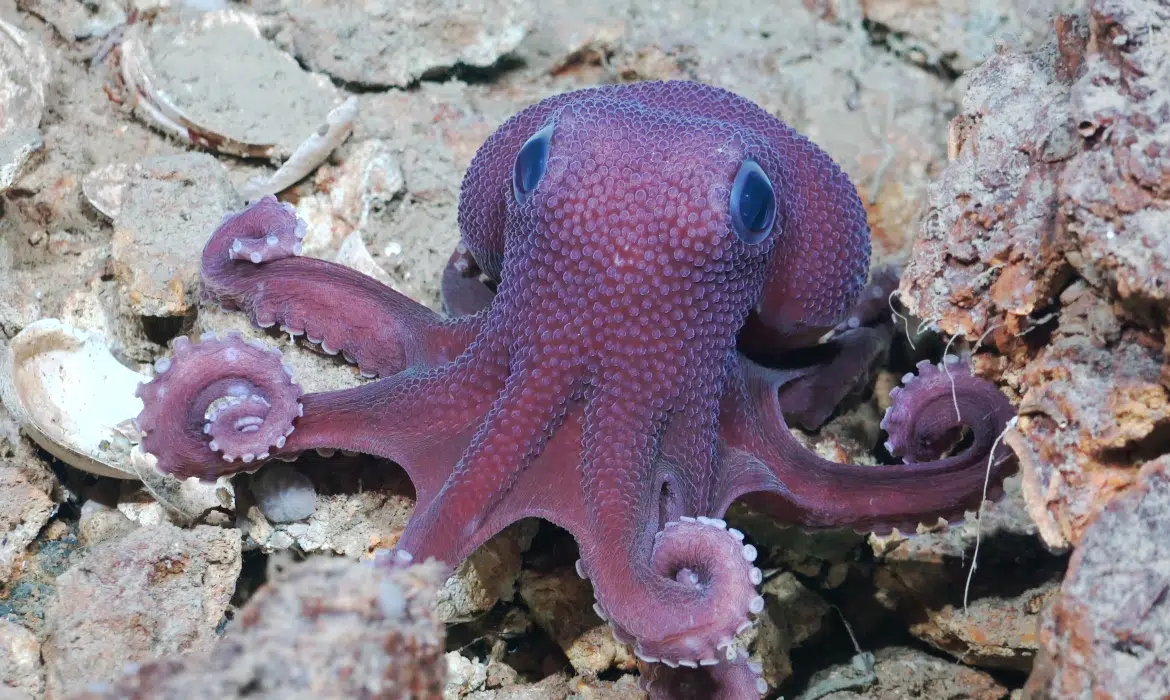
Trinidad and Tobago is a small island nation in the Caribbean, sitting right off the coast of Venezuela. While it only has a land area of 1,981 square miles, it boasts rich marine ecosystems that are home to hundreds of species. Last July, marine scientists from Trinidad and Tobago conducted their most comprehensive deep-sea survey of the islands’ surrounding ocean to date. Carried out during an expedition aboard Schmidt Ocean Institute’s R/V Falkor (too)


Read Article


August 27, 2026

RIP Yayoi Kusama: Iconic Japanese Artist Known for Her Dots Dies at 97

A gourd covered in dots of varying sizes. Mirrored rooms, littered with lights, that seem to go on forever. Monumental flowers with rainbow-colored circles across their blooms and stems. This is the oeuvre of art icon Yayoi Kusama, who sadly died on August 14, 2026, at 97 years old. Her death is a deep loss for the art world. Art icon Yayoi Kusama died on August 14, 2026, at 97 years old.

Read Article


August 27, 2026

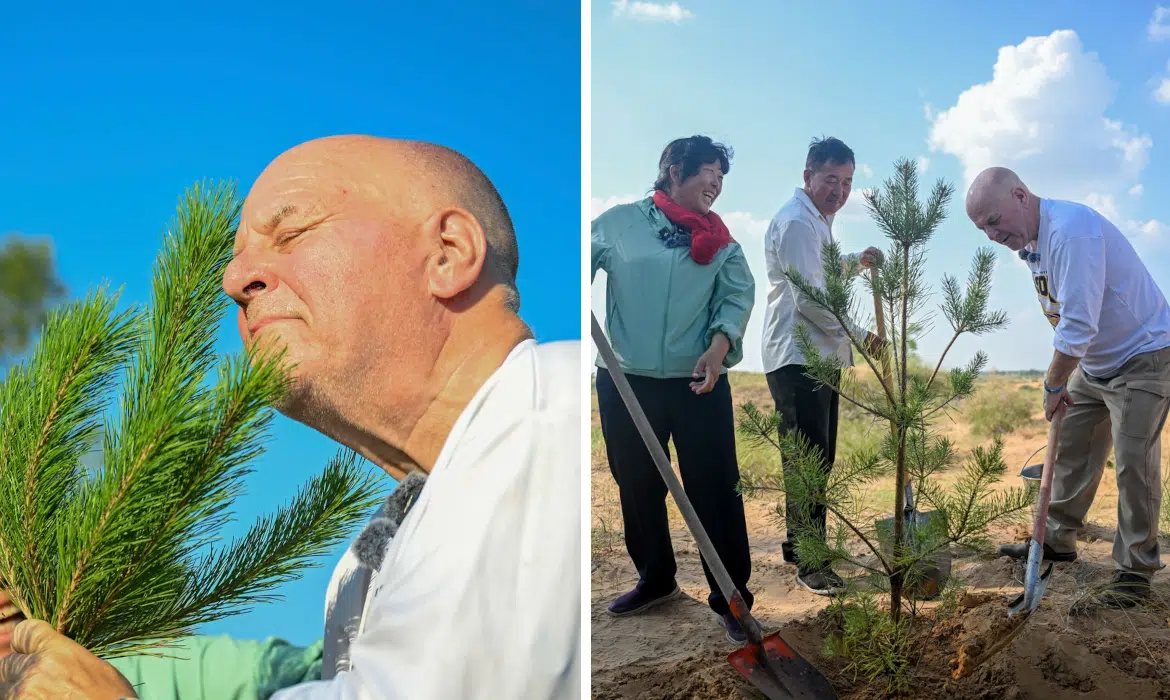
Teacher Who Donated $5,000 To Fight Desertification in China Finally Sees His Impact After 27 Years

There is a greek proverb that goes, “A society grows great when old men plant trees in whose shade they shall never sit.” But for one selfless man, the opportunity luckily arose 27 years later. Ronald Sakolsky, a now-retired American teacher who spent some time China in the 90s, made a $5,000 donation to Yin Yuzhen, a conservationist fighting desertification, after learning of the work she and her husband did in China.

Read Article


August 26, 2026

Fat Marmot Week Invites You To Vote for the “Chonkiest” Hibernator of All

For yellow-bellied marmots in the Rocky Mountains, an ideal “summer bod” means gaining as much weight as possible. The alpine rodents have been busy bulking up in preparation for winter hibernation, when they’ll spend seven to eight months underground in a deep slumber. They’ll survive solely on their own fat reserves until they emerge again in April or May, making them the largest “true hibernators.

Read Article