Music festivals wouldn’t be the same without the incredible stages that not only host the artists, but also create immersive experiences for the audience. For Coachella, Los Angeles-based creative studio Do LaB—founded by brothers Josh, Jesse, and Dede Flemming—creates environments that merge art, architecture, and music. Unlike the festival’s main stages, Do LaB’s distinct spaces are more intimate, built around emerging acts and spontaneous performances.
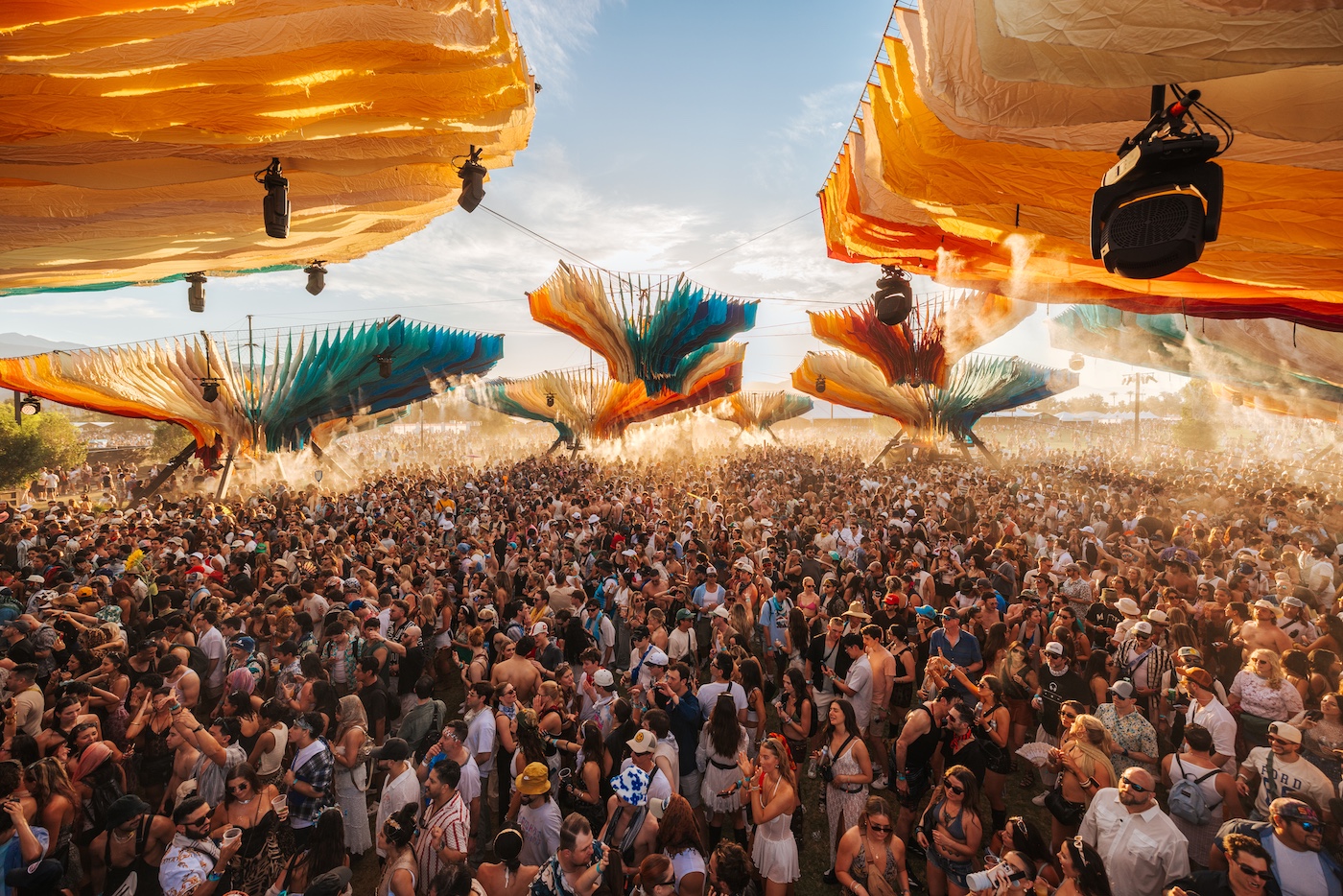
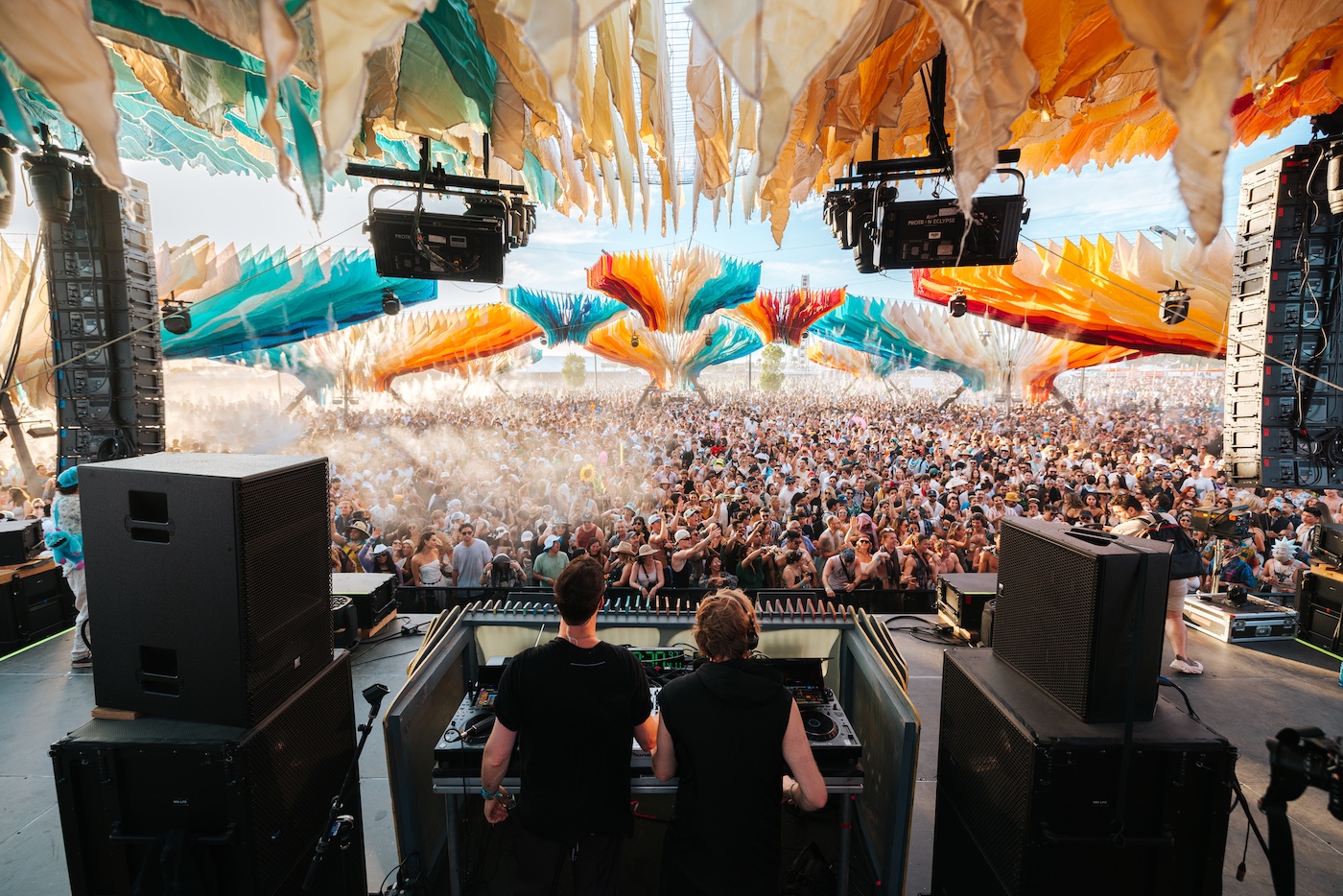
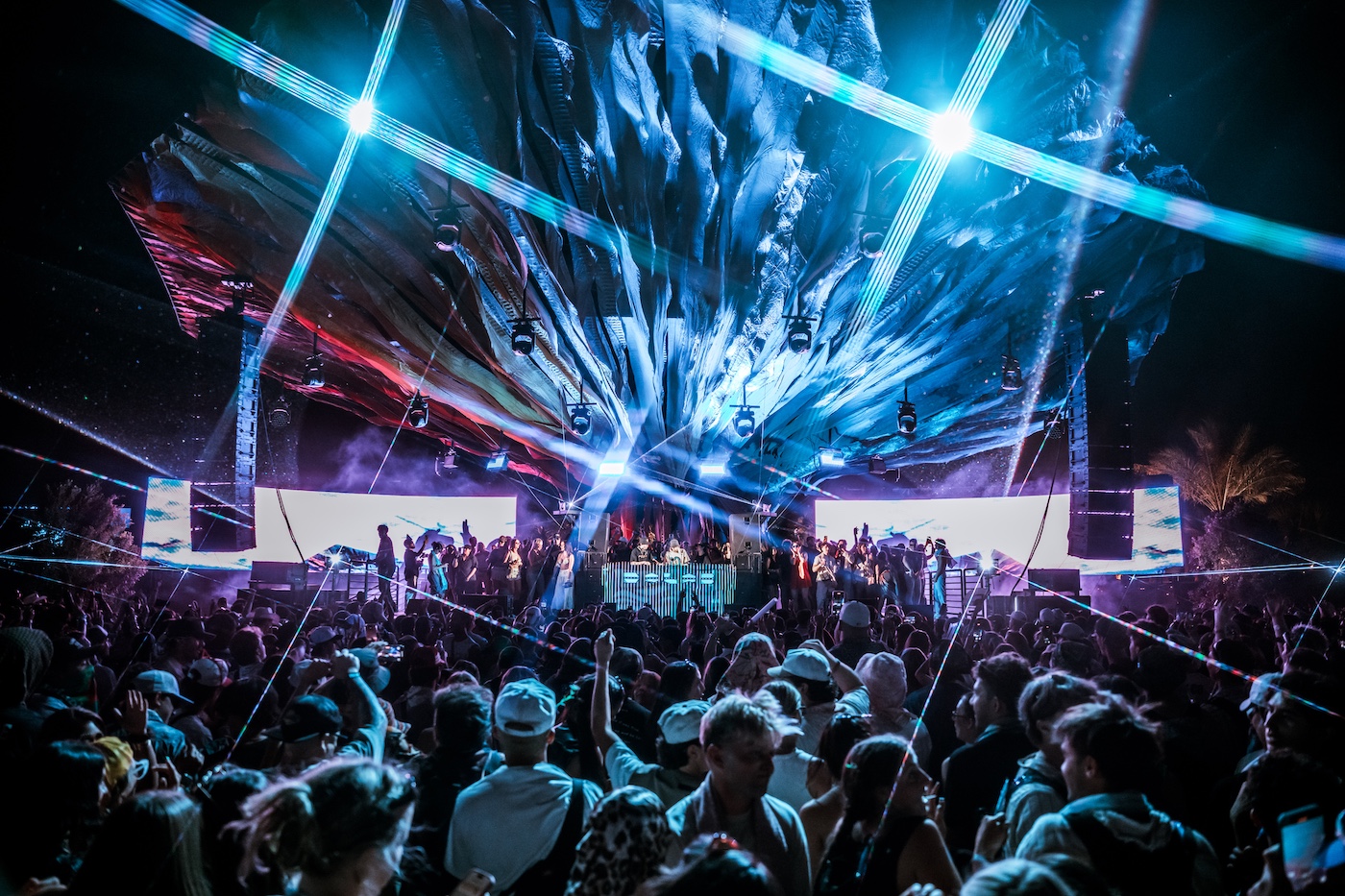
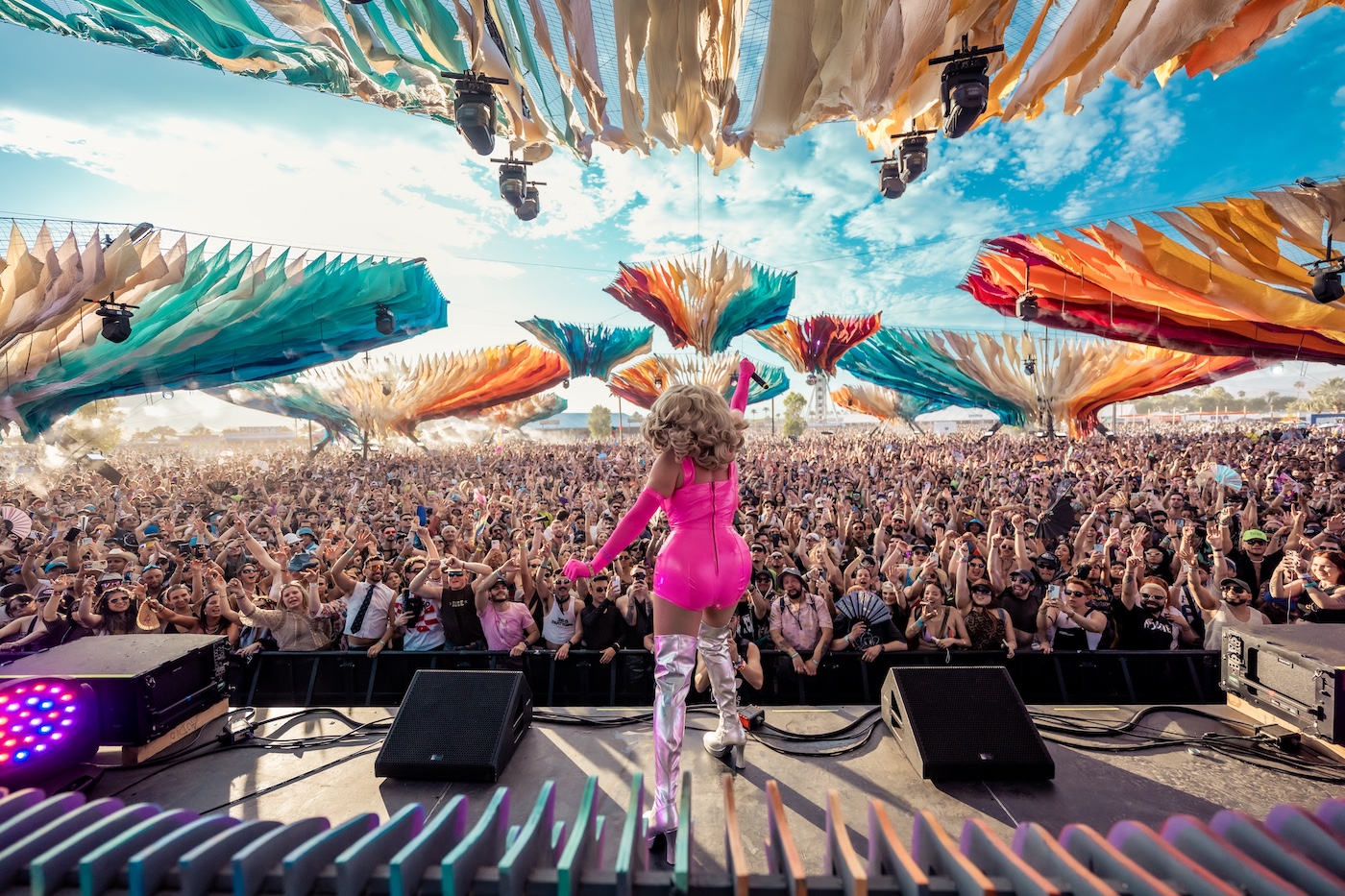
At this year’s Coachella, Do LaB created a large-scale installation called Macrodose. The immersive piece featured a network of organic, pod-like forms that came together to form a continuous canopy overhead. Instead of a conventional stage, it acted as a walk-through environment, designed to be experienced from different angles and viewpoints.
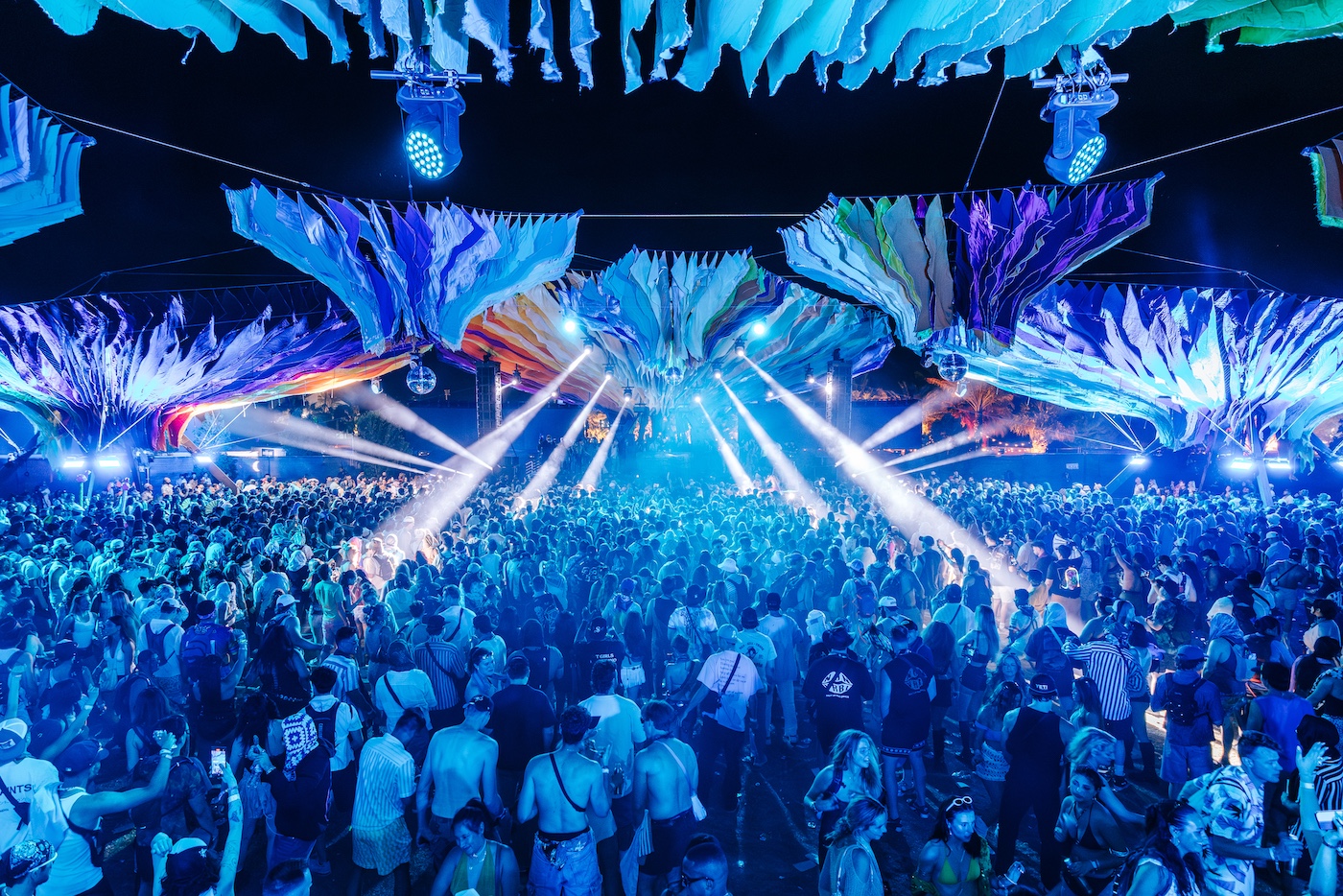
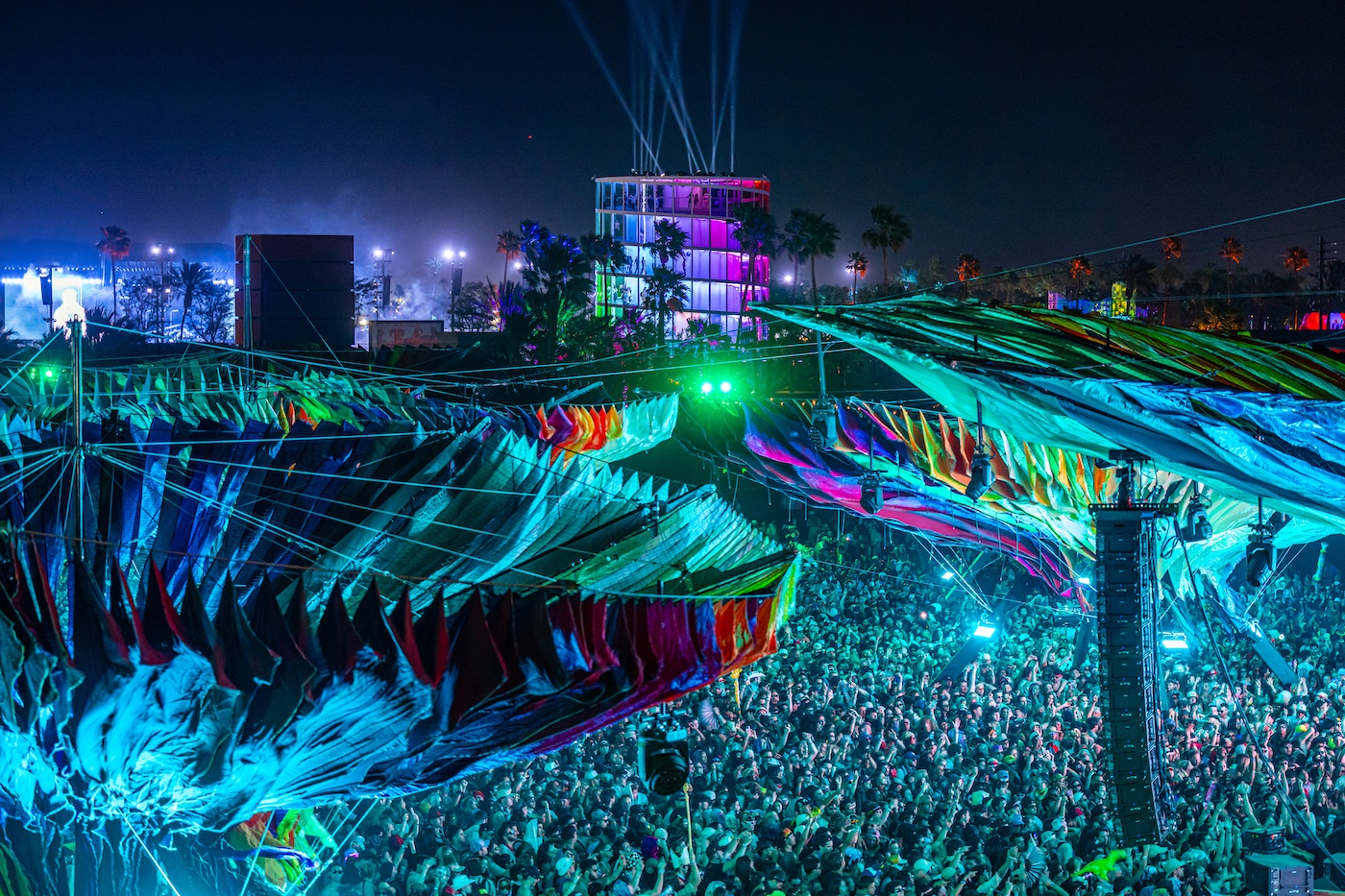
Macrodose featured huge cantilevered arms extending up to 50 feet overhead, with the engineering hidden beneath more than 1,600 custom-fabricated panels. The pod-like forms were inspired by mushrooms and coral reefs, and were designed to respond to wind and other natural elements. Lighting and atmospheric elements were built directly into the organic-like structures, allowing the atmospheric environment to transform from day to night.
Even after two decades of designing stages, Do LaB’s work is still evolving. The family-run company treats each new project as a chance to experiment, and to explore new ideas in form, materials, and how spaces connect with music and audiences. Do LaB says, “The goal is to create environments that feel immersive, kinetic, and emotionally engaging—spaces where experience itself becomes the artwork.”
To see more of their work, you can follow Do LaB on Instagram.
Creative studio Do LaB create immersive festival stages that merge art, architecture, and music.
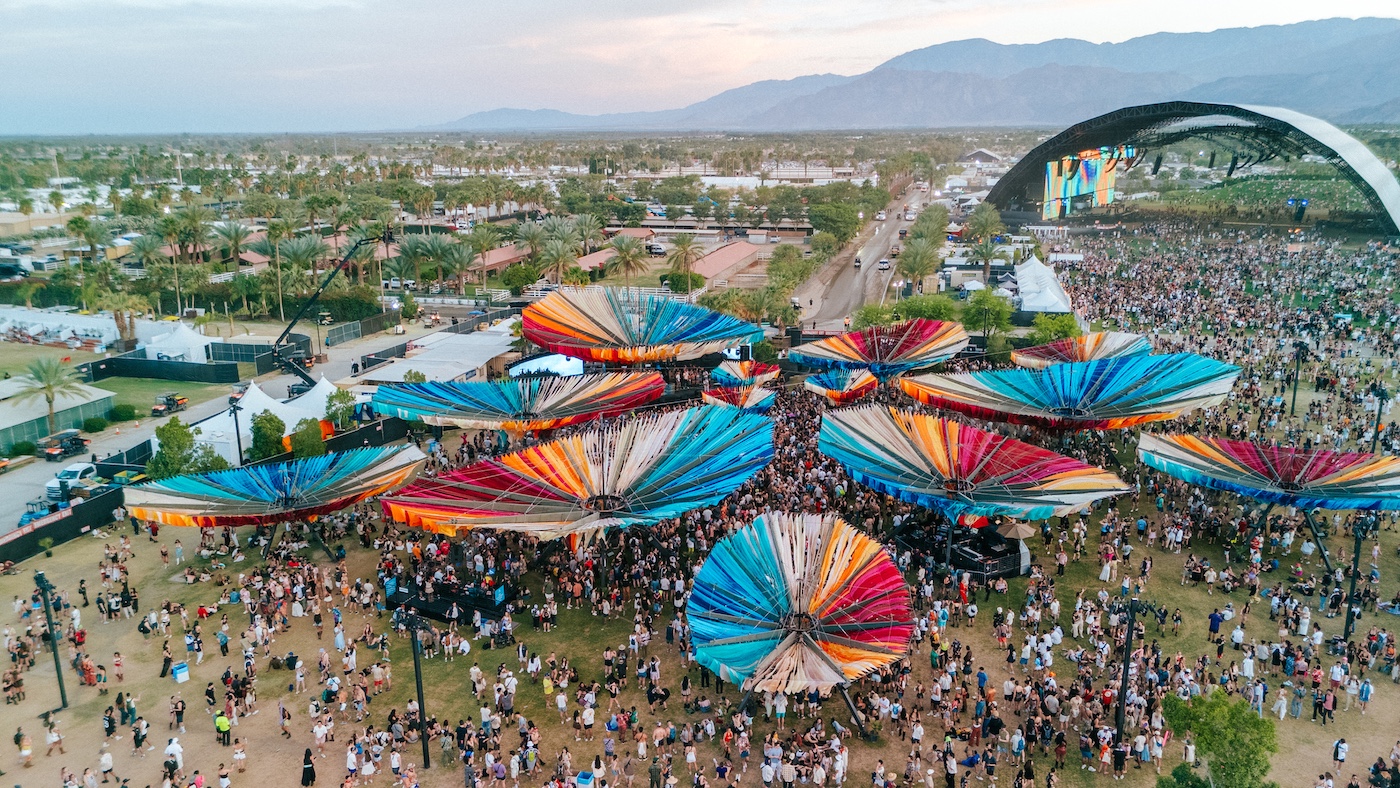
At this year’s Coachella, the family-run team created a large-scale installation called Macrodose.
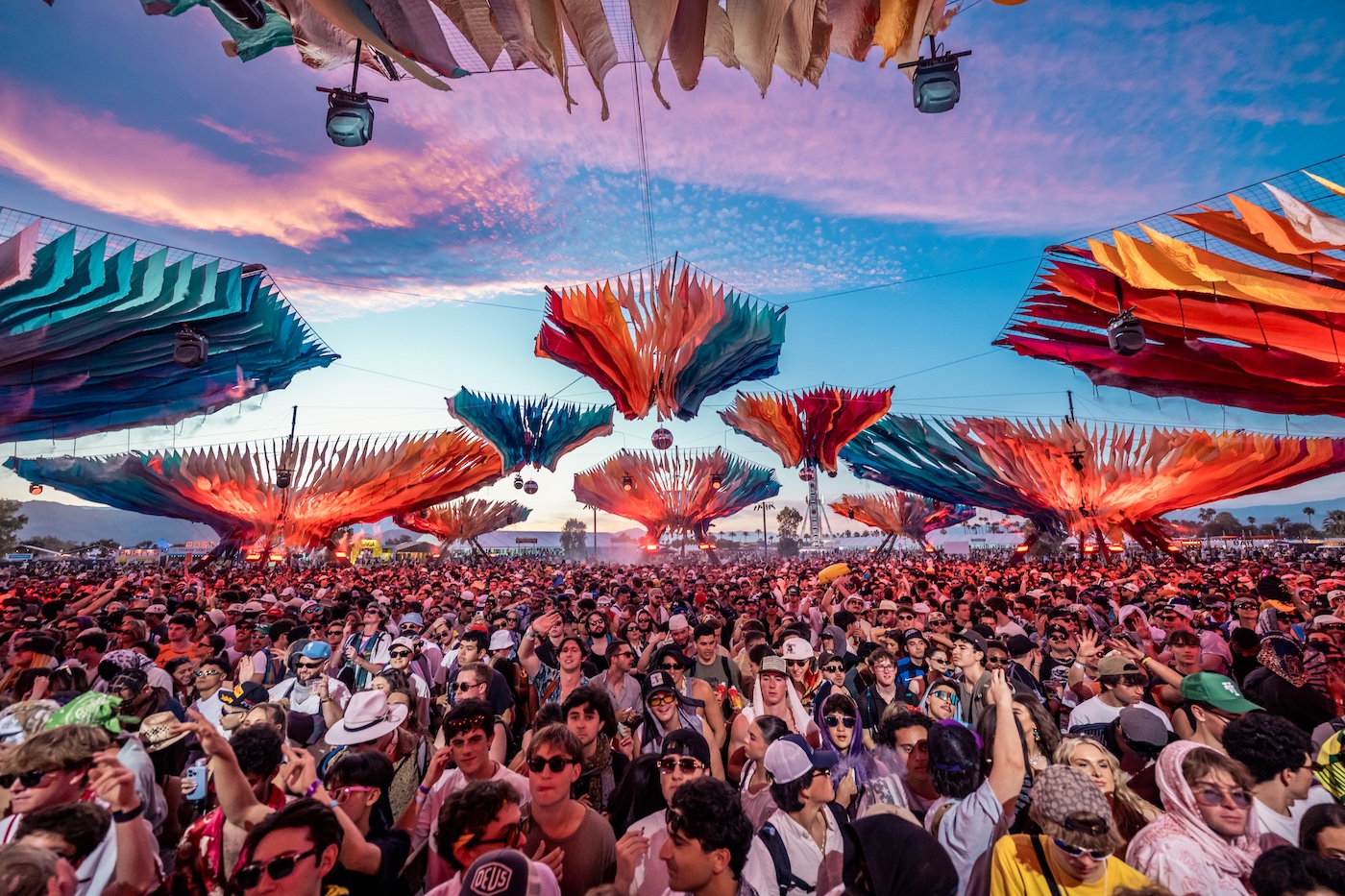
The immersive piece featured a network of organic, pod-like forms that came together to form a continuous canopy overhead.
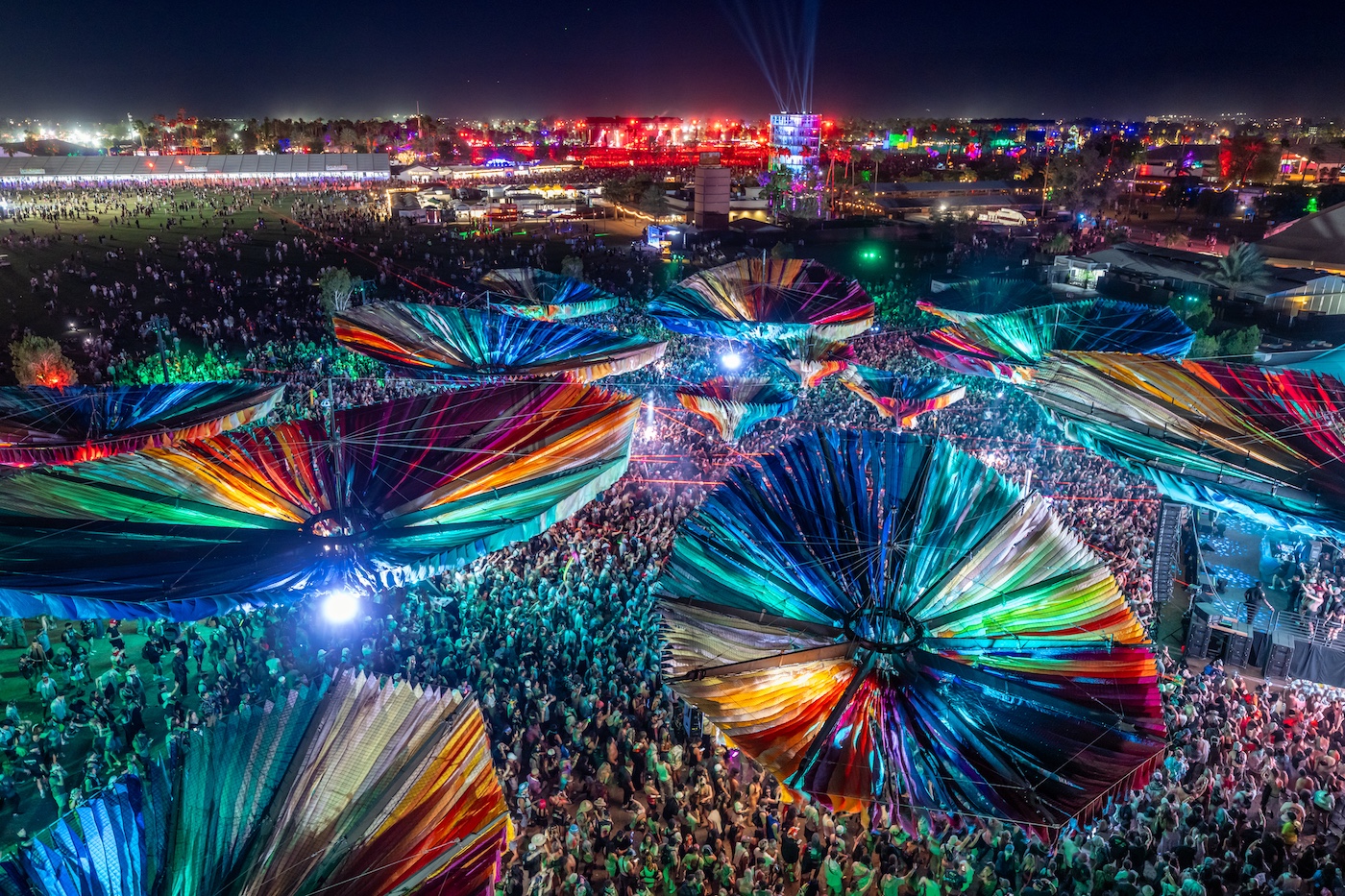
The dynamic forms were inspired by mushrooms and coral reefs, and were designed to respond to wind and other natural elements.
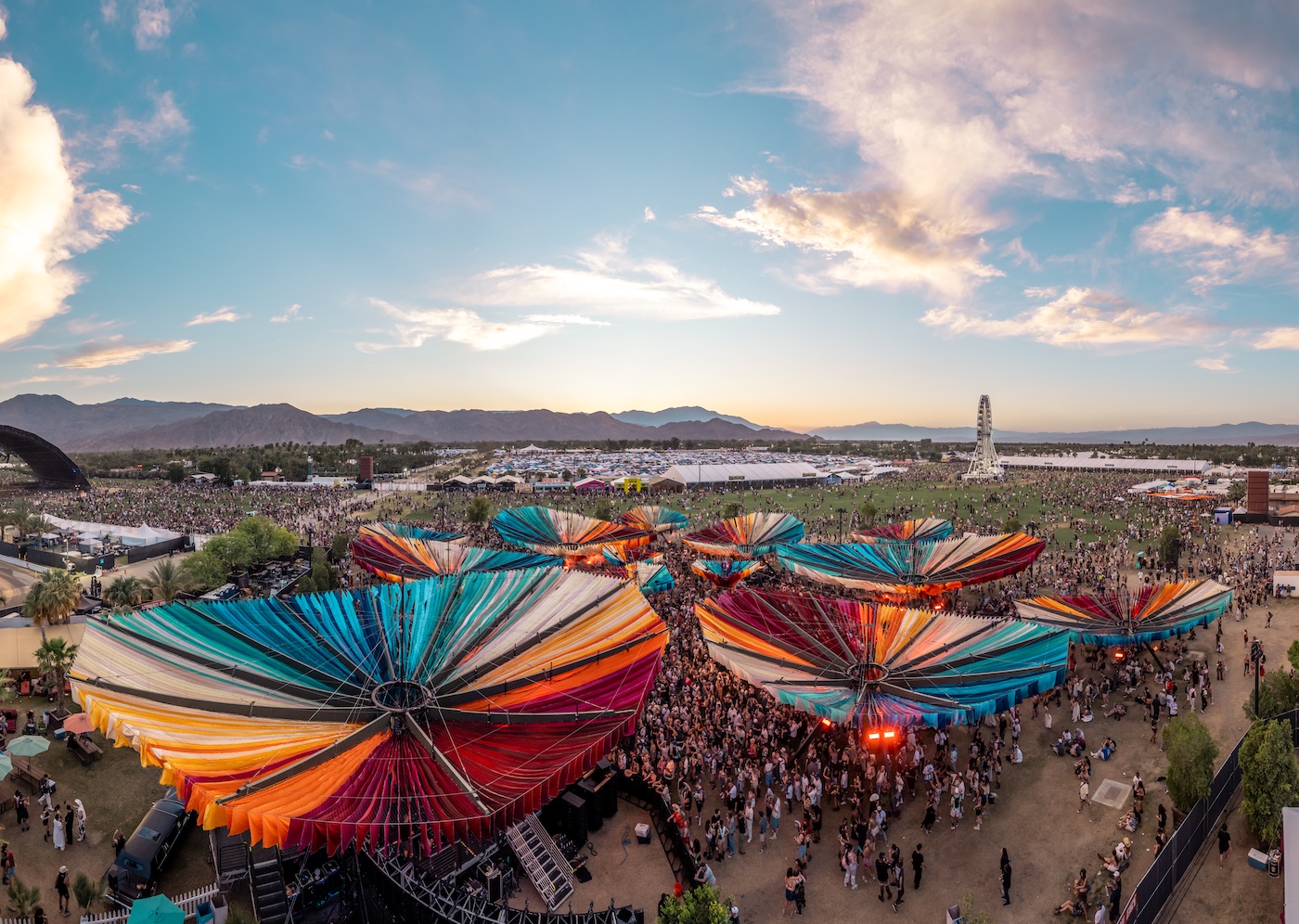
Instead of a conventional stage, Macrodose acted as a walk-through environment, designed to be experienced from different angles and viewpoints.