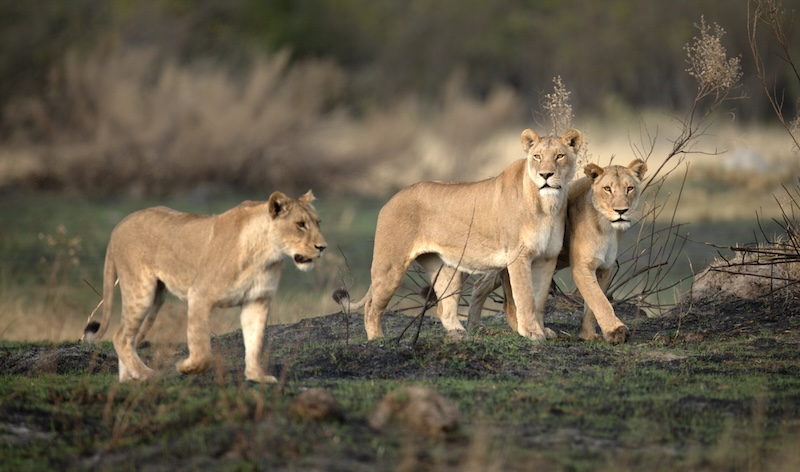
When conservation biologist Moreangels Mbizah arrived at a village in Zimbabwe in 2014, an unexpected tragedy forced her to face a reality about wildlife. The incident happened when a lion wandered far beyond the boundaries of Hwange National Park, which led Mbizah and her team to track down the animal. When she found the lion, the wild cat was standing guard over the dead body of a 7-year old boy.
This event transformed Mbizah’s approach to conservation and eventually led her to found Wildlife Conservation Action (WCA), a Zimbabwean organization that helps communities protect their livestock and livelihoods while reducing conflict with lions, elephants, and other wild animals.
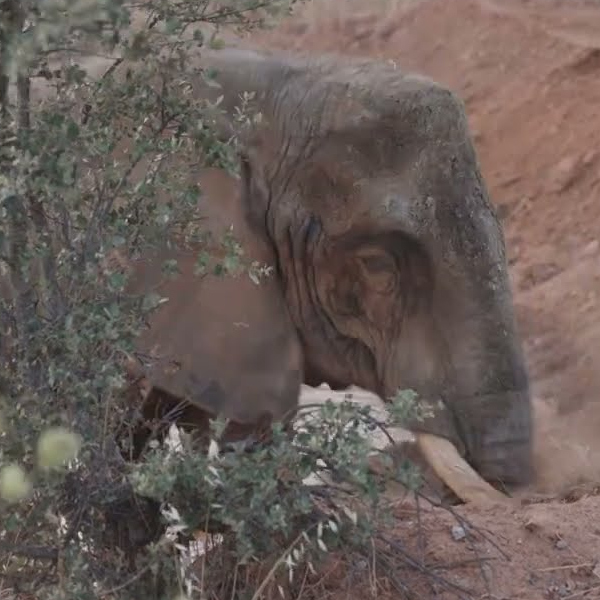
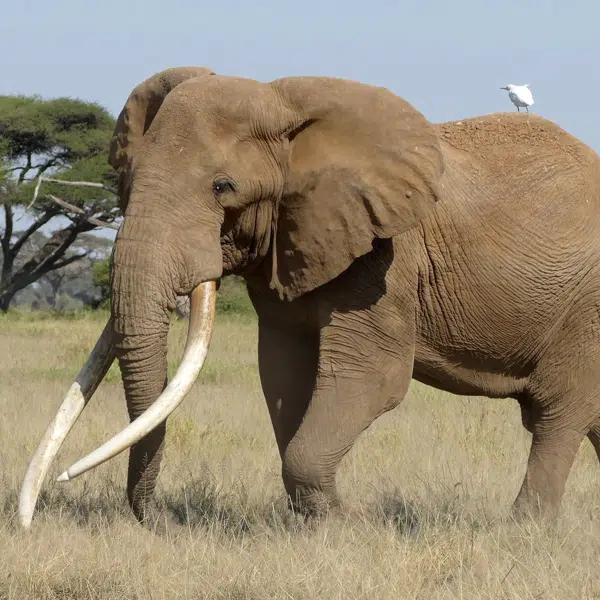
Lions have lost much of their historic range, and fewer than 20,000 remain in the wild. As human settlements expand and natural habitats shrink, the animals increasingly move beyond protected areas in search of food. In Zimbabwe’s Zambezi Valley, livestock plays a central role in the survival of rural families. Cattle and goats provide food, income, and financial security. When predators kill livestock or elephants destroy crops, families can lose essential resources. In turn, communities may kill the animals responsible.
WCA works to interrupt this cycle before conflict turns deadly. The organization trains local residents as Community Guardians who monitor wildlife movements and alert nearby communities when predators approach. These warnings give families time to protect their livestock and reduce the chances of a dangerous encounter. WCA also provides mobile bomas, or livestock enclosures covered with opaque material, along with reinforced kraals, raised livestock enclosures, and lion lights that help deter predators at night. Camera traps, GPS technology, and community-based monitoring help the organization understand where conflict occurs and develop solutions tailored to each landscape.
According to WCA, its work has contributed to a 53% composite decline in human-wildlife conflict across three project districts, while conflict incidents have declined by 98% in the initial wards where the organization began its work.
Mbizah’s work also extends to the next generation of conservationists. Through WCA’s mentorship and leadership programs, she helps prepare young people for careers in environmental conservation, with a particular focus on supporting women entering the field. The organization has empowered hundreds of female university students and recent graduates through mentorship and hands-on conservation experience.
Through Wildlife Conservation Action, Mbizah is helping communities protect their livelihoods, restore their landscapes, and find safer ways to share their environment with some of Africa’s most iconic animals.
Conservation biologist Moreangels Mbizah is helping Zimbabwean communities protect their livelihoods while finding non-lethal ways to coexist with lions, elephants, and other wildlife.
View this post on Instagram
View this post on Instagram
Through Wildlife Conservation Action, she combines scientific research, Indigenous knowledge, and community-led solutions to show how protecting people and protecting wildlife can go hand in hand.
View this post on Instagram
Wildlife Conversation Action: Website | Instagram
Moreangels Mbizah: Website | Instagram
Sources: Protecting lions and people: the biologist dedicated to tackling human-wildlife conflict
Related Articles:
Europe’s First Elephant Sanctuary Offers a New Home for Former Circus and Zoo Animals
Mozambique Rebuilds a Viable Breeding Population of White Rhinos After Decades of Local Extinction
First-Ever Footage of a Female Tiger Caring for Another Mother’s Cubs Captured by Drone
Kruger National Park Celebrates 100 Years of Wildlife Conservation