Photo: Dimitri Roggon
Among the sprawling, bustling suburbs of Mexico City, hides a quiet retreat where art, architecture, and nature become one. El Nido de Quetzalcóatl (Quetzalcóatl’s Nest) is a one-of-a-kind housing complex designed by Mexican architect Javier Senosiain. The project has since become the ultimate example of organic architecture, showcasing the architect’s motto, “Architecture should respect the landscape.”
Senosiain took on the challenge of building on the uneven ground of Naucalpan, located northwest of the Mexican capital. But rather than fight it, the architect leaned into its creative possibilities. After a six-year construction process that ended in 2007, the result is a colorful, asymmetrical structure that encloses 10 apartments and is surrounded by gardens, ponds, and an oak forest.
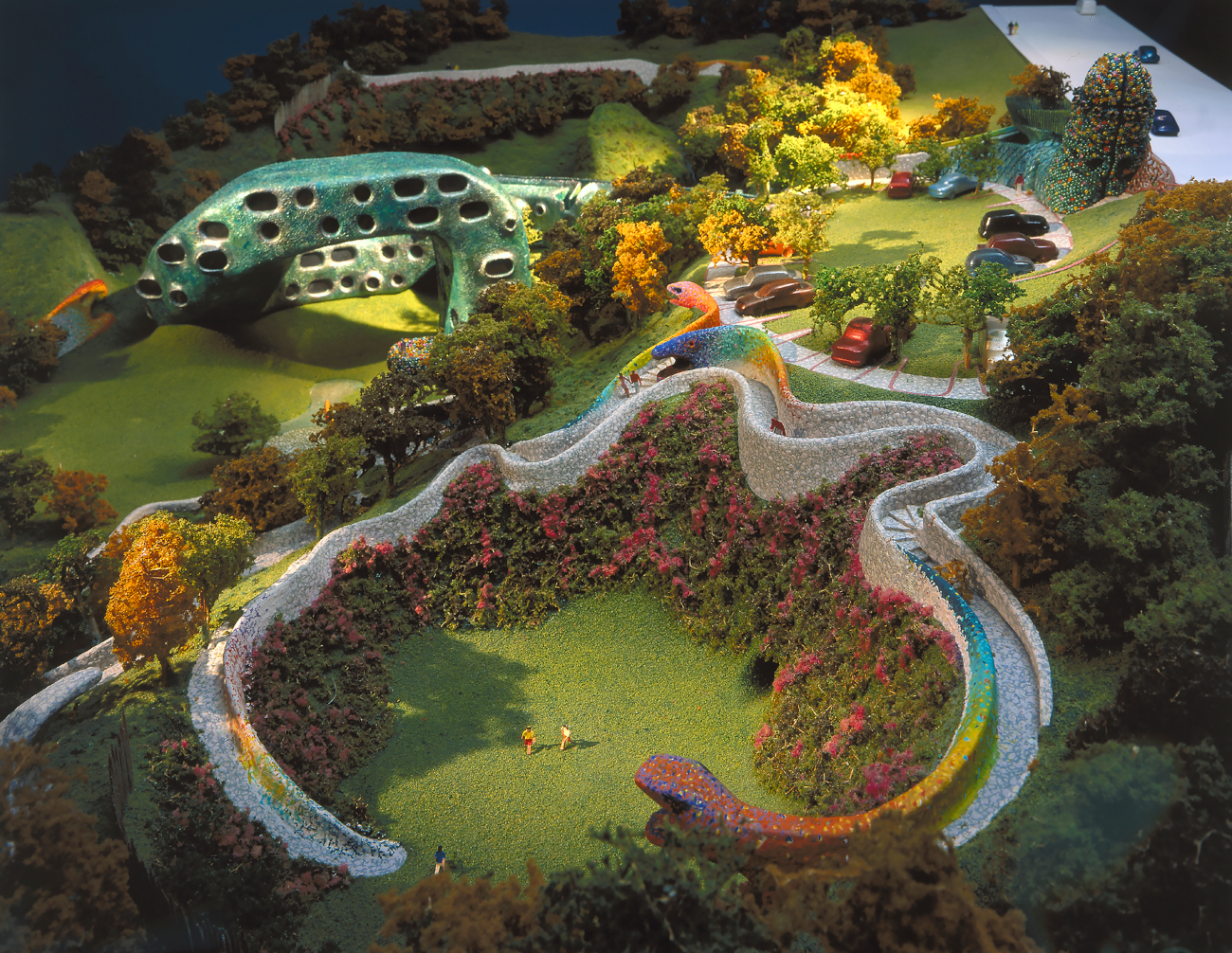
The name, and main source of inspiration, comes from Quetzalcóatl, a major deity in the ancient Mexican pantheon, depicted as a feathered snake. Here, Senosiain reinterprets it as a twisting ferrocement structure that breaks, burrows, and emerges from the ground. The exterior features bright colors, from deep greens to eye-catching yellows and pinks, arranged in a pattern that evokes the creature’s feathers.
The serpent, measuring 21.33 feet high by 28.2 feet wide, is split into two levels, creating space for the apartments. Each floor, about 2,152 square feet, features internal vaults and circular windows that offer unbeatable views of the surrounding beauty.
El Nido de Quetzálcoatl is part of the larger Parque Quetzalcóatl or Quetzalcóatl Park. In development since 2007, this space features an open-air theater, reflecting pools, a greenhouse, and a space devoted to safeguarding and spotlighting native Mexican plants.
Quetzalcóatl Park is not open to the public, but you can book a visit through its website. For those who want to experience the depths of El Nido de Quetzalcóatl, two apartments are available through Airbnb. However, spaces sell out quickly, so the staff recommends making a booking at least six months in advance.
To stay up to date with this striking project, follow Parque Quetzalcóatl and Javier Senosiain on Instagram.
Among the sprawling, bustling suburbs of Mexico City, hides a quiet retreat named El Nido de Quetzalcóatl.
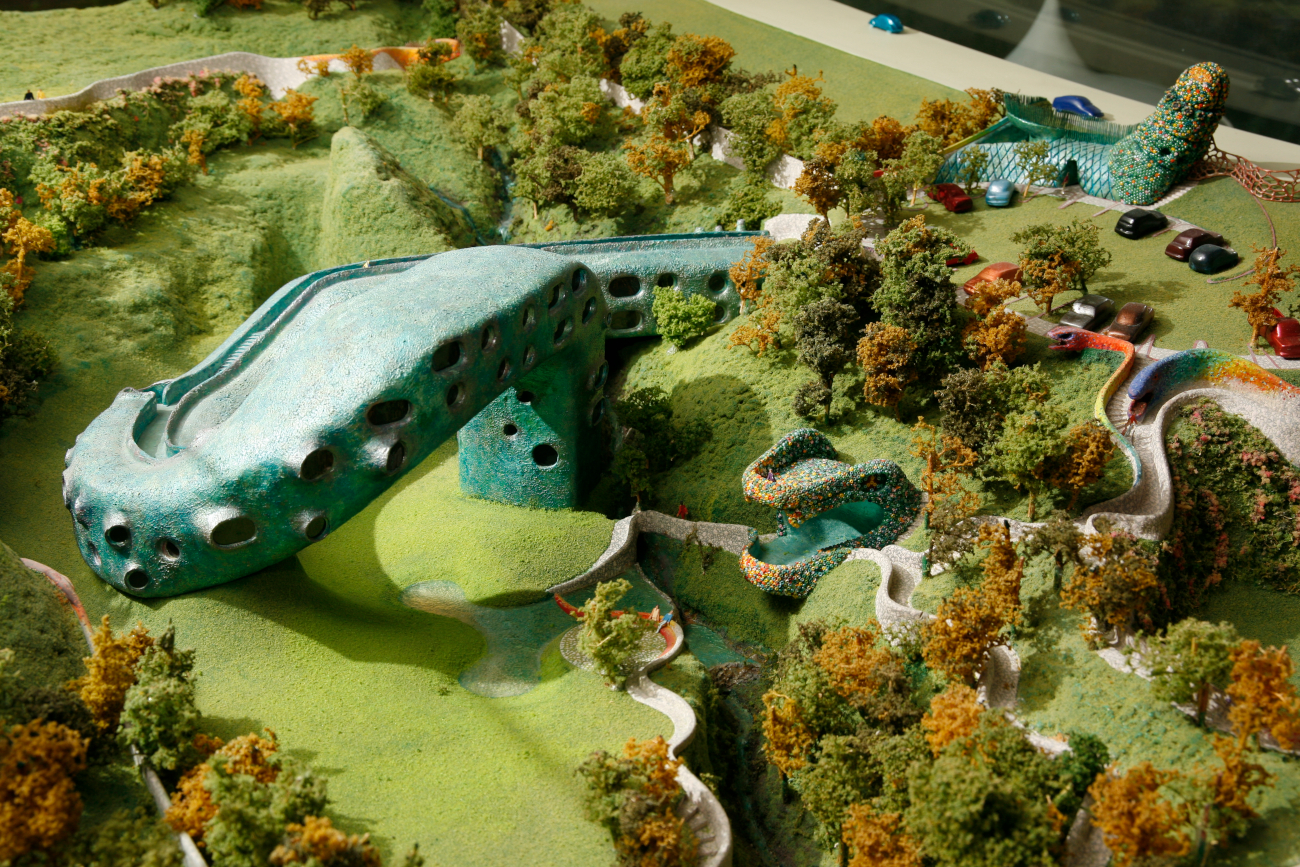
Photo: Dimitri Roggon
Designed by Mexican architect Javier Senosiain, it is a one-of-a-kind housing complex.
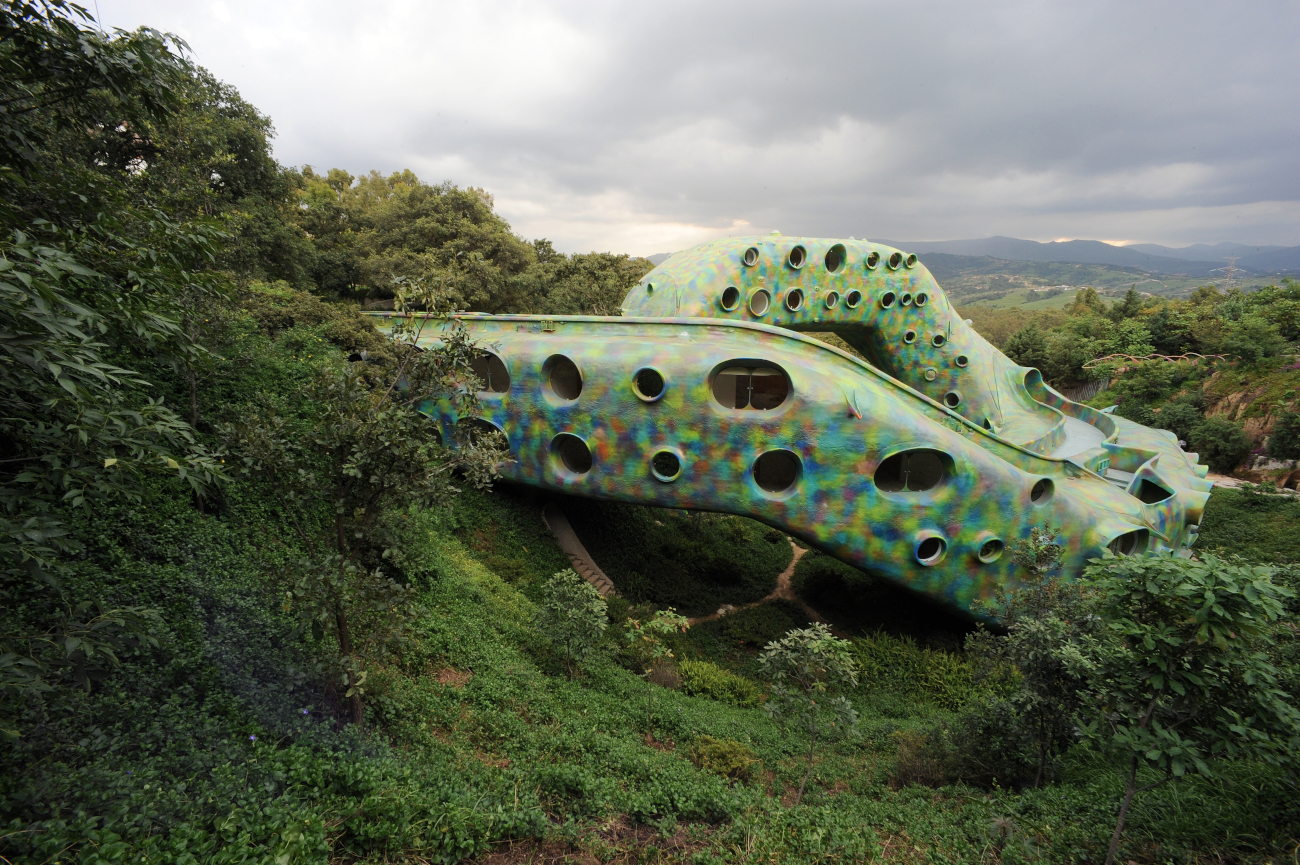
Photo: Dimitri Roggon
The name, and main source of inspiration, comes from Quetzalcóatl a major deity with the form of a feathered snake.
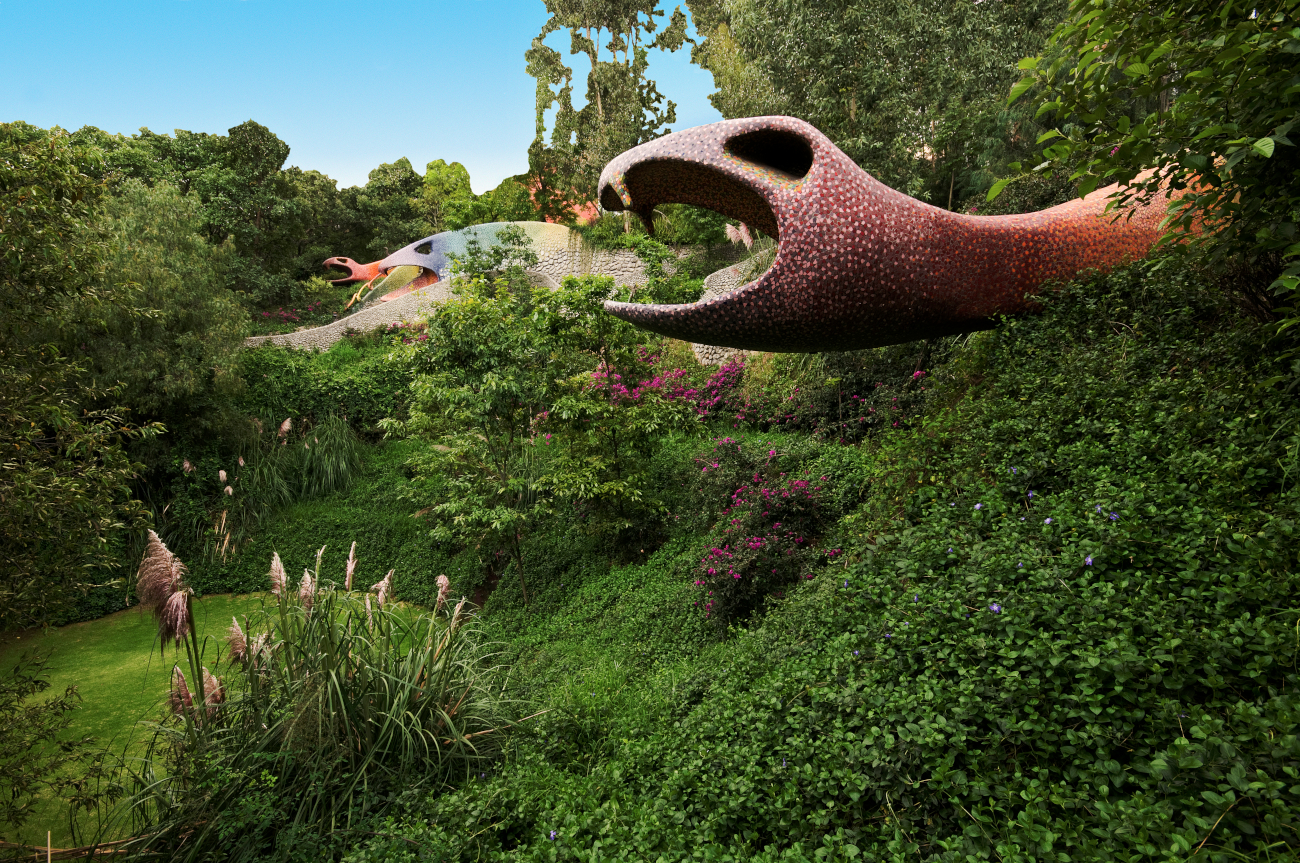
Photo: Dimitri Roggon
Here, Senosiain reinterprets it as a twisting ferrocement structure that breaks, burrows, and emerges from the ground.
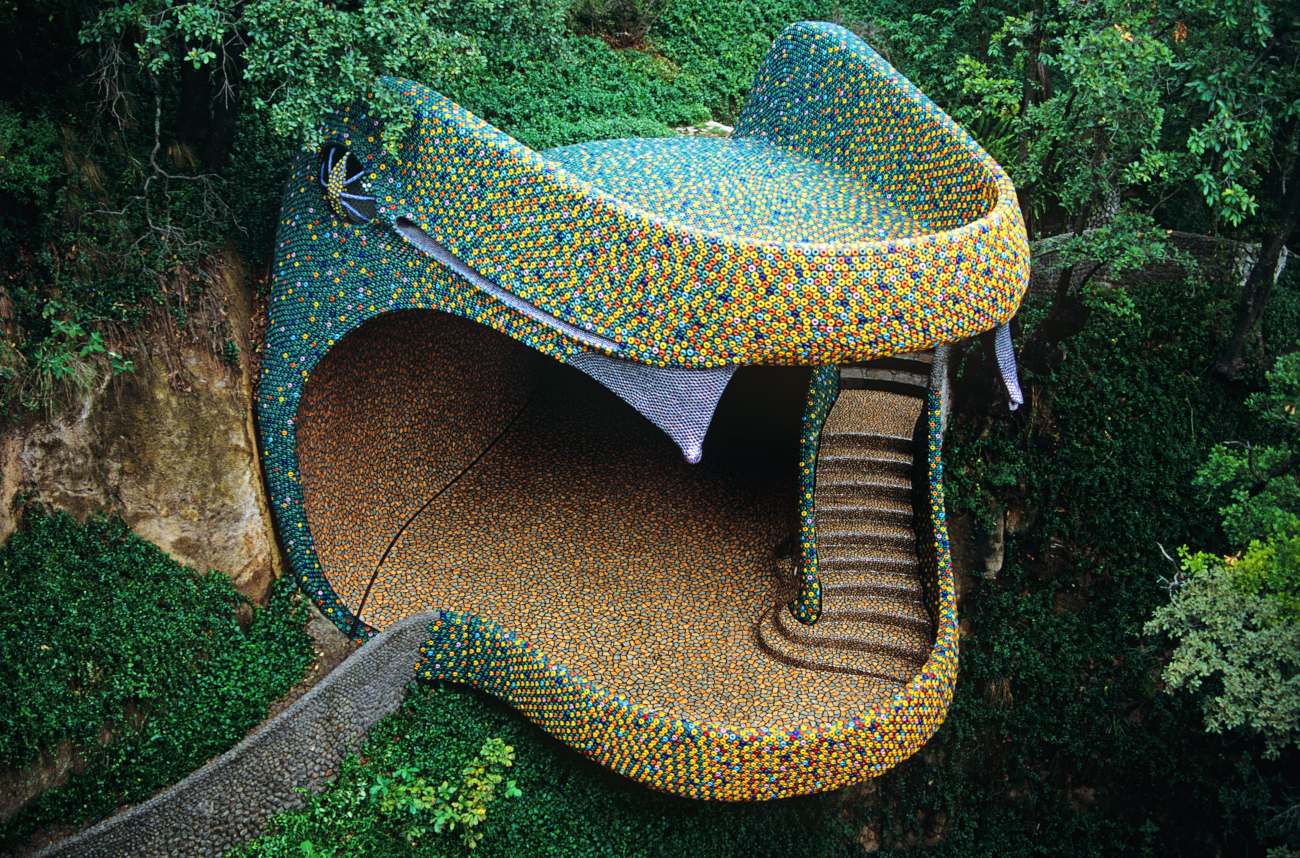
Photo: Dimitri Roggon
The exterior features bright colors, from deep greens to eye-catching yellows and pinks, disposed in a pattern that evokes the feathers of this creature.
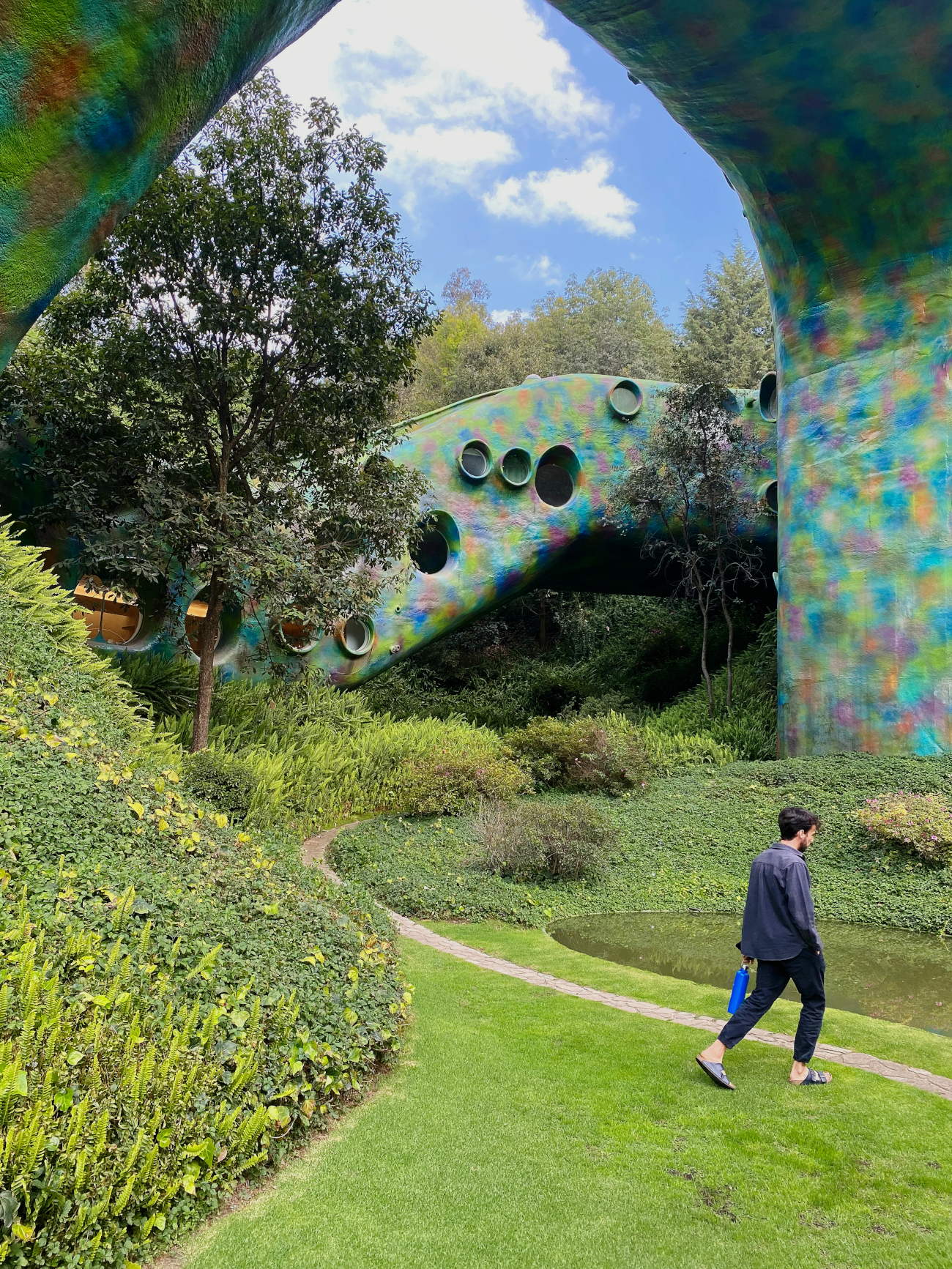
Photo: Dimitri Roggon
El Nido de Quetzálcoatl is part of the larger Parque Quetzalcóatl or Quetzalcóatl Park.
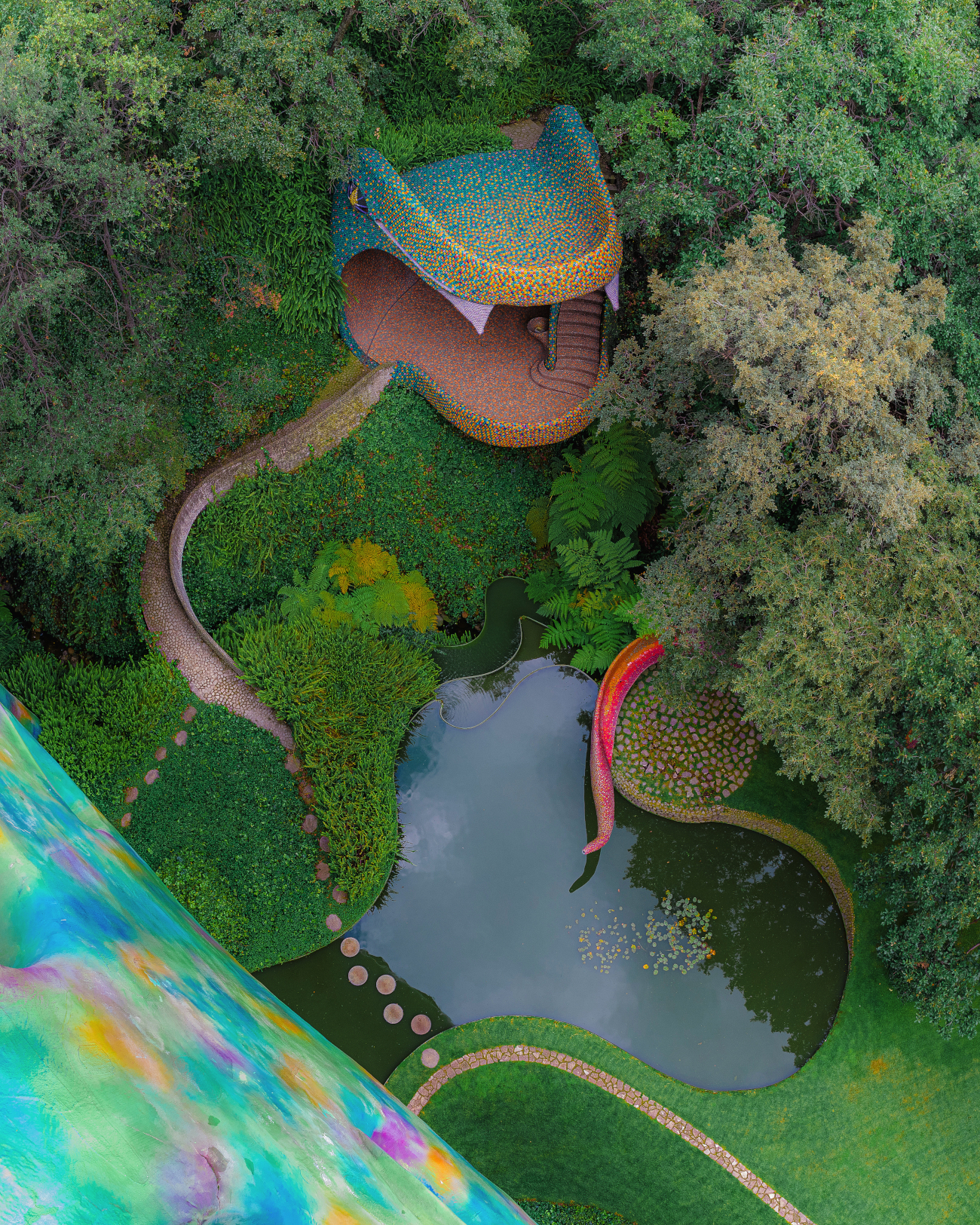
Photo: Dimitri Roggon
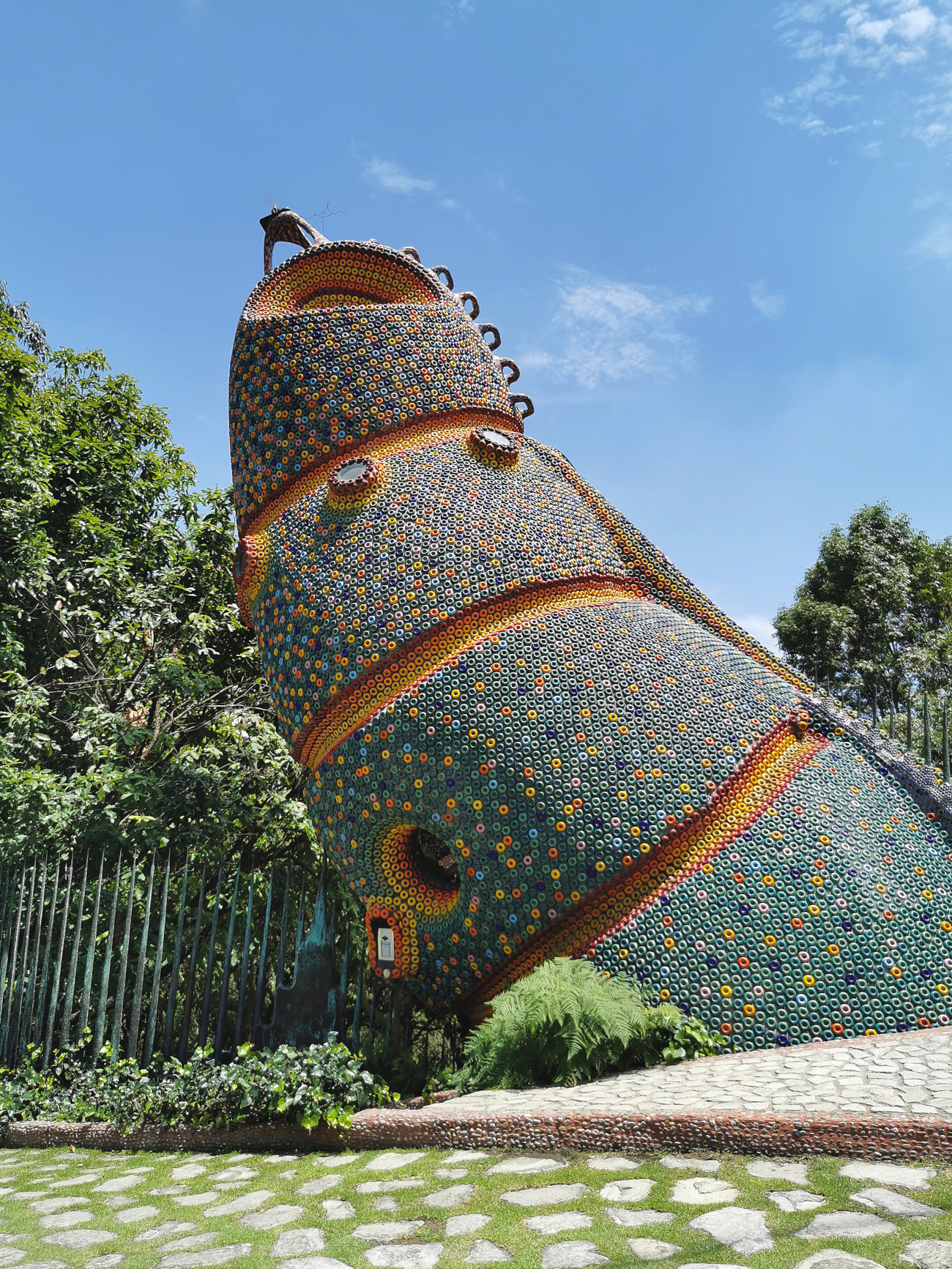
Photo: Dimitri Roggon
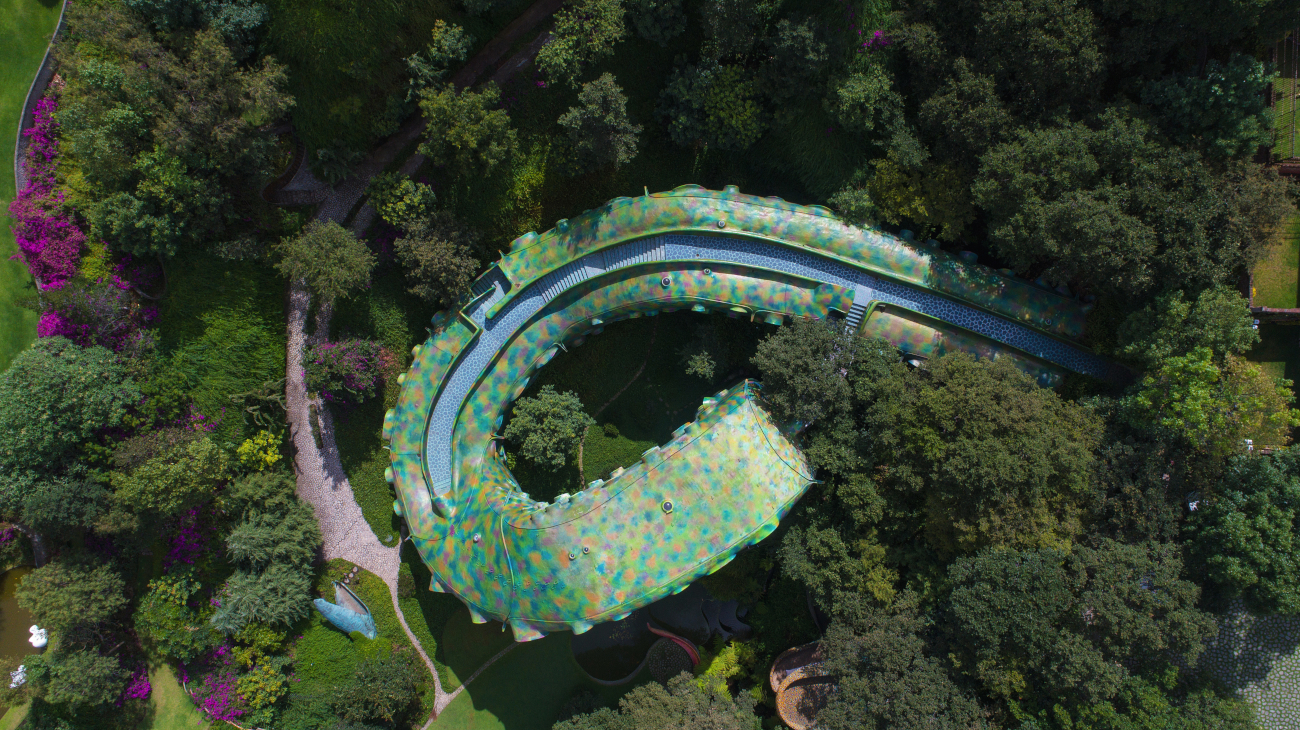
Photo: Dimitri Roggon
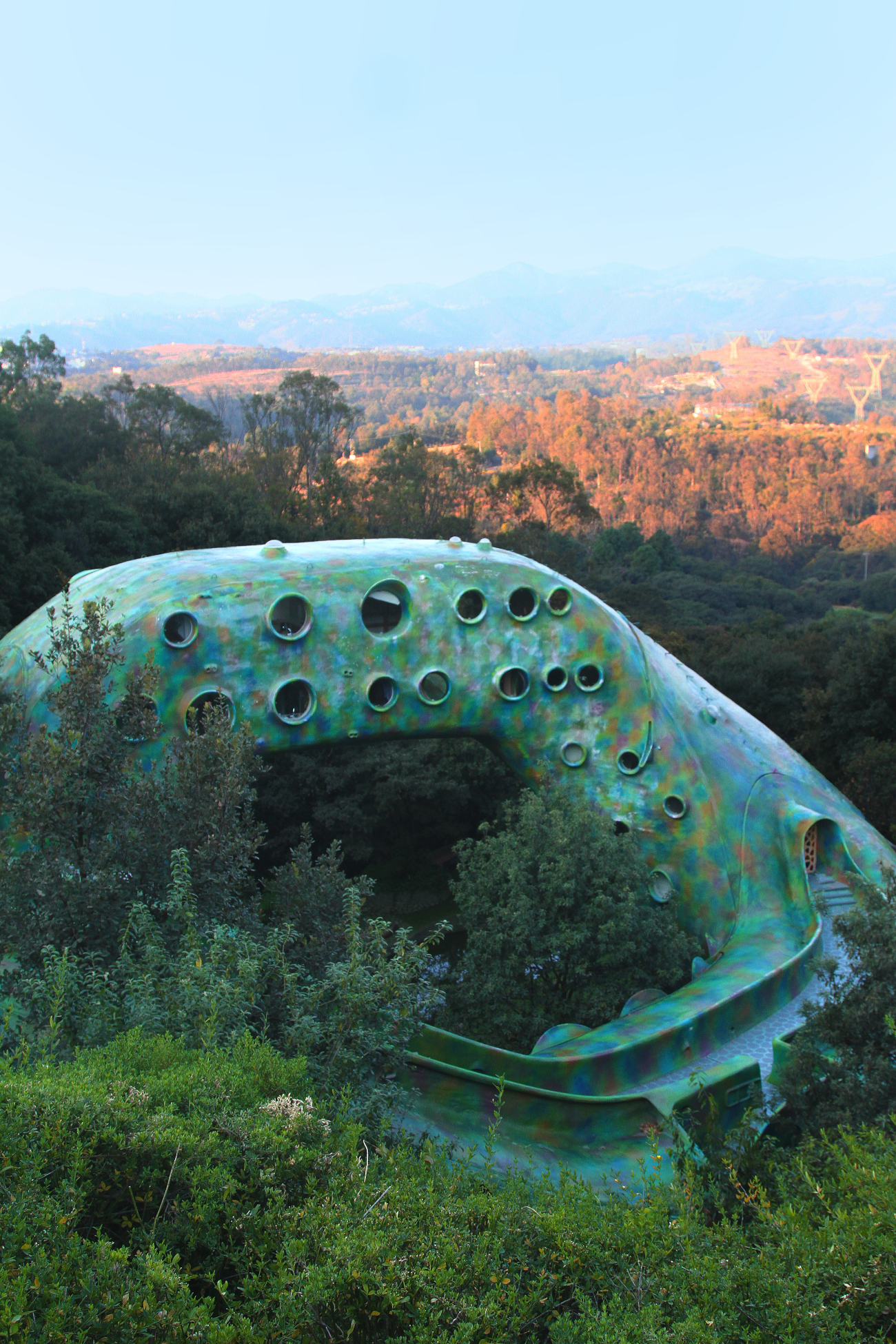
Photo: Dimitri Roggon
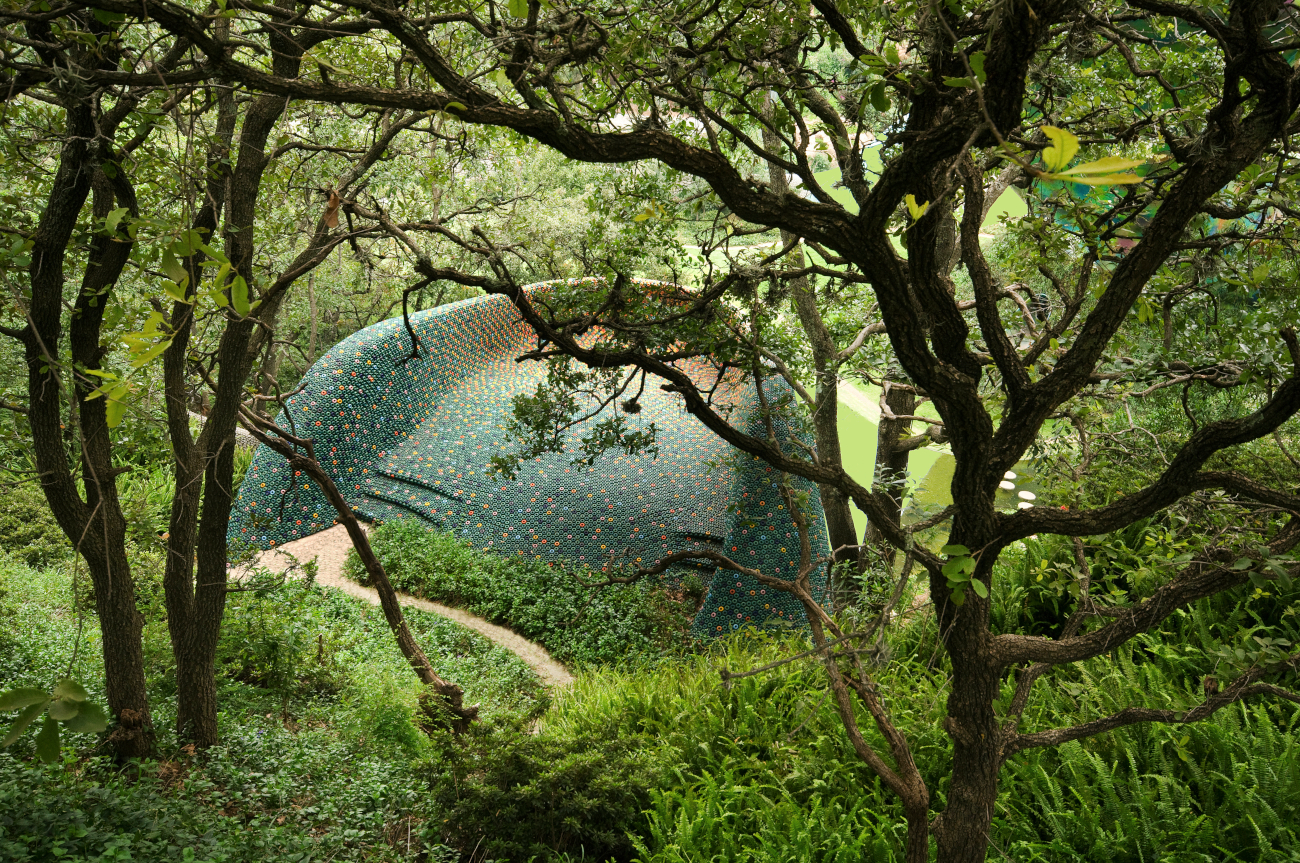
Photo: Dimitri Roggon