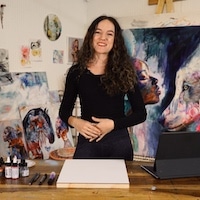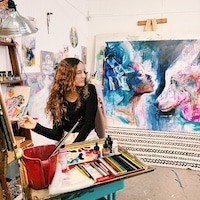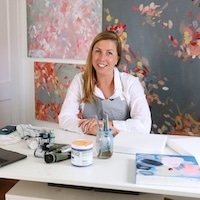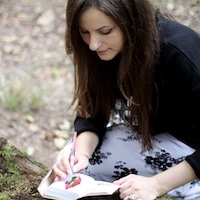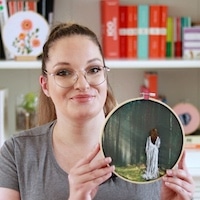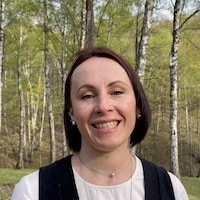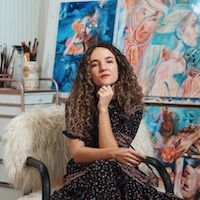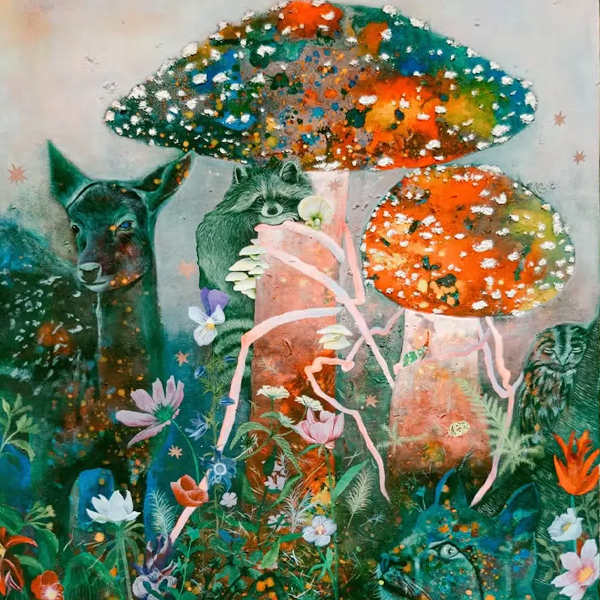
In Nina Sechko's work, sensibility is a safe space, created and nurtured by the women who raised her. Experimenting with classical techniques and contemporary methods, Sechko has developed a visual language that reads like poetry. It’s as if the artist revels in her dream space, lovingly handed to her by those who came before, and she has gained the strength to touch on more challenging topics, like the fragility of innocence and the inevitability of death.
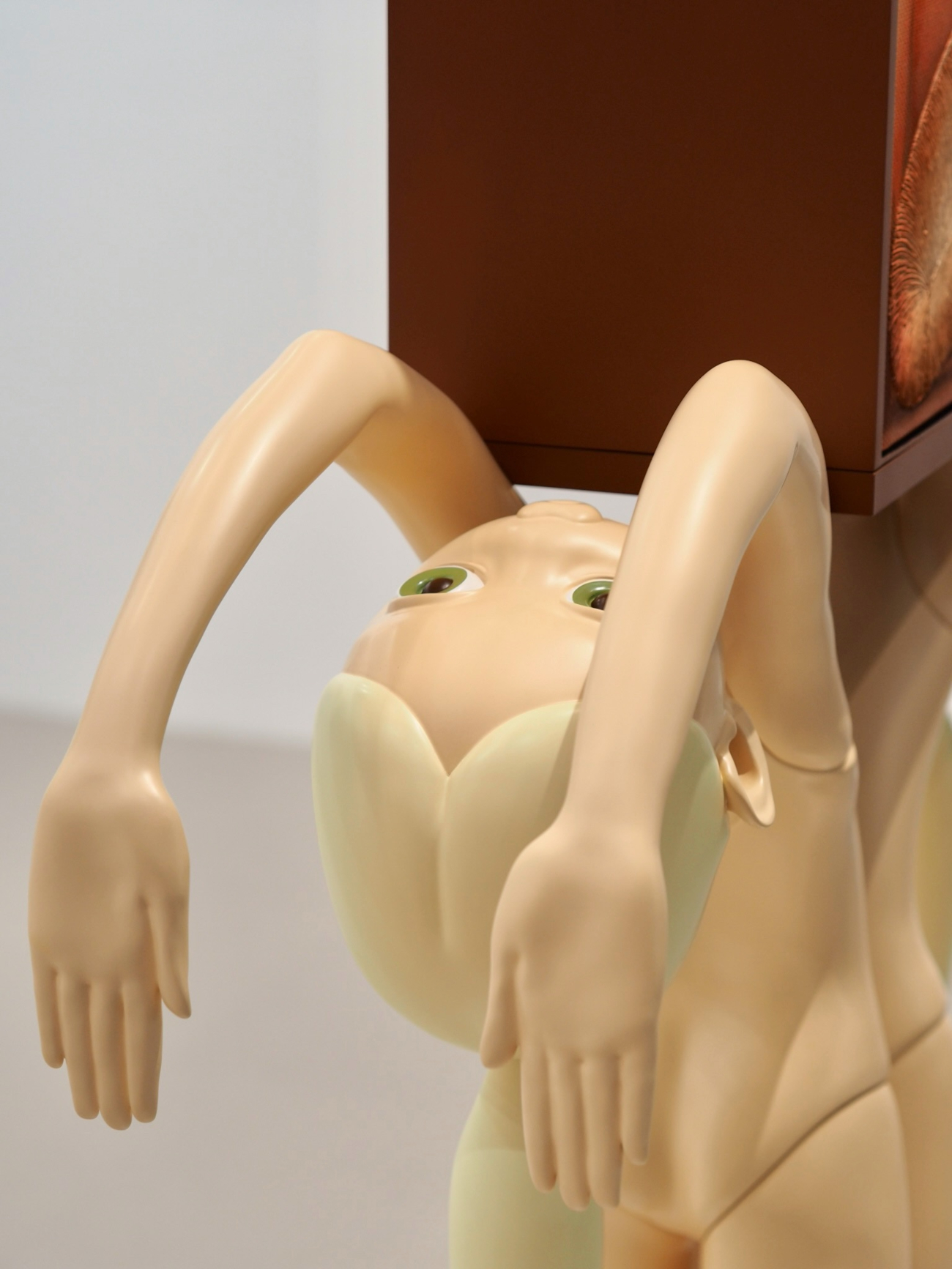
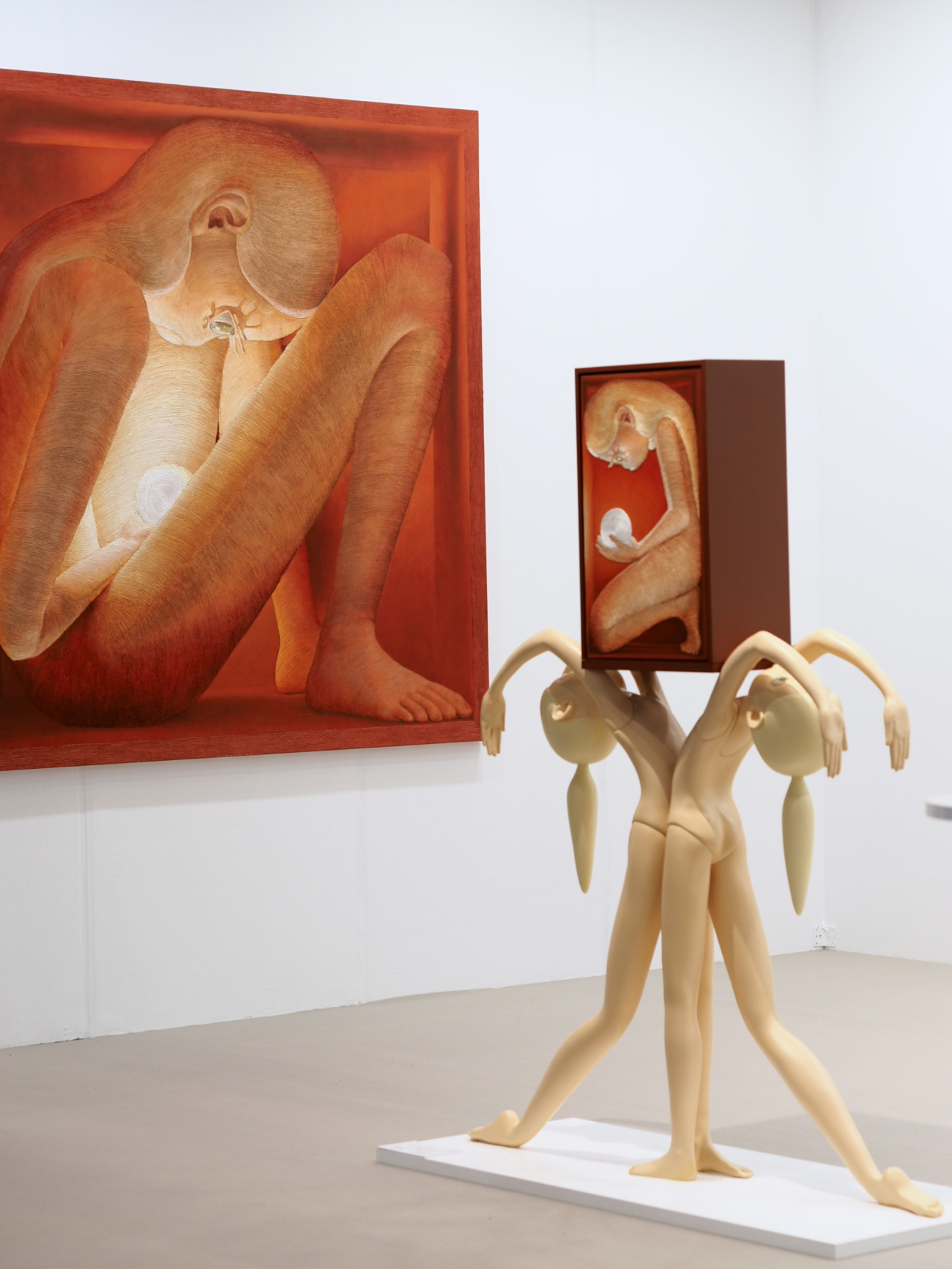
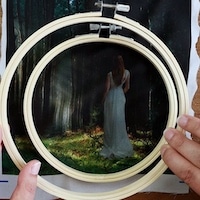
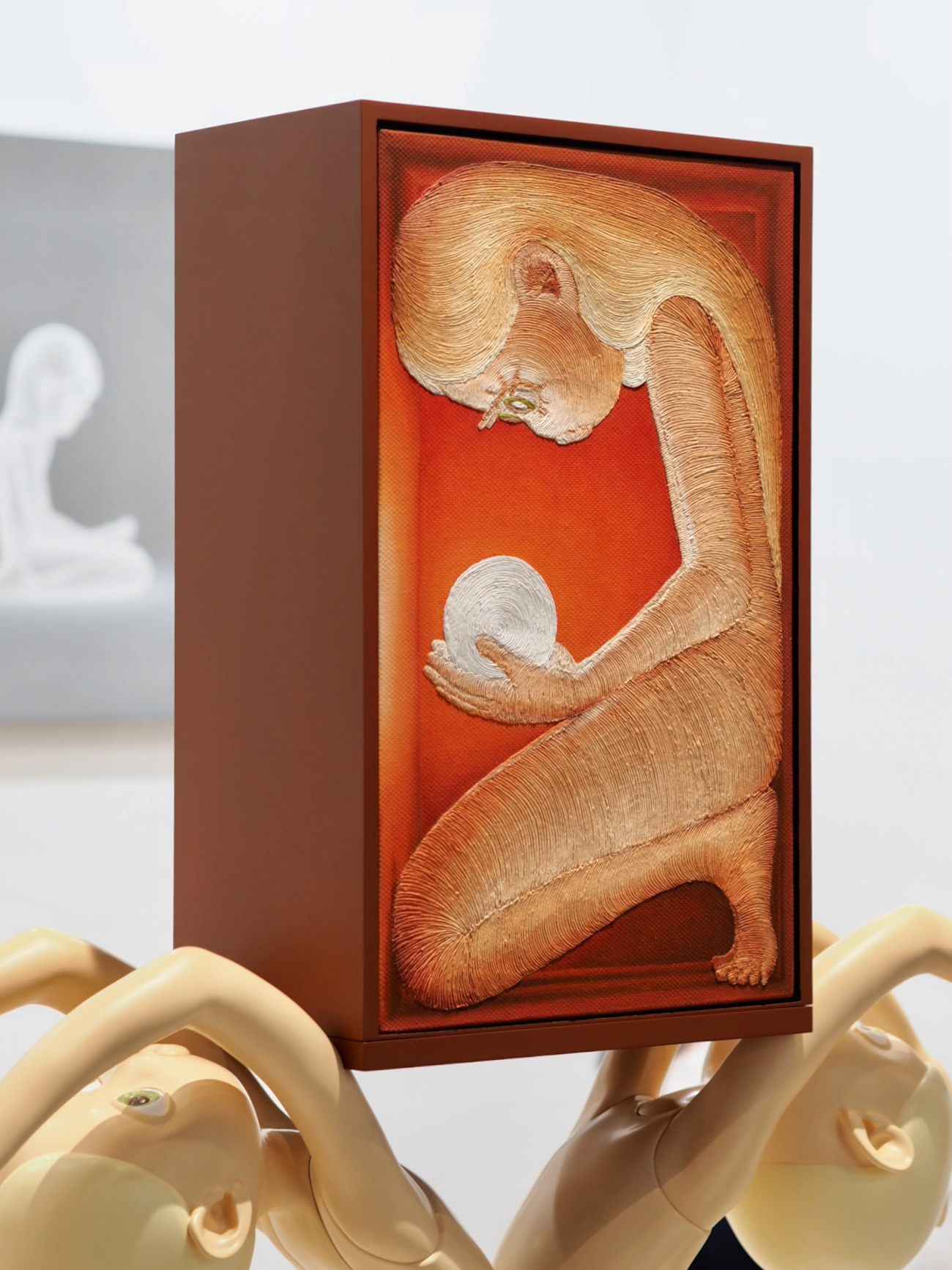
The artist rose to prominence for her oil painting, using fine line work to evoke the texture of satin-stitch embroidery, a traditional craft passed down by her mother and grandmother. This interest in the tactile quality of art has evolved into experiments with 3D modeling. It has allowed her to explore how objects interact with their surroundings and the relationship between a digital rendering and its real-life counterpart.
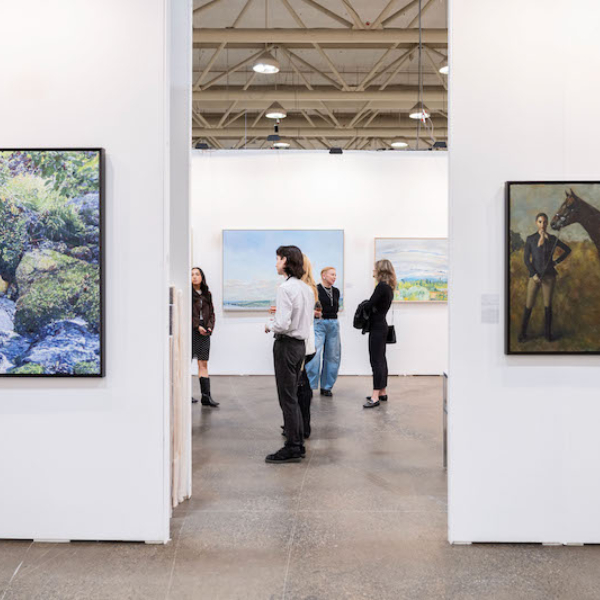
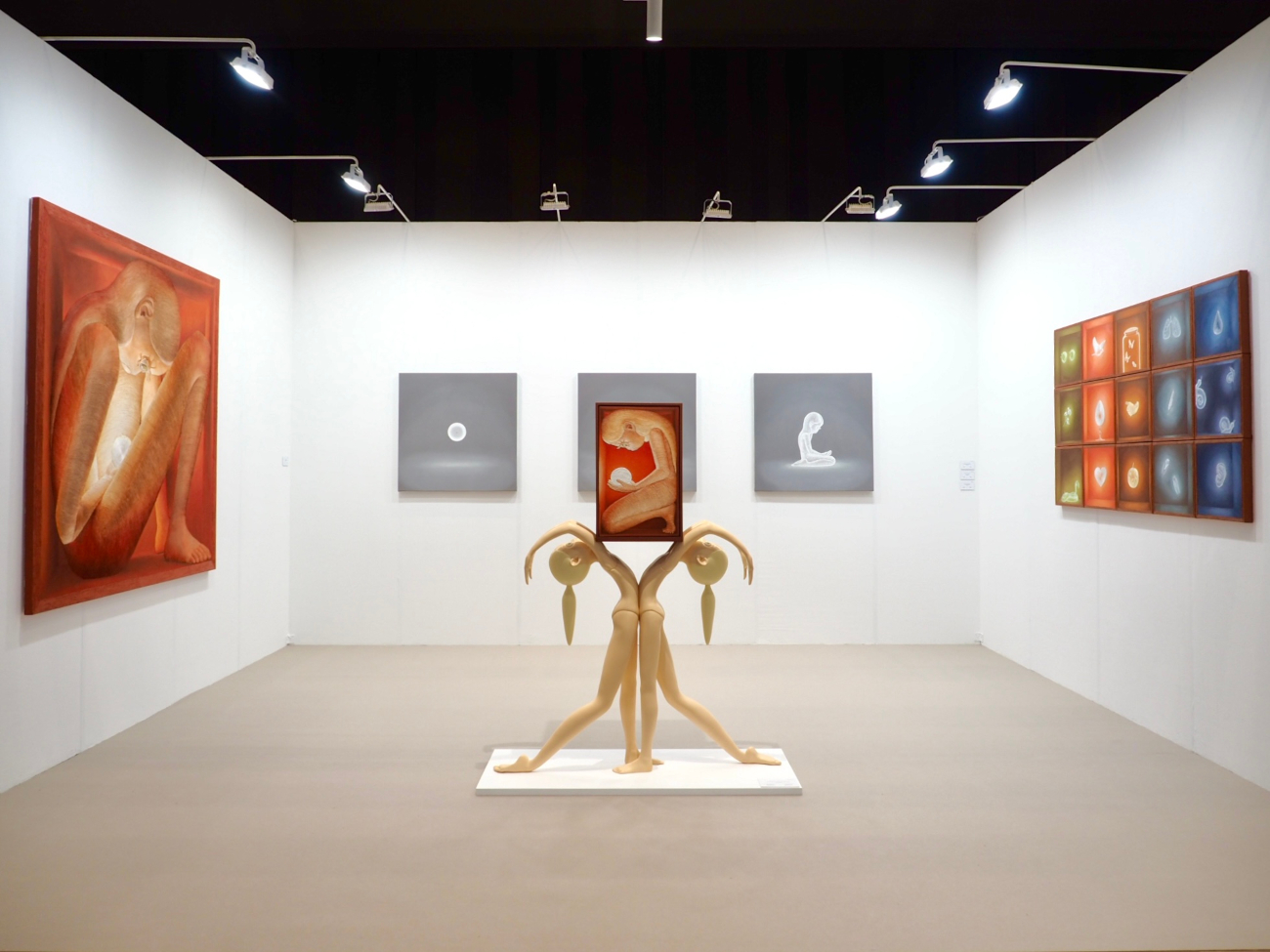
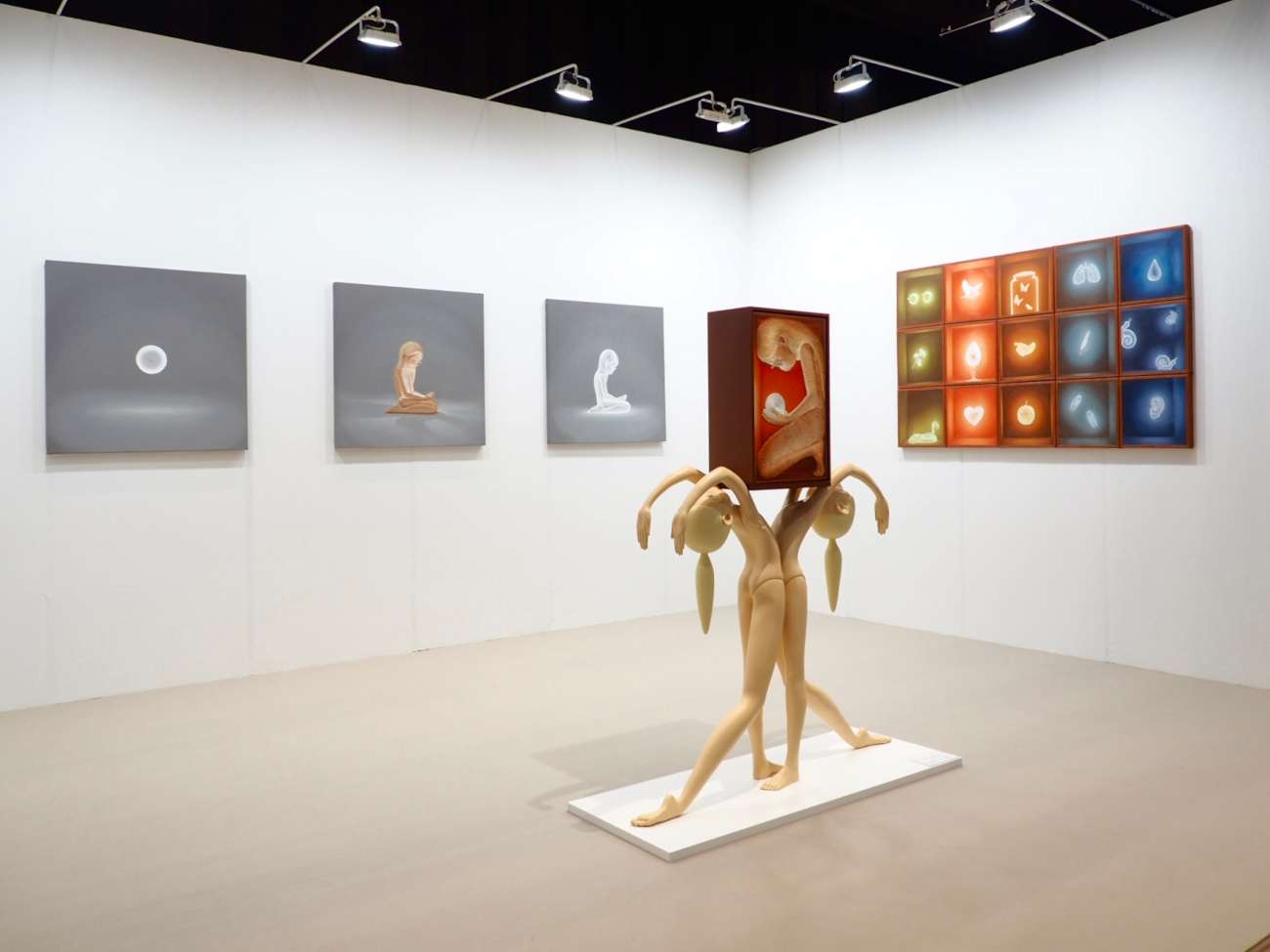
Sechko recently showcased her work at Kiaf SEOUL alongside contemporary art gallery ROBINEAU, where her warm, whimsical style made her one of the event’s most talked-about up-and-coming artists. We caught up with Sechko about her beginnings, her preferred medium, and what she hopes people take away from her work.
Keep reading for My Modern Met’s exclusive interview.
How did your artistic journey begin?
Art has always been an important part of my life, but over time, painting became more than a way to create images. It became a way to understand the world and express things that are sometimes difficult to put into words.
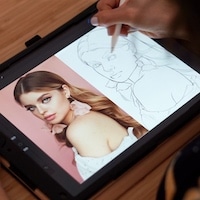
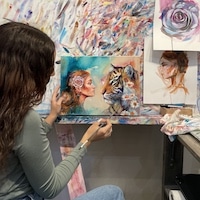
For me, the process itself is just as important as the finished work. Every day, I come to my studio and draw line after line, gradually building an image. This repetitive process has become an artistic practice in its own right, a way of being present, observing, and reflecting. I think this is essential to my understanding of art: it exists not only in the finished work, but also in the gesture of making it.
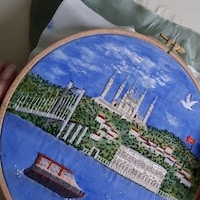
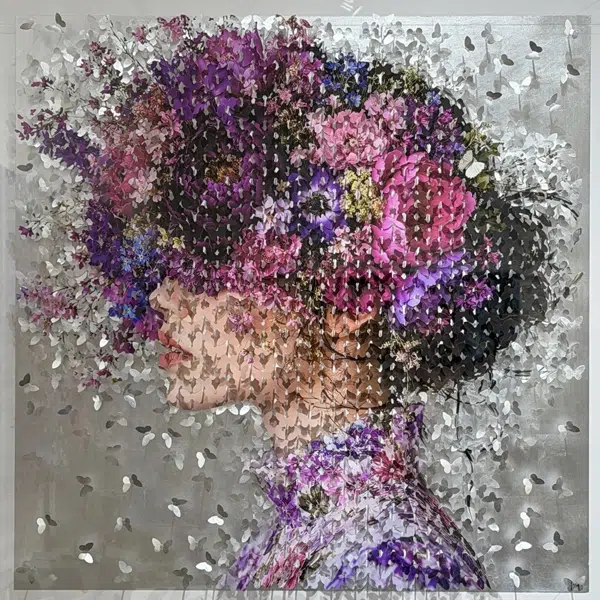
“Inner Reflection”
How did you develop your textured style for your oil-on-canvas works?
I grew up in a family surrounded by women: my grandmother, my mother, and my sister. Handcrafts were a natural part of our everyday lives, and I spent much of my free time knitting and embroidering. These activities became part of my personal experience and cultural memory.
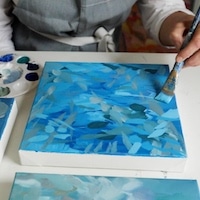
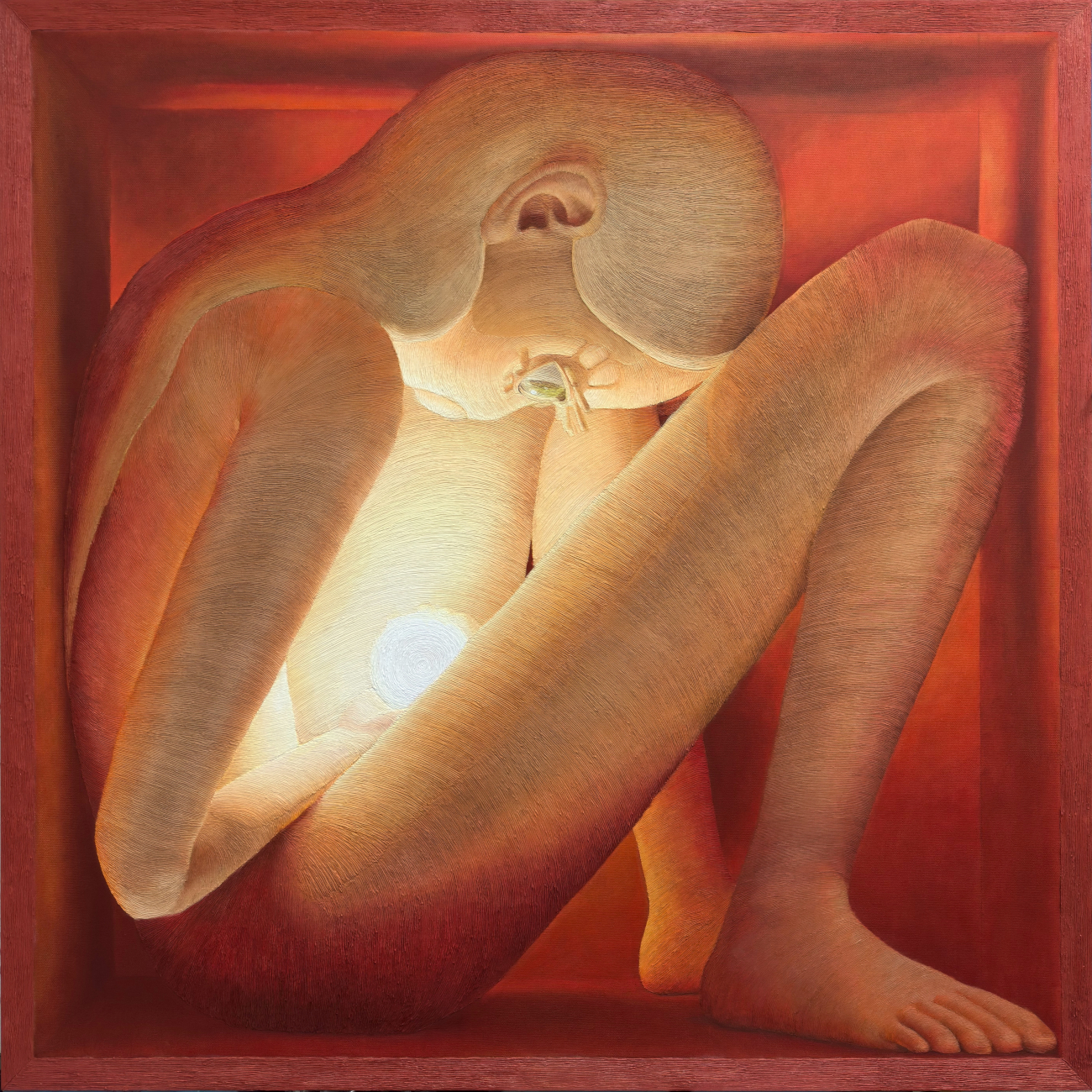
Later, I began translating this visual language into painting. I use oil paint and fine lines to imitate satin-stitch embroidery, creating the illusion of a textile surface without using actual thread. For me, this is a kind of tribute to the past, a way of preserving my connection to the world I grew up in while expressing it through my own artistic language.
I’m particularly interested in the contrast between the tactile, handmade nature of this technique and the images it produces, which can sometimes look almost hyperrealistic or even digital, like a 3D render. There is another important parallel for me: just as I recreate embroidery through painting, memory does not simply preserve the past. It reconstructs it, line by line, with subtle changes and distortions.
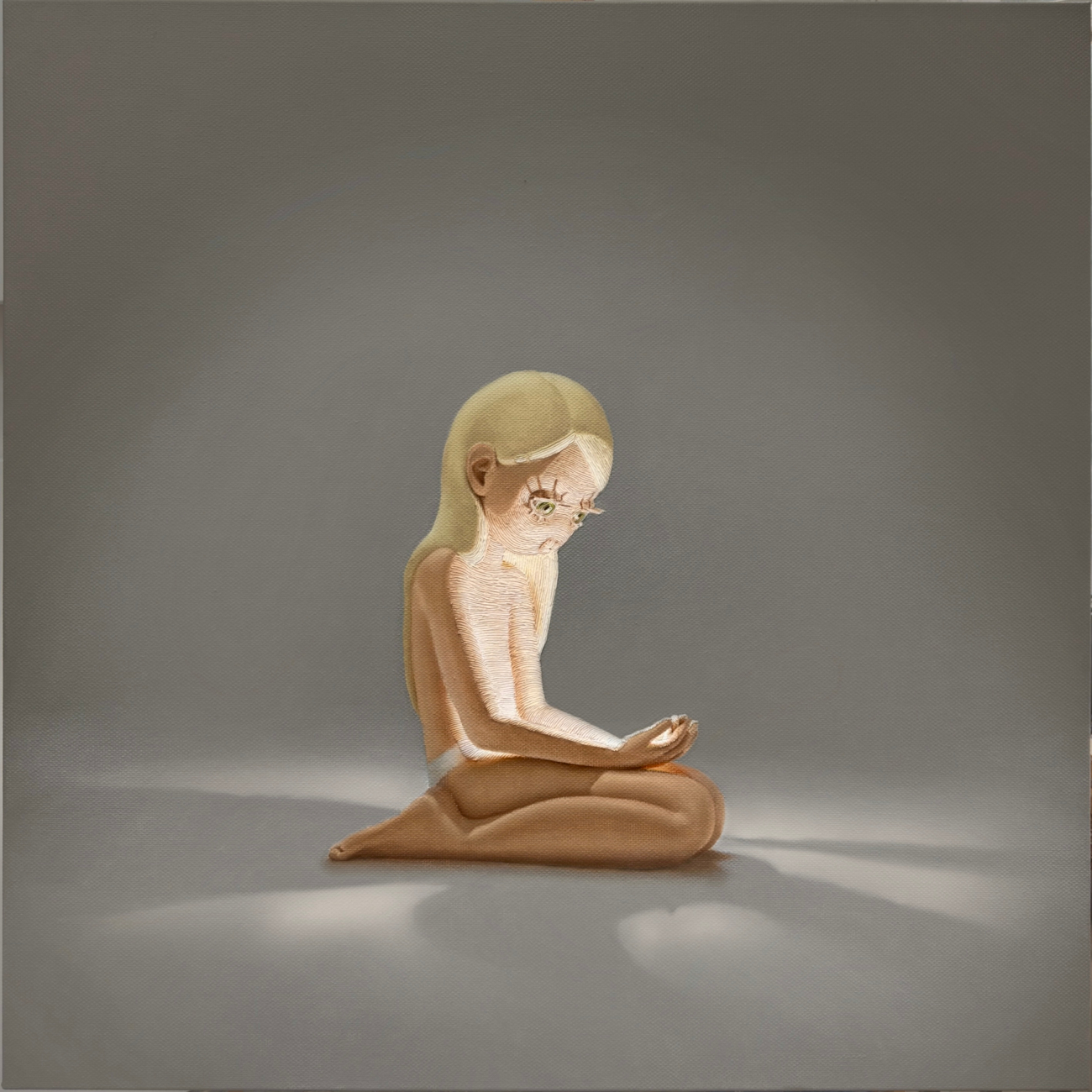
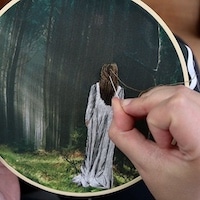
“The Luminous Girl”
What inspires your compositions? Is the character in your paintings a stand-in for yourself?
I’m drawn to transitional states moments when familiar reality begins to change, but something new has not yet fully emerged. This might be the transition from childhood to adulthood, the tension between the natural and the artificial, or the sense of uncertainty that accompanies life in the contemporary world.
The girl who appears in my paintings is not a direct self-portrait, although she inevitably carries something of my own experience. Rather, she is a character through whom I explore different states of being. She exists somewhere between childhood and adulthood, vulnerability and resilience, the familiar and the unknown.
It’s important to me that she has no specific biography. She can change from one painting to another, remaining recognizable while finding herself in new situations. This allows her to become a kind of bridge between my personal experience and that of the viewer.
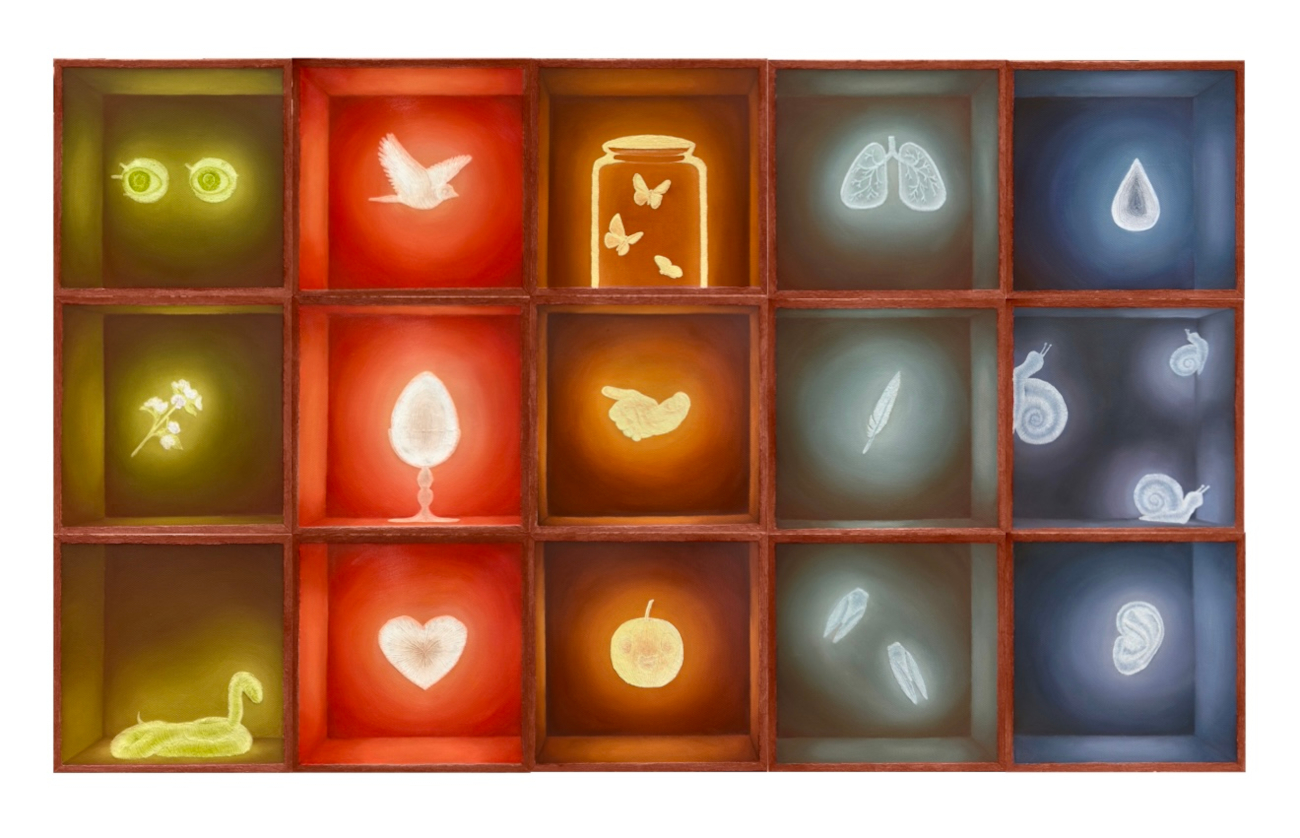
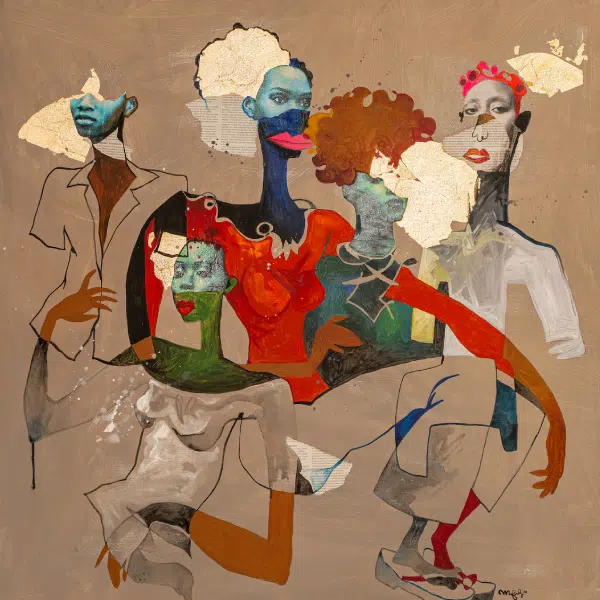
“The Five Phases of Holding”
What’s your creative process like?
It can begin with an image, a feeling, or a visual contradiction that I want to explore. I think a lot about the relationship between people and their surroundings, and about how an ordinary everyday scene can convey a complex emotional state.
Then the work of building the image begins. I gradually construct it through countless fine lines that imitate the threads of embroidery. It is a slow process that requires concentration and a daily return to the work.
At the same time, I don’t see painting simply as the execution of a fully formed idea. As I work, the image can change, reveal new meanings, and lead me towards unexpected decisions. The concept provides a direction, but the painting itself also becomes part of the search.
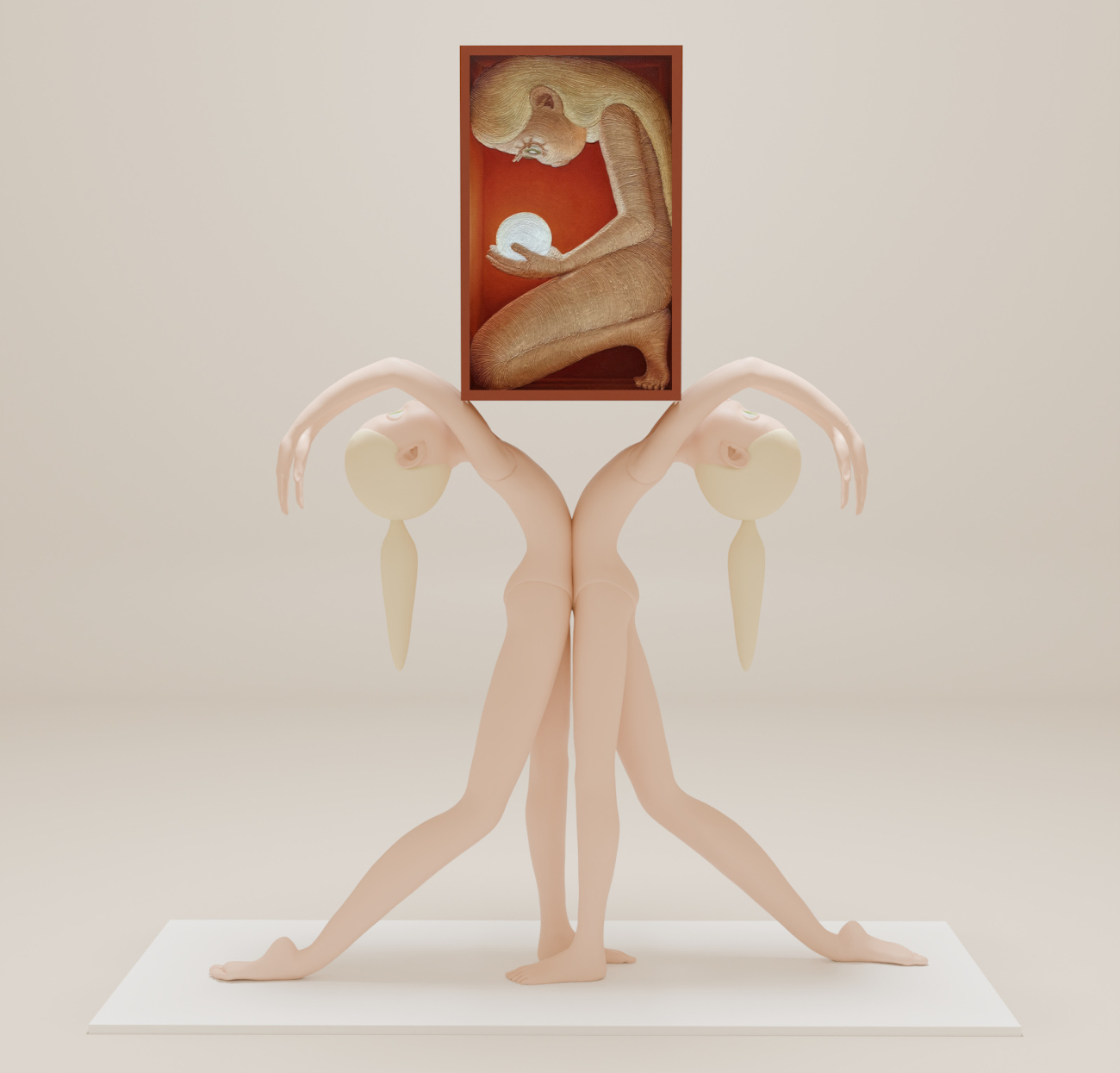
“The Room of Light Preservation”
You have also experimented with 3D sculpting. Do you see it as a separate art form, or just another facet of your artistic vision?
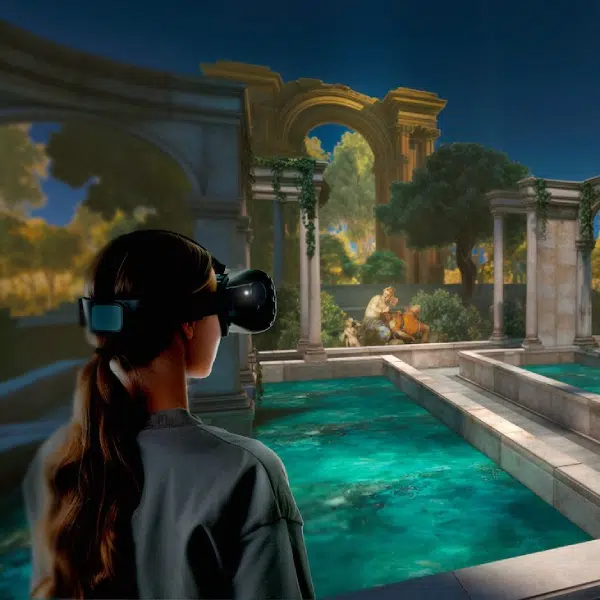
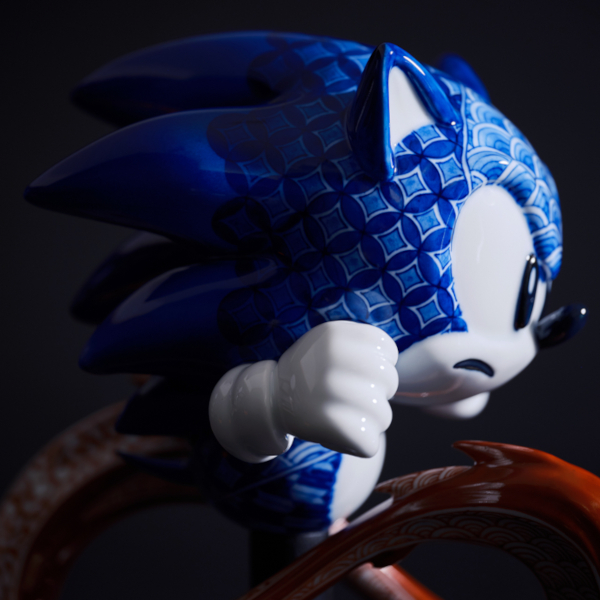
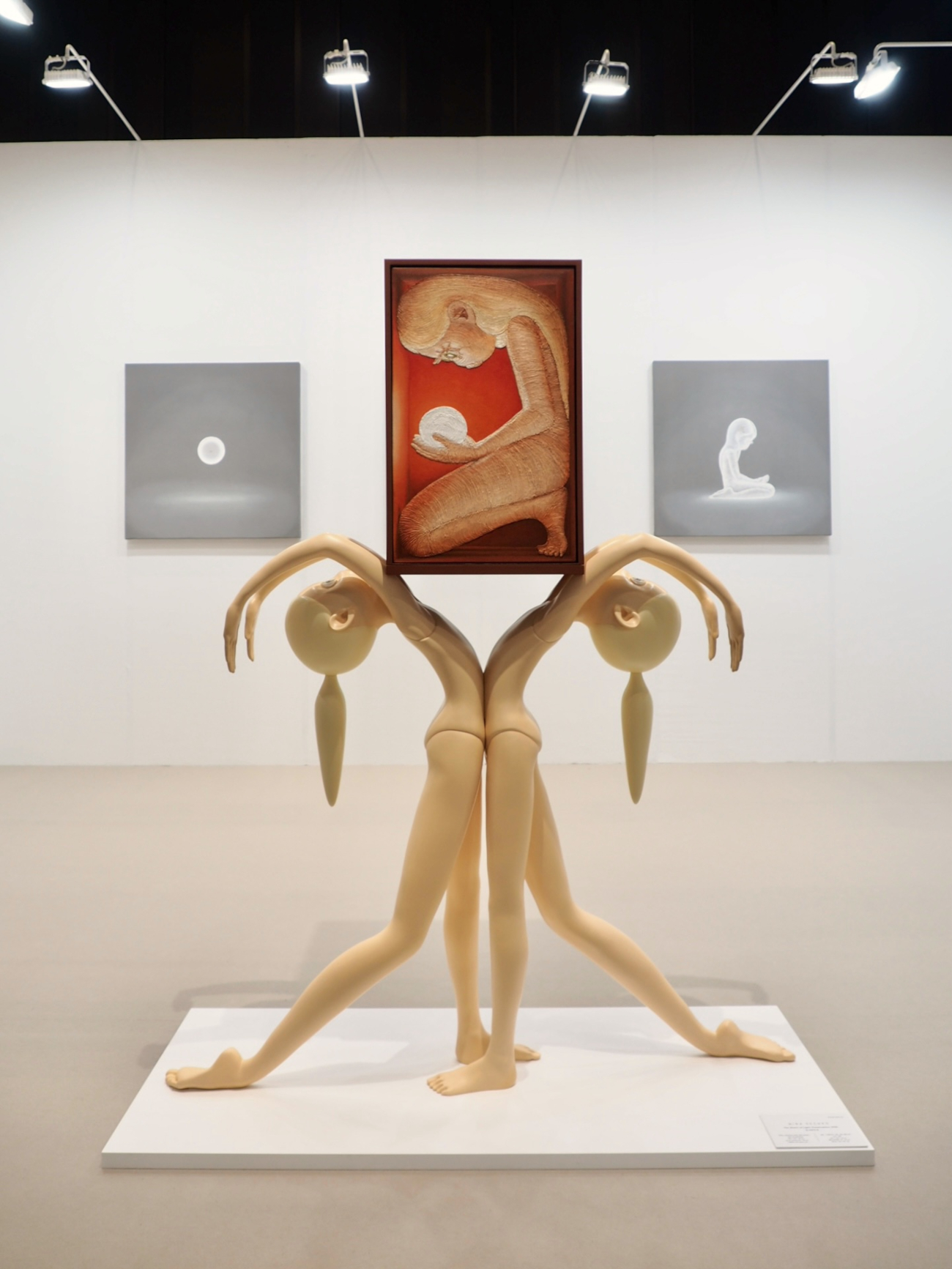
For me, these are different ways of exploring the same questions. Working in 3D allows me to investigate form and space, as well as the relationships between the body, objects, and their surroundings. Sometimes I bring objects I have created digitally into physical space, transforming them into sculptures.
I’m interested in this transition, the moment when a digital form acquires materiality and begins to exist in the world alongside the viewer.
More broadly, I’m fascinated by the interaction between the digital and the handmade. Digital images can appear perfectly smooth and precise, while my paintings are built through a repetitive, manual gesture. I’m interested in exploring the boundary between these worlds and how our perception of an object changes as it moves from one state to another.
What materials or tools do you like to use?
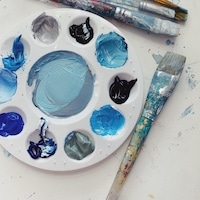
Oil paint is the central material in my practice. I work with fine brushes, creating countless delicate lines that come together to form a surface resembling embroidered fabric. I love the contrast between the physical qualities of oil paint and the almost illusory precision of the resulting image.
At the same time, I don’t limit myself to painting. I use digital tools and 3D modeling when they allow me to explore form, volume, and space in new ways. For me, materials are more than just a means of realizing an idea; each has its own visual language and associations. I’m interested in what happens when these languages meet, for example, when a digital-looking image is created by hand, or when a traditional craft is reimagined through painting.
What do you hope people will take away from your work?
I hope my work offers viewers a sense of recognition and connection, the feeling that other people are also trying to navigate uncertainty, change, and the search for a place in the world.
We are living through a period in which our familiar ideas of reality, identity, and human connection are constantly changing. I’m interested in how we move through these transitions and what helps us maintain a sense of inner stability. Perhaps it is our relationships with others, everyday rituals, or the things we quietly carry within ourselves.
The idea of an inner light is important to me. I think of it as something fragile yet persistent, an inner source of warmth and strength that we try to preserve, even when the world around us feels uncertain. Sometimes, protecting this light means turning inward; at other times, it is our connections with other people that help it grow.
I don’t want to give viewers a definitive answer or impose a particular interpretation. I would rather create a space where they can pause, feel something, and discover their own associations.
I believe art can restore a sense of connection between us and remind us of the inner light we carry, even when we struggle to find the words to describe what we are experiencing.