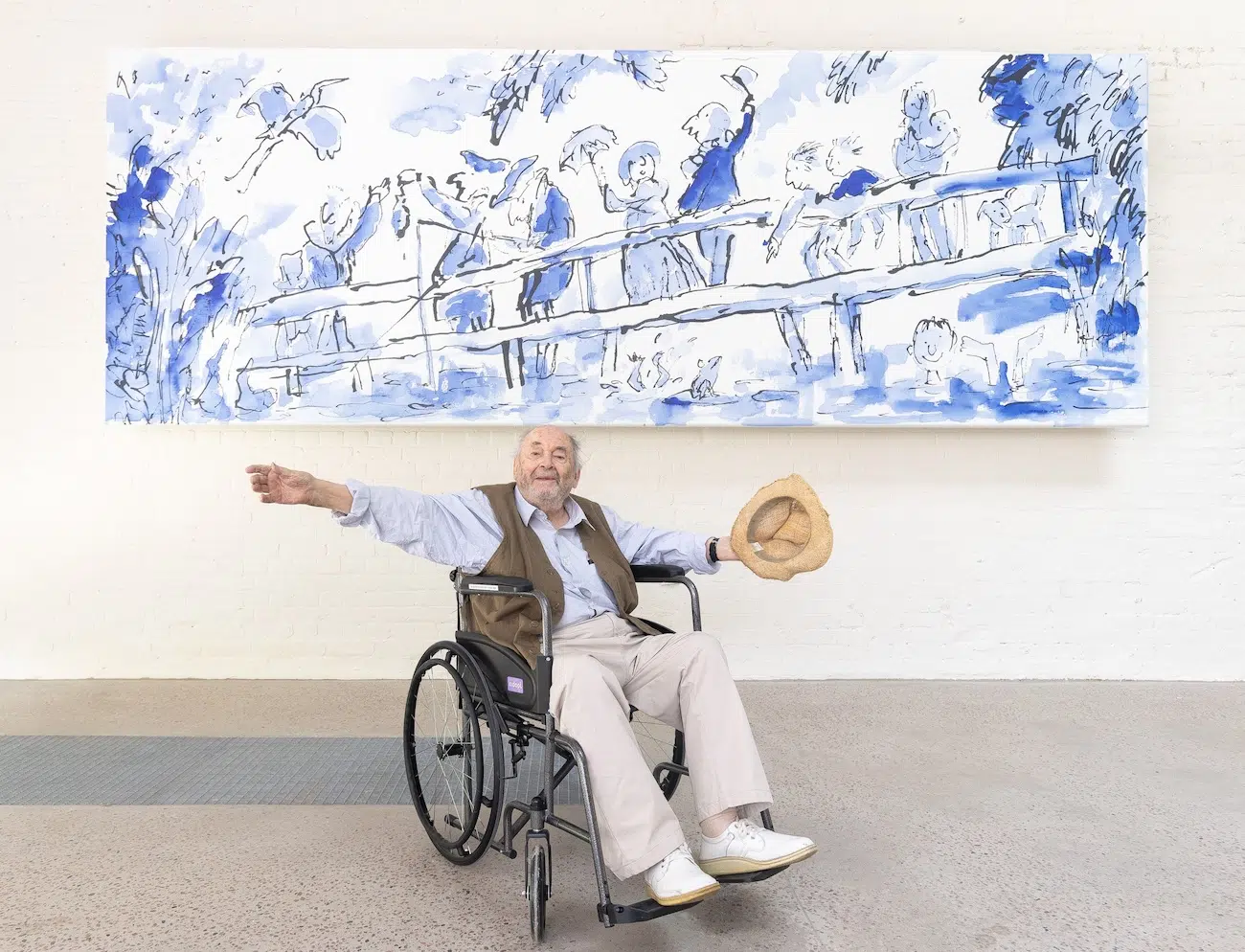
Quentin Blake beside A Bridge to the Past (2026), a new mural commissioned for the Quentin Blake Centre for Illustration ahead of its public opening on 5 June 2026. (Photo: Benedict Johnson)
Illustration is a powerful force for communication. This type of art conveys stories and ideas, making even the most complex concepts accessible. It’s an important part of our culture, and a new institution in London’s Clerkenwell neighborhood is honoring the field. The Quentin Blake Centre for Illustration is the UK’s first and only charity for illustration, founded by eponymous illustrator Quentin Blake. Blake is perhaps best known for illustrating Roald Dahl's Charlie and the Chocolate Factory (1964) and Matilda (1988).
With its opening on June 5, 2026, the Quentin Blake Centre for Illustration is officially the world’s largest space for illustration. In it, you’ll find exhibitions related to illustrators and illustrations, and creative projects done in collaboration with collections, universities, schools, community groups, and more.
“Illustration changes everything,” the center explains. “We harness its power to transform the way we express ourselves, connect with others and see the world around us.” The institution views illustration as deliberate and powerful, a catalyst for making things more comprehensible, and a means to reach across disciplines, audiences, and cultures.
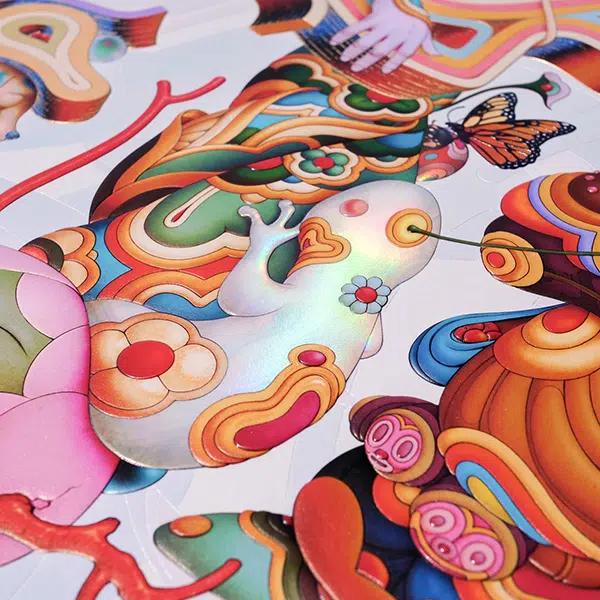
These ideals are present in two of its current exhibitions. MURUGIAH: Ever Feel Like…, now on view through August 31, 2026, is the illustrator MURUGIAH’s first-ever solo show. In a style that’s colorful, kaleidoscopic, and sometimes macabre, the work reflects on the illustrator’s life. Pieces draw on MURUGIAH’s Sri Lankan heritage and Welsh upbringing, with motifs that include flowers, elephants, and skull-headed characters influenced by playing Nintendo when he was young. Fused with references to Hollywood films and Sri Lanka, there’s a lot to dig into in these multifaceted works.
While MURUGIAH: Ever Feel Like… is a solo exhibition, Queer as Comics is a group show that takes a historical look at comics, strip cartoons, graphic novels, and zines that have represented LGBTQIA+ perspectives since the 1940s. Works included in the exhibition demonstrate how comics have provided a voice for the queer community. It features everything from Tove Jansson’s 1954 Moomin cartoon to graphic novelists including Alison Bechdel to Lee Lai’s story of love lost, Stone Fruit, published in 2021.
“Comics have a long tradition of being subversive: not solely art or literature but a combination of both to make their messages captivate readers,” remarks curator Paul Gravett. “They lend themselves perfectly to queer themes as brilliantly showcased in the exhibition.”
You can learn more about the space and plan your visit on the Quentin Blake Centre for Illustration website.
The Quentin Blake Centre for Illustration is the UK’s first and only charity for illustration, founded by eponymous illustrator Quentin Blake.

Photo: Hufton Crow
Blake is perhaps best known for illustrating Roald Dahl’s Charlie and the Chocolate Factory (1964) and Matilda (1988).
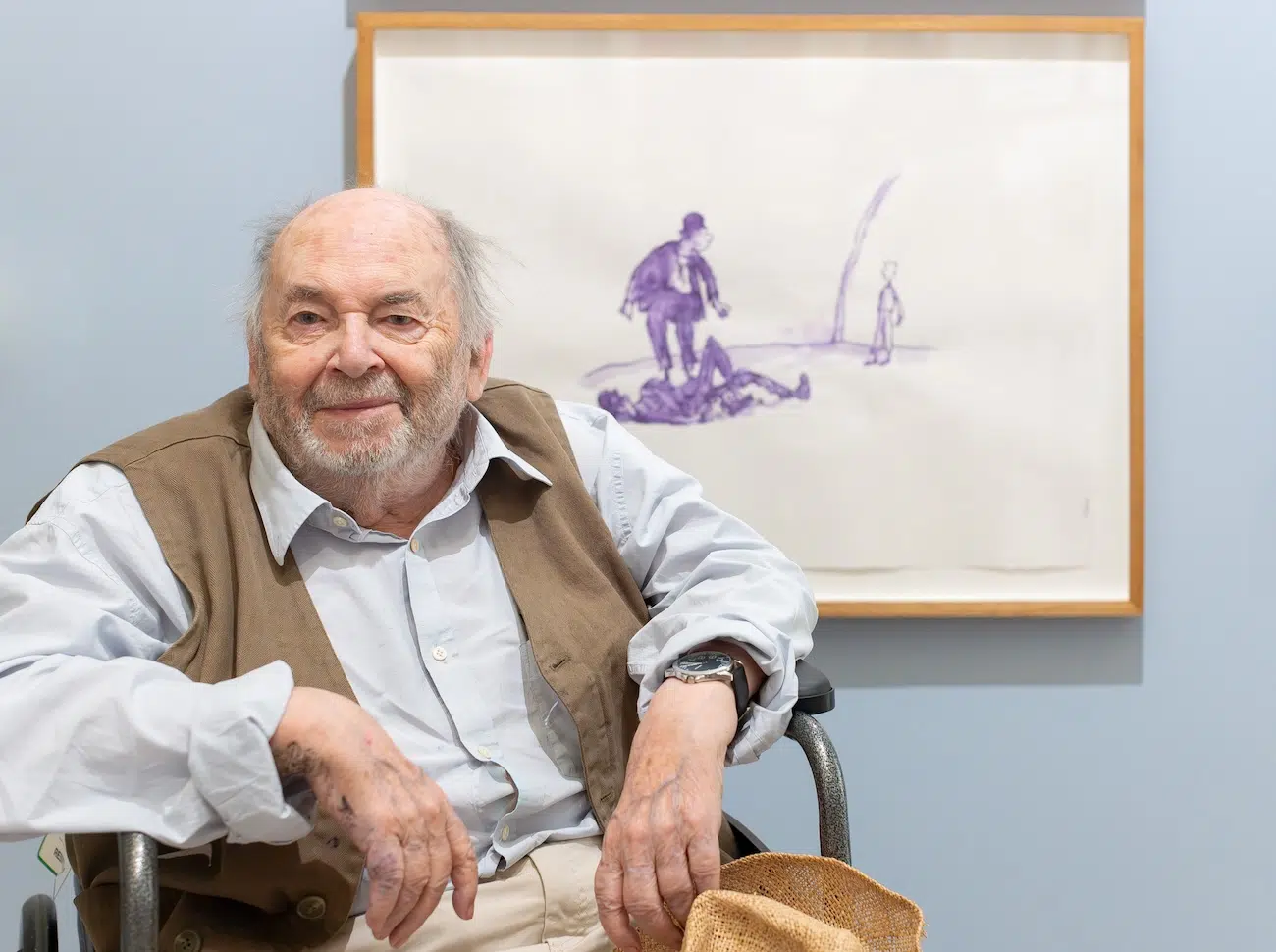
Quentin Blake in front of his drawing of Waiting for Godot in the exhibition Quentin Blake Performance at the Quentin Blake Centre for Illustration ahead of its public opening on 5 June 2026. (Photo: Benedict Johnson)
With its opening on June 5, 2026, the Quentin Blake Centre for Illustration is officially the world’s largest space for illustration.
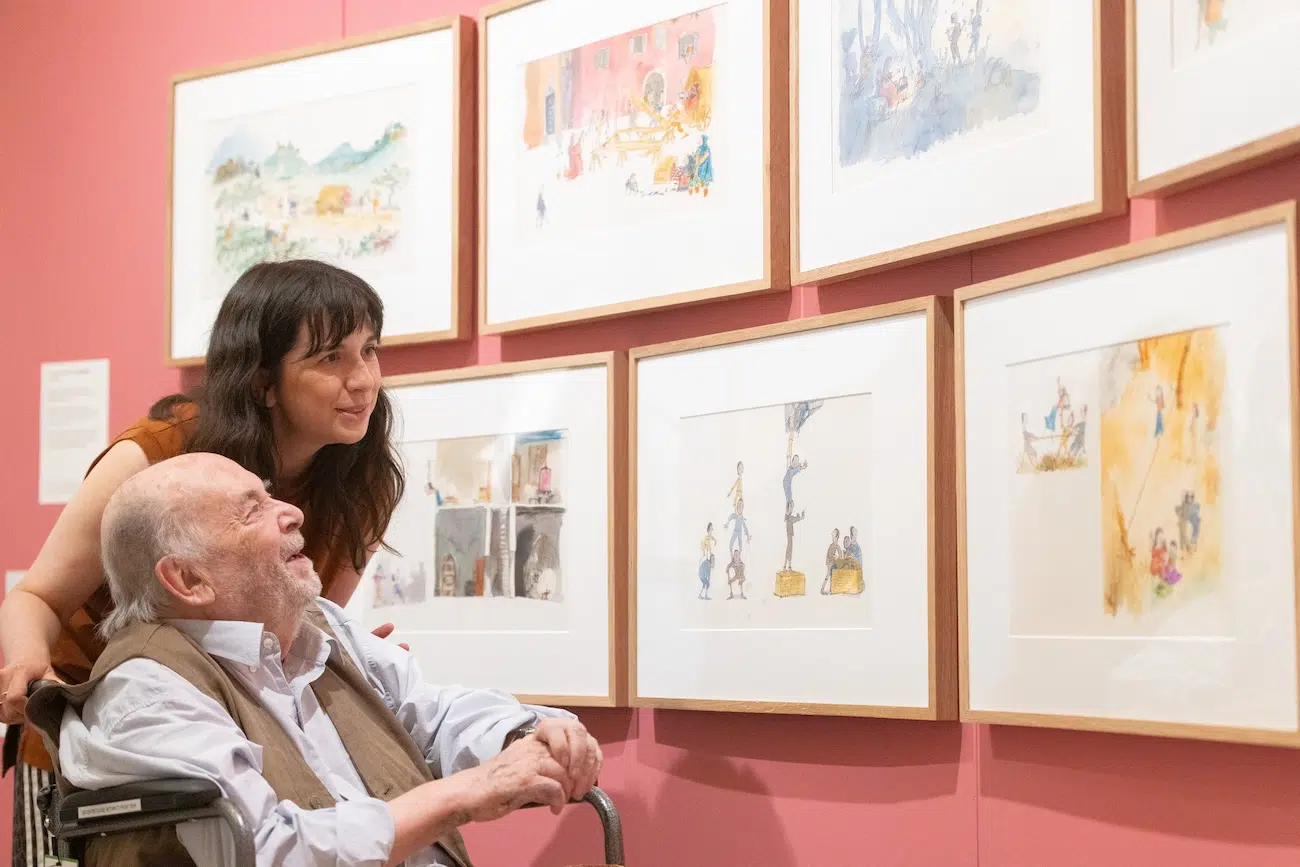
Quentin Blake and Artist Director Olivia Ahmad view works in the exhibition Quentin Blake Performance at the Quentin Blake Centre for Illustration ahead of its public opening on 5 June 2026. (Photo: Benedict Johnson)
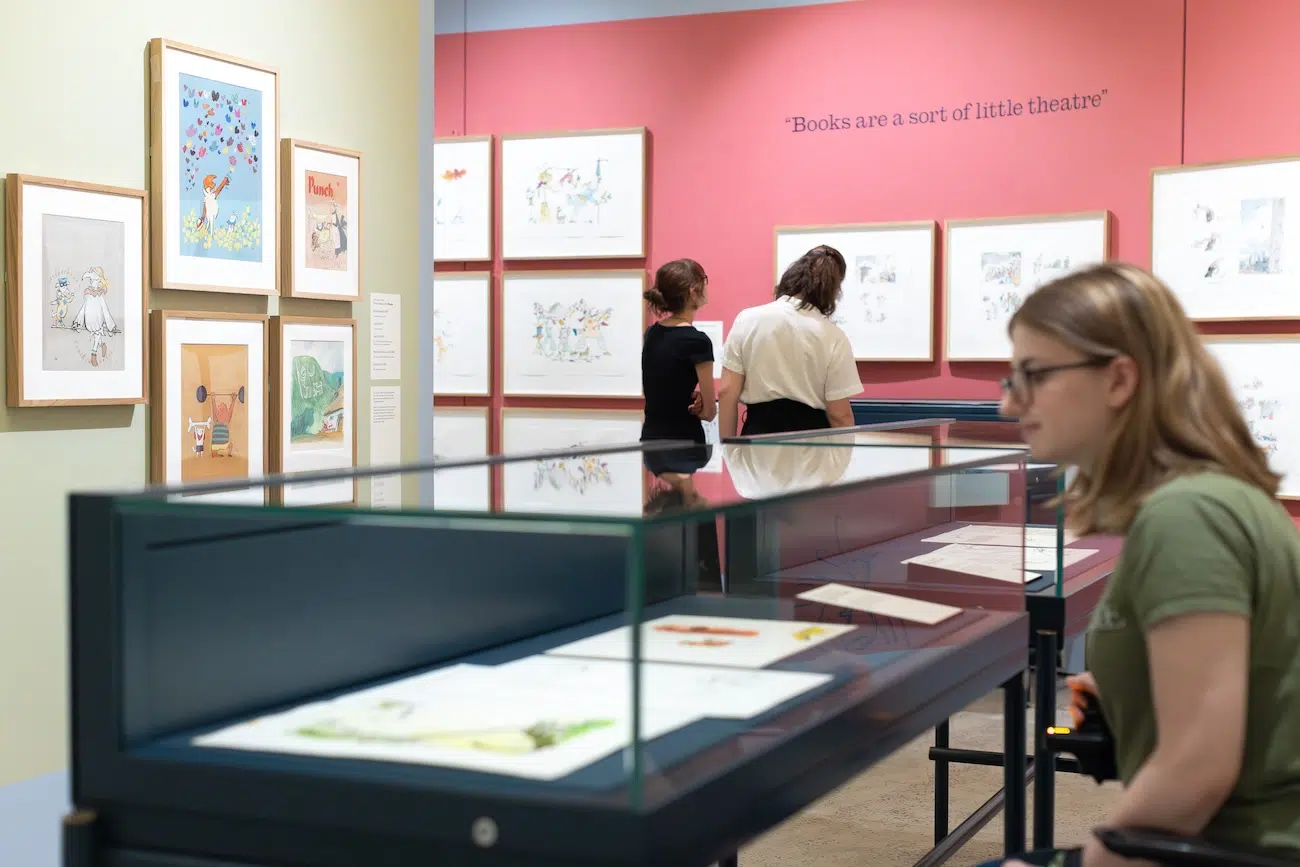
Photo: Benedict Johnson
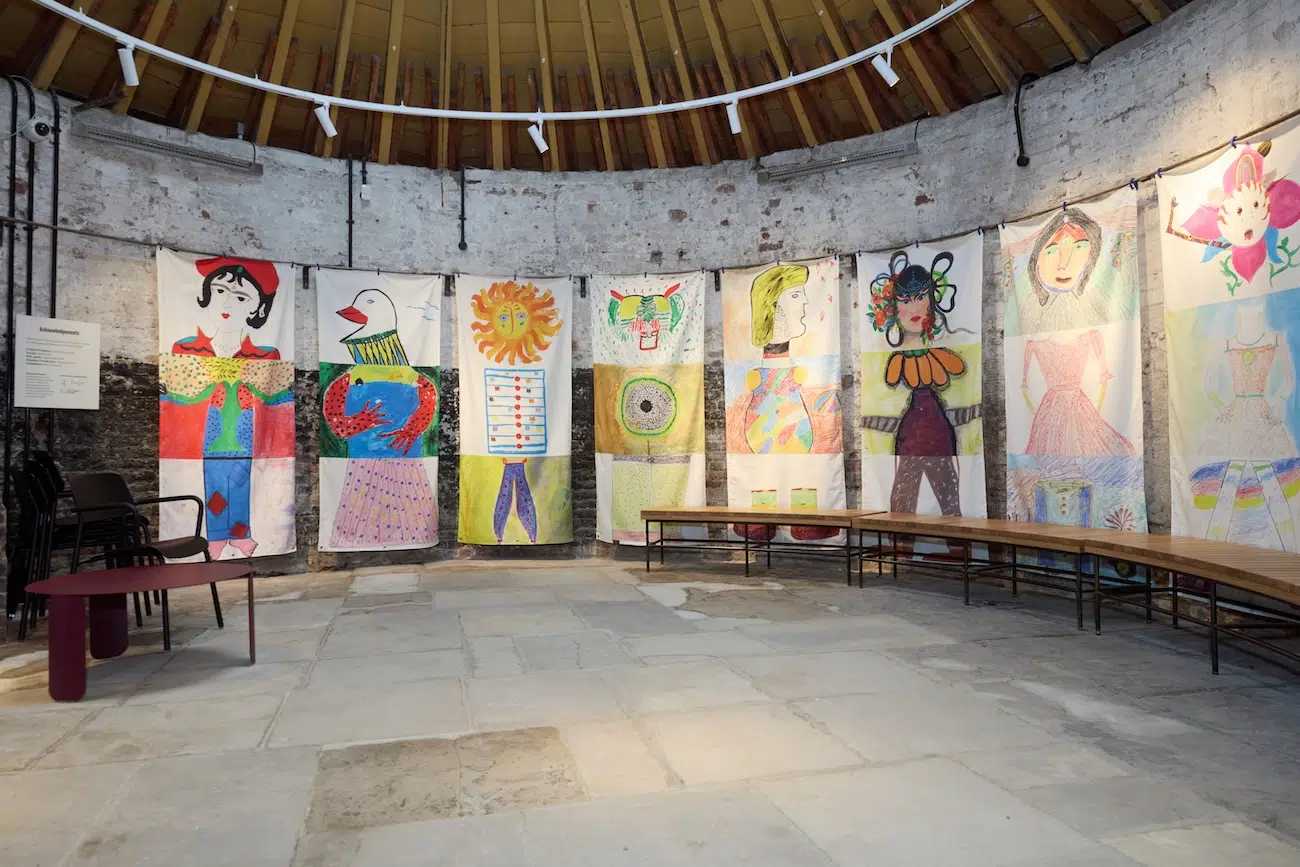
MURUGIAH: Ever Feel Like…, now on view through August 31, 2026, is one of the center’s opening exhibitions.
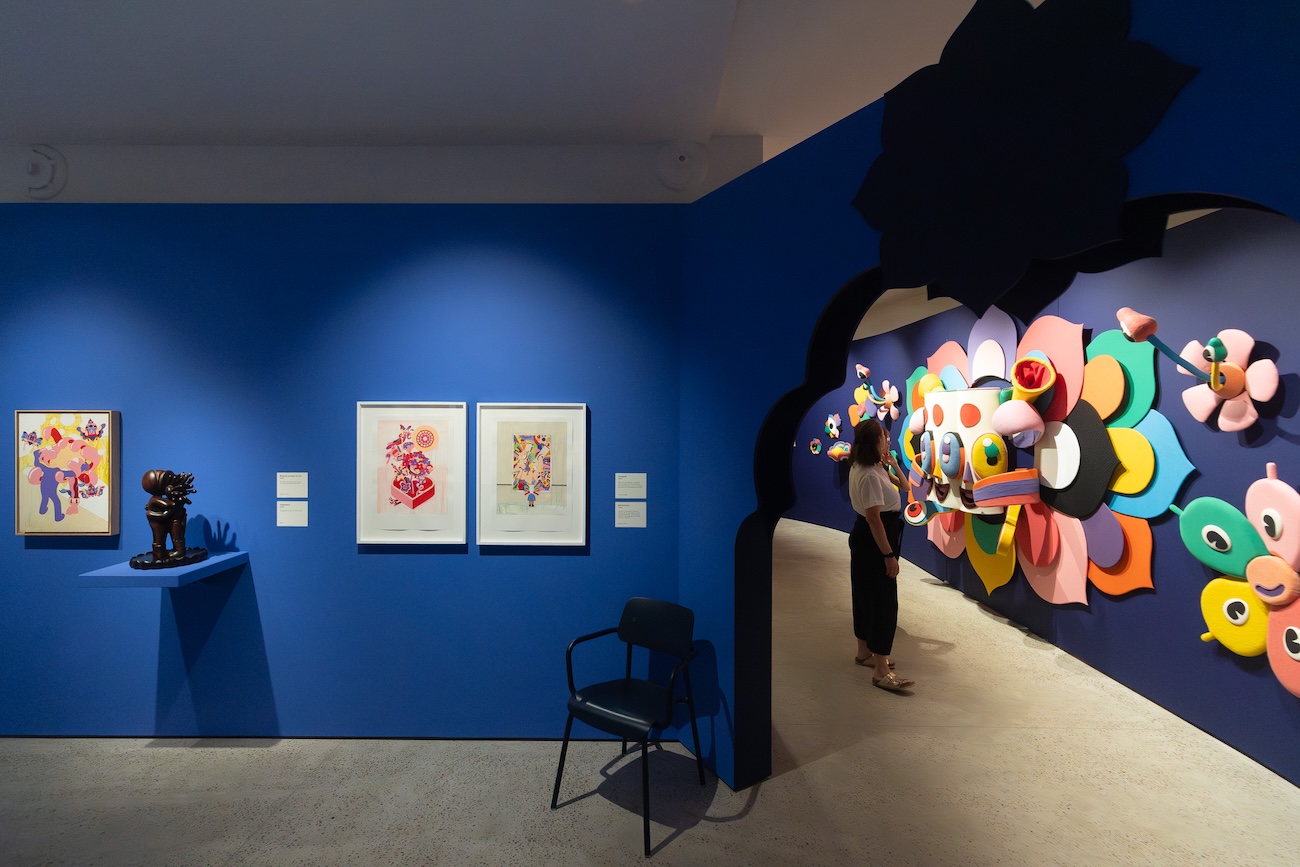
Photo: Benedict Johnson
In a style that’s colorful, kaleidoscopic, and sometimes macabre, the work reflects on the illustrator’s life.
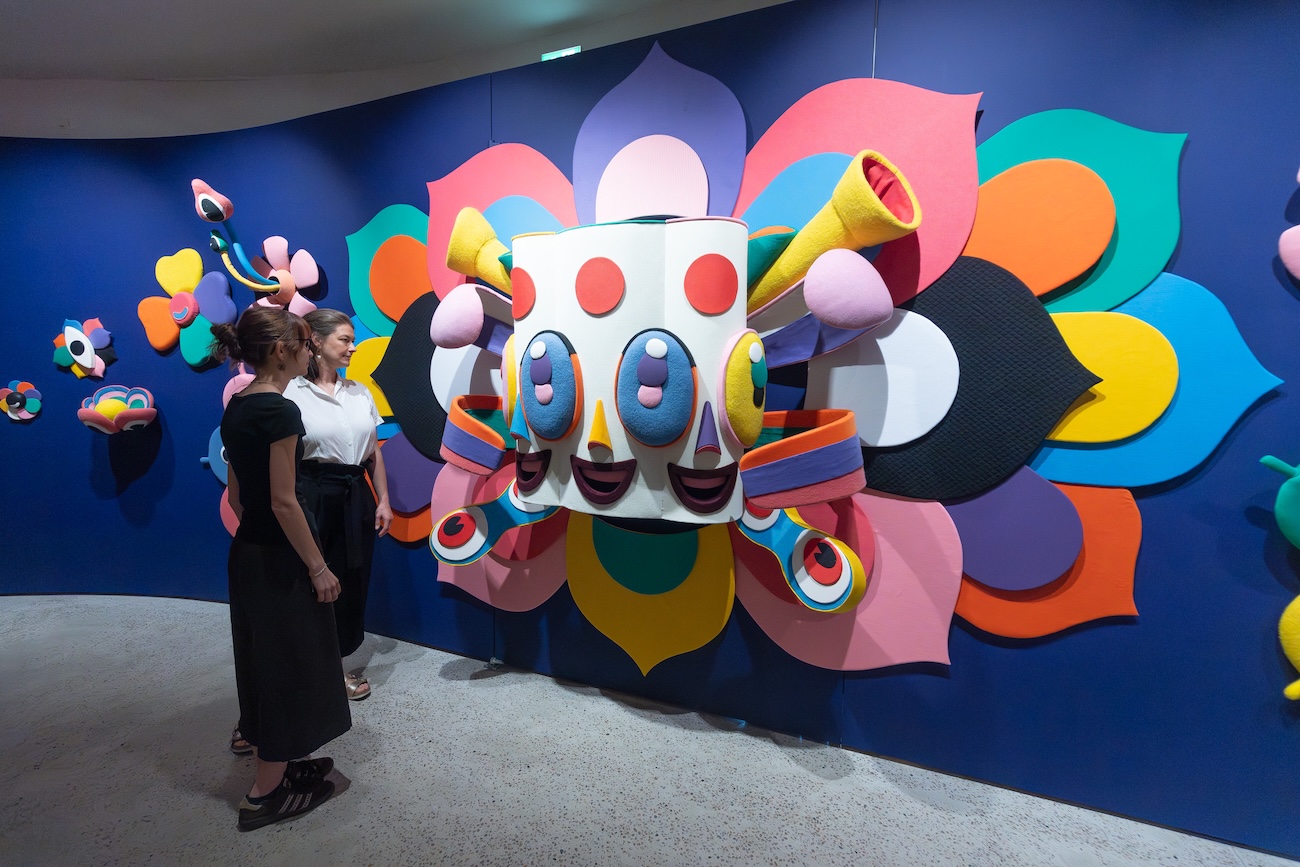
Photo: Benedict Johnson
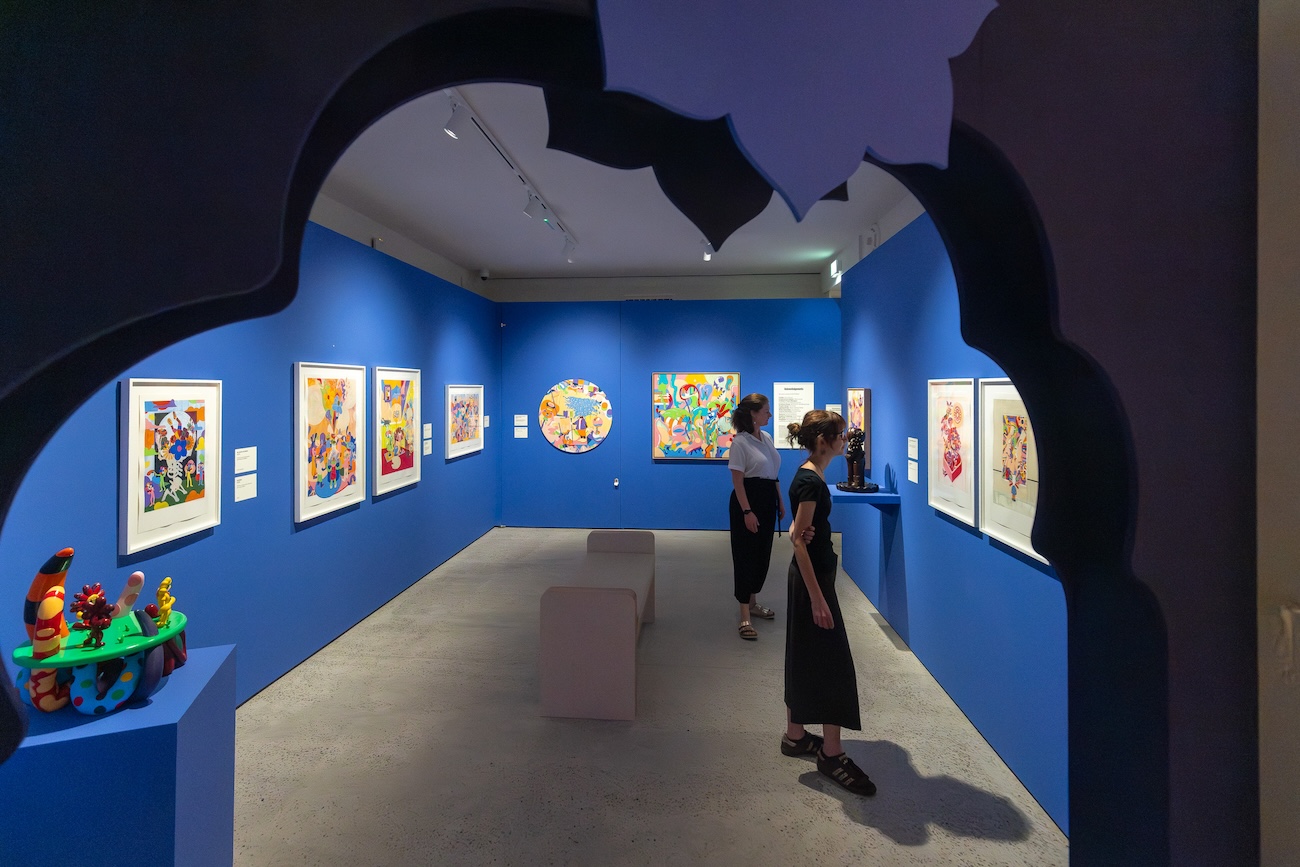
Photo: Benedict Johnson
Queer as Comics is a group show, also currently on view, taking a historical look at comics, strip cartoons, graphic novels, and zines that have represented LGBTQIA+ perspectives since the 1940s.
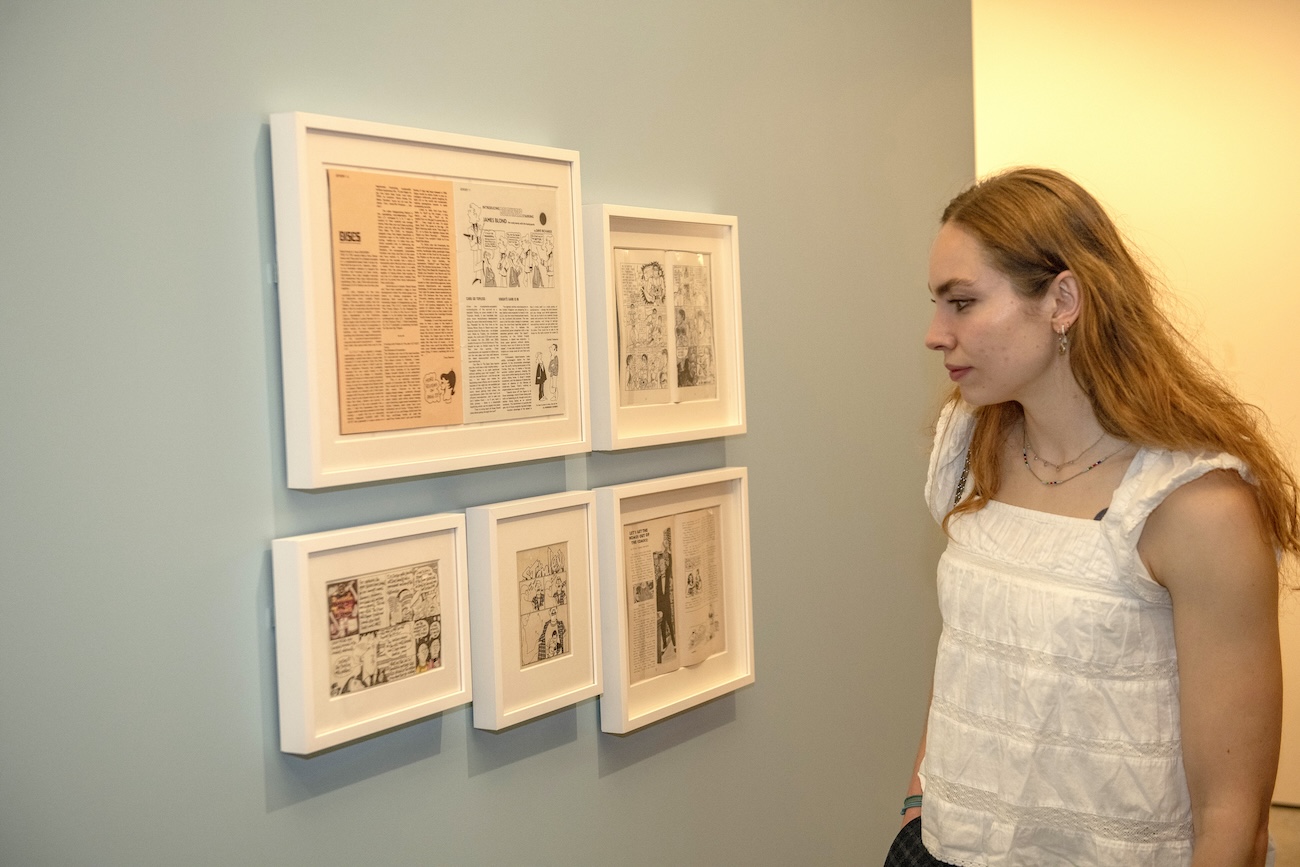
Photo: Justin Piperger
Works included in the exhibition demonstrate how comics have provided a voice for the queer community.
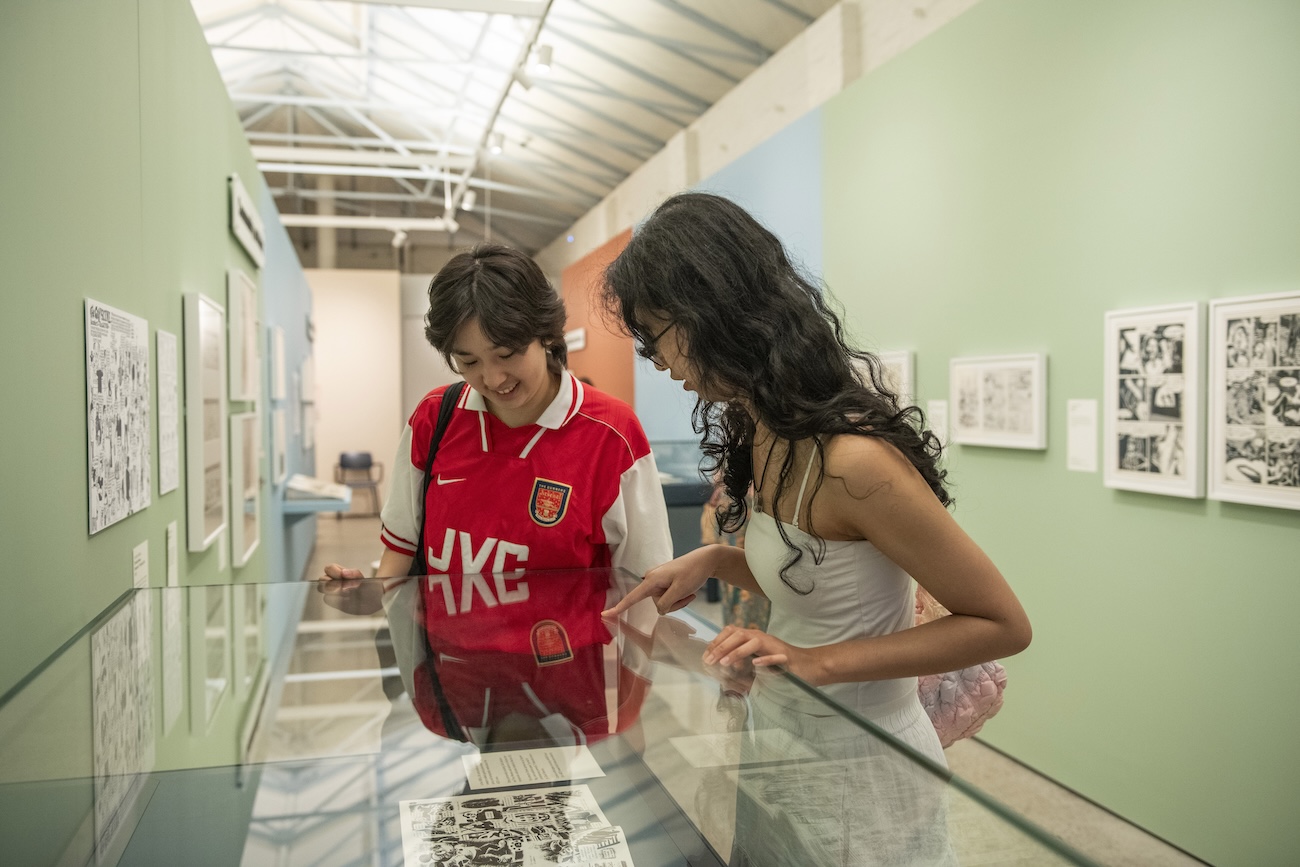
Photo: Justin Piperger
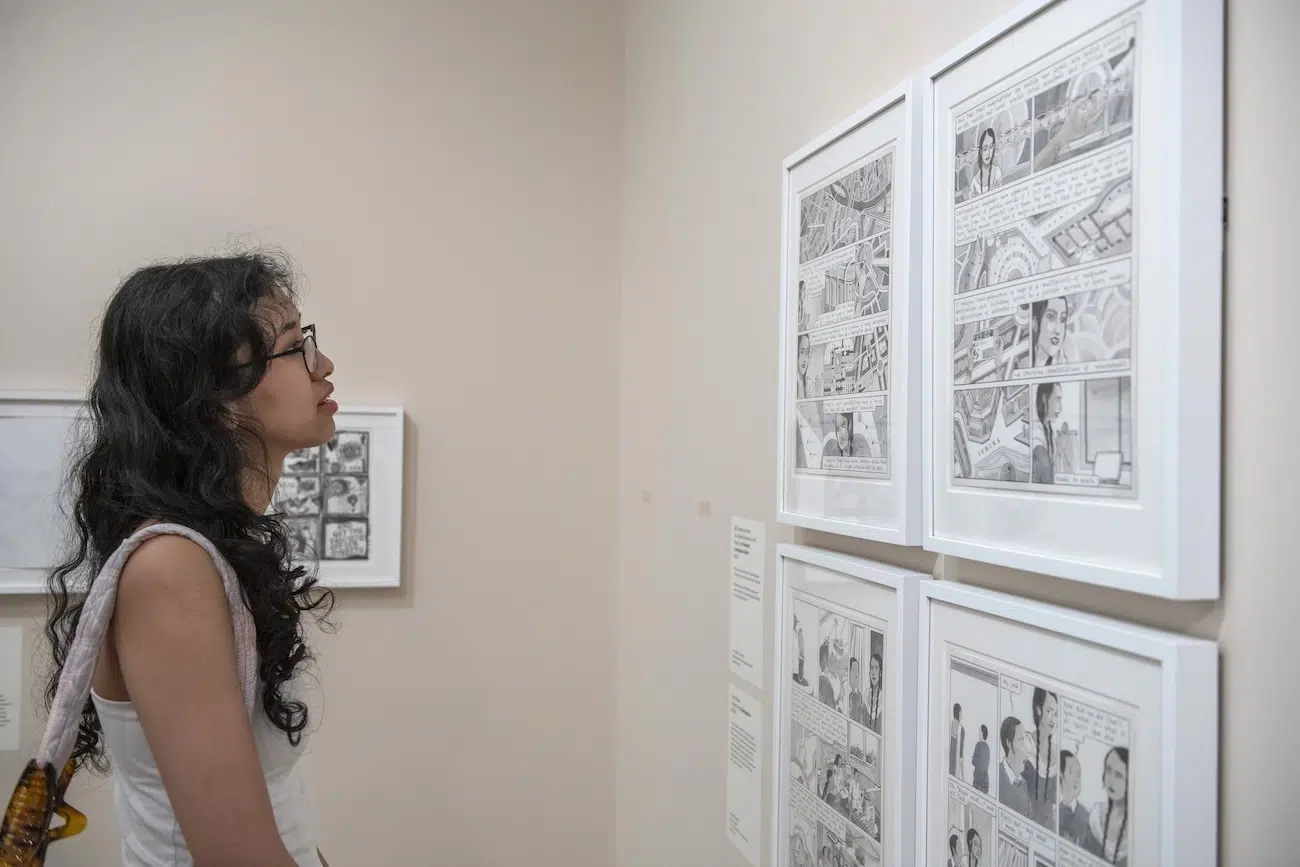
Photo: Justin Piperger