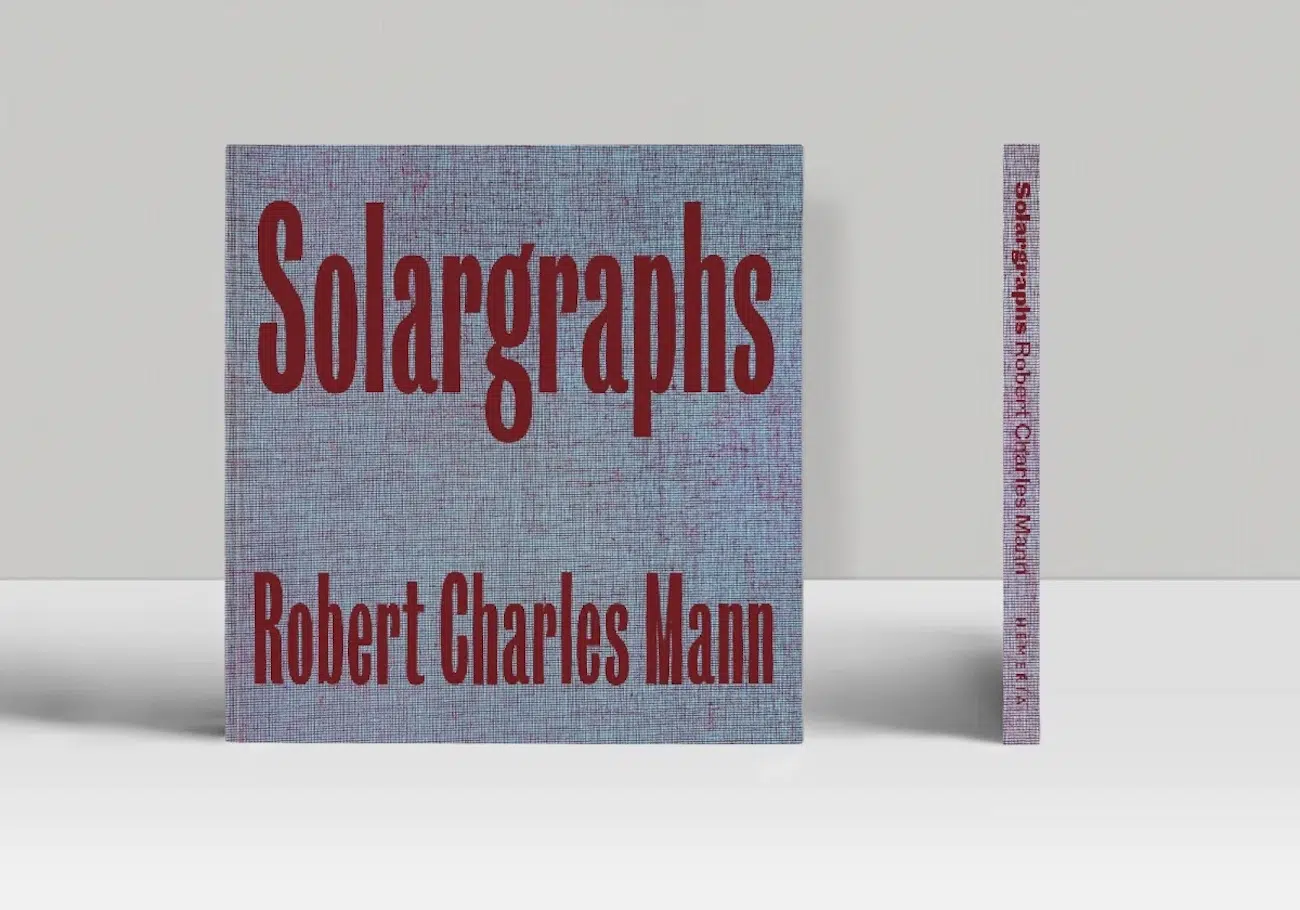
Sometimes, the simplest tools can capture the most extraordinary moments. That’s what photographer Robert Charles Mann has done with his pinhole photographs in his monograph, Solargraphs, released by Hemeria. Featuring an introduction by Brad Pitt and an essay by Mikaël Faujour, the book brings together 50 pinhole photographs that Mann captured during his artistic residency at Château Miraval.
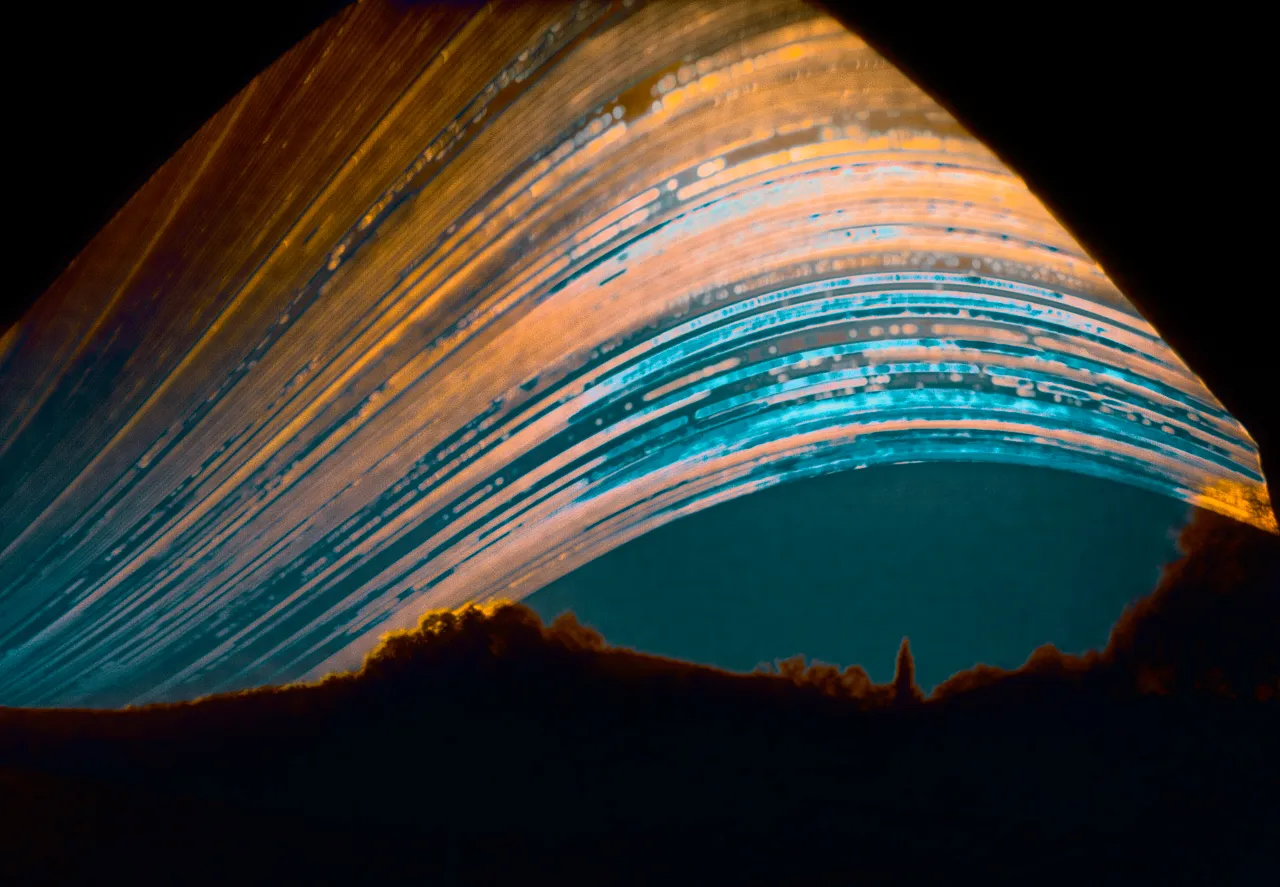
Over the course of six months, between the winter solstice of 2024 and the summer solstice of 2025, Mann left his handmade cameras exposed to record the sun’s path across the sky. With every passing day, the sun slowly left its imprint on the photographic paper inside each camera. The result is a striking series of photographs that seem to exist somewhere outside of time, offering viewers a glimpse into a practice where light itself becomes the artist.
Mann’s artistic process requires immense patience, but it is precisely this passage of time that gives the images their distinctive quality. Over several years, he installed his self-built pinhole cameras throughout the Miraval estate, capturing the landscape from different vantage points.
Rather than freezing a single instant, each photograph compresses months into one frame, where luminous arcs of sunlight sweep across skies above vineyards, trees, and historic architecture. In the foreword, Brad Pitt writes, “Each time, I am stunned to see in one image a place so rich in history and the luminous trace of our journey around the sun.”
Mann’s artistic journey began in the darkroom, where he developed a passion for photography at an early age. Born in the United States and now based in France’s Loire Valley, he first became best known in the 1980s and ’90s as a fashion and film photographer. Later in his career, his practice shifted toward pinhole photography, embracing one of the medium’s oldest techniques to create images that feel remarkably contemporary.
In an age of instant photography and digital images, Mann’s work unfolds at the opposite pace. Rather than chasing a decisive moment, he allows time itself to become the subject of the photograph, inviting nature to shape the final image.
Reflecting on the project, Mann says, “I dreamed of a hybrid world where ancient objects collide with modern techniques. I dreamed of exposure times interrupted by the flight of a swallow. From one solstice to the next, the paper will preserve an imprint of this Earth, swept by light.”
Pinhole photography dates back centuries and represents one of the earliest forms of image-making. Yet Mann uses this historic technique to produce photographs that feel almost cosmic, transforming an ancient process into a meditation on time and our relationship with the natural world.
As Faujour writes in his accompanying essay, “By erasing human agitation and etching a supra-human time, imperceptible to the eye due to its long duration, the solargraphs evoke a metaphor of meditation as the dissolution of time (the haunting past, the anxious future) and as an experience of openness to something beyond us all.”
By stretching a single exposure across half a year, Solargraphs encourages viewers to slow down alongside nature itself. Instead of preserving a fleeting instant, Mann’s photographs reveal time as something visible—traced in light, shaped by the changing seasons, and recorded through one of photography’s simplest tools.
Solargraphs is now available to order on Hemeria’s website.
Photographer Robert Charles Mann uses handmade pinhole cameras to record six months of sunlight, creating mesmerizing images that reveal the passage of time.
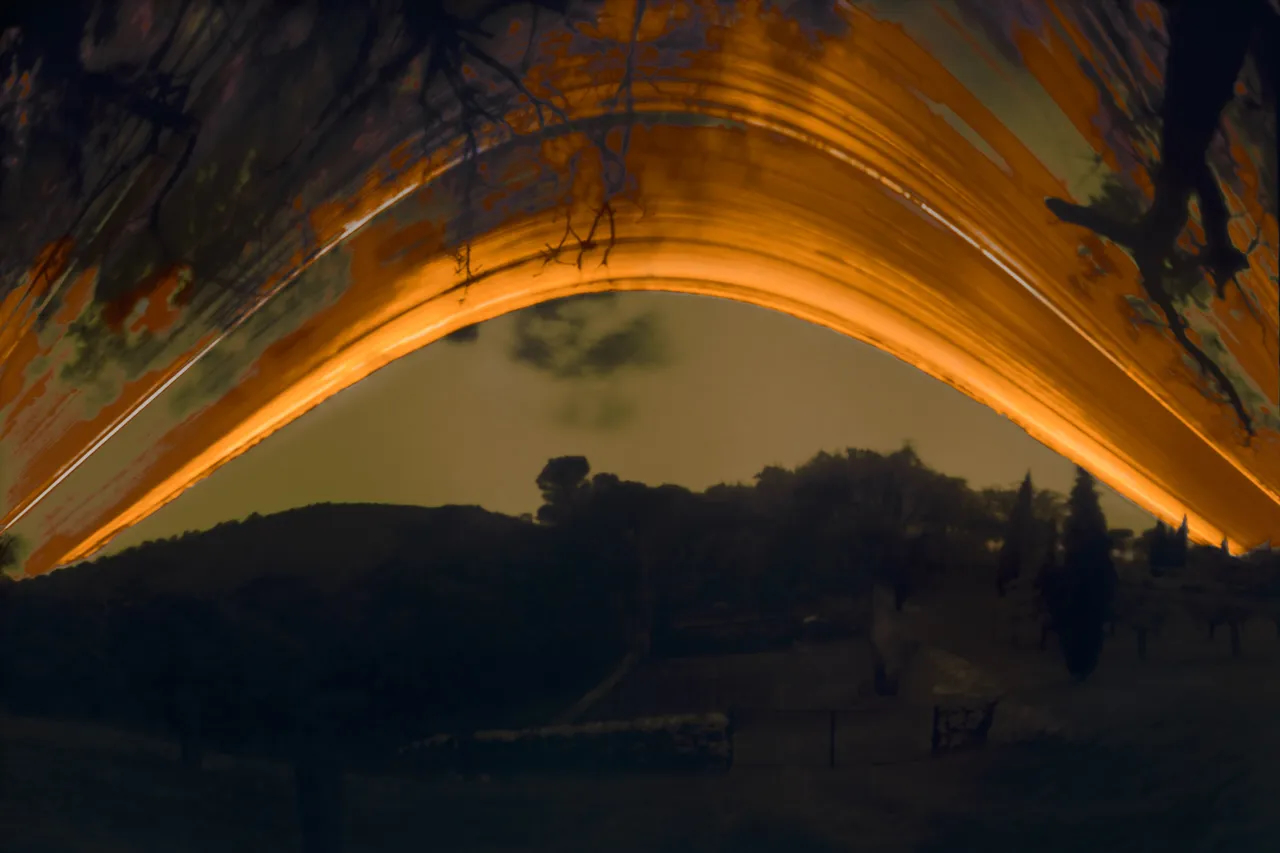
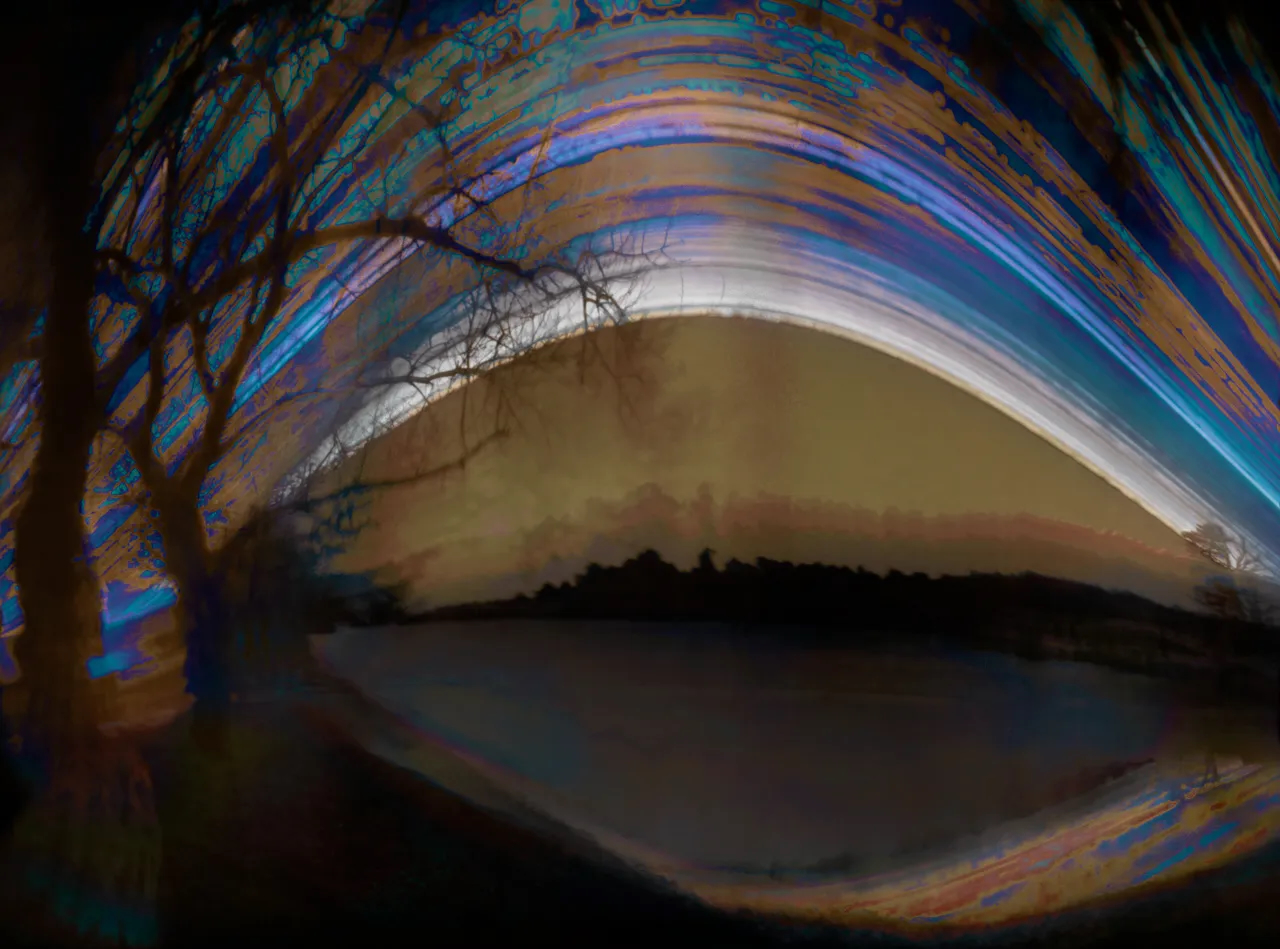
Part of his Solargraphs series, each photograph compresses months into one frame, where luminous arcs of sunlight sweep across skies above vineyards, trees, and historic architecture.
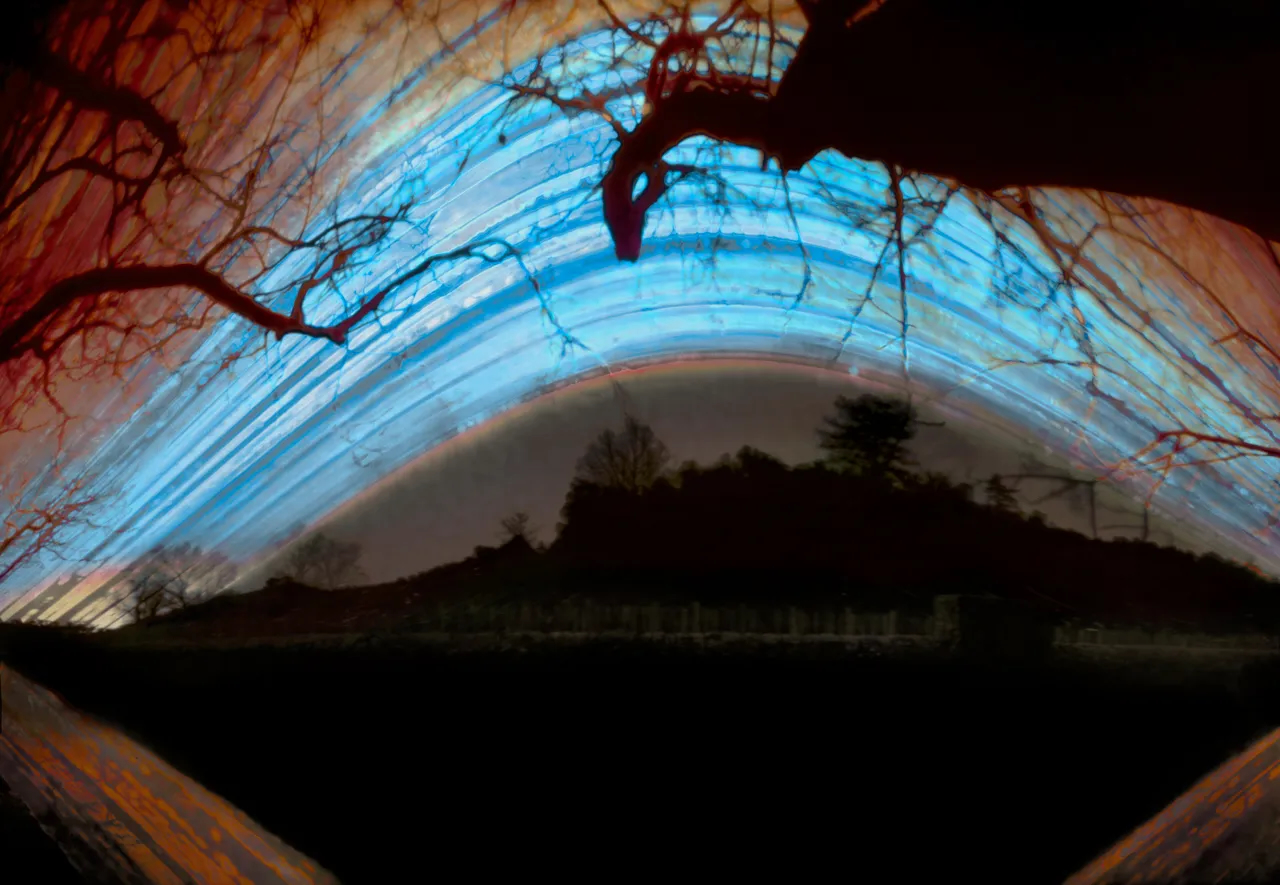
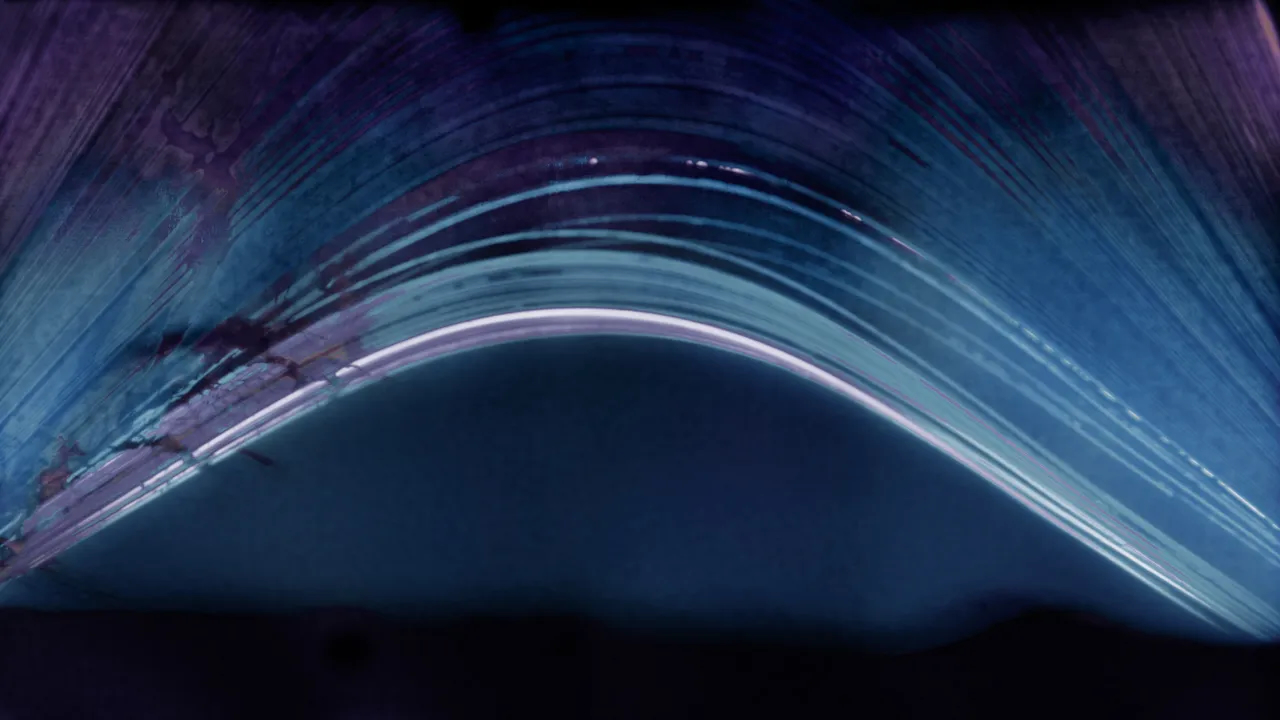
Mann uses this centuries-old technique to produce photos that feel almost cosmic, transforming an ancient process into a meditation on time and our relationship with the natural world.
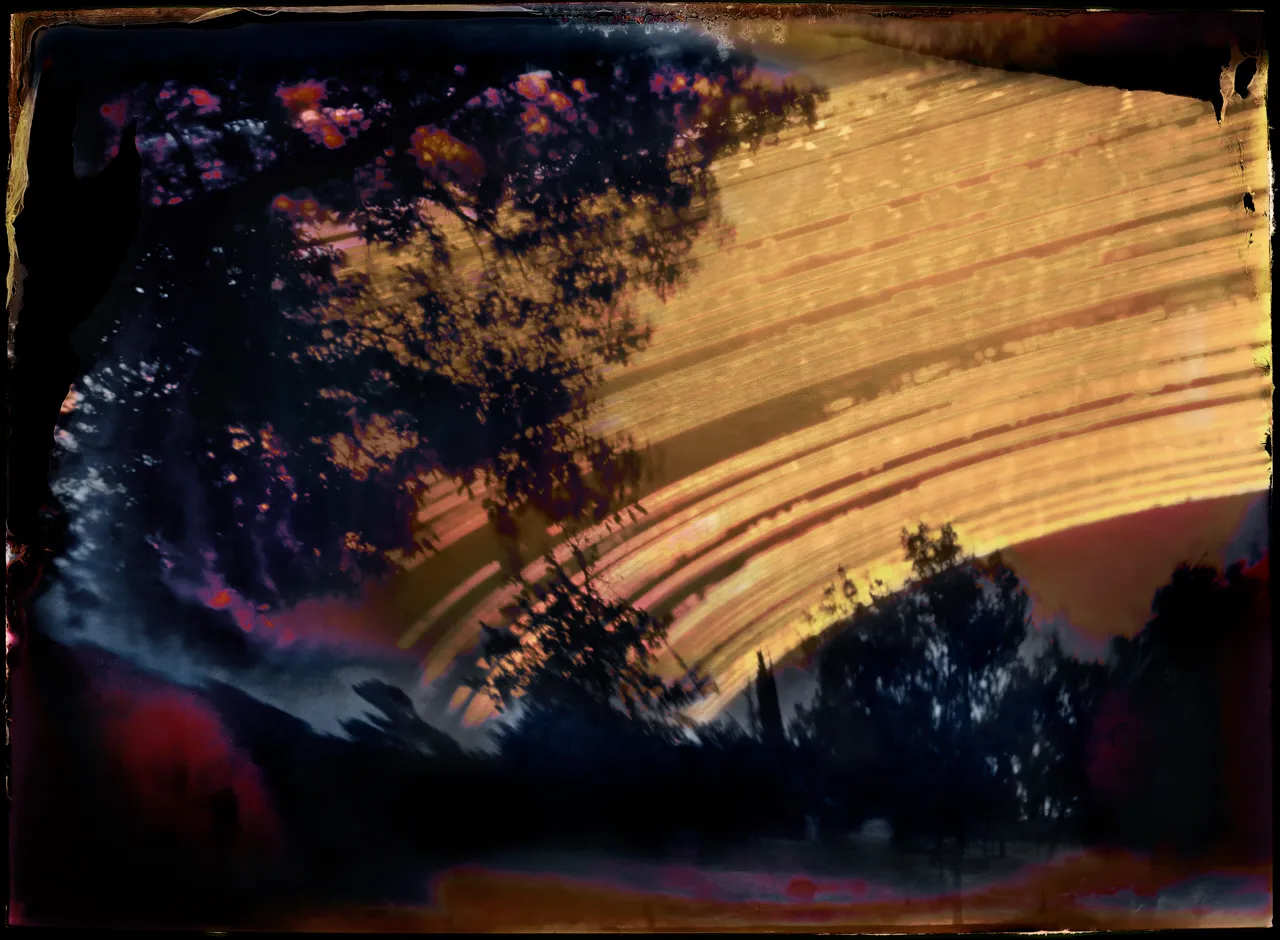
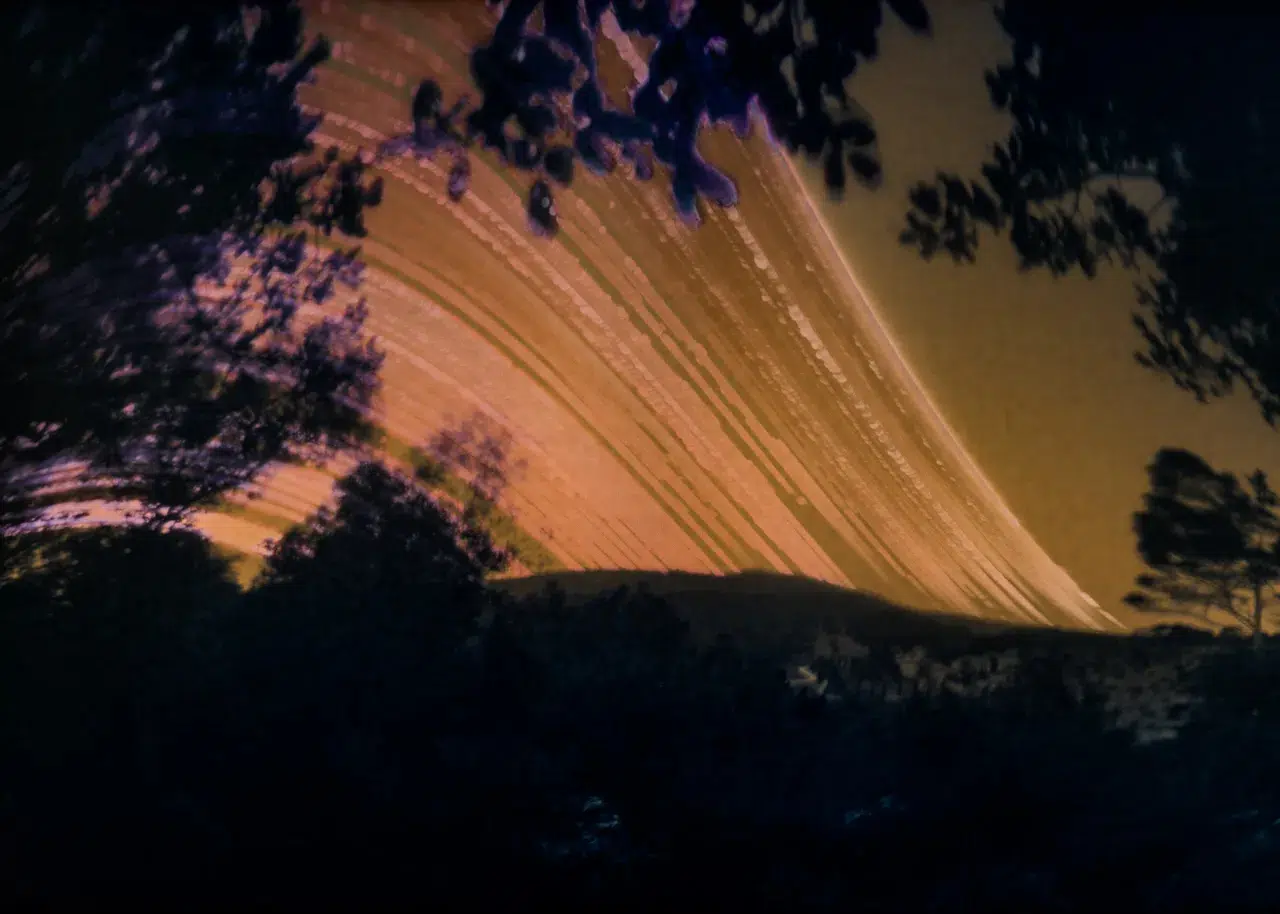
In an age of instant photography and digital images, Mann’s work allows time itself to become the subject of the photograph, inviting nature to shape the final image.
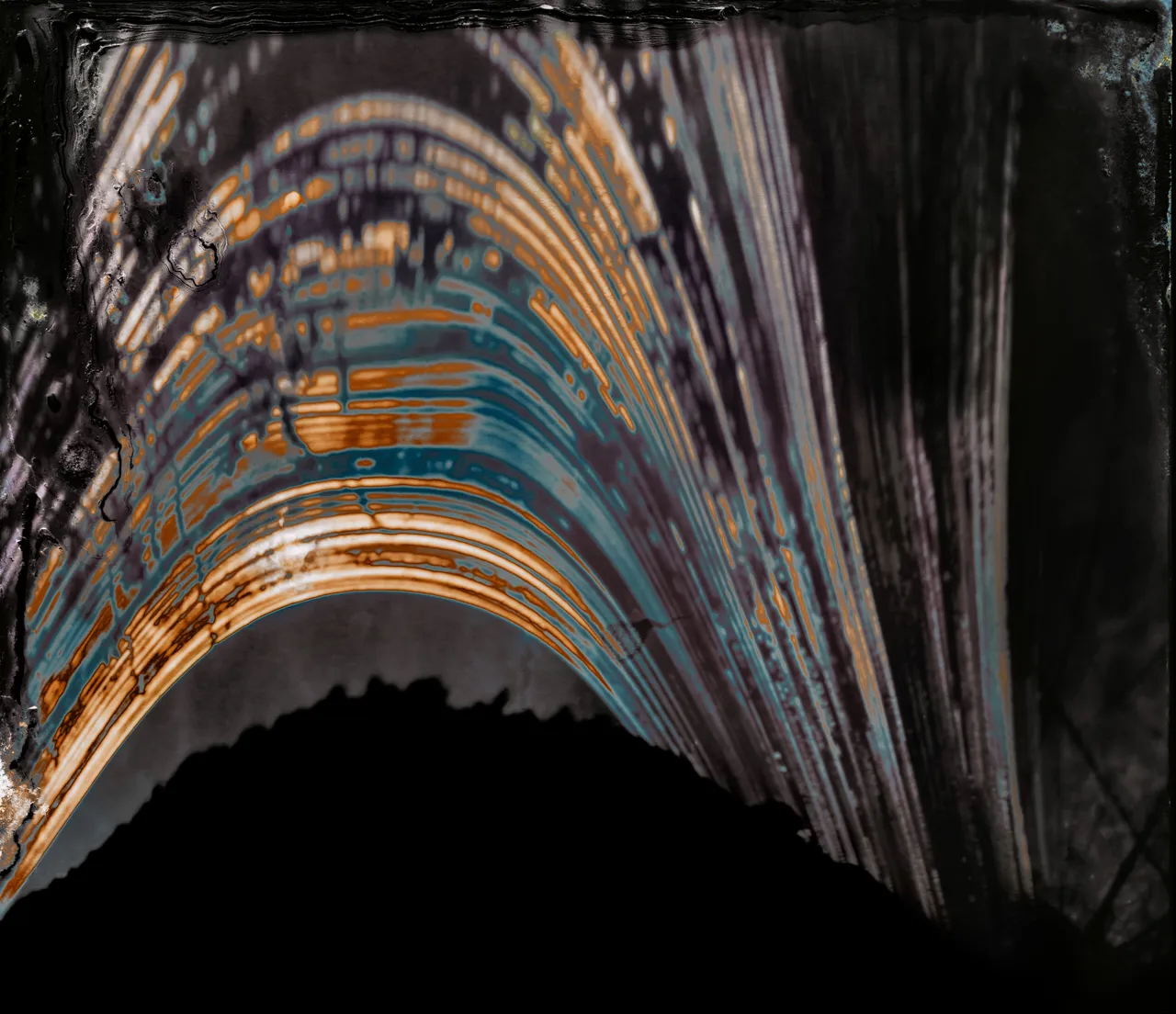
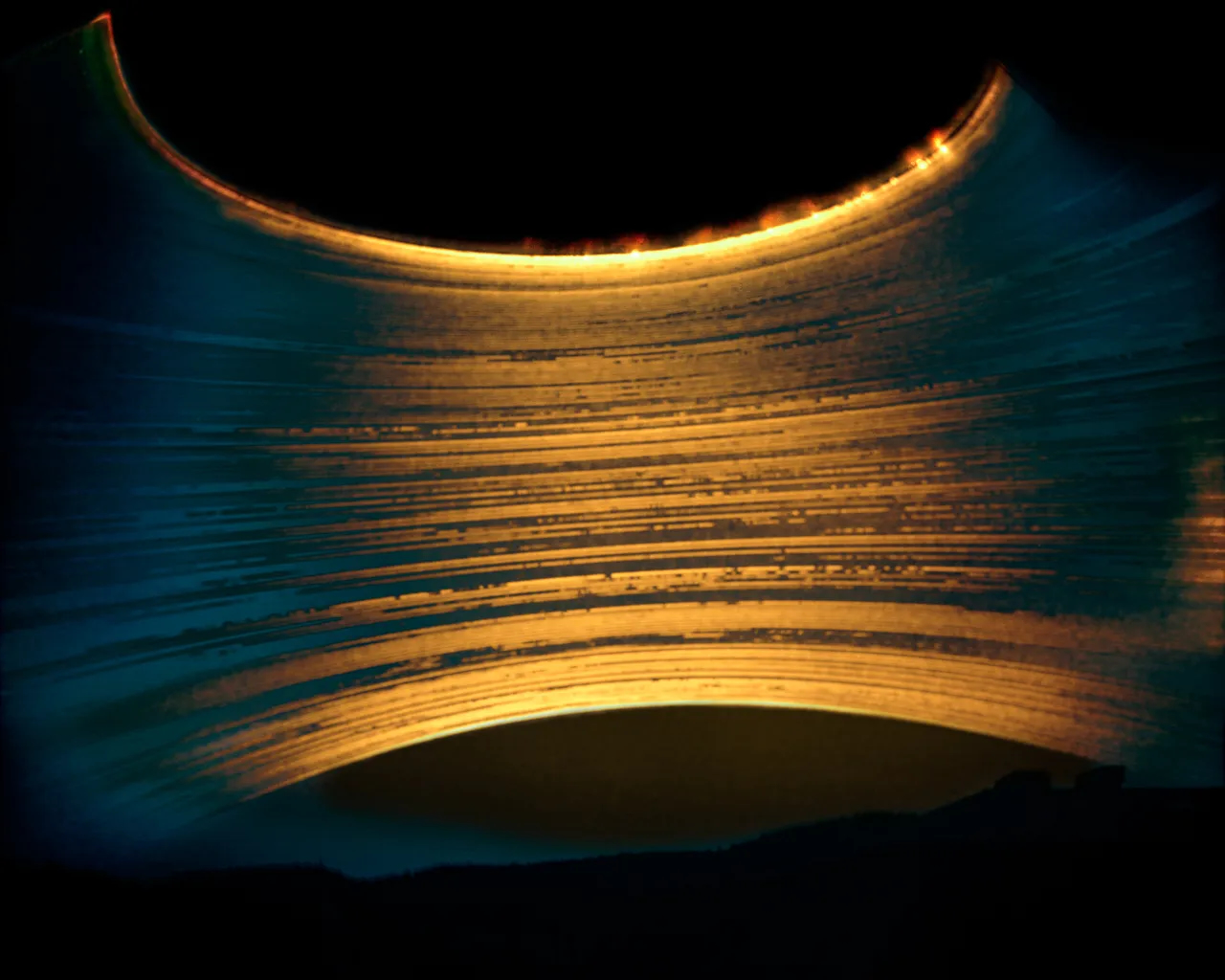
“I dreamed of a hybrid world where ancient objects collide with modern techniques. I dreamed of exposure times interrupted by the flight of a swallow. From one solstice to the next, the paper will preserve an imprint of this Earth, swept by light.”
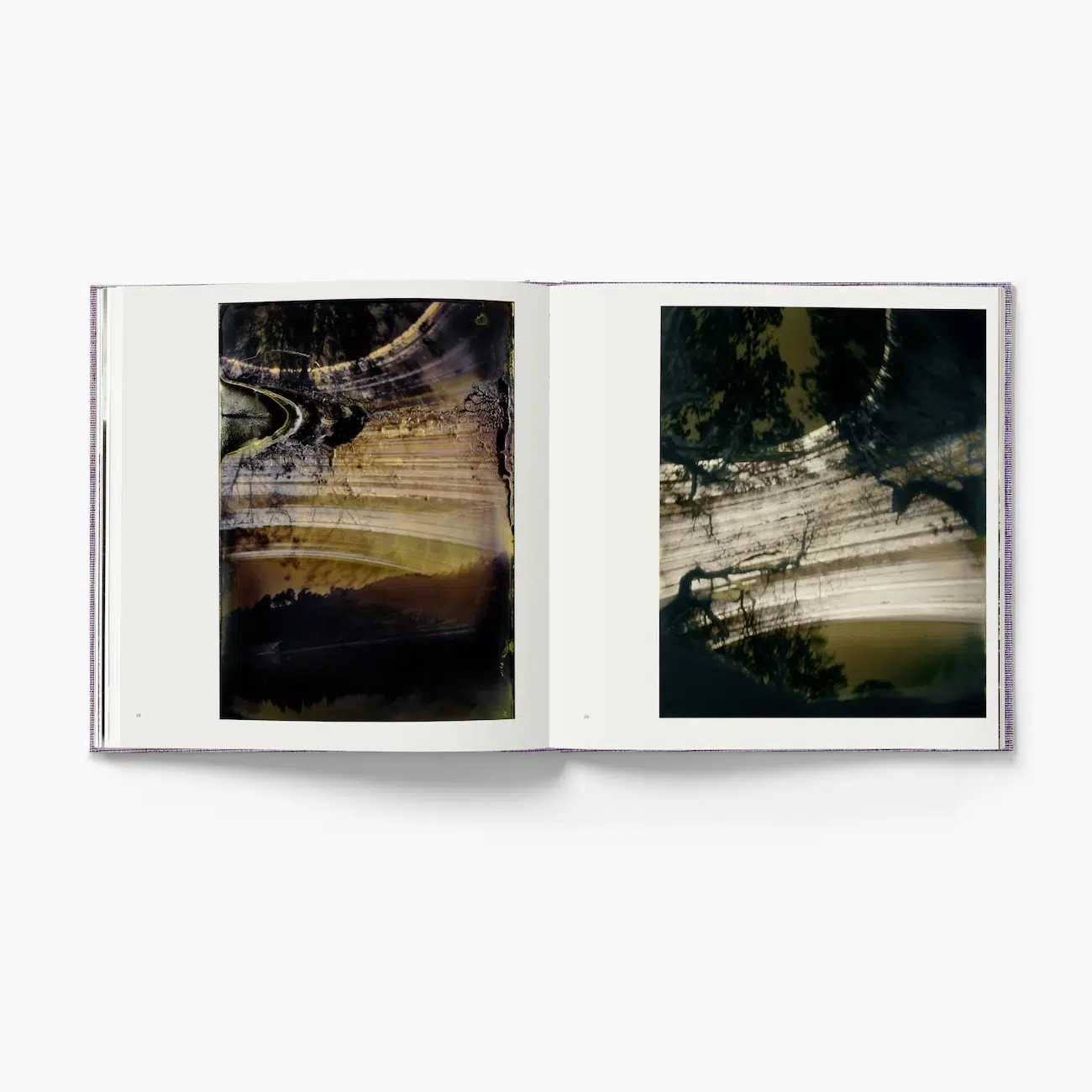
By stretching a single exposure across half a year, Solargraphs encourages viewers to slow down alongside nature itself.
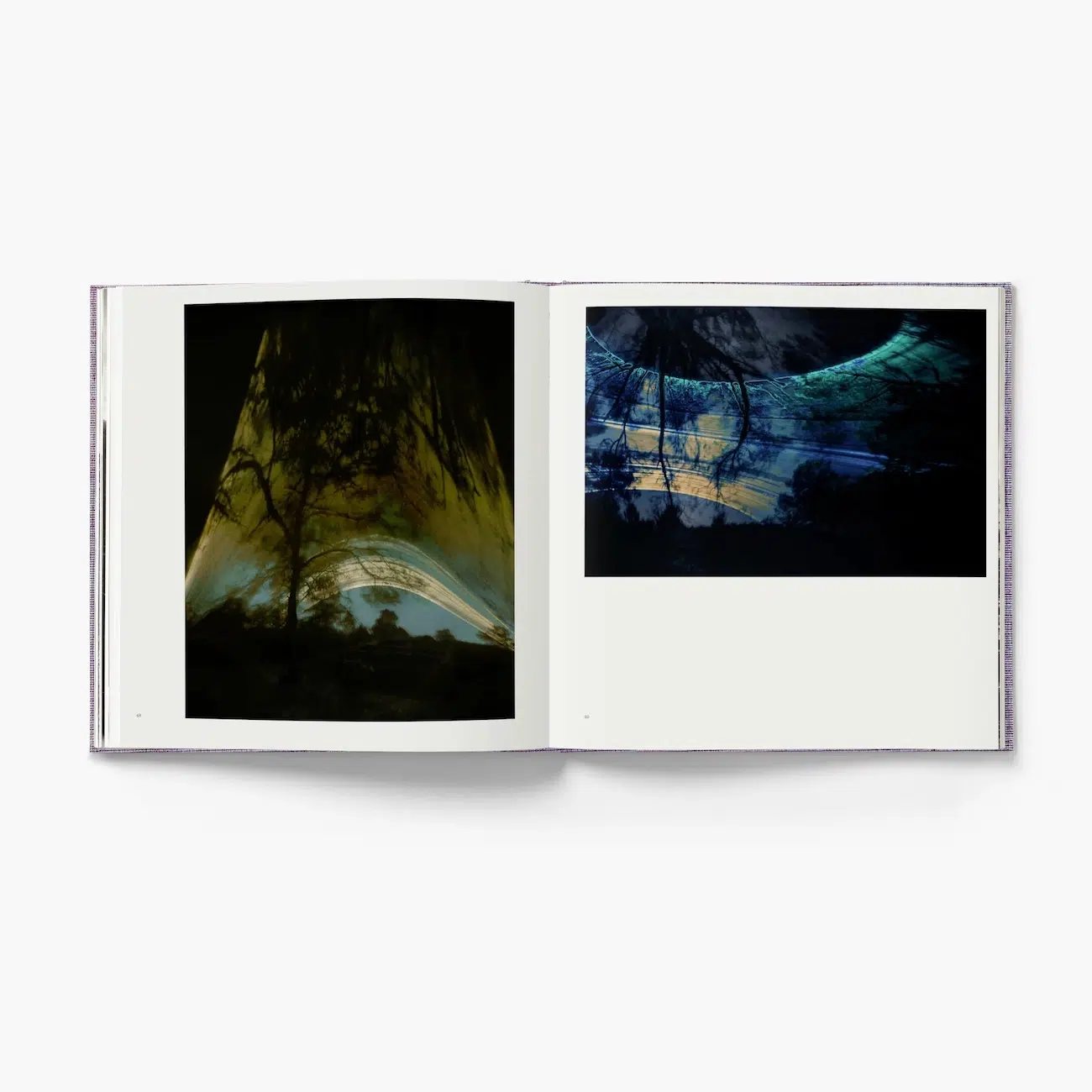
Solargraphs, Mann’s monograph, is now available to order on Hemeria’s website.
Robert Charles Mann: Website | Instagram | Facebook
My Modern Met granted permission to feature photos by Hemeria.
This article has been edited and updated. An earlier version had some photos from Mann’s other series.
Related Articles:
Haunting and Hopeful Images Win the 2026 Environmental Photography Award
Photography and Fine Art Combine To Capture the Fleeting Light and Solitude of West Texas
Swirling Light Cone Photography Visualizes Einstein’s Theory of Relativity in the Desert