


Recent Articles

Updated Today
September 27, 2026

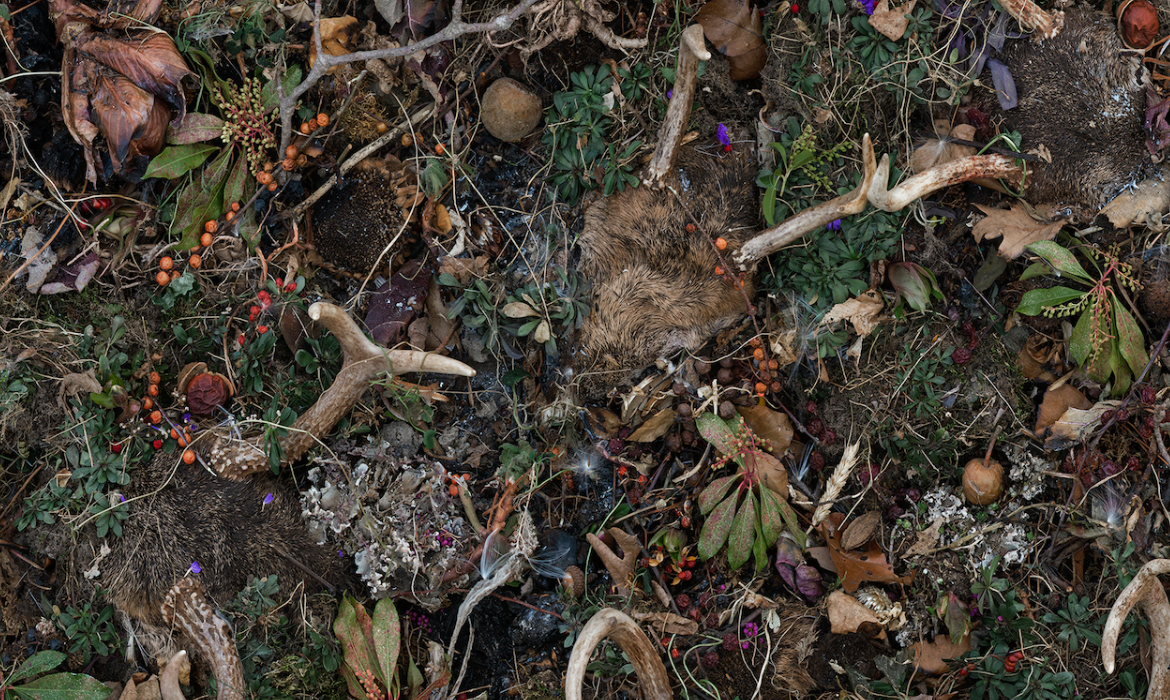
Large-Scale Photographs Weave Beauty, Decay, and Mortality Together in an “Ecological Tapestry”

At the Center for Photography Woodstock (CPW) in Kingston, New York, Tanya Marcuse brings together eight large-scale photographs from Woven: An Ecological Tapestry. The exhibition traces more than a decade of Marcuse’s fascination with growth, decay, and mortality. Alongside Woven, CPW will debut an 11-minute film, titled Deer, made with collaborator Ben Stechshulte, offering a new, time-based dimension to Marcuse’s work. Marcuse’s photographs initially overwhelm through their scale.

Read Article


September 25, 2026

Love Ice Cream? This Harvard Study Has Some Surprisingly Good News

If you love ice cream, you may have been pleased to see recent headlines suggesting that indulging in your favorite flavor could actually have some surprising health benefits. A long-running Harvard study tracking roughly 190,000 people over several decades found that regular consumption of ice cream and other forms of dairy correlates to lower rates of type two diabetes.

Read Article


September 25, 2026

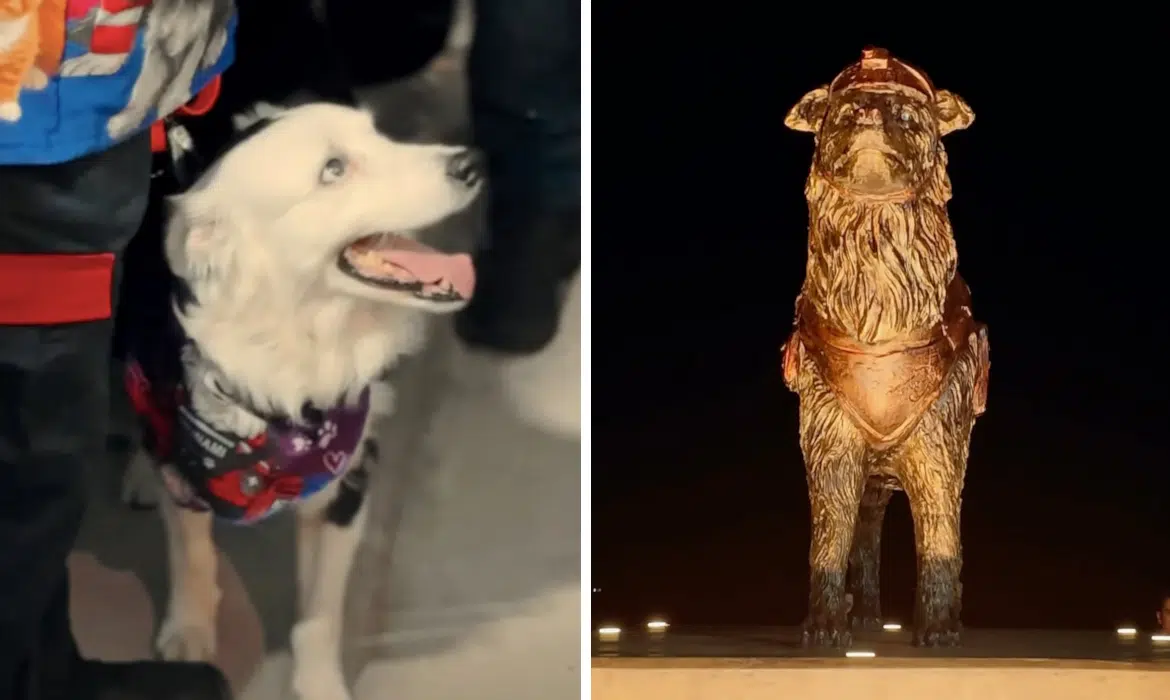
Tsunami the Heroic Dog Is Honored With a Statue After Helping in the Venezuelan Earthquake Rescue Efforts

Earlier this year, a dog named Tsunami emerged as a beacon of hope. After two devastating earthquakes in Venezuela, the brave border collie joined the search and rescue efforts alongside his human Jorge Beens, founder of the local Disaster Response K-9 Team Training Center. After helping recover 25 survivors from the wreckage, Tsunami became a national hero, with people insisting he deserved a monument.


Read Article


September 24, 2026

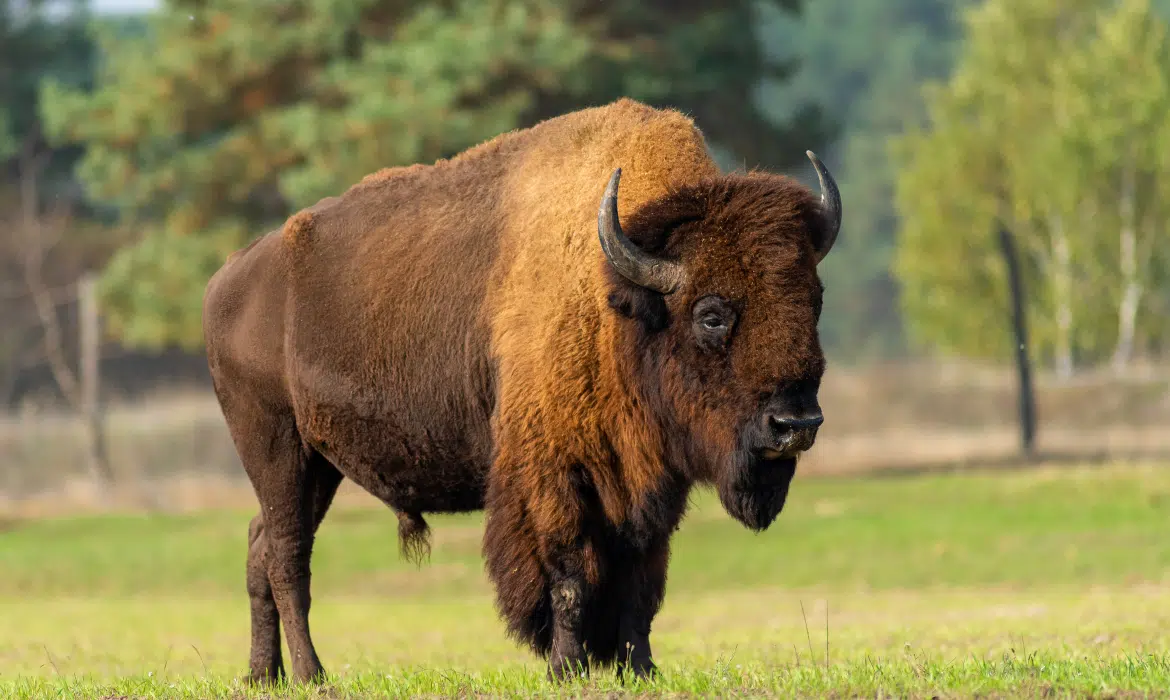
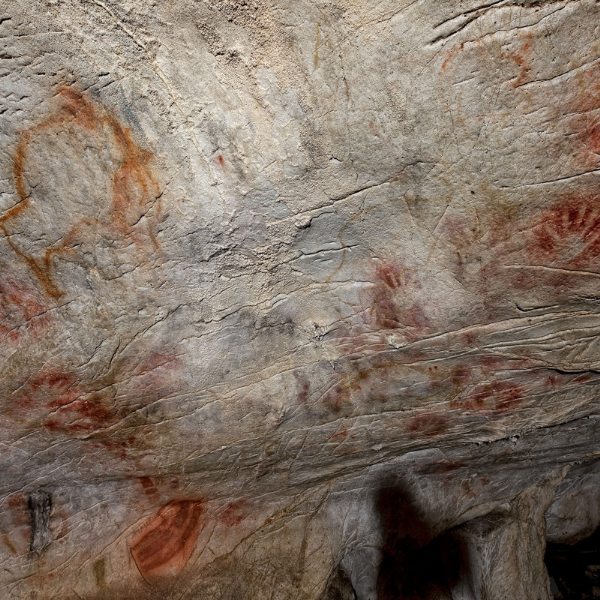
Mexico Successfully Reintroduces the American Bison Following a 100-Year Absence

Bisons are most often associated with the American West; particularly, with the sprawling landscapes of Yellowstone National Park. But these majestic creatures were once also a common sight in northern Mexico. This was before they were hunted and their habitats were destroyed between the 19th and early 20th centuries, leading to disappearance from the wild. Luckily, a comprehensive effort has brought these animals back to the region after over a 100-year absence.

Read Article