

Recent Articles

Updated Today
July 14, 2026

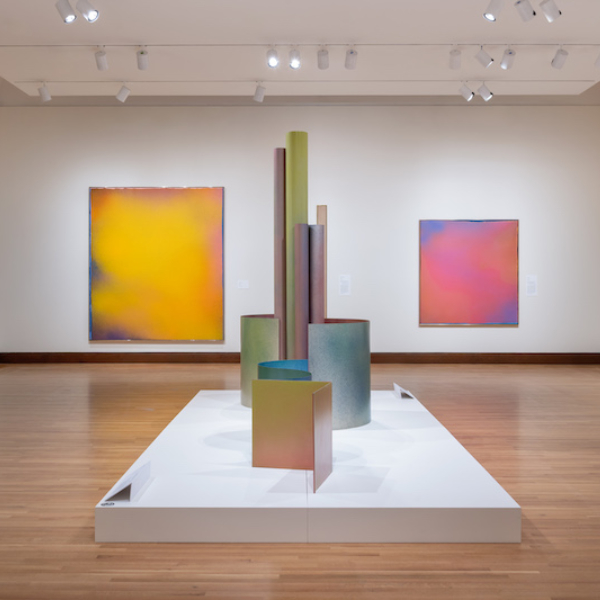
New Frida Kahlo Art Prize Will Award $50,000 To Emerging Mexican Artists

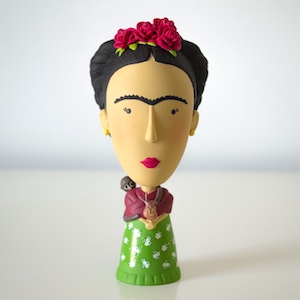
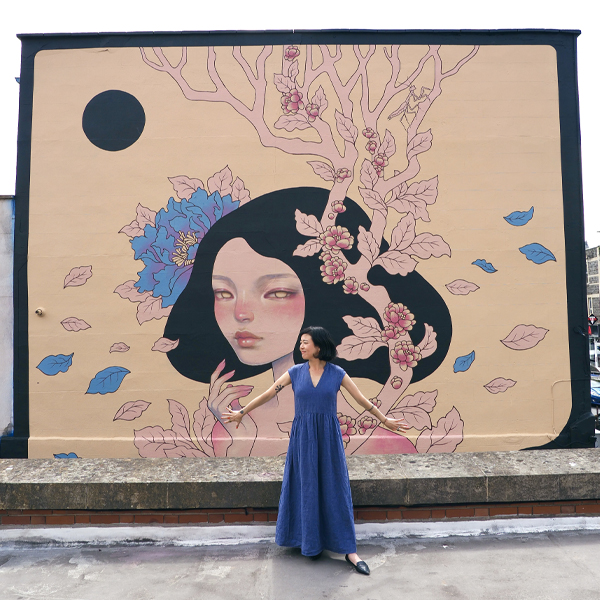
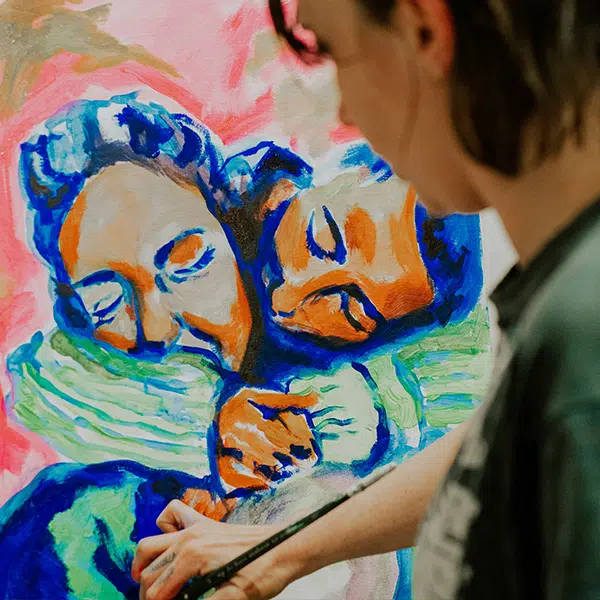
It has been 70 years since Frida Kahlo’s passing, and her legacy continues to inspire new generations of artists. Fundación Kahlo for Mexican Art and Culture has announced The Kahlo Art Prize, a new biennial award for emerging Mexican artists, giving recipients the opportunity to receive a $50,000 stipend and exhibit their work at the recently opened Museo Casa Kahlo in Mexico City.
Read Article


July 14, 2026

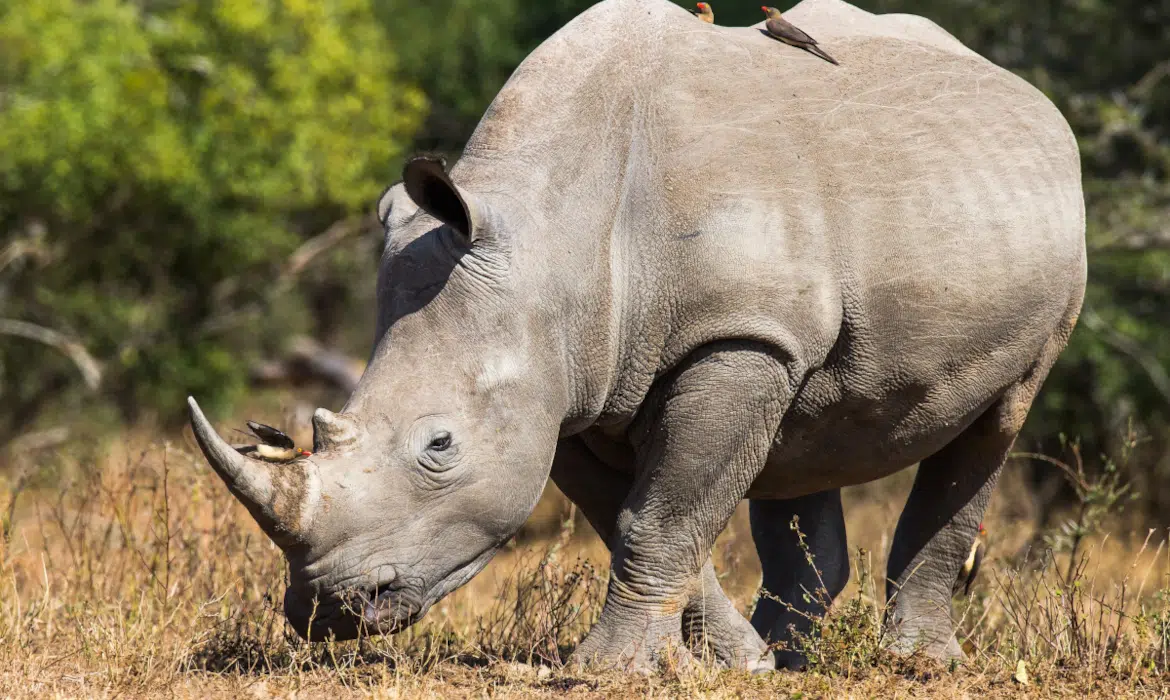
Mozambique Rebuilds a Viable Breeding Population of White Rhinos After Decades of Local Extinction

Between 1977 to 1992, Mozambique experienced a civil war, which became one of the deadliest conflicts of the 20th century. On top of the human toll, flora and fauna were also decimated—something particularly felt in Zinave National Park, home to lions, leopards, elephants, buffalos, and rhinoceros. After decades of black and white rhinos being extinct in the area, a devoted team has rebuilt a viable breeding population of these mammals.


Read Article


July 13, 2026

New Exhibition Explores Palestinian Stories of Displacement Across Generations

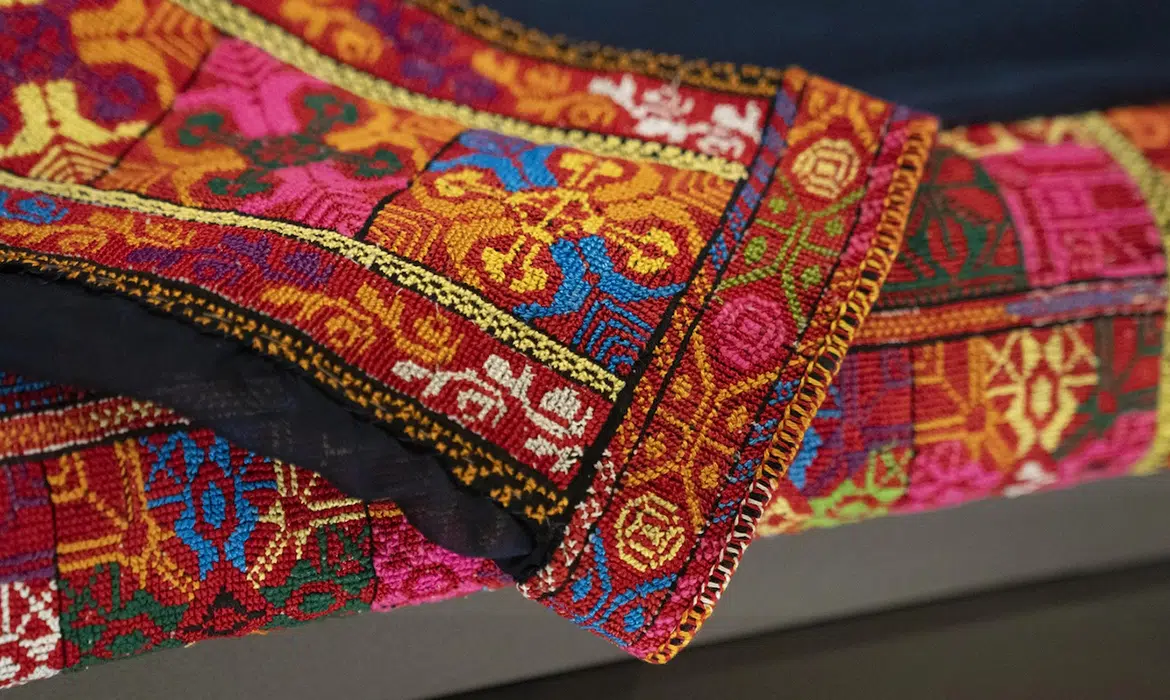
Though there has been little said about it over the years, Palestinian displacement started decades ago. During the 1948 Nakba, around 750,000 Palestinians were forcibly displaced from their homes as Zionist groups seized towns and villages, forcing families to rebuild their lives elsewhere. Some eventually settled in Canada, and today their stories are being shared at the Canadian Museum for Human Rights (CMHR).

Read Article


July 13, 2026

Largest “Photograph” Ever Made Fills Nearly 5 Acres of a Wheat Field

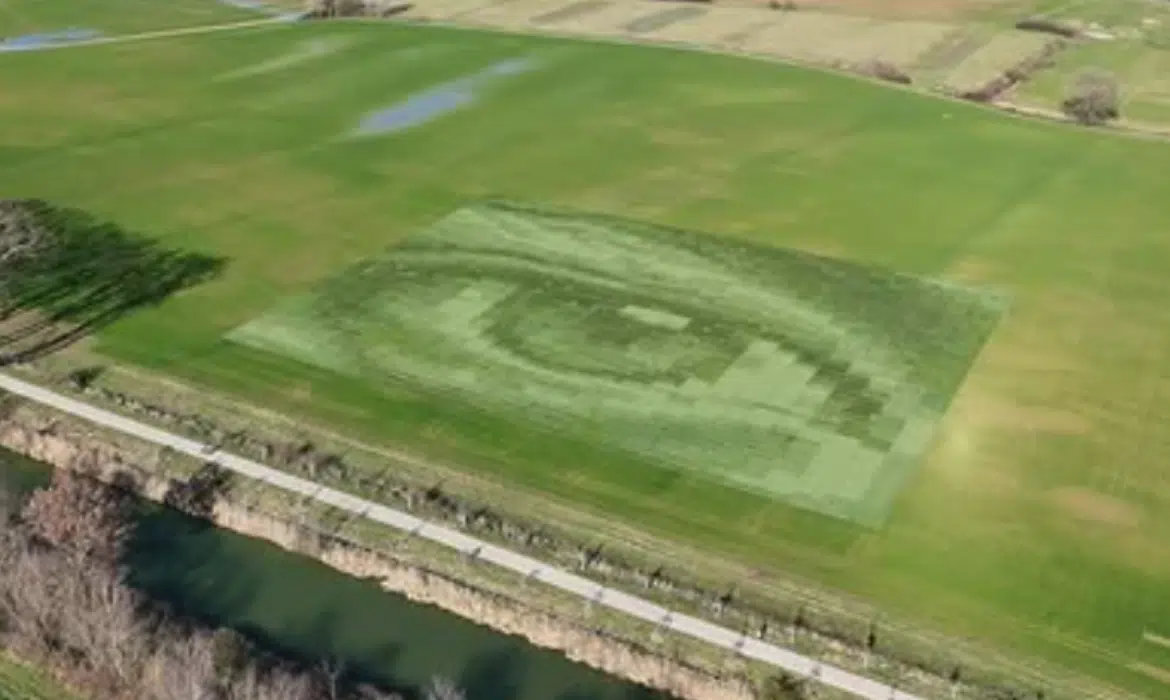
In southern France, artist Almudena Romero created what many describe as the largest photographic artwork ever made by transforming a two-hectare (nearly 5-acre) wheat field into a living image of a human eye. The work belongs to her ongoing project Farming Photographs, developed with the French National Institute for Agricultural Research (INRAE), and it reframes photography as a biological system rather than a mechanical one. Romero avoids cameras, lenses, and ink.

Read Article