You’ve done it—you’ve successfully drawn the eyes, nose, and mouth. But something still isn’t right with your portrait. It doesn’t look like your subject. In this case, the problem isn’t with your facial features. It’s what’s underneath the skin. When trying to perfect portraiture, we often focus on drawing the defining features, but it’s vital to understand skeletal structure and how it affects the rest of the face.
Bone structure determines where the facial features sit. Everyone’s structure is different—some people have higher cheekbones or a wider jaw. These distinctions are small, but the bone differences are why no two faces are exactly the same.
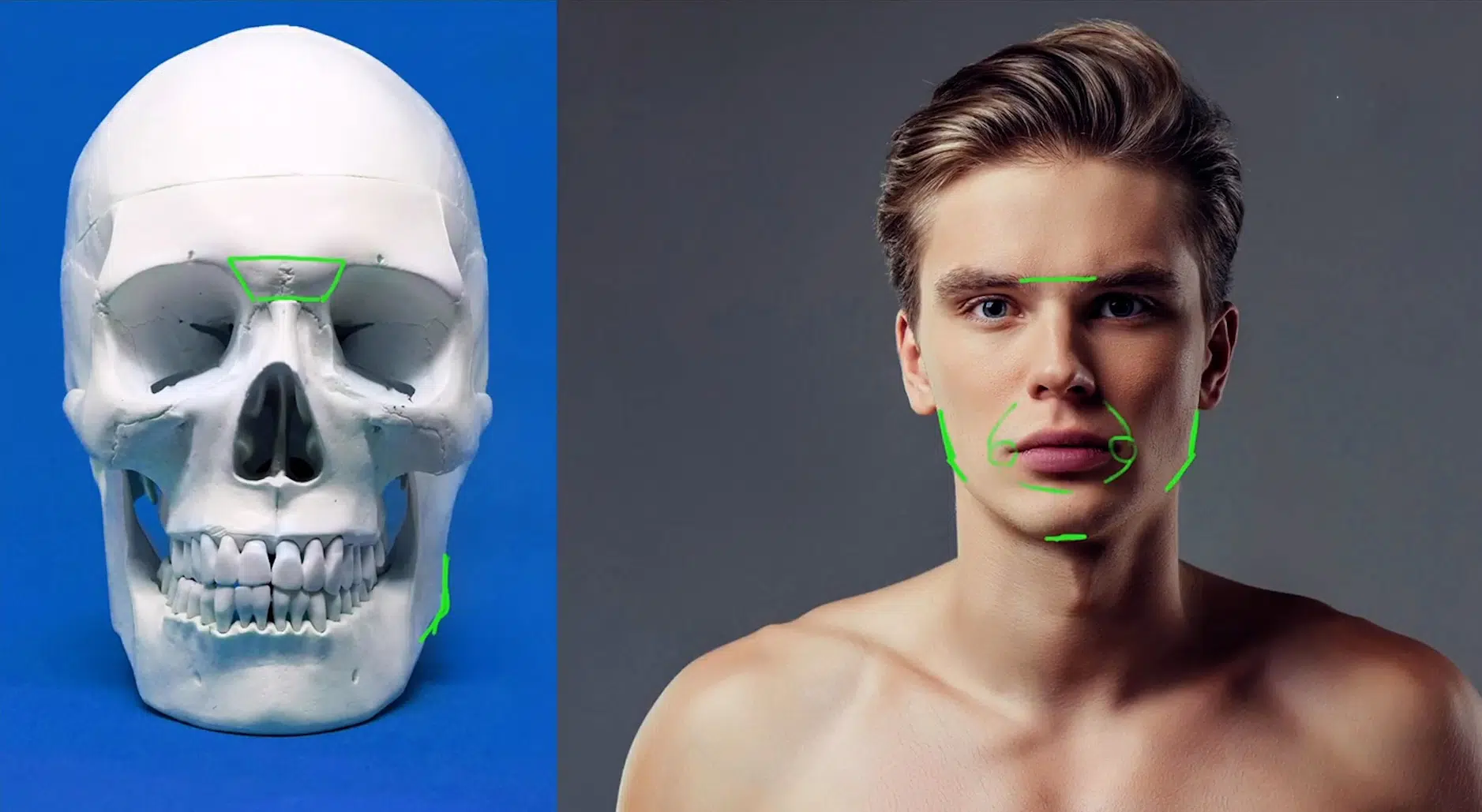
When drawing a portrait, begin by considering the skull. This starting point leads you to facial muscles and landmarks; by landmarks, we mean things like how the eyes line up with the edge of the nose. Landmarks define the facial guidelines you set (and take the guesswork out of drawing), which then leads into what we see on the skin—the contours of the face and finally, a finished portrait.
Portraiture is one of the most challenging subjects to draw, but guidance helps as you learn. Illustrator Melissa de Nobrega teaches anatomy in her online class Portrait Drawing for Beginners: Learn How to Draw Anyone You’d Like. In the nearly two-hour course, she covers skull structure, facial muscles, landmarks, and even an anatomy cheat sheet.
“The anatomy part was very instructive,” one student said in a review of the class. “I liked how simple it remained, giving a good understanding of the human’s face features. Another excellent part was being able to follow along with the teacher. I was trying on my own at first, and then comparing with what the teacher was doing. It helped me pinpoint what I was doing wrong.”
Ready to learn portraiture from the inside out? Enroll in Portrait Drawing for Beginners: Learn How to Draw Anyone You’d Like today, only on My Modern Met Academy.
When trying to perfect portraiture, we often focus on drawing the defining features, but it’s vital to understand skeletal structure and how it affects the rest of the face.
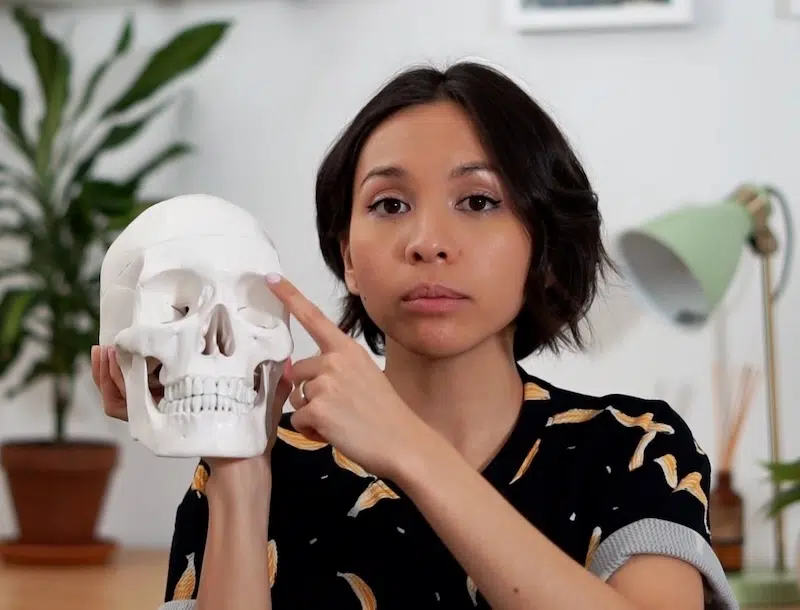
Illustrator Melissa de Nobrega teaches anatomy in her online class Portrait Drawing for Beginners: Learn How to Draw Anyone You’d Like. By understanding the skull, you’ll better understand facial muscles…
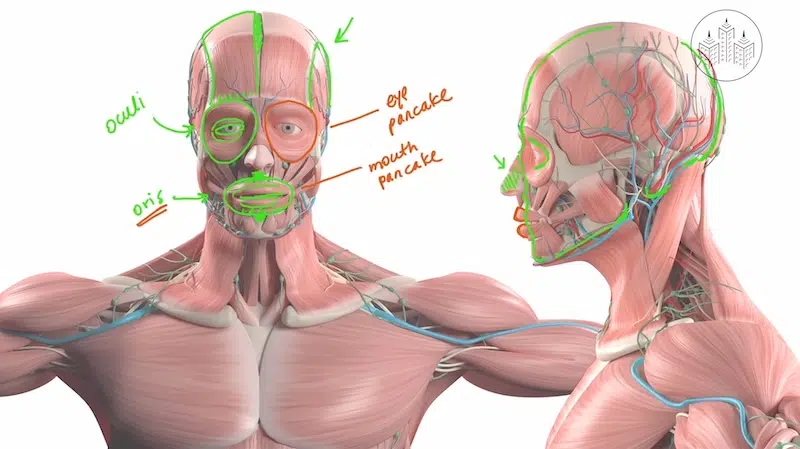
…and facial landmarks.
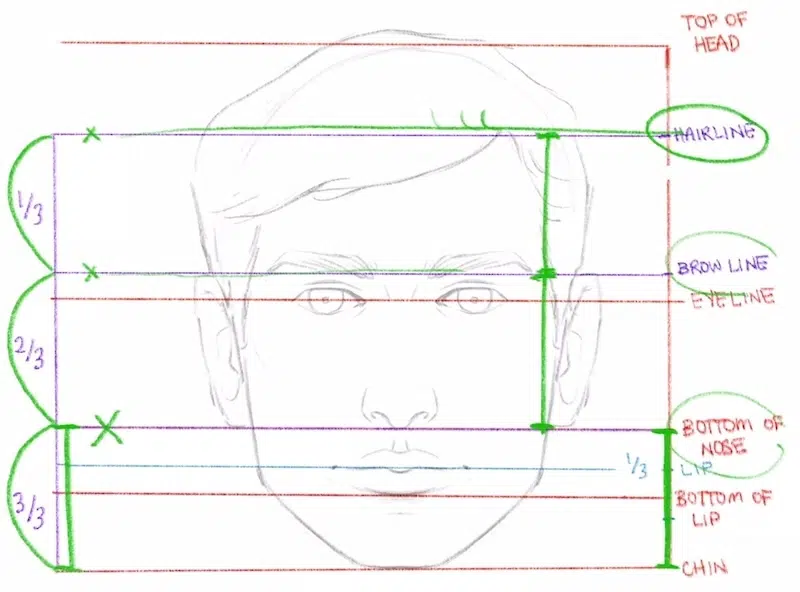
Landmarks define the facial guidelines you set (and take the guesswork out of drawing), which then leads into what we see on the skin.
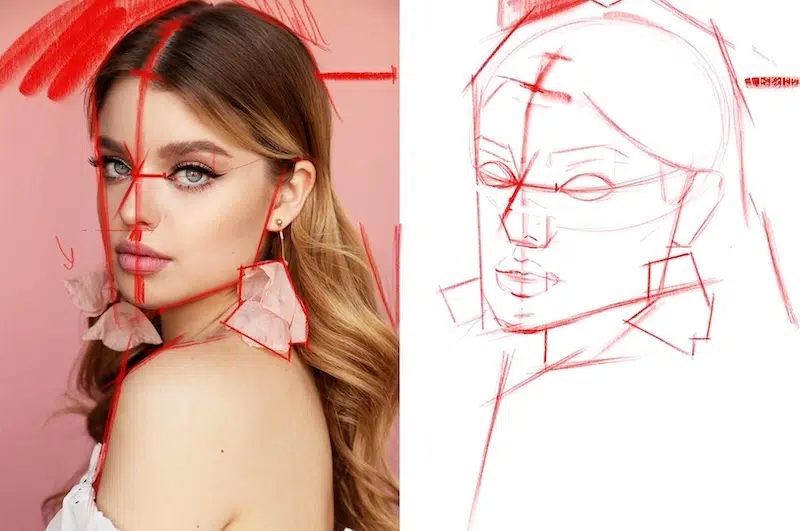
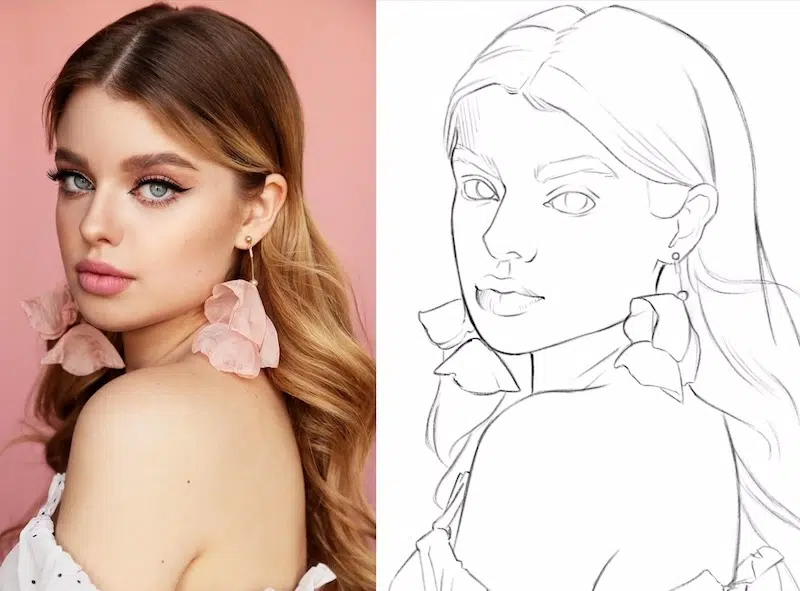
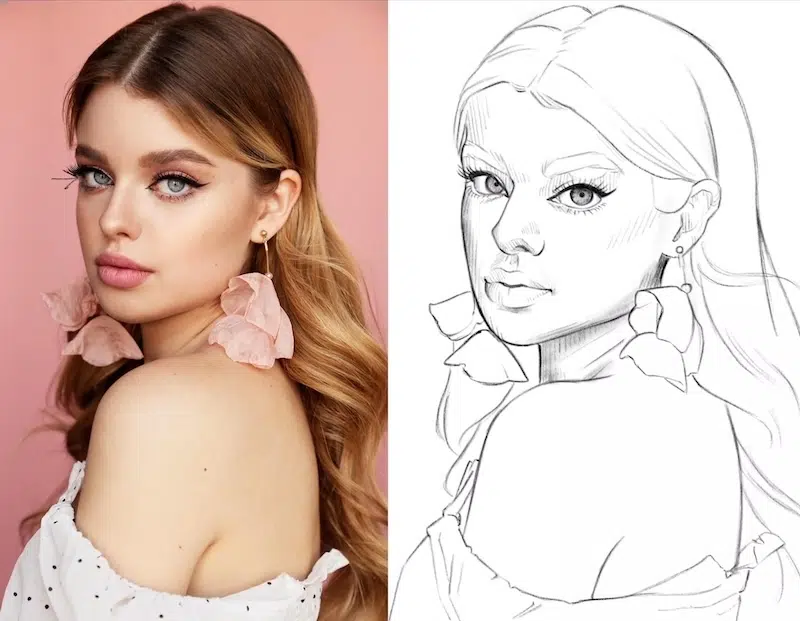
This is the contours of the face, and finally, a finished portrait.
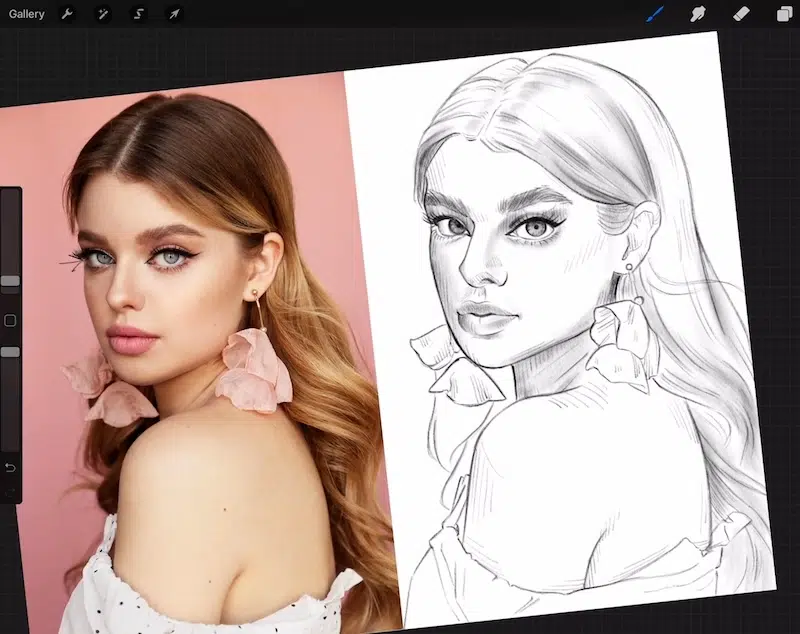
My Modern Met Academy: Website | Facebook | Instagram
Related Articles:
Mixed Media or Realistic Portrait Drawing? Here’s How To Find What’s Right for You
Illustrator Has Mastered Portrait Drawing and Now Shares Her Knowledge With Others
5 Drawing Fundamentals That Will Help You Be a Stellar Sketcher