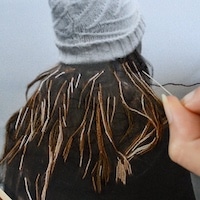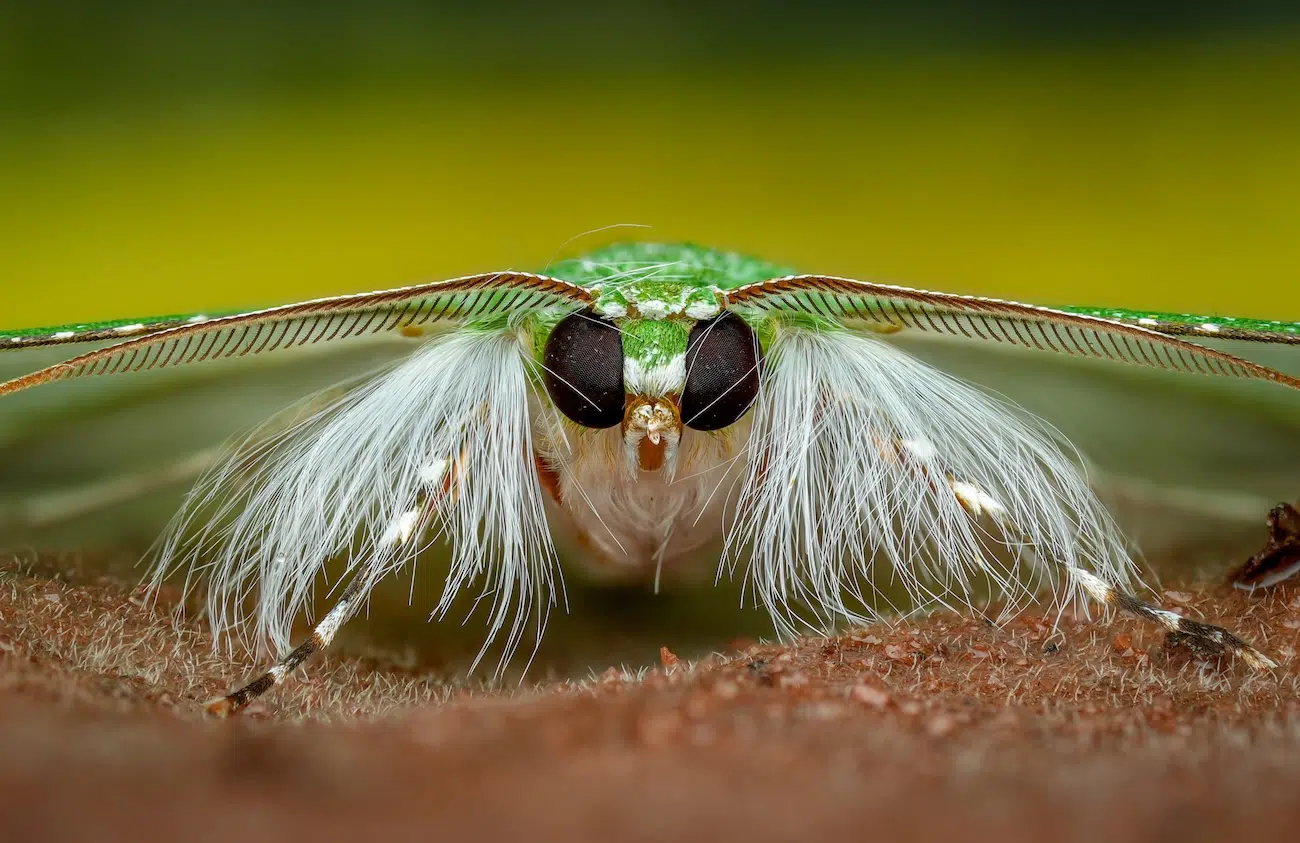
“Bat defence,” © Daniel Meier / CUPOTY
“This moth is in an evolutionary arms race against bats – sonar versus expert stealth. Bats are fierce nigh-time aerial predators with impressive sonar for targeting flying moths. This moth, (Eucyclodes fascinans) has evolved advanced stealth to try and evade detection. Those wild tufts coming off the thorax aren’t just for show, they play a crucial role in anti-air defence, helping protect the moth’s most vital parts (the tastiest bits) from bats. The tufts interfere with bat echolocation by breaking up and absorbing sound, making the moth harder to detect.”
There’s a lot of wonder to see in the world if you just look closely. One photo contest celebrates the smaller things in nature you might miss at first glance. Called Close-up Photographer of the Year (CUPOTY), the competition recognizes close-up, macro, and micro photography from creatives worldwide. The eighth (2026) edition of CUPOTY has just announced its shortlist, narrowing the top 100 photos from a record 15,388 entries.
“Close-up photography has a wonderful way of revealing details and perspectives that often go unnoticed,” says competition co-founder Tracy Calder. “This year’s shortlist is a fabulous showcase of imagination, technical expertise, and natural curiosity.” The shortlist spans 11 galleries and covers everything from animals, arachnids, and insects to intimate landscapes, studio art, and underwater scenes.
The selected images showcase amazing details that highlight the unique—and often life-saving—characteristics of varying creatures. In Bat Defense, photographer Daniel Meier captured a portrait of a moth that has evolved to evade detection by bats, a fierce aerial predator. The image highlights the long, wild hairs on either side of the moth’s large eyes, which help keep it safe from bats; the hair tufts break up and absorb sound, making it harder for bats to detect the moth through echolocation.
While Meier looks to insects, Lukas Furlan shows us would-be openings to another world. In Untitled 14, the photographer shot a mind-bending image in which a landscape is reflected in a puddle. Rocks and dust surround the reflection, making it look as if Furlan stumbled upon a gateway. “I was already fascinated by this scene,” he writes, “but rotating the image later revealed an entirely different world, almost like looking through a portal. It’s a reminder of the magic of experimentation and unexpected discoveries in photography.”
There’s much more to see in CUPOTY 8. Scroll down for a selection of the shortlisted images and learn more about them. The overall winner of CUPOTY 8 will be announced in January 2027, but you can still take part in the 2026 competition. It includes an annual themed challenge that photographers of all levels can enter. This year’s theme is “Close to Home,” and entries close on November 30, 2026.
The 2026 Close-up Photographer of the Year (CUPOTY) competition has announced its shortlist.
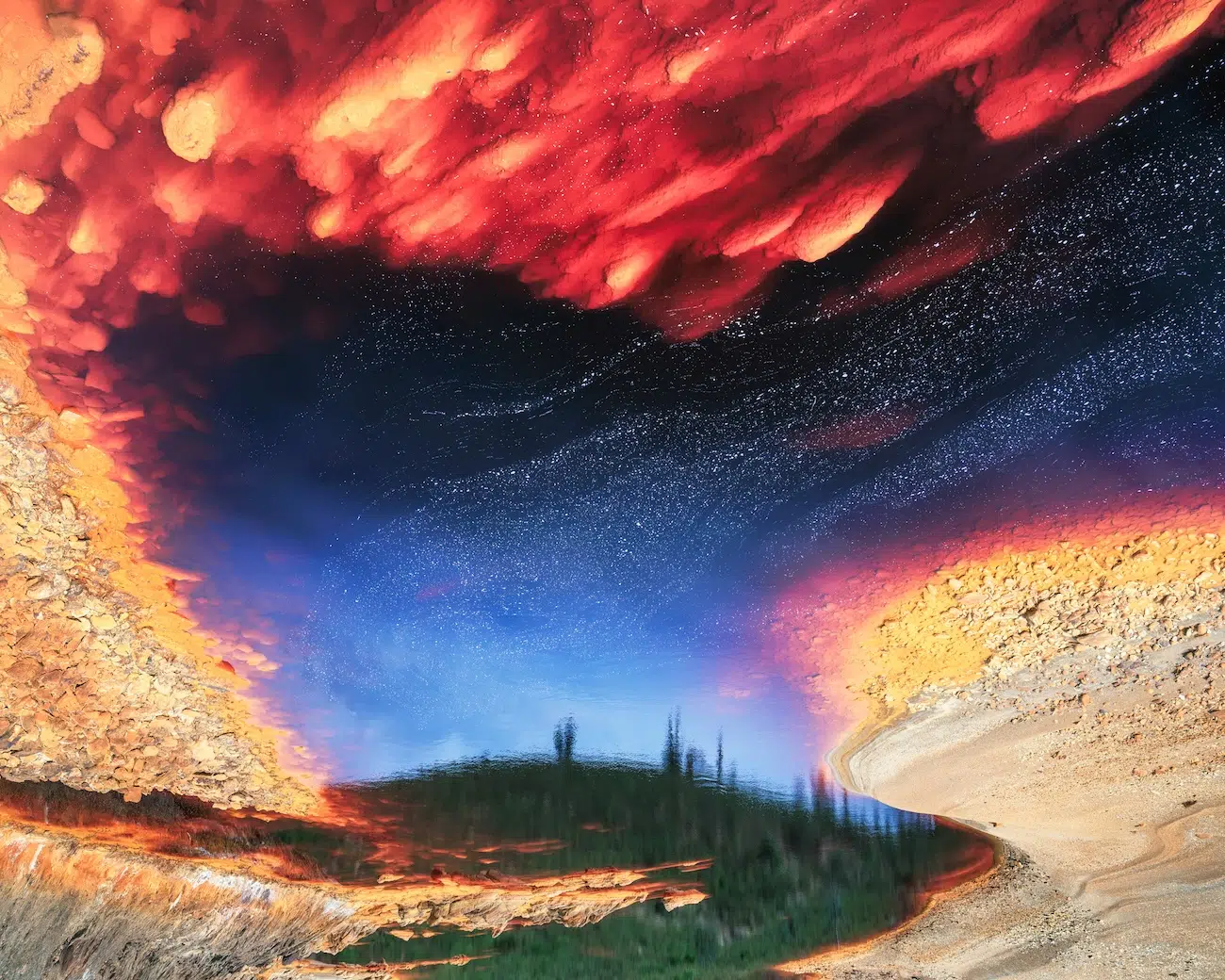
“Untitled 14,” © Lukas Furlan / CUPOTY
“I was already fascinated by this scene, but rotating the image later revealed an entirely different world, almost like looking through a portal. It’s a reminder of the magic of experimentation and unexpected discoveries in photography.”
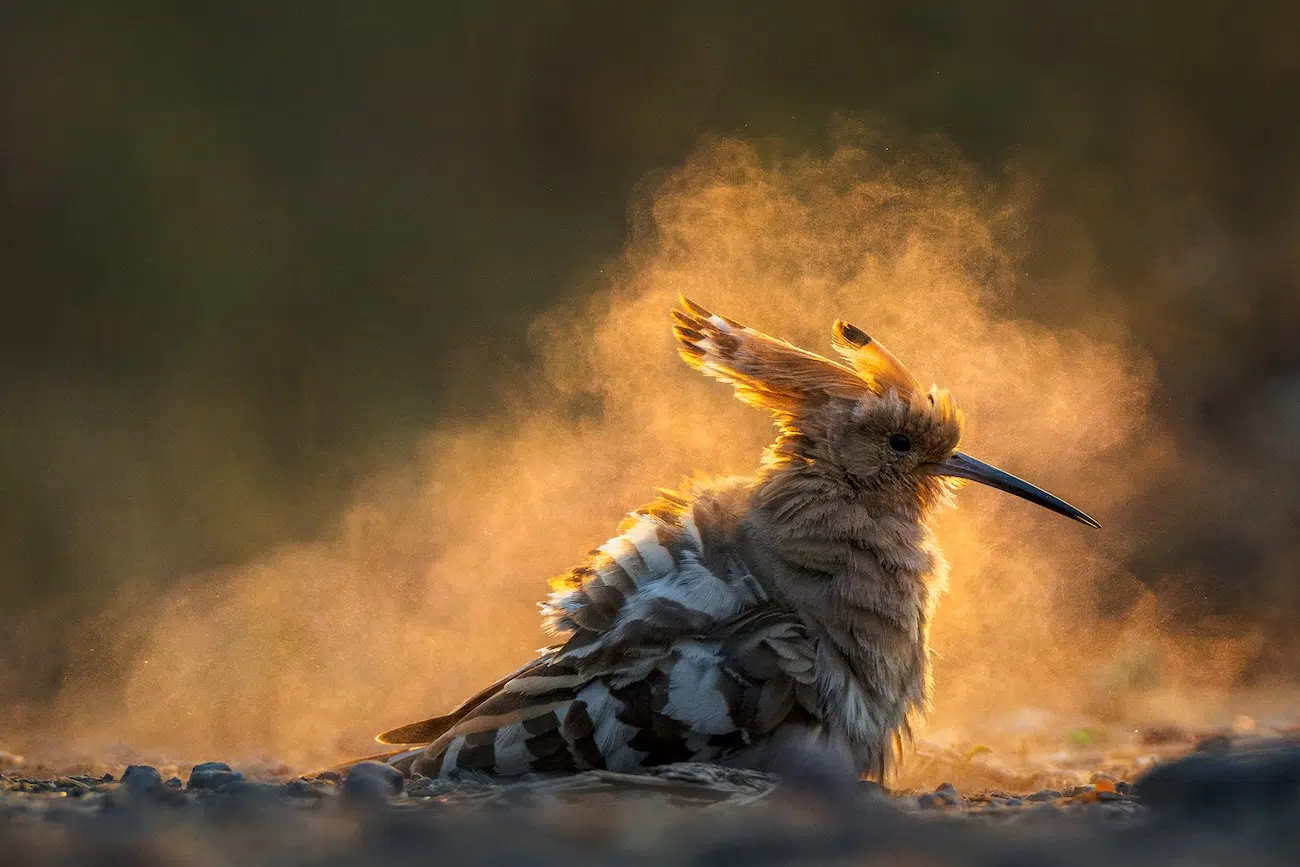
“Golden dust,” © Sarthak Agrawal / CUPOTY
“A Eurasian hoopoe takes a dust bath on a quiet road running through sugarcane fields on the outskirts of Aurangabad, Maharashtra, India. Dust bathing is an essential behaviour in this species. It helps remove excess oil from the feathers, so they don’t stick together, improves flight efficiency, provides insulation, and reduces parasites such as lice and mites. Fast action and swirling dust made focus especially difficult. This evening, everything aligned. By shooting against the low winter sun, the backlight revealed fine dust particles suspended in the air, outlining the bird in a warm golden glow. Out of many attempts across nearly two months, this frame best captures the beauty of the behavior.”
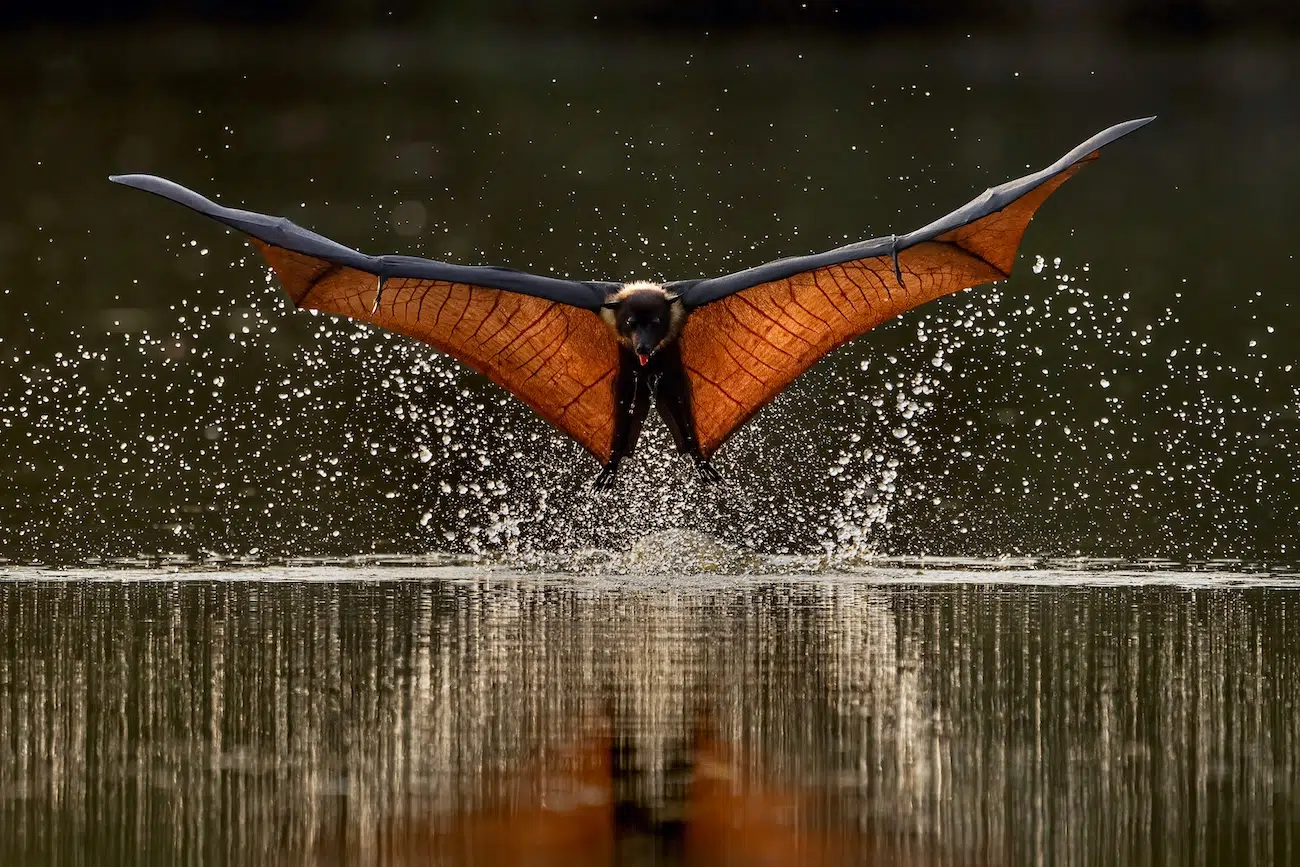
“Bat Bath,” © Hira Punjabi / CUPOTY
“I spent seven nights photographing animals visiting a waterhole at Shompole Conservancy in Kenya. Even bats need a way to beat the scorching summer heat! On hot summer days, these fascinating creatures dip themselves in cool water to help regulate their body temperature, stay refreshed and escape the rising heat.”
The finalists were selected from over 15,388 photographs submitted by photographers across the world.
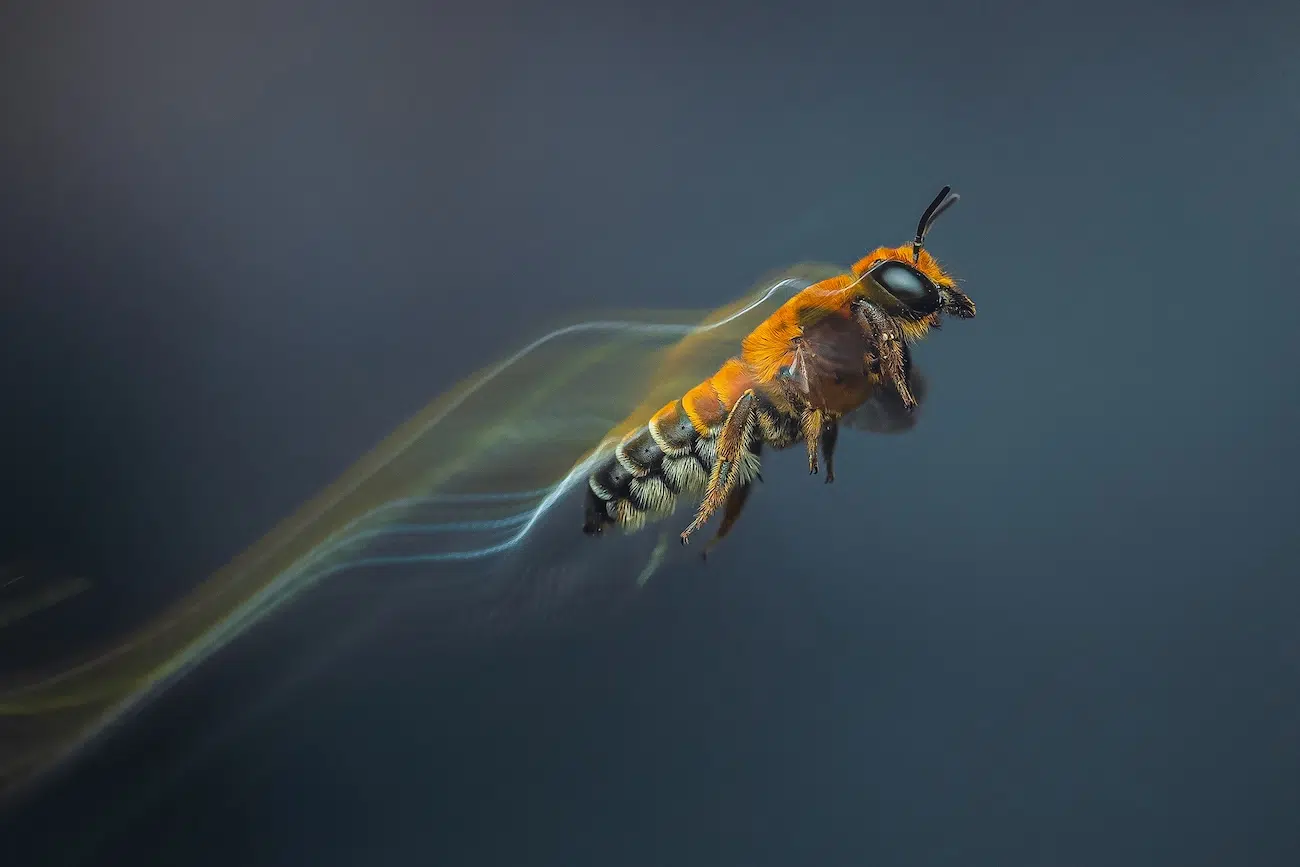
“Stilled for survival,” © Bidyut Kalita / CUPOTY
“While observing insect activity in an area of Goalpara, Assam, India, I encountered a striking scene – a jewel-toned Solitary Wasp (likely a Spider Wasp) subduing a spider. The precision of the attack was remarkable. Instead of killing the spider, the wasp delivered a sting that paralysed it. I watched as the wasp carefully handled its prey, preparing to transport it to its nest. The immobilised spider would serve as a living food source for the wasp’s offspring. An egg would be laid on it, and the emerging larva would feed gradually, ensuring the prey remained fresh for as long as possible. This image reflects nature’s raw yet balanced design, where survival is both precise and uncompromising.”
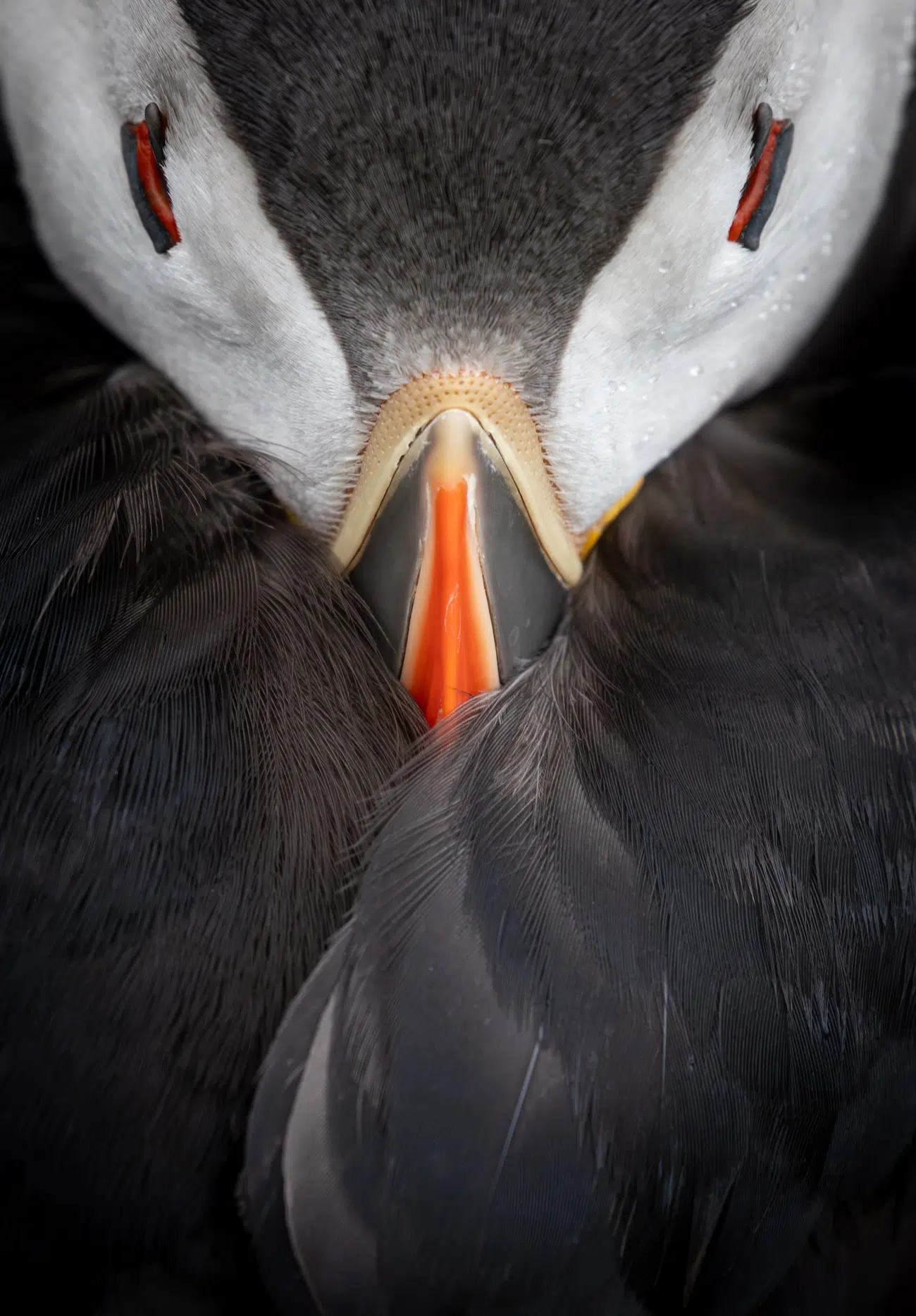
“Cloaked auk,” © James Rogerson / CUPOTY
“Atop the cliffs of Hermaness National Nature Reserve in Shetland, an Atlantic puffin tucks its bill between its shoulders with striking symmetry. Symmetry is of the utmost importance in my work, and I look for it in everything I shoot. It doesn't have to be the bilateral kind seen here; a strong adherence to the rule of thirds, or the use of leading lines, feels just as satisfying. Nature already has these elements in abundance. Photography simply draws our attention to them.”
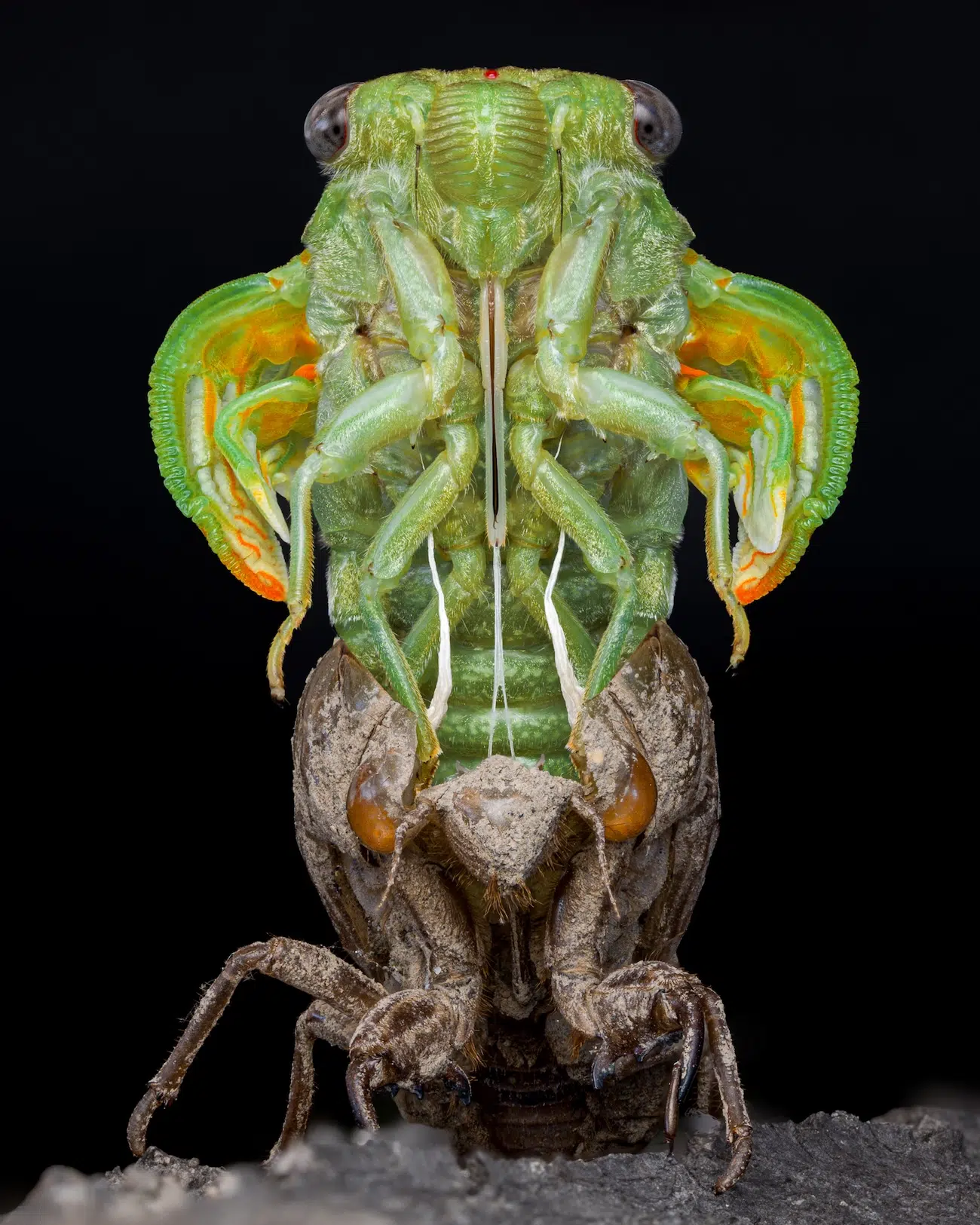
“Cicada emergence,” © Yanis Karamalengos / CUPOTY
“The Large Brown Cicada (Lyristes plebejus) is the largest cicada species found in France (4- 5 cm long). Adults emerge in summer and live for only a few weeks. Most of their life is spent underground. The nymph feeds on the sap of plant roots before leaving the soil and climbing a tree trunk, stem or rock to undergo its final molt – a process known as emergence. Within a few hours, the exoskeleton splits open, revealing the adult, which slowly expands its wings before they harden. This particularly vulnerable stage marks the end of an underground development that can last three to five years.”
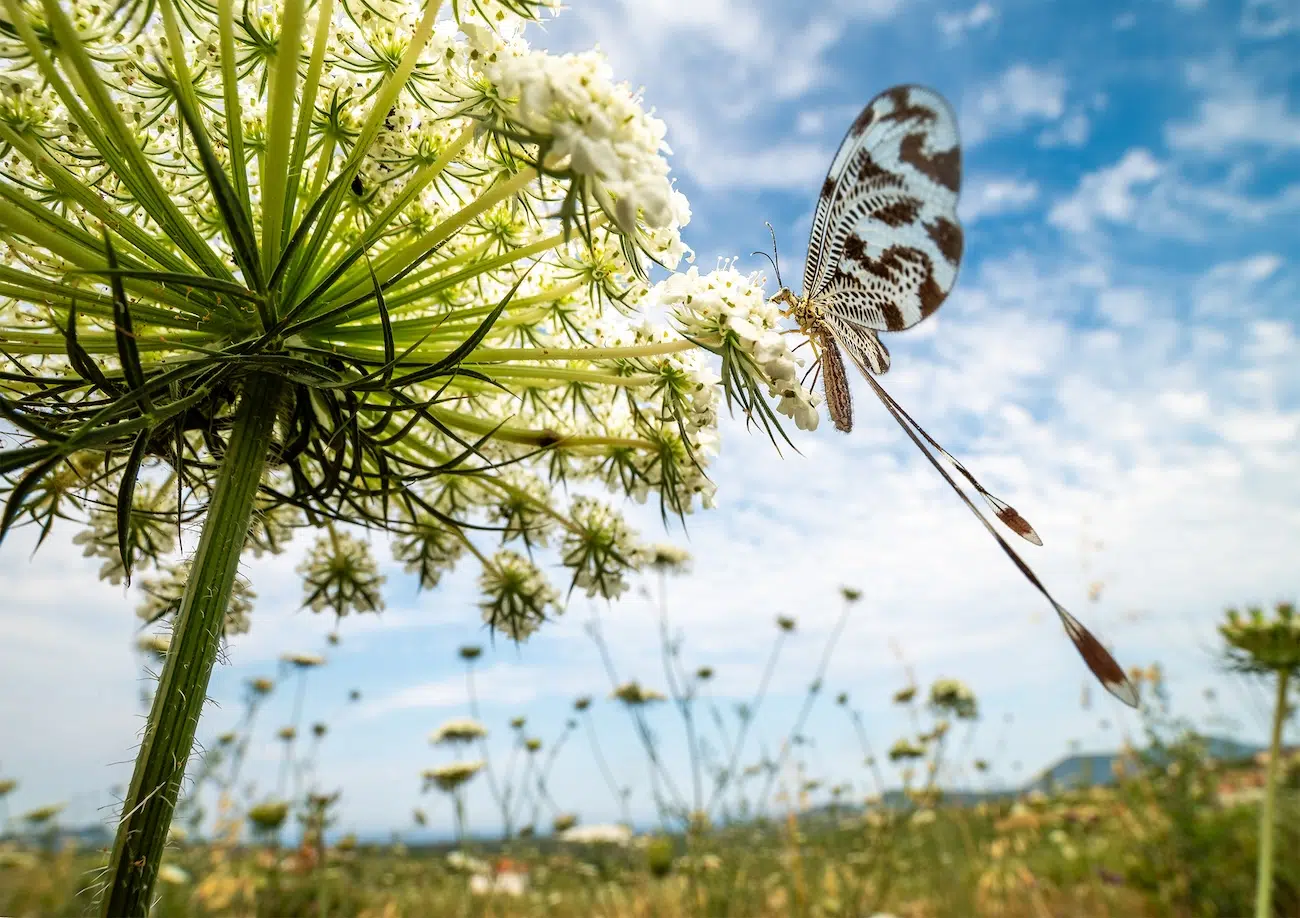
“Spoonwing,” © Lucien Harris / CUPOTY
“The rear appendages seen on these Greek Spoonwings (Nemoptera coa) are modified hind wings. They are used to make the Spoonwing much larger than it seems to scare off predators like birds and robber flies. They also act as rear antenna, which help with spatial awareness. I followed this Spoonwing for over 10 minutes as it clumsily flew along the border of an overgrown field in the Peloponnese region of Greece, waiting for the perfect backdrop to compose a photo of this beautiful creature.”
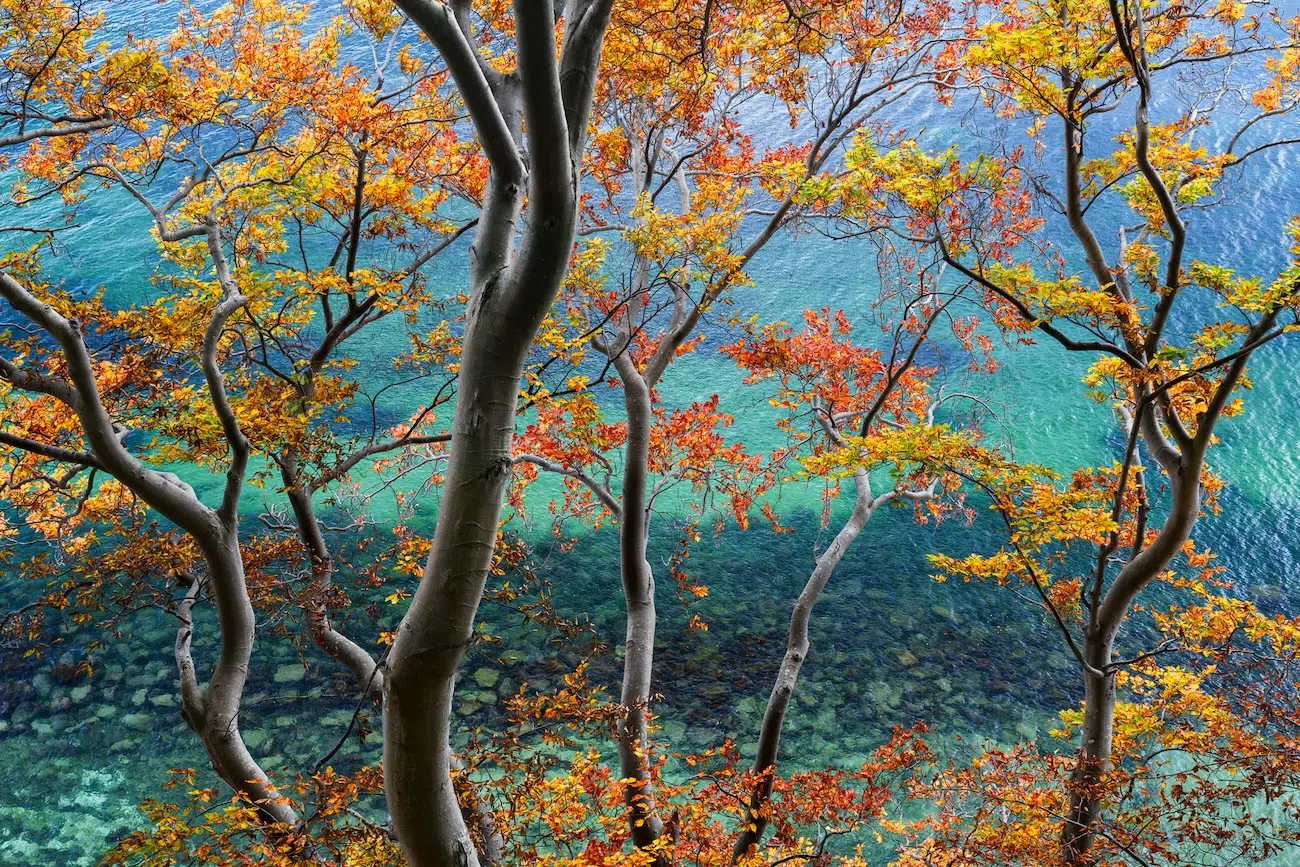
“Where worlds collide,” © Johannes Kowalewski / CUPOTY
“High above the Baltic Sea, an ancient beech forest glows in autumn colours atop the dramatic white chalk cliffs of Jasmund National Park on the island of Rügen, Germany.”
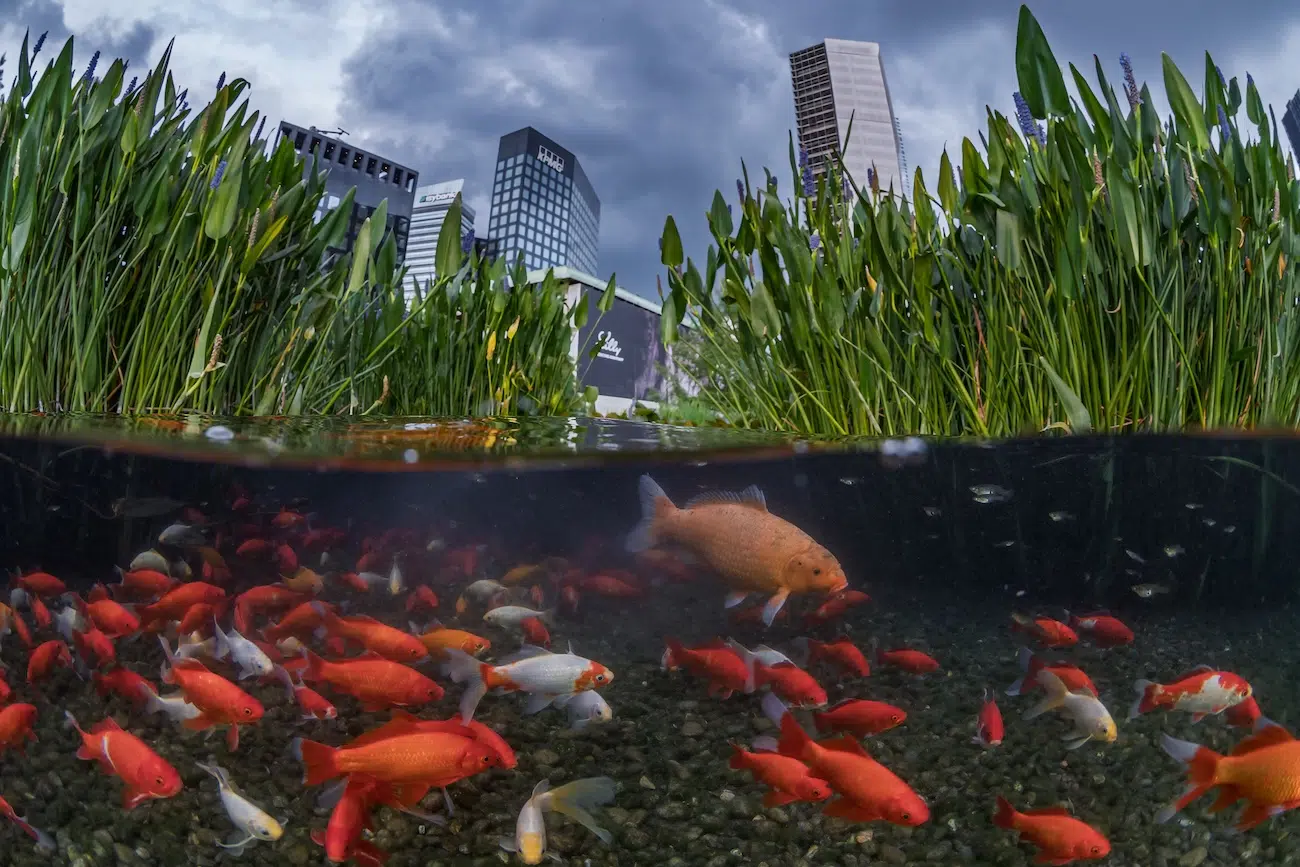
“Fish out of context,” © Marco Domenicucci / CUPOTY
“A shoal of goldfish swim in an urban pond inside a metropolitan business district. Two worlds divided by a thin waterline: glass and concrete above and an aquatic ecosystem below.”
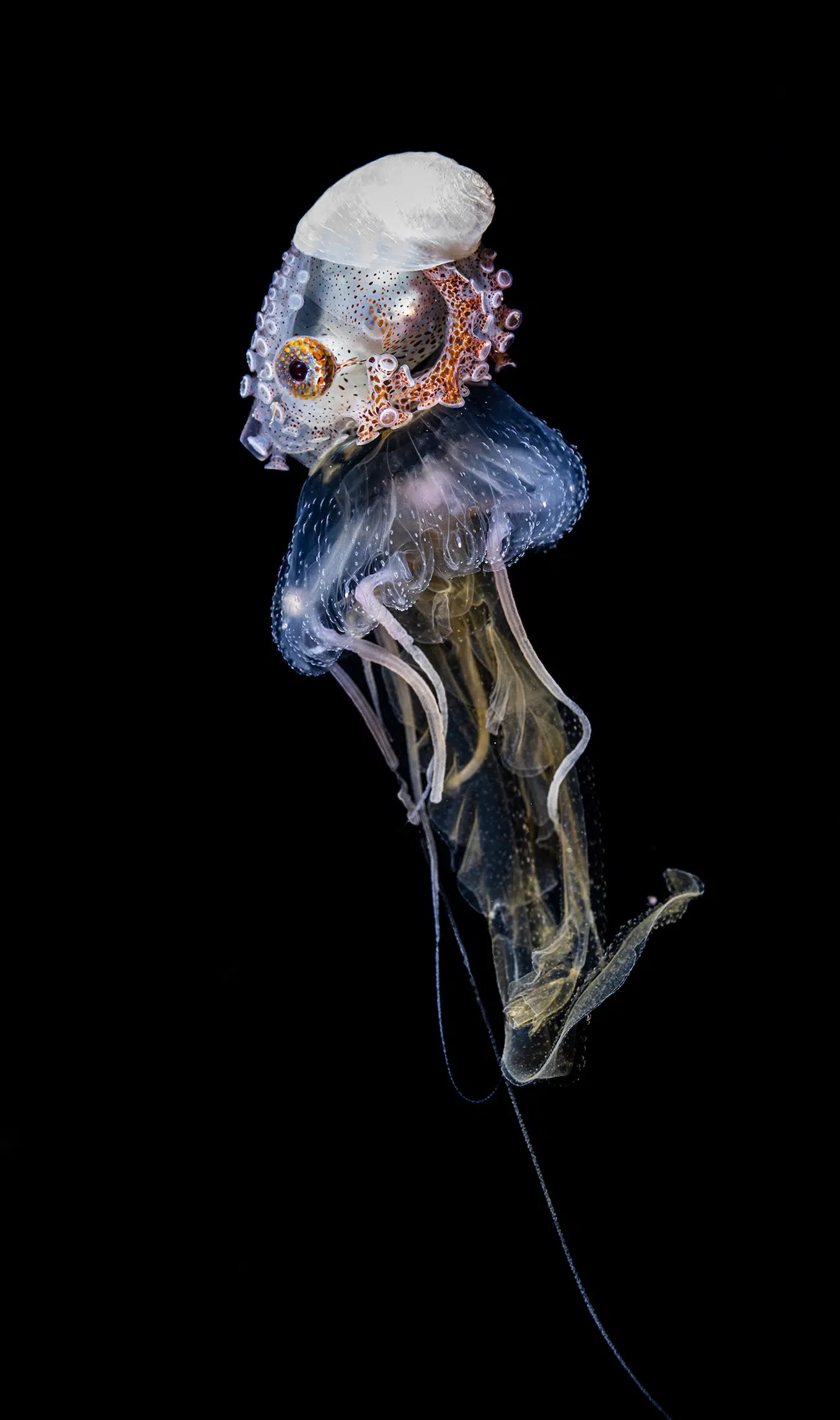
“Paper Nautilus,” © Alexei Magai / CUPOTY
“Paper Nautilus swim using jet propulsion (expelling water through a siphon), but sometimes they make life easier for themselves by finding a mode of transport. Jellyfish, leaves, sticks—and, unfortunately, trash—can all serve as their ‘taxis.’”
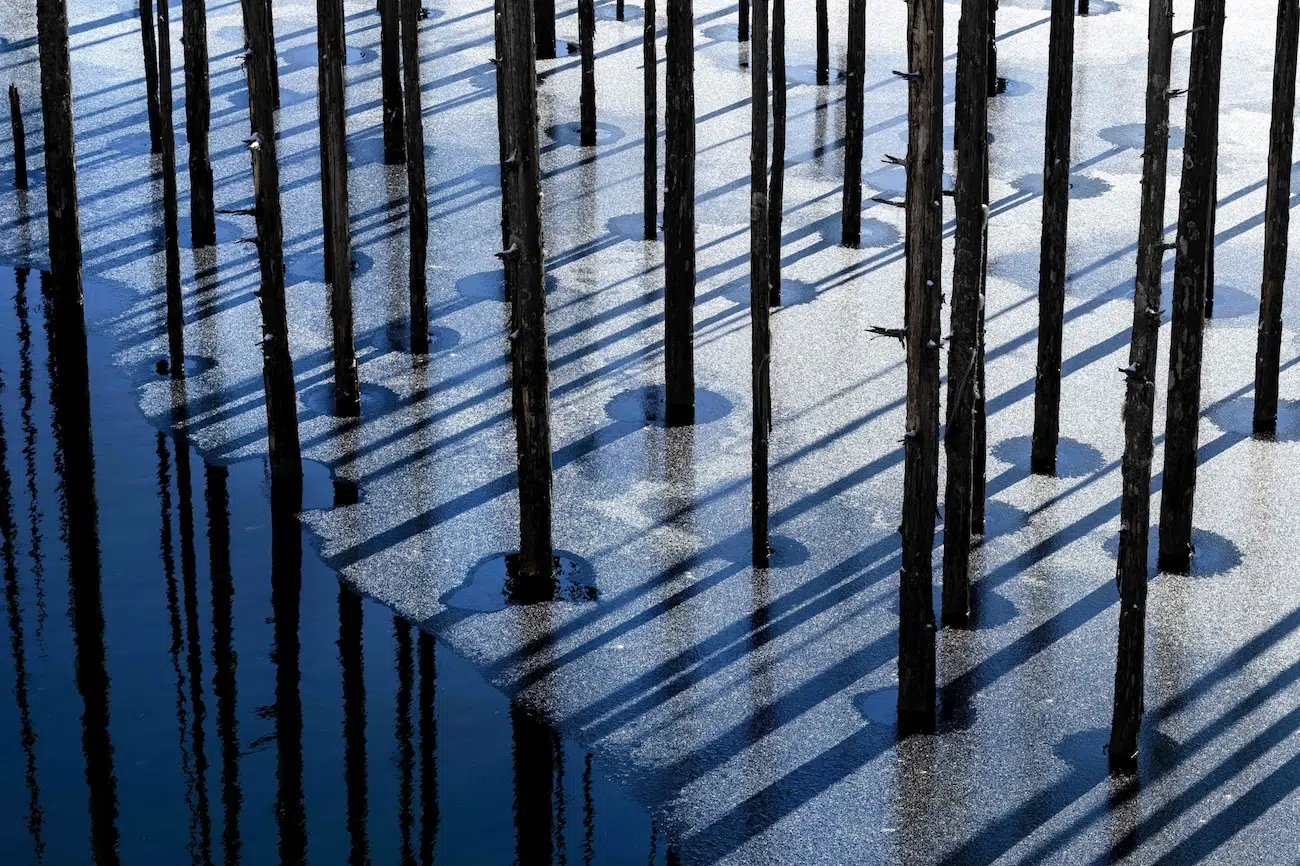
“Vertical Lines,” © Takahiro Gamou / CUPOTY
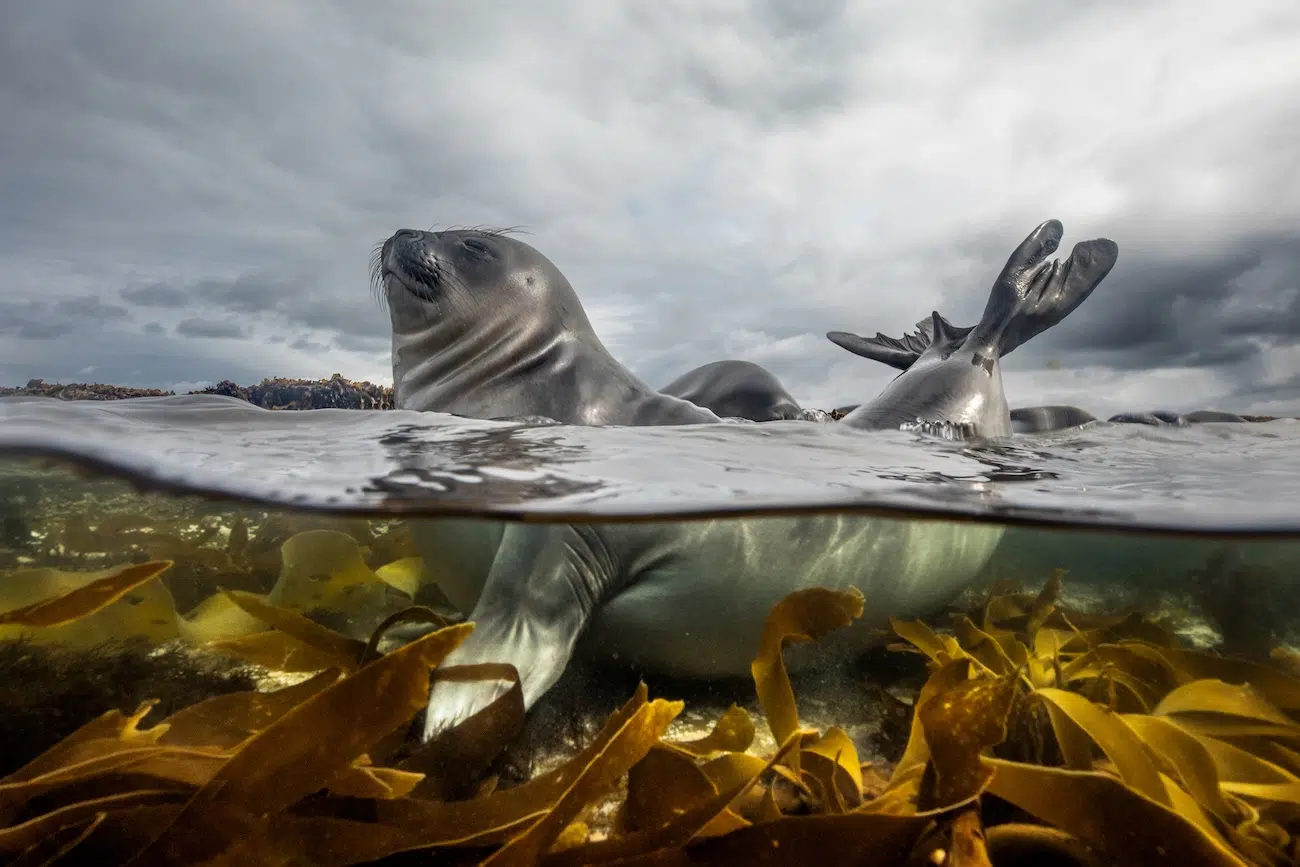
“Rockpool Sanctuary,” © Lisa Skelton / CUPOTY
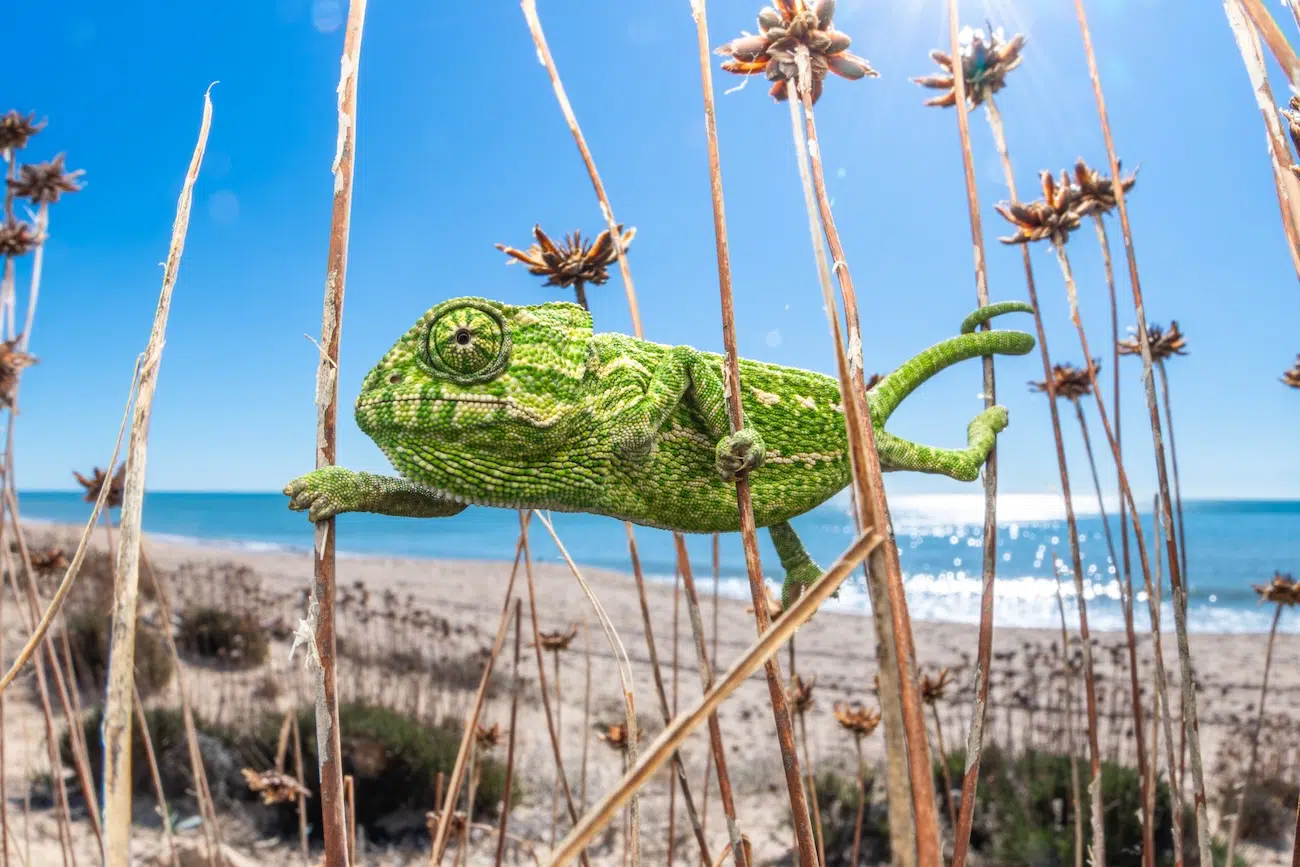
“Suspended,” © Joao Pontes / CUPOTY
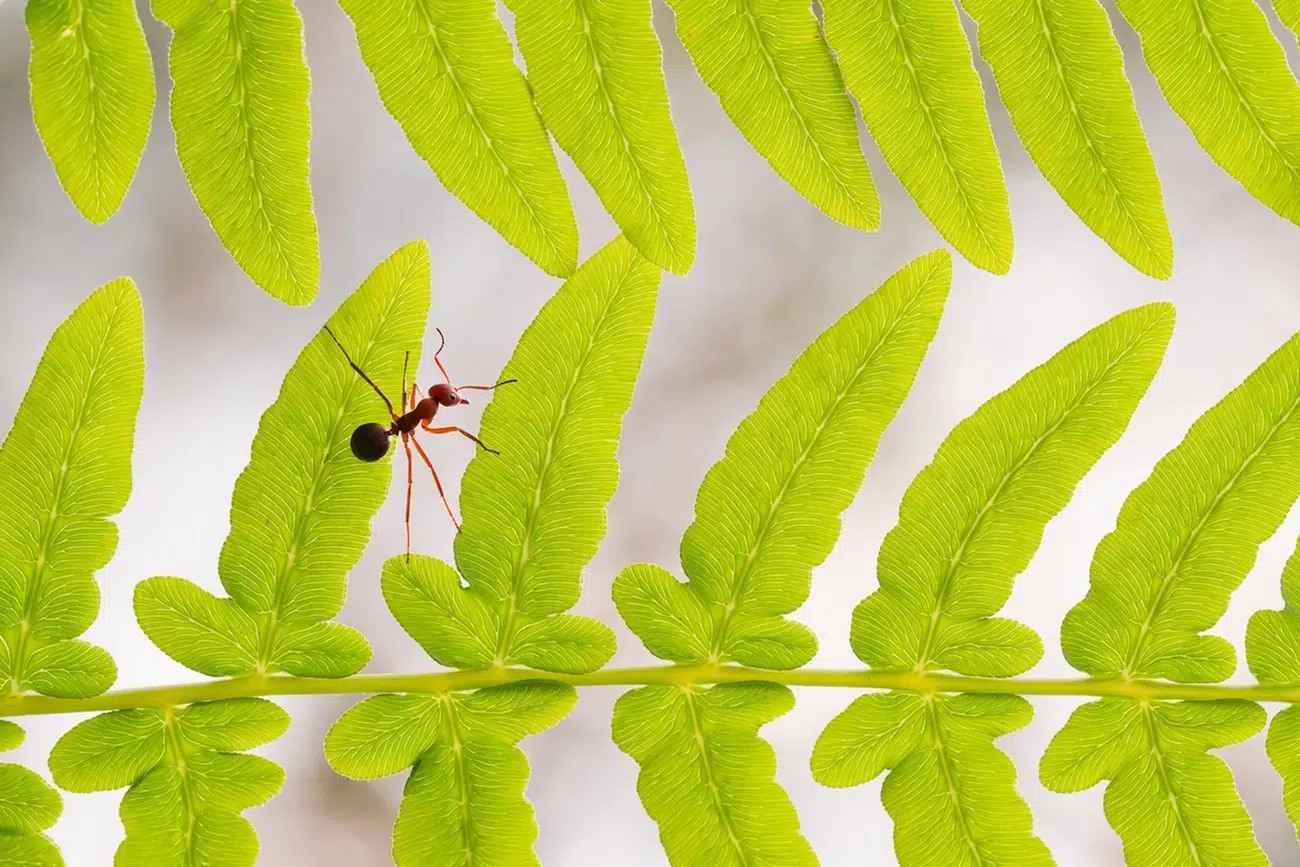
“Lookout,” © Marina Gavrikova / CUPOTY
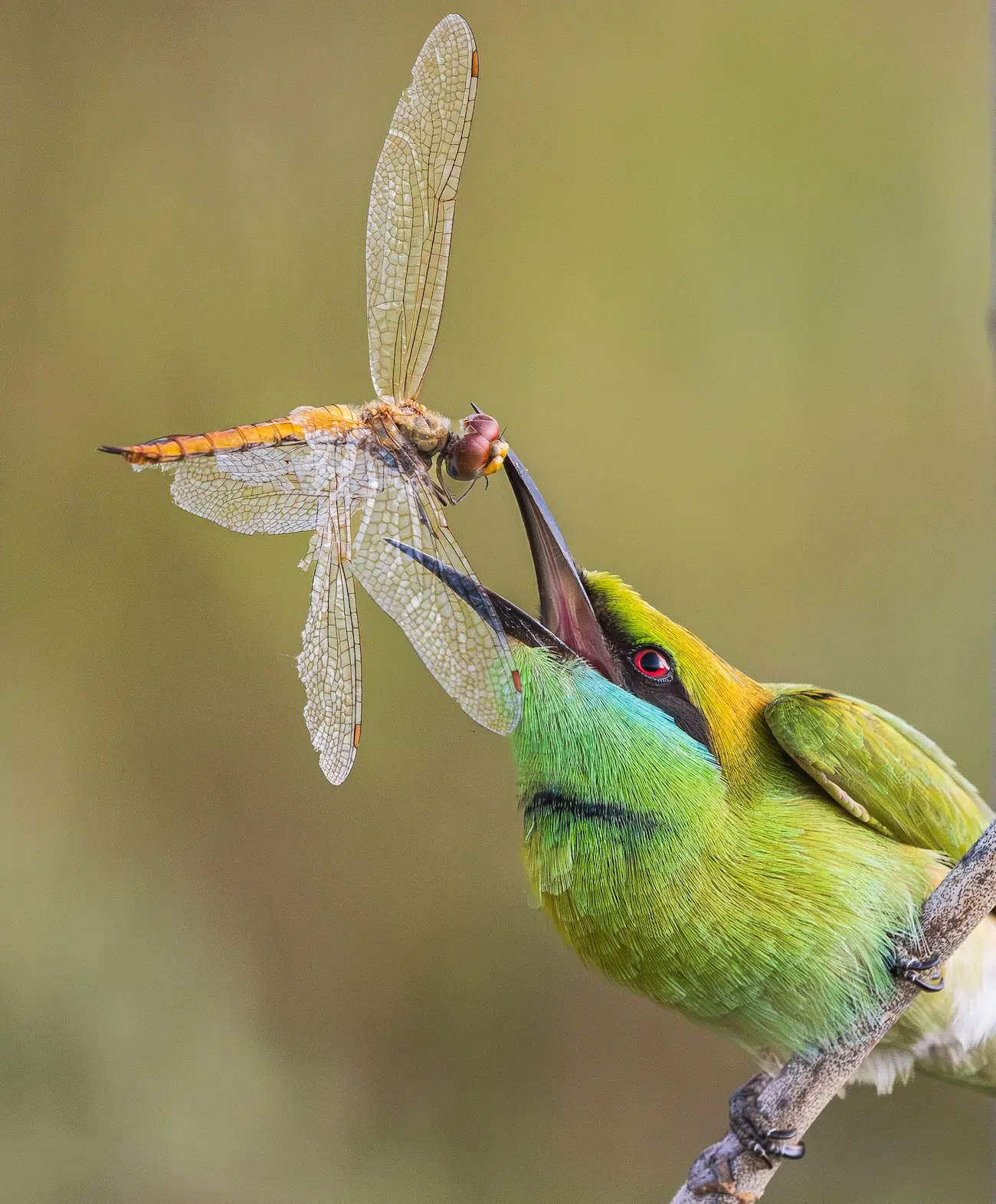
“The Final Toss,” © Deepak Jaybhaye / CUPOTY
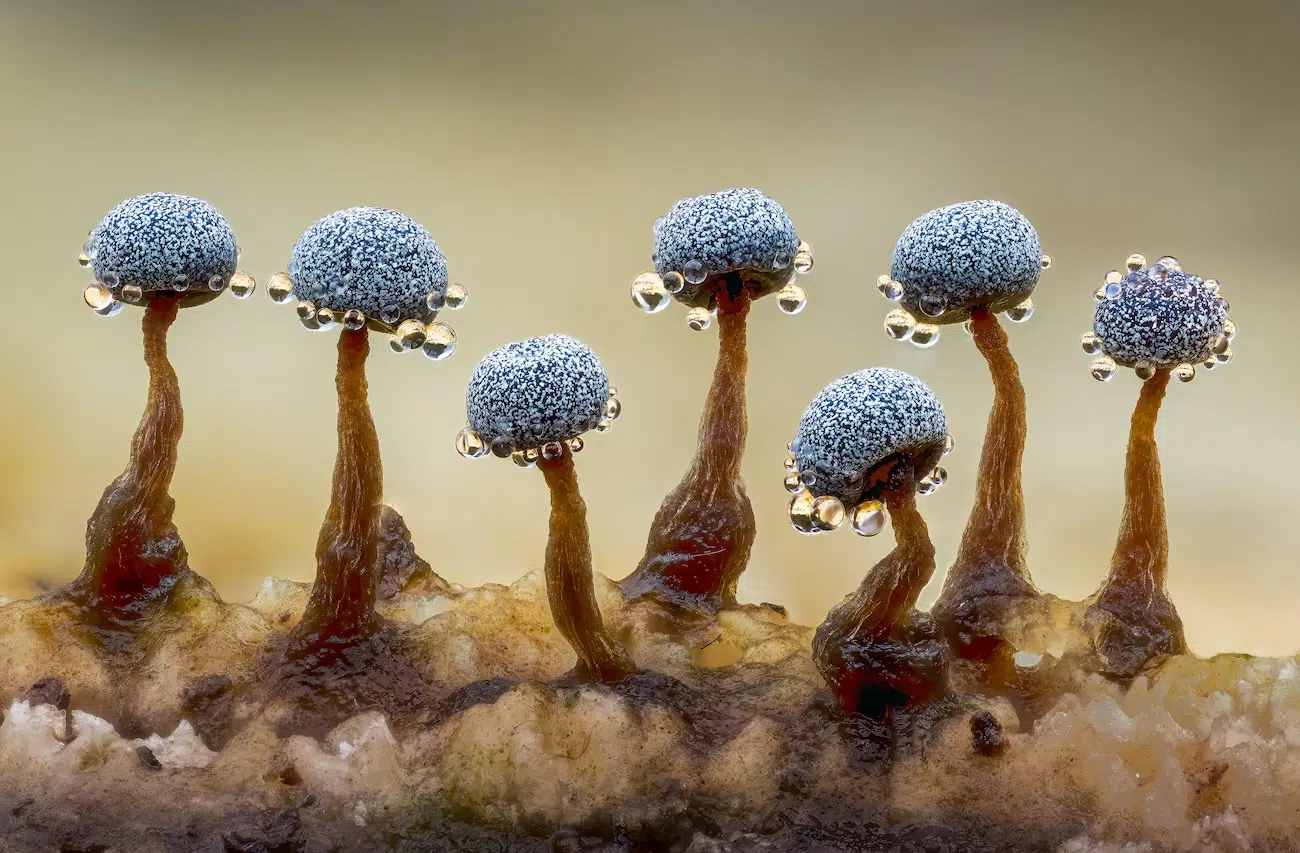
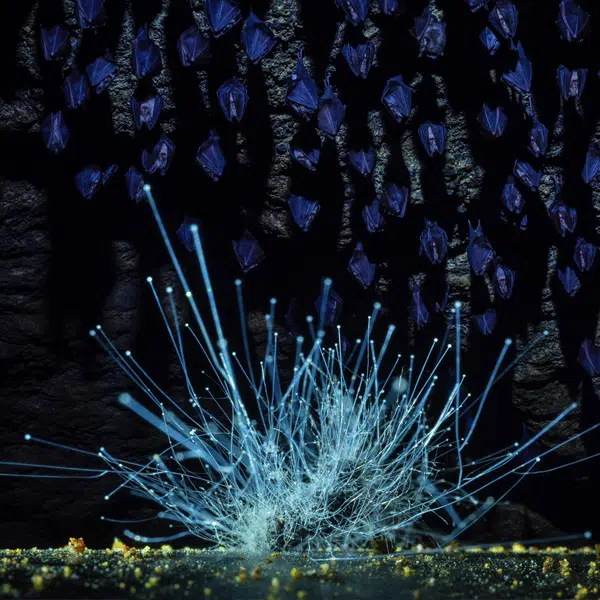
“Physarum album,” © David Myles / CUPOTY