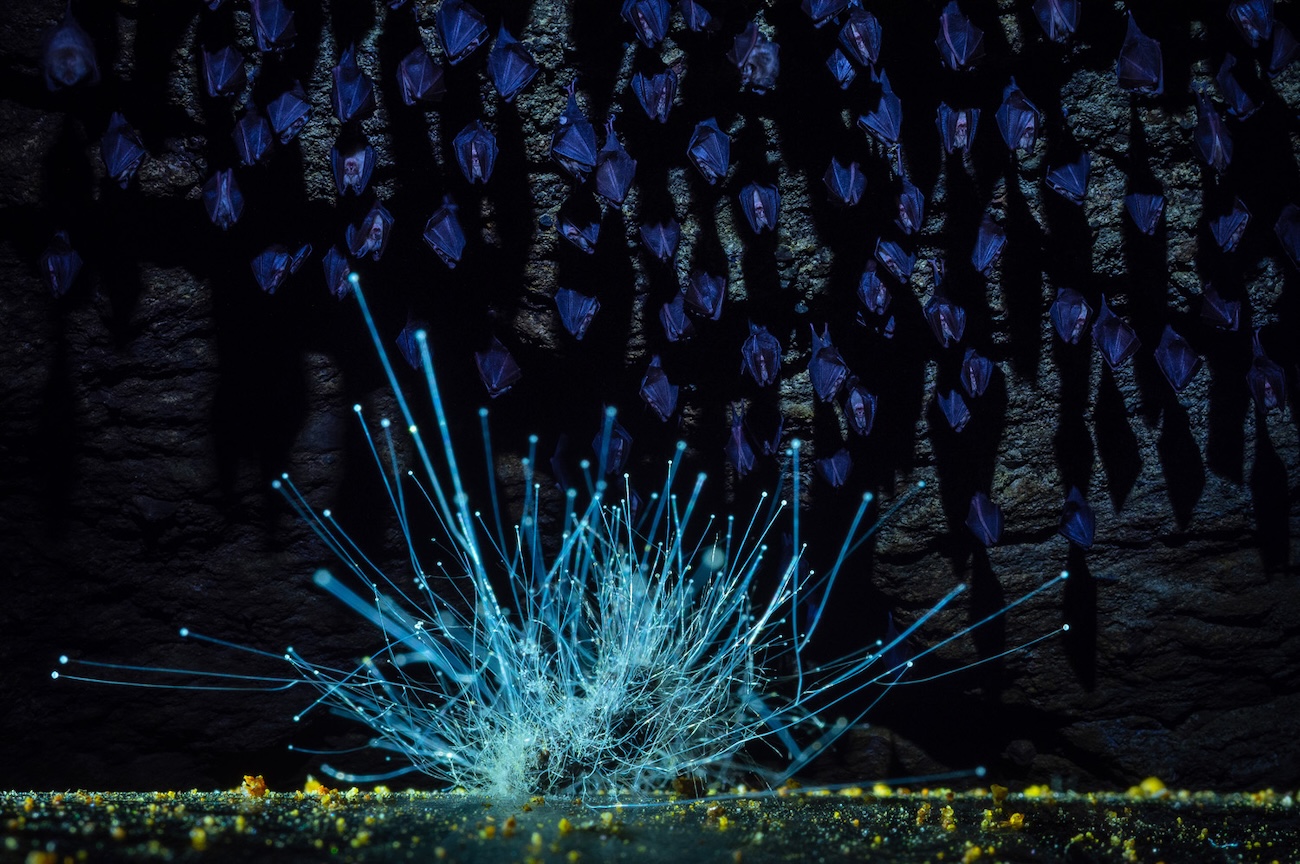
“Hidden worlds” by Imre Potyó (Hungary). Overall winner, European Wildlife Photographer of the Year 2026.
I have been photographing hibernating bats for 13 years in restricted-access mine tunnels in the Börzsöny Mountains of Hungary, and yet this particular composition was novel for me. A key characteristic of the lesser horseshoe bat (Rhinolophus hipposideros) is that, during hibernating it occasionally wakes and leaves its roost to hunt flying insects. In doing so, the bat leaves behind droppings that gradually accumulate into a continuous dark layer. And this is where the real wonder begins: in the beam of a torch, a whitish coating can be seen on the guano—a small pin mould thriving in this unusual habitat. Using a macro lens, I captured the mould in the foreground with the hibernating bats visible in the background. The photograph—a long exposure incorporating a focus shift—was taken during a controlled bat count and without disturbing the animals.
A stunning image of mold has claimed the top spot in the 2026 European Wildlife Photographer of the Year competition. Photographer Imre Potyó captured this fascinating photo of an electric-blue pin mold growing on bat guano as a colony hibernates behind it. The image, while real, initially reads as abstract; the wiry mold resembles a starburst, while the bats appear as triangular shapes, almost like paper planes. With their heads mostly concealed, it’s not immediately clear what it is behind the mold. Only by spending time with the image do we fully appreciate the reality of the scene.
Potyó is the overall winner, and his image has also made history. For the first time in the competition’s 26 years, a photo from the plants and fungi category won the overall title. An international jury from the German Society for Nature Photographers (GDT) selected it from more than 26,000 submissions by professional and amateur photographers in 46 countries.
The jury appreciated Potyó’s ability to illuminate what’s often unseen. “This image speaks to a larger truth about the natural world: much of life exists beyond our immediate awareness, in places we seldom visit and among organisms we rarely notice,” Tom Gilks said on behalf of the jury. “Even within this single frame, bats, fungi and countless microorganisms form part of a web of relationships that quietly sustains life while remaining largely unseen.”
While Gilks speaks specifically about Potyó’s photos, the sentiment applies more broadly to the importance of wildlife photography. “Photography has a unique ability to make such connections visible, transforming what might otherwise remain obscure into something we can understand, appreciate, and ultimately care about. At a time of unprecedented biodiversity loss, many of these worlds are disappearing before they have even been properly documented, let alone understood.”
GDT had an award ceremony and exhibition as part of the International Nature Photography Festival on October 23, 2026. The competition's winning images are now in a large-format exhibition touring Germany and abroad for three years.
Scroll down to see the winning images, then visit the GDT website to see more commended images.
The 2026 European Wildlife Photographer of the Year contest has announced its winners.
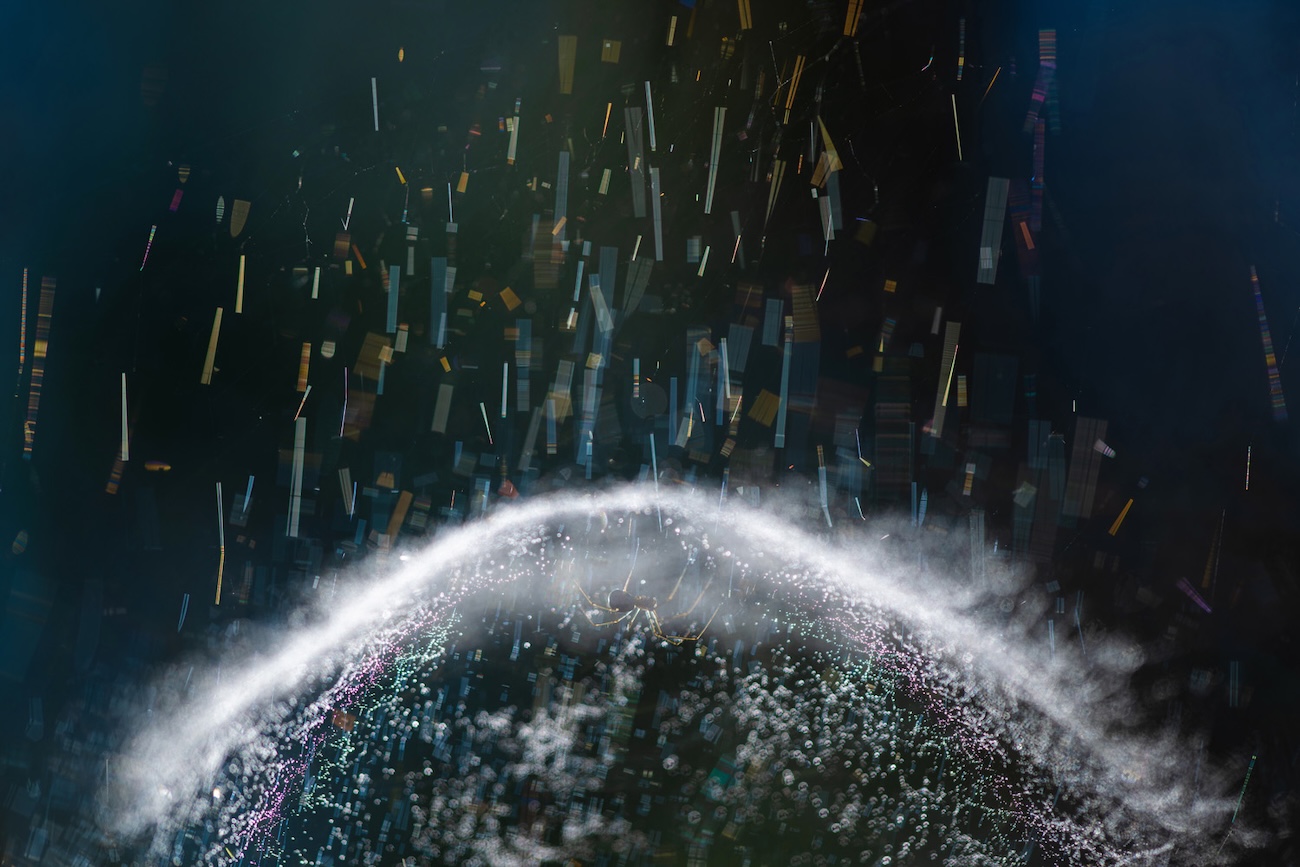
“A small universe” by Christian Morawitz (Germany). Winner, Other animals.
I have been taking photographs in the Lausitz Biosphere Reserve in Saxony regularly for 13 years. It was there, one early September morning in a small copse, that I discovered the perfect, dome-shaped web of a common canopy spider (Linyphia triangularis). A ray of sunlight made the web shimmer in iridescent colors against the dark backdrop of the trees. To me, it looked like a planet in space, with stars twinkling above. Fortunately, the spider was perched just below the highest point of the web. Using my 150 mm macro lens, I was able to capture this enchanting scene in a photograph.
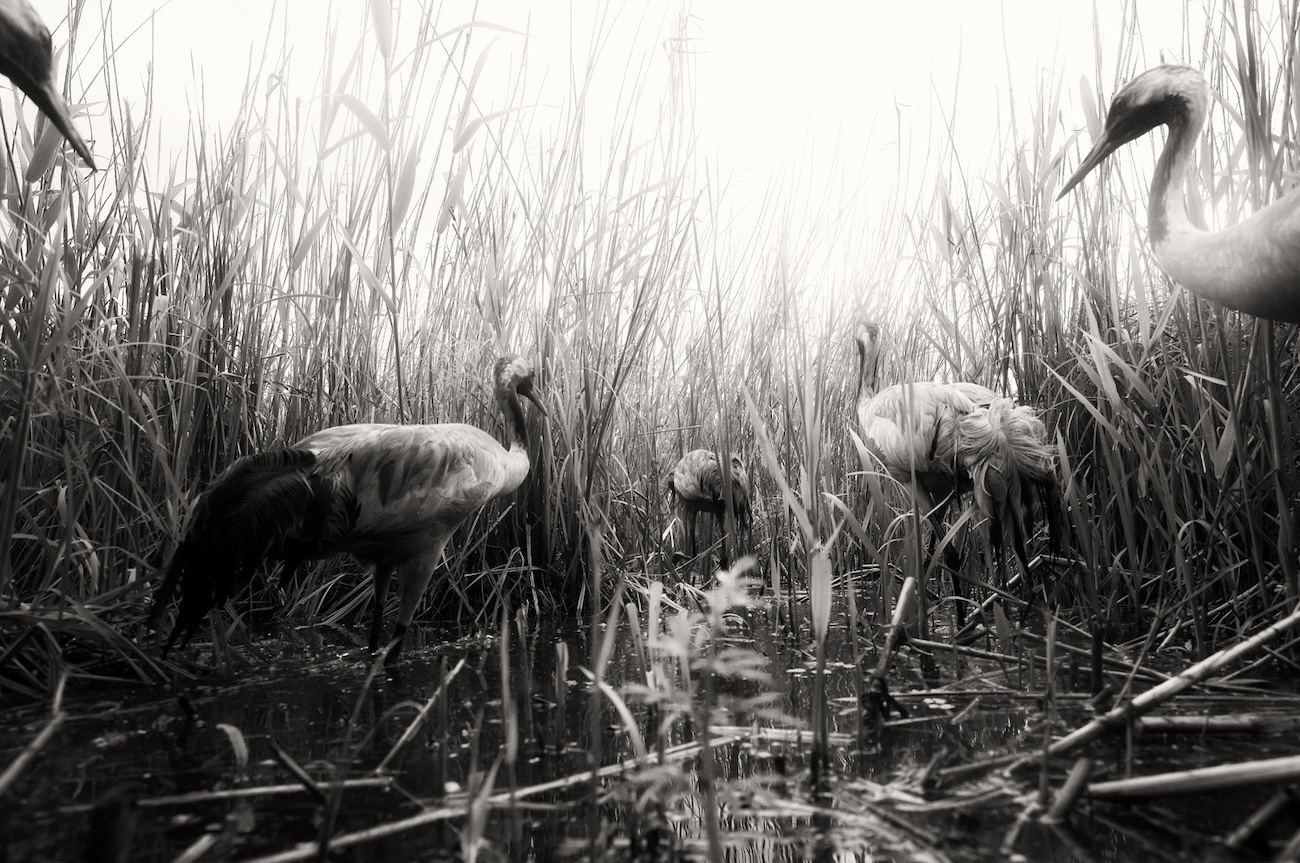
“Secret paths” by Jan Wieczorek (Poland). Winner, Birds.
During moult, common cranes (Grus grus) lose all their flight feathers at once, rendering them earthbound for several weeks. During this period, they remain extremely vigilant and usually hide in wet forests where they can find food. At dawn, the cranes walk from their roosting sites via secret paths through reed beds to their feeding grounds and typically return via the same route. The photograph was taken near Olsztyn, in the Warmia region of Poland. Scientific studies conducted over the past six years have shown that, on average, 10–20% of cranes fall victim to predators—mainly foxes and raccoon dogs—during moult.
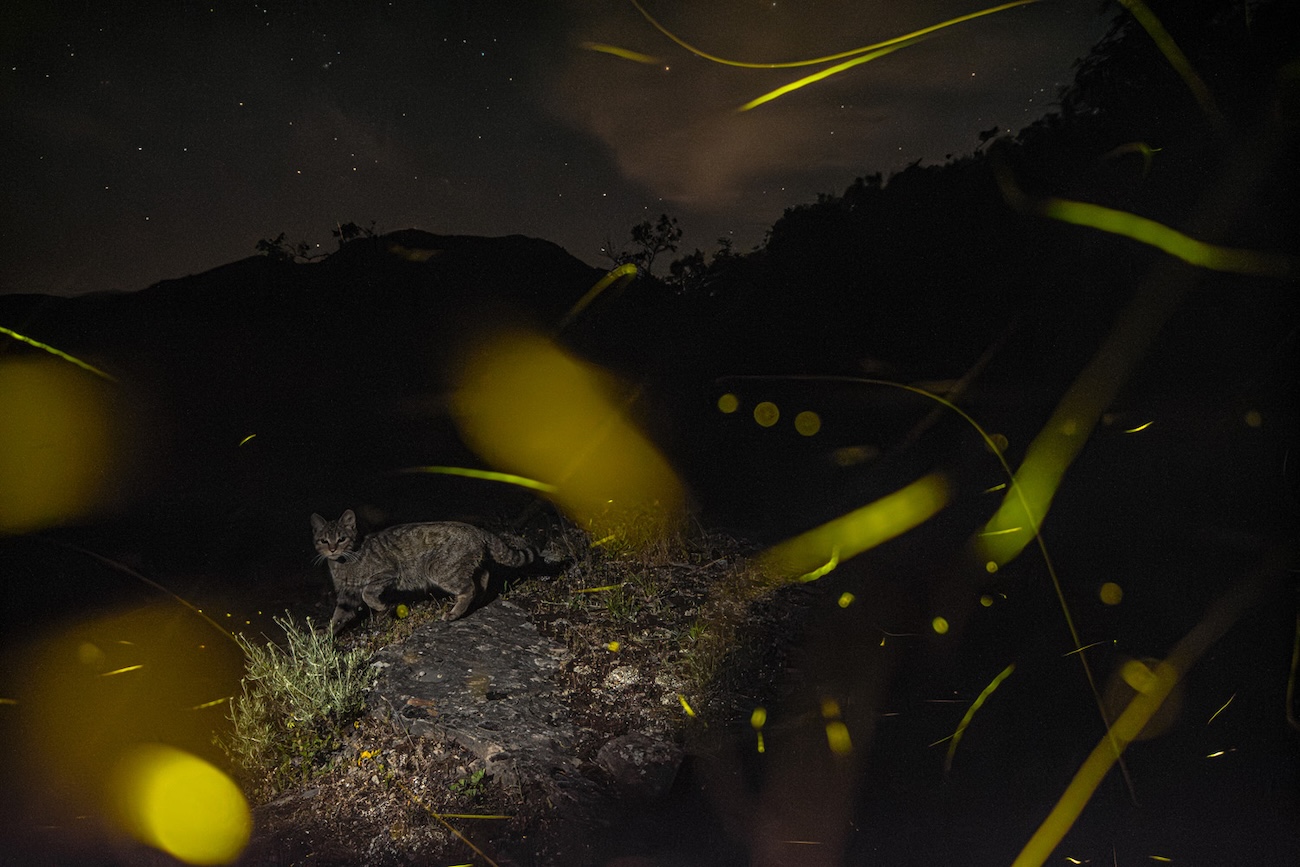
“The Cat and a Thousand Lanterns” by Lorenzo Shoubridge (Italy). Winner, Mammals.
In the wild, romantic mountain landscape of Alto Mugello, Italy, a European wildcat (Felis silvestris) moves silently through the night, framed by the ethereal dance of countless fireflies. Capturing this fleeting encounter required months of preparation and an almost invisible photographic setup: a DSLR camera trap installed with meticulous care to ensure that the wildlife remained entirely undisturbed. European wildcats lead exceptionally secretive and elusive lives and are regarded as indicators of healthy, species-rich ecosystems. Among the greatest threats to the species is hybridization with feral domestic cats. Despite ongoing environmental pressures, the Alto Mugello region remains a vital ecological corridor linking the Appennino Tosco-Emiliano and Foreste Casentinesi national parks. This corridor is of crucial importance for wolves and for the return of sensitive species such as the European polecat.
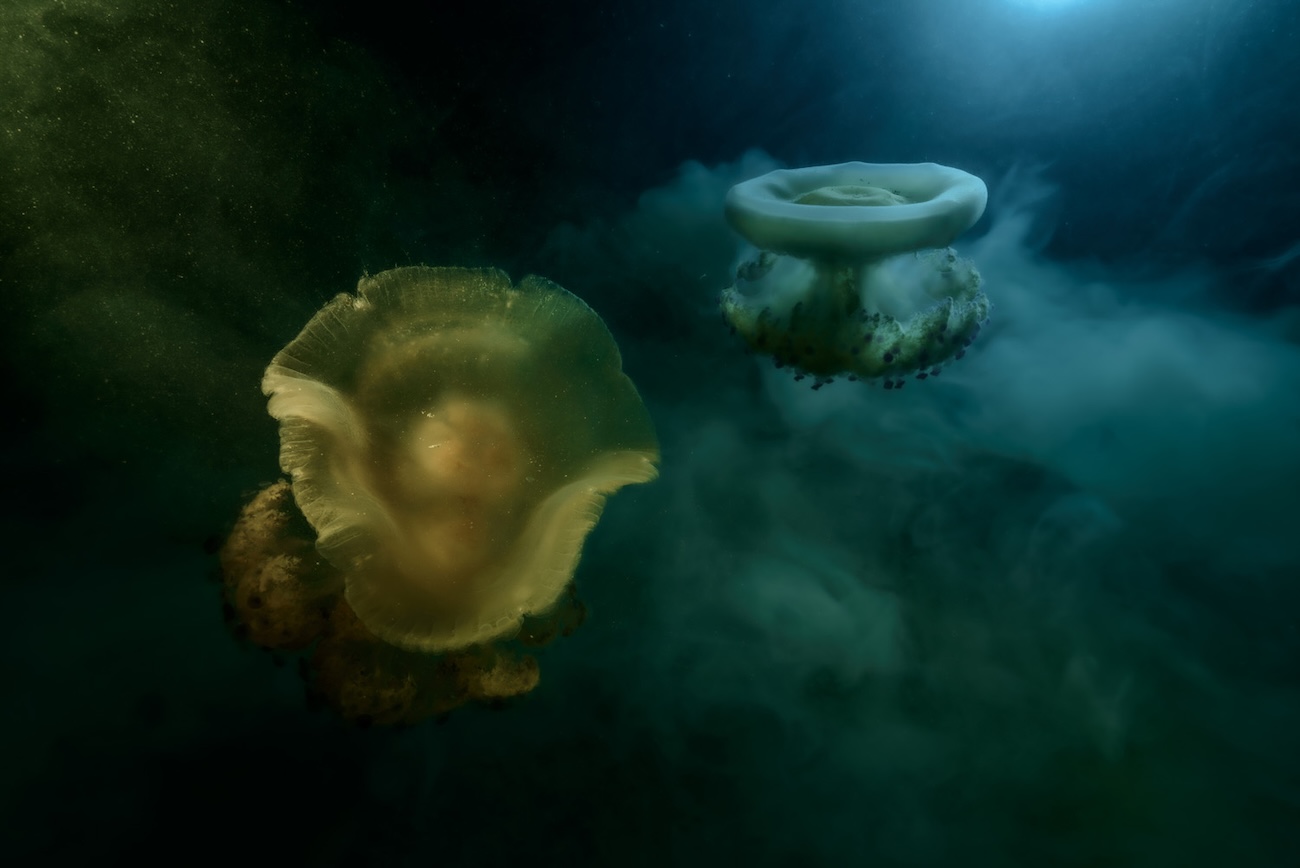
“Man-made disaster” by Angel Fitor (Spain). Winner, Underwater world.
Since 2016, Spain’s Mar Menor lagoon has experienced repeated episodes of severe eutrophication, leading to oxygen depletion and widespread marine mortality. The underlying cause is decades-long, uncontrolled discharge of nutrient-rich agricultural runoff into the lagoon. In October 2025, exceptionally heavy rainfall carried up to 100,000 liters of nutrient-laden surface runoff per second from the surrounding farmland into the lagoon. As the seawater was unusually warm after yet another long and hot summer, this was followed by a significant phytoplankton bloom. The algal growth consumed most of the dissolved oxygen in the water, creating a deep, life-threatening hypoxic layer with suspended sediments. Without sufficient oxygen and light, jellyfish such as these fried egg jellyfish (Cotylorhiza tuberculata), which are composed almost entirely of water, are doomed to die quickly.
An international jury from the German Society for Nature Photographers selected the images from more than 26,000 submissions by professional and amateur photographers in 46 countries.
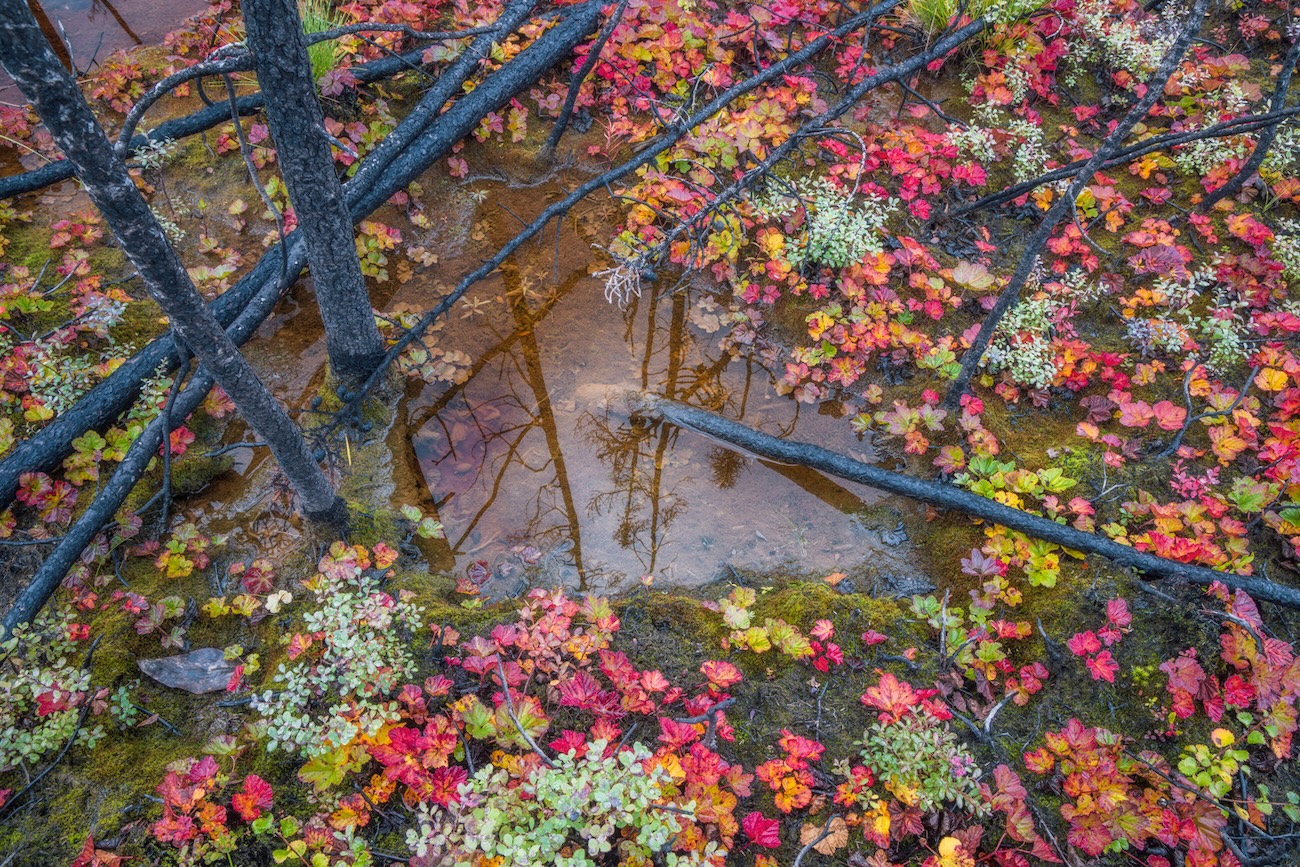
“Forest at the edge” by Fortunato Gatto (UK). Winner, Plants and fungi.
This photograph was taken at the northern edge of the boreal forest beyond the Brooks Range in Alaska, where forest gradually gives way to Arctic tundra. At these latitudes, conditions are exceptionally harsh: permafrost limits the growth of trees while favoring mosses, lichens, sedges and dwarf shrubs. The forest shown here was in the early stages of recovery following a wildfire. Charred tree trunks still bear witness to the fire’s destructive impact, while new vegetation is already beginning to spread, helping to stabilize the soil and store carbon. Reaching this small pool was no easy task, as the waterlogged ground made every step a challenge. Yet it was here that an extraordinary scene unfolded: the low vegetation glowed in vivid autumn colors, creating a striking contrast with the blackened conifers. The photograph captures a landscape poised between destruction and renewal—a powerful symbol of the profound transformation taking place across a rapidly warming Arctic.
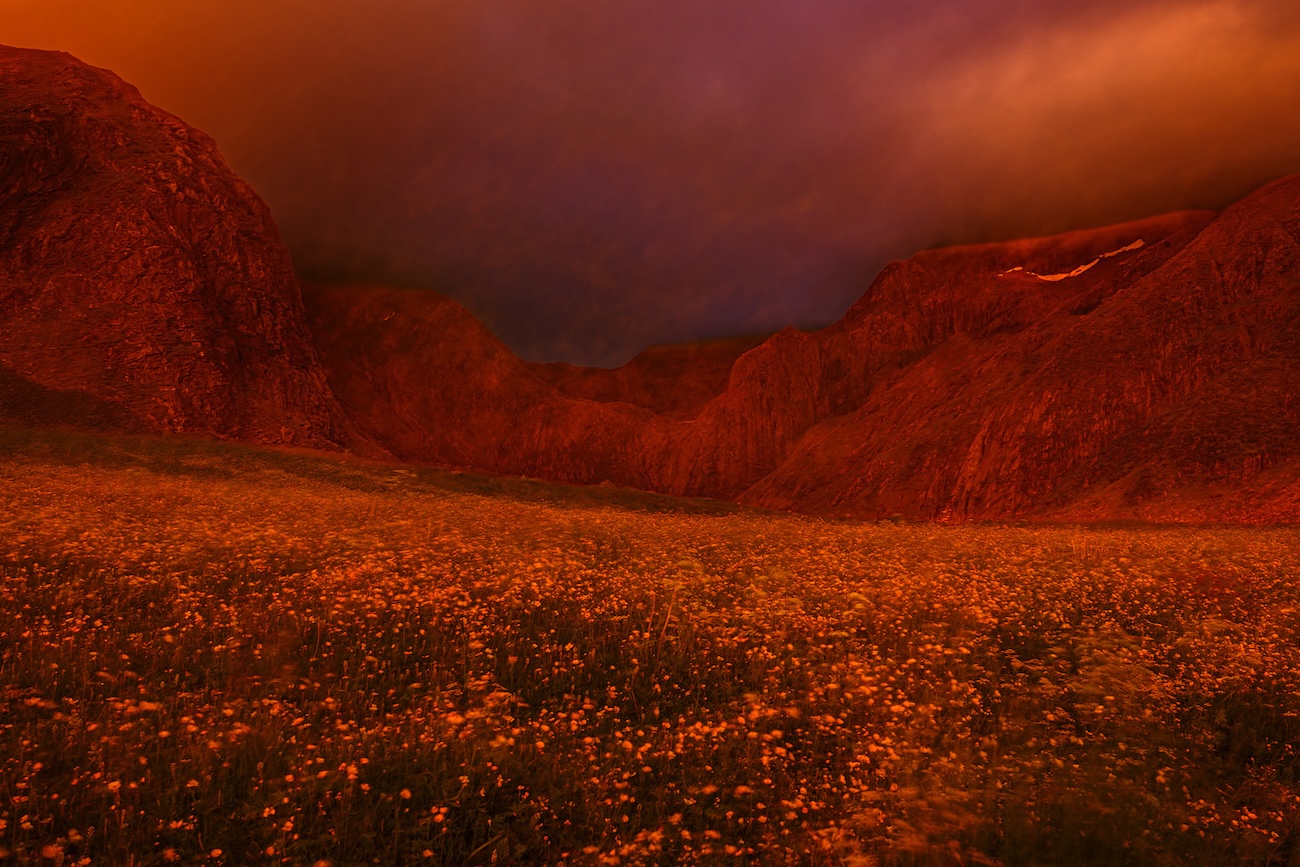
“Midnight” by Antje Kreienbrink (Germany). Winner, Landscapes.
Surrounded by majestic mountains and the sea, we spent last summer immersed in the breathtaking scenery of northern Norway. One evening, after returning from an excursion, the light was so extraordinarily beautiful that going to bed simply wasn't an option. Drawn almost irresistibly by the magical atmosphere of the midnight sun, I made my way back to a nearby bay. Dark clouds hung across the sky, while on the horizon above the sea only a narrow sliver of the midnight sun broke through. Bathed in its warm, glowing light, the landscape was transformed into shades of fiery orange and deep red, creating an almost surreal scene. I wanted to capture this dreamlike, mystical moment in a photograph. I would also like to take this opportunity to thank my children. Without them, I would never have found myself in this remarkable place.
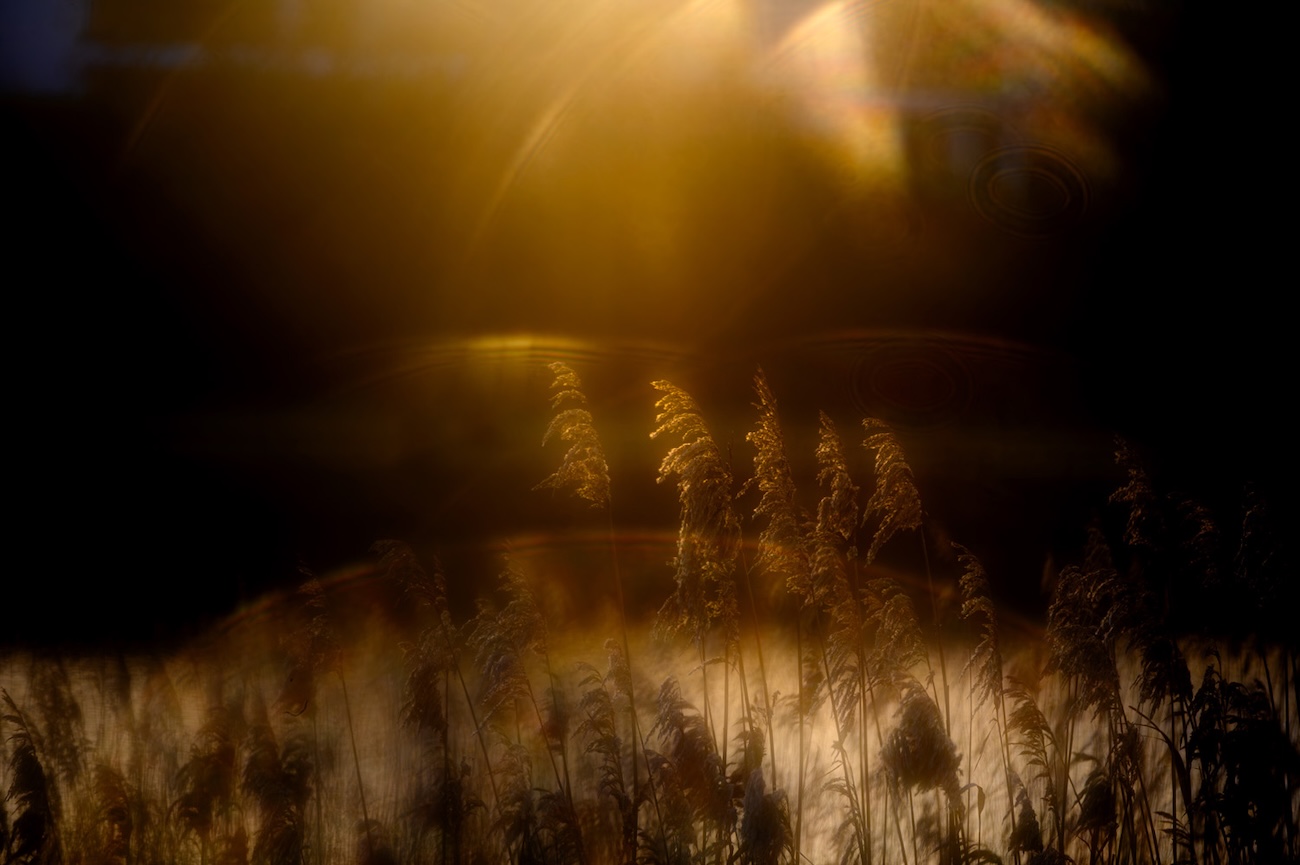
“Winter Gold” by Marla Schwarze (Germany). Winner, Young Photographers (up to 14 years).
A winter evening at Dortmund's Lake Phoenix: the sun was going down, and its last warm rays caught the dense reeds along the shore from behind, immersing the whole scene in a beautiful glow. I wanted to hold onto that one second, that fleeting instant. The image shows the low evening sun, the swaying reeds flooded with light, set against the sparkling water, with the rays refracting inside the lens. I made a particular effort to capture exactly this special winter atmosphere and the flickering play of light in that one moment.
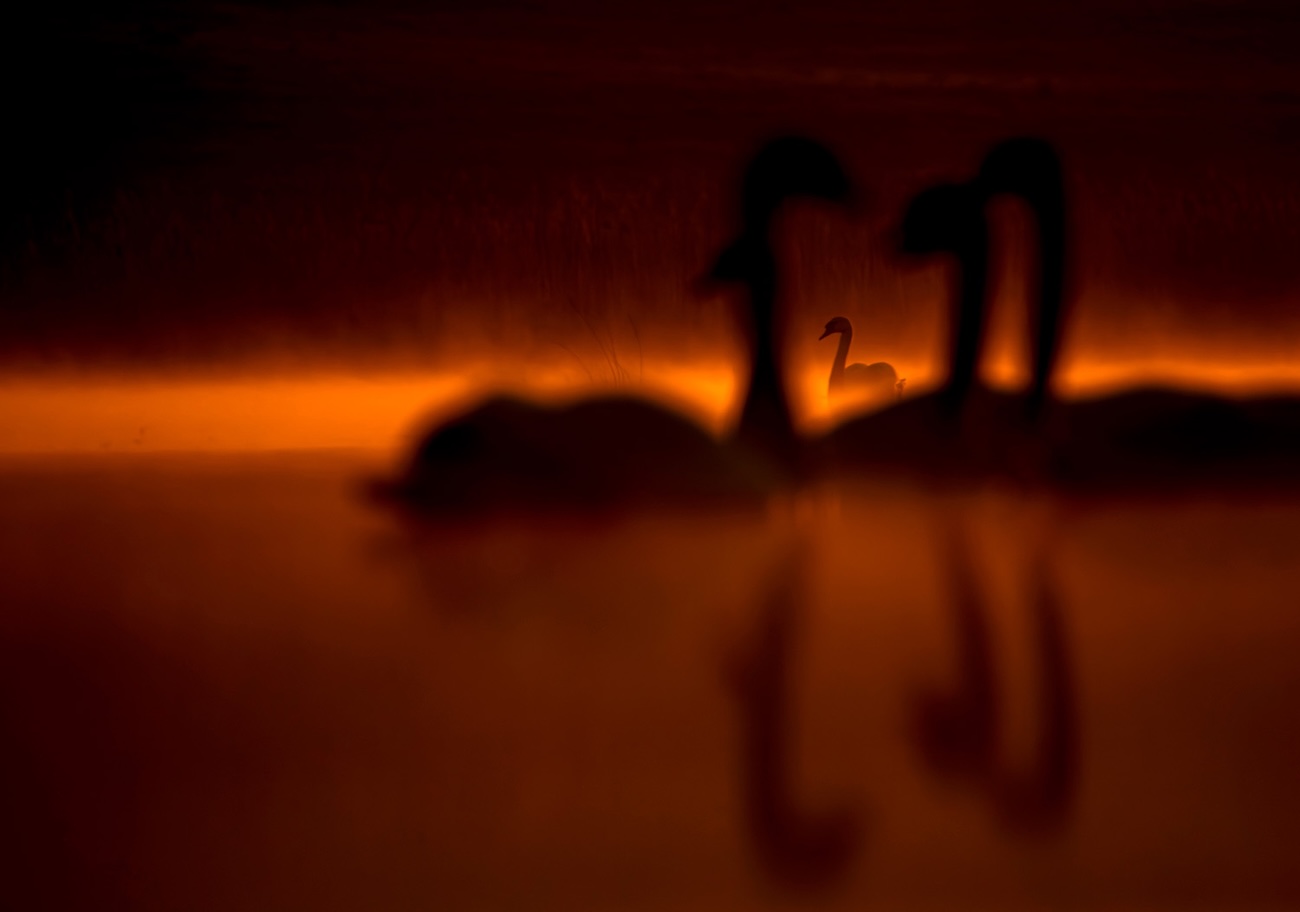
“Swan Lake” by Szymon Bartołd (Poland). Young Photographers 15 to 17 years.
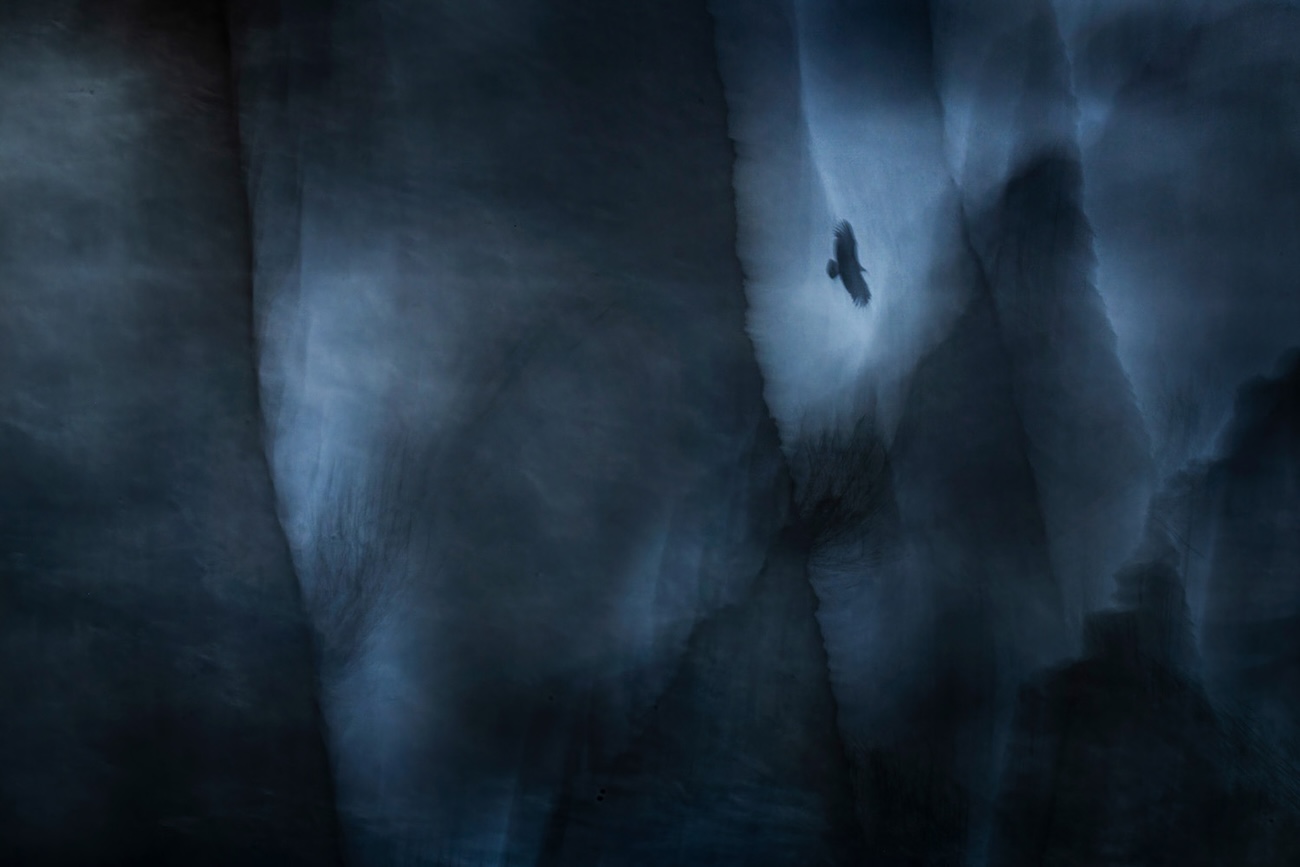
“Between the mountains” by Hermann Hirsch and Jan Leßmann (Germany). Winner, Nature’s Studio.
This photograph combines a 3.2-second exposure with two different focal lengths. The griffon vulture (Gyps fulvus) circling above a large breeding cliff was captured at 400mm; shading the front lens quickly after the shutter fired kept it sharp despite the long exposure. The camera was then swung onto the surrounding valley and exposed further at 100mm. The image has two authors: Jan Leßmann and Hermann Hirsch have spent recent years developing this technique together and have been transparent about the underlying creative process. Since both were present for this photograph and shared their knowledge freely in making it, both are credited.
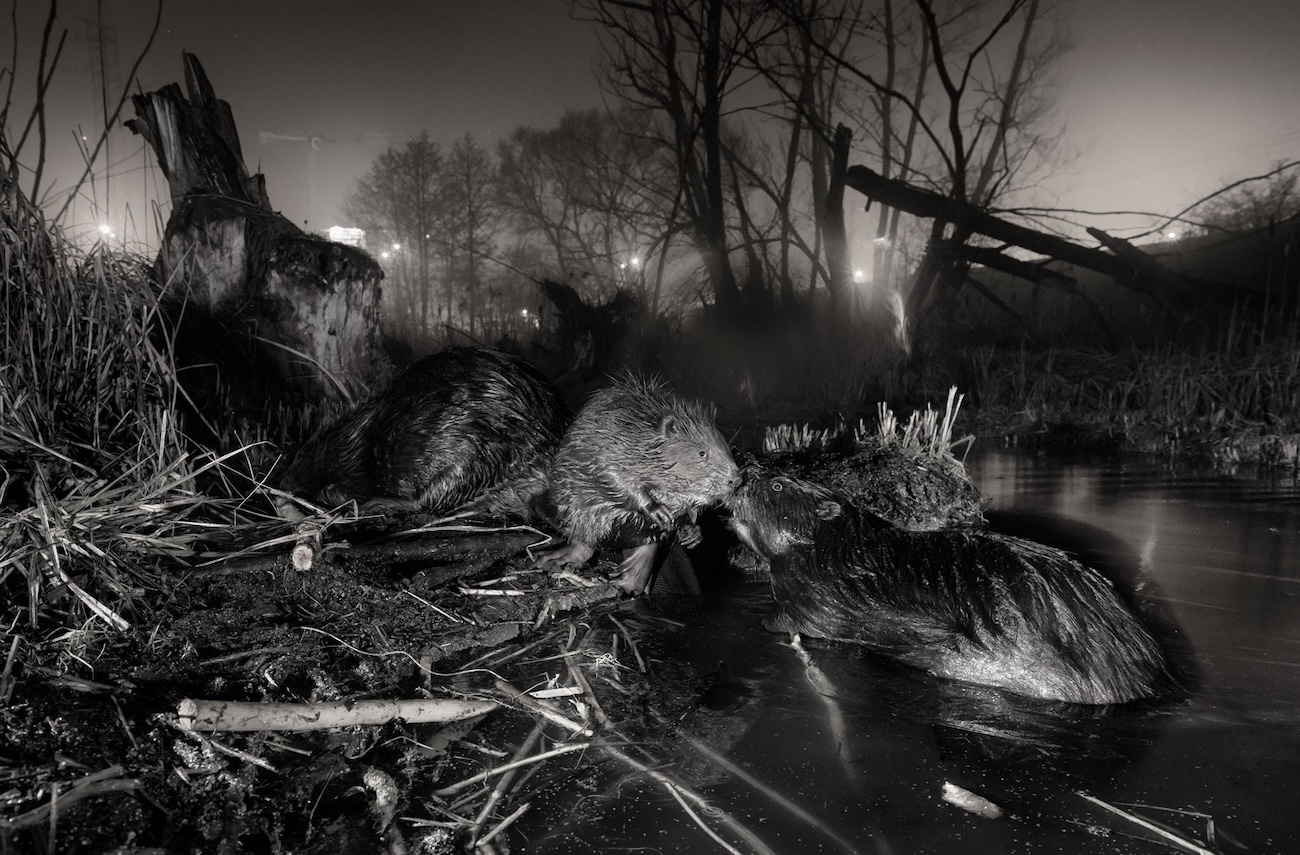
“Urban beavers” by Jan Wieczorek (Poland). Rewilding Europe Award.
For many years, beavers (Castor fiber) have inhabited one of the rivers flowing through Olsztyn, a major provincial capital in north-eastern Poland. Roads and railway bridge them in their territory, and new apartment blocks are being built close by. Thanks to the support of local residents and the city authorities, the beavers are thriving, nonetheless. The animals maintain their dams, help restore the water balance, boost biodiversity in the process, and accelerate the natural self-purification of the watercourse between the two large lakes, Krzywe and Kortowskie. Taken in 2025, this image shows a nocturnal gathering of beavers in the shallow waters of a wetland near the new building site.
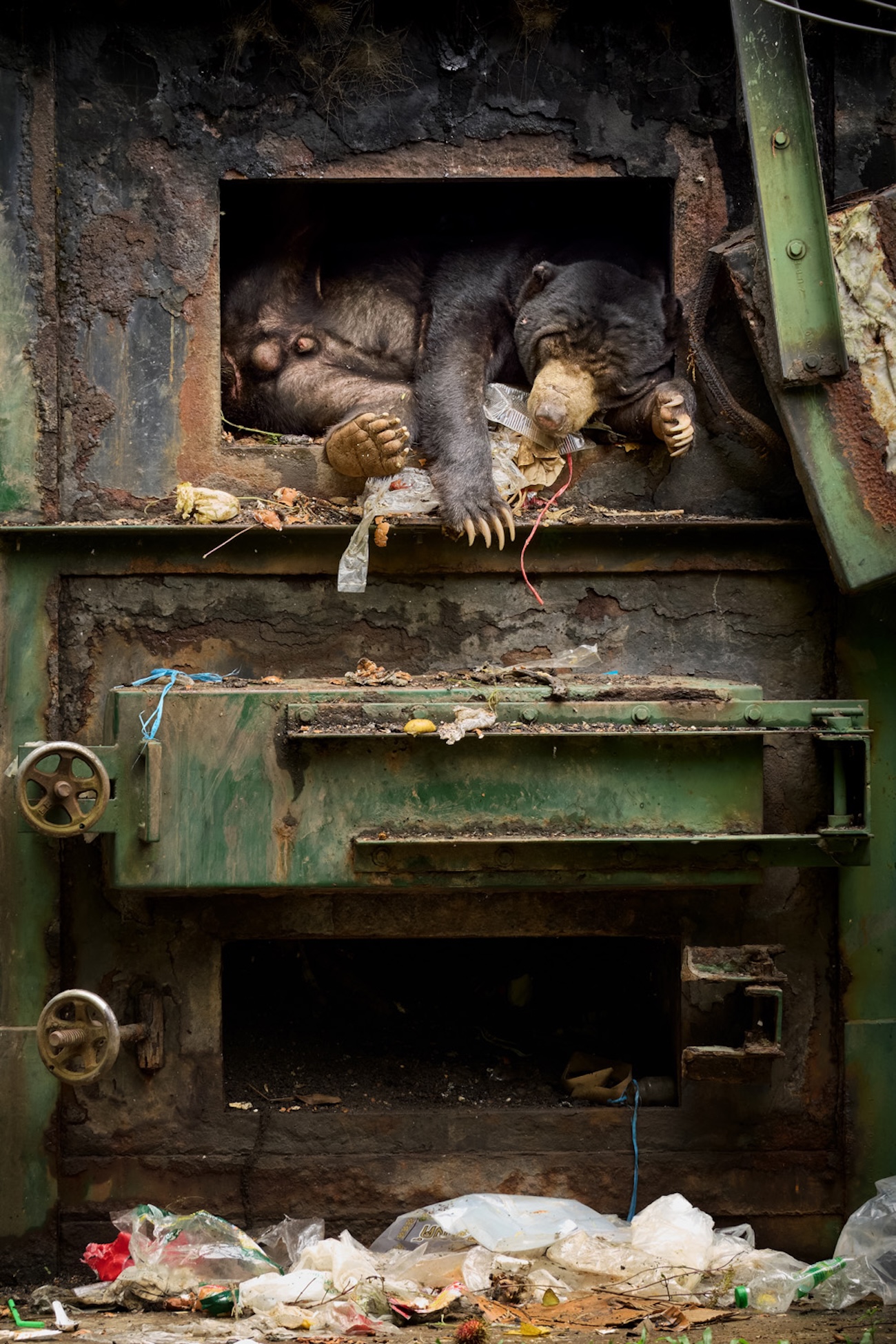
“Evolution” by Petr Bambousek (Czech Republic). Winner, Humans and Nature.
Traveling to Thailand, my hope was to see a Malayan sun bear (Helarctos malayanus) in the wild. I got my wish – though not quite the way I had imagined. A bear had taken to dropping by the visitor center at Kaeng Krachan National Park, wandering fearlessly behind the rangers' kitchen in search of food scraps. On this day, it climbed into the waste incinerator and fell asleep inside. And this despite having some 3,000 square kilometers of habitat at its disposal within the park—its behavior, in other words, had nothing to do with habitat loss or a degraded environment. What struck me was the contrast between this magnificent animal and one of humanity's uglier inventions. The irony was complete when I noticed the manufacturer's label: “Evolution.”