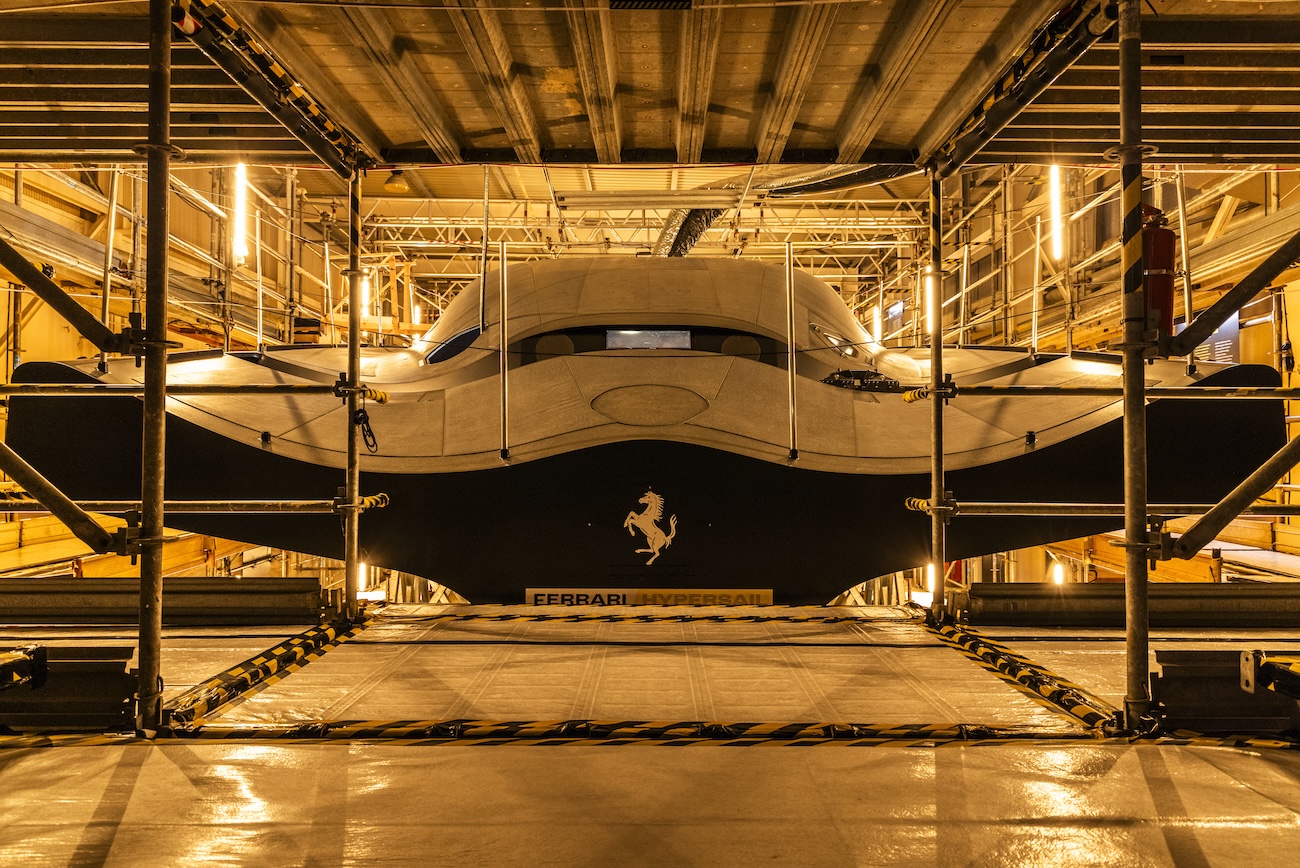
Ferrari is synonymous with fast cars, but the company is expanding its fleet by dipping its toe into ocean racing. Hypersail is part of Ferrari’s ambitious move into this form of professional competition, building on its automotive engineering expertise and the demands of high-performance team racing.
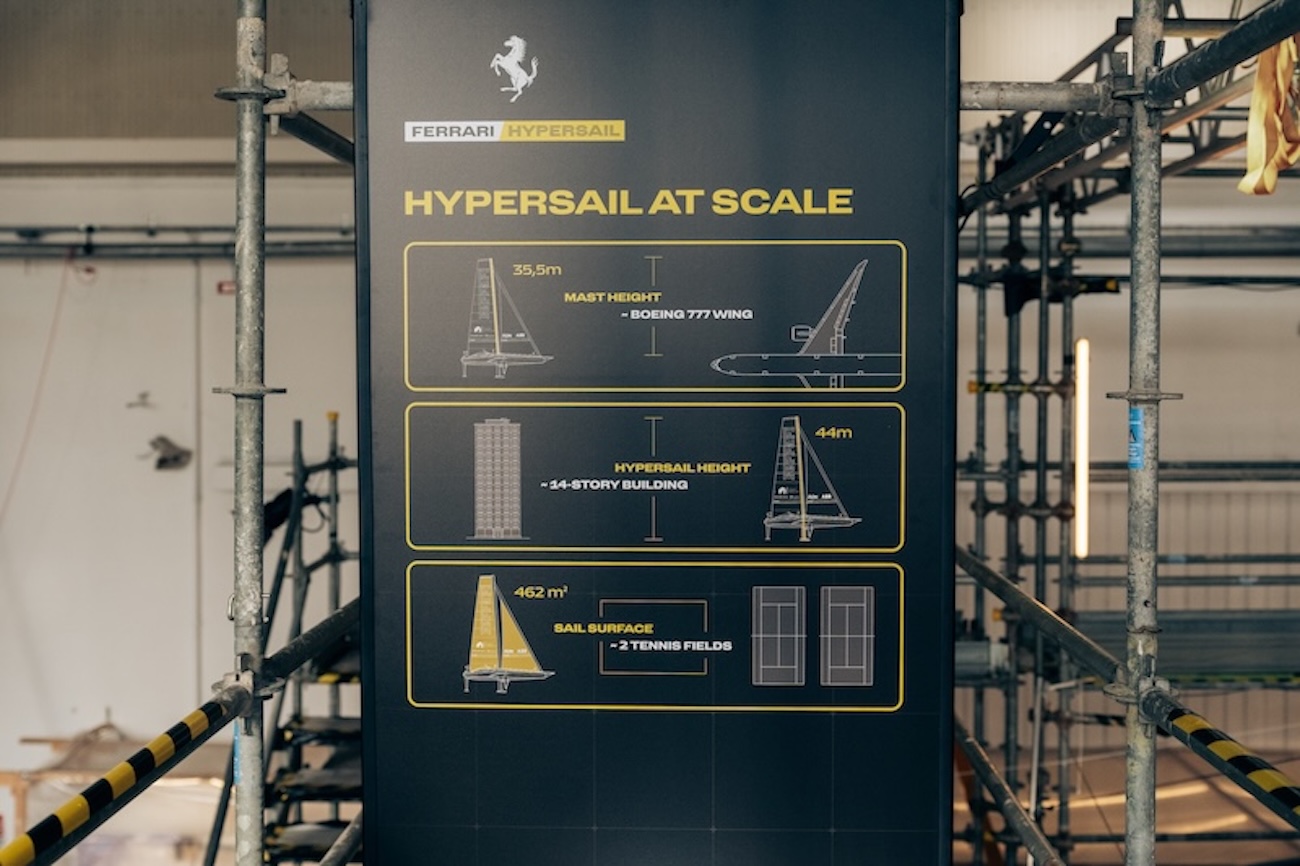
The Hypersail is a 100-foot flying ocean monohull, a sailing vessel with a single hull that’s the primary way it stays afloat. Moving a vessel this size above the water requires enormous lift, balance, and speed. Ferrari’s groundbreaking technology is designed to lift the giant vessel off the ocean surface. The team aims to break records and technological barriers. The project has generated 20 patents designed to solve problems involving energy generation, sail handling, aerodynamics, and controlling a 100-foot boat traveling above the water.
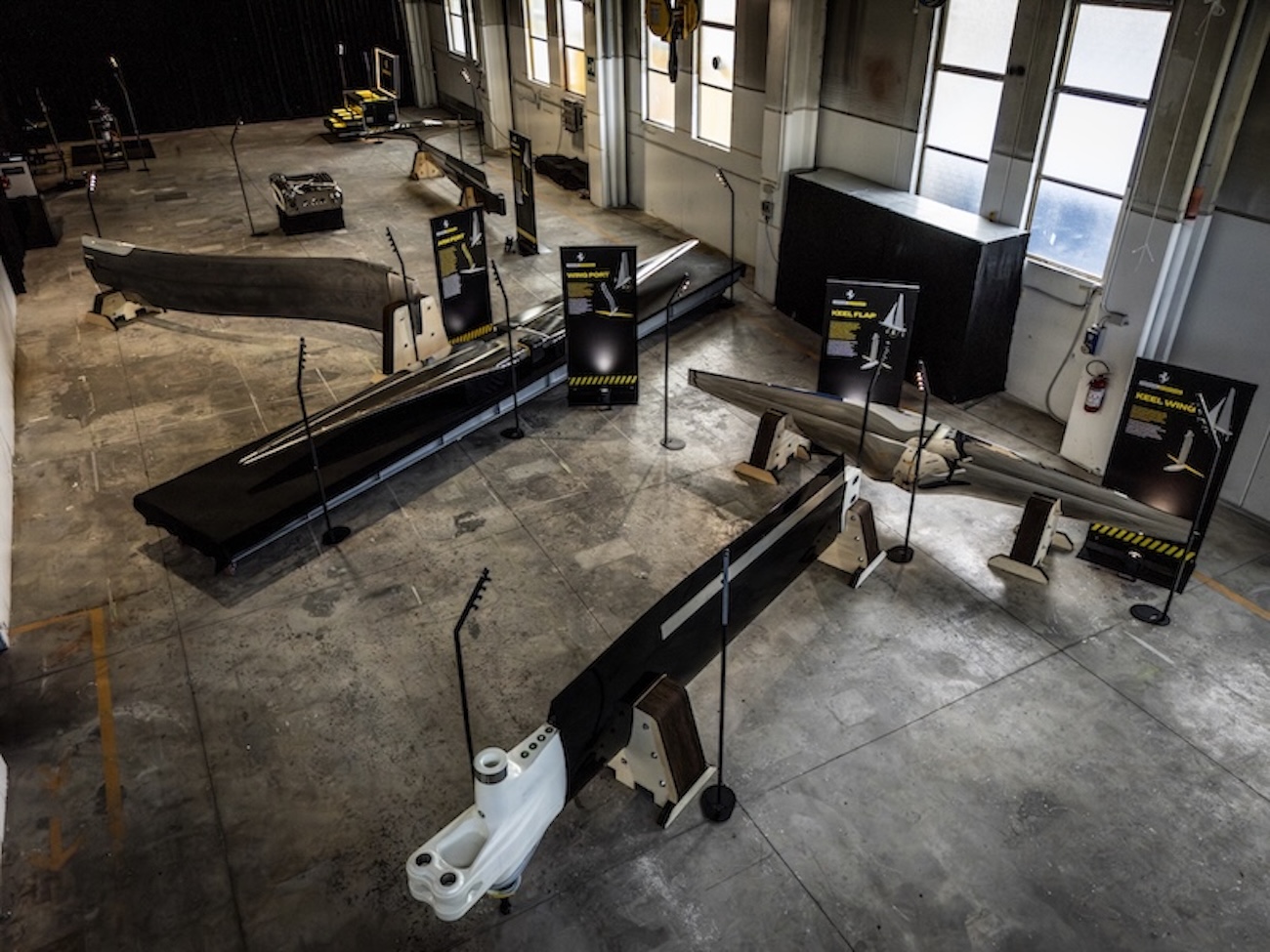
The secret behind Hypersail’s ability to rise above the waves lies in three underwater components: its foils, keel, and rudder. Together, these appendages generate lift, maintain balance, and respond to changing sea conditions. The foils act like underwater wings, producing the upward force needed to lift the hull out of the water and reduce drag. The keel incorporates an additional foil with a movable flap that helps manage flight and provides another point of support. Meanwhile, the rudder features a small movable wing that continuously adjusts the boat’s steering.
Hypersail’s flight control system draws on Ferrari’s automotive electronic systems and dynamic control expertise. It automatically analyzes environmental conditions like wind and waves, along with boat speed and heel angle or tilt, to keep the boat stable and balanced no matter the sea’s temperament. This also frees the crew to focus on reading the ocean, making strategic decisions, and finding ways to maximize performance.
Additionally, the racing yacht is designed for energy efficiency. It generates its own electricity using renewable energy sources, including solar panels and wind turbines, for greater self-sufficiency on long ocean voyages.
One of the project’s major long-term ambitions is to set offshore records, potentially including an attempt at the Jules Verne Trophy, the record for the fastest nonstop, unassisted circumnavigation of the globe. The first launch and sea trials are expected in 2027.
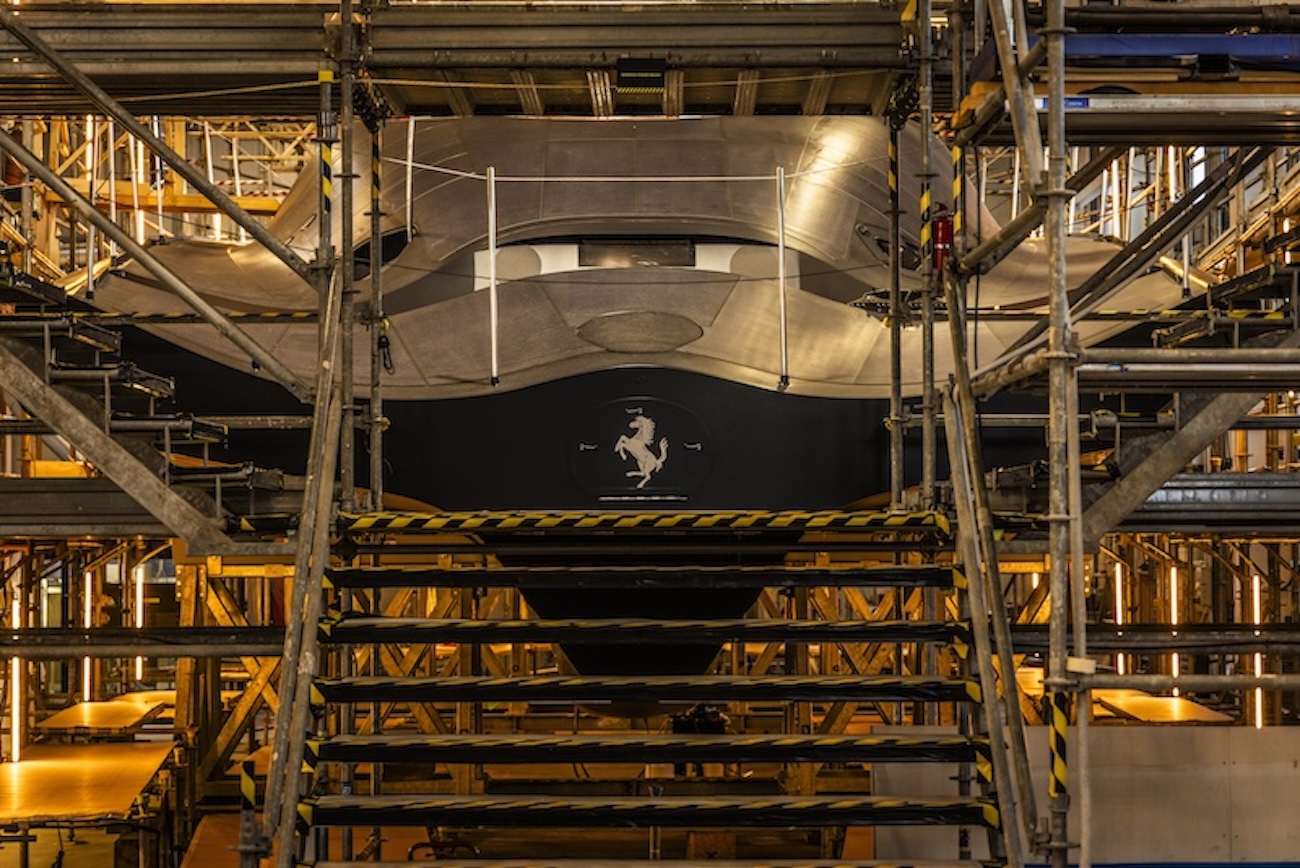
Ferrari’s new flying yacht is entering its final construction phase.
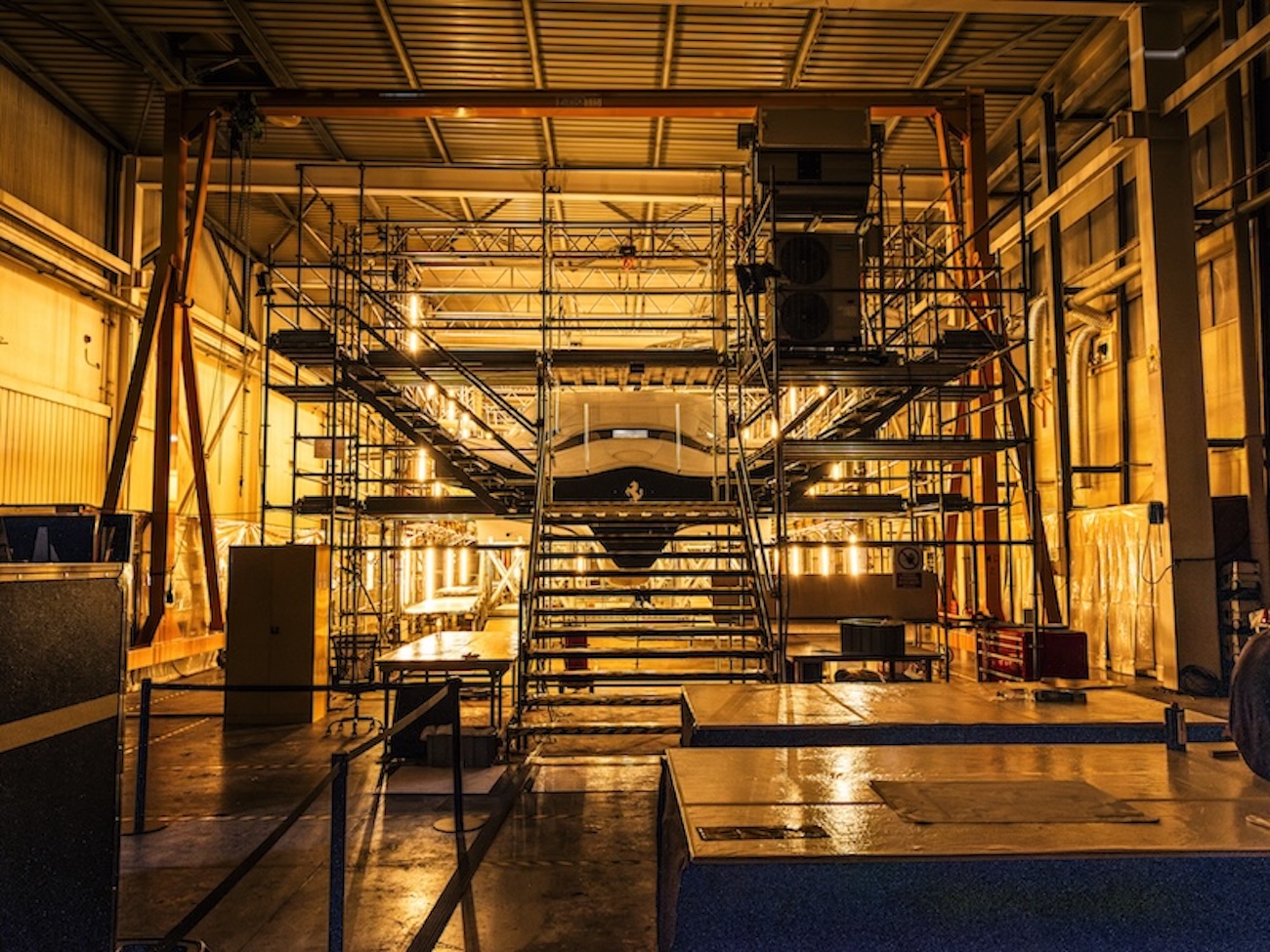
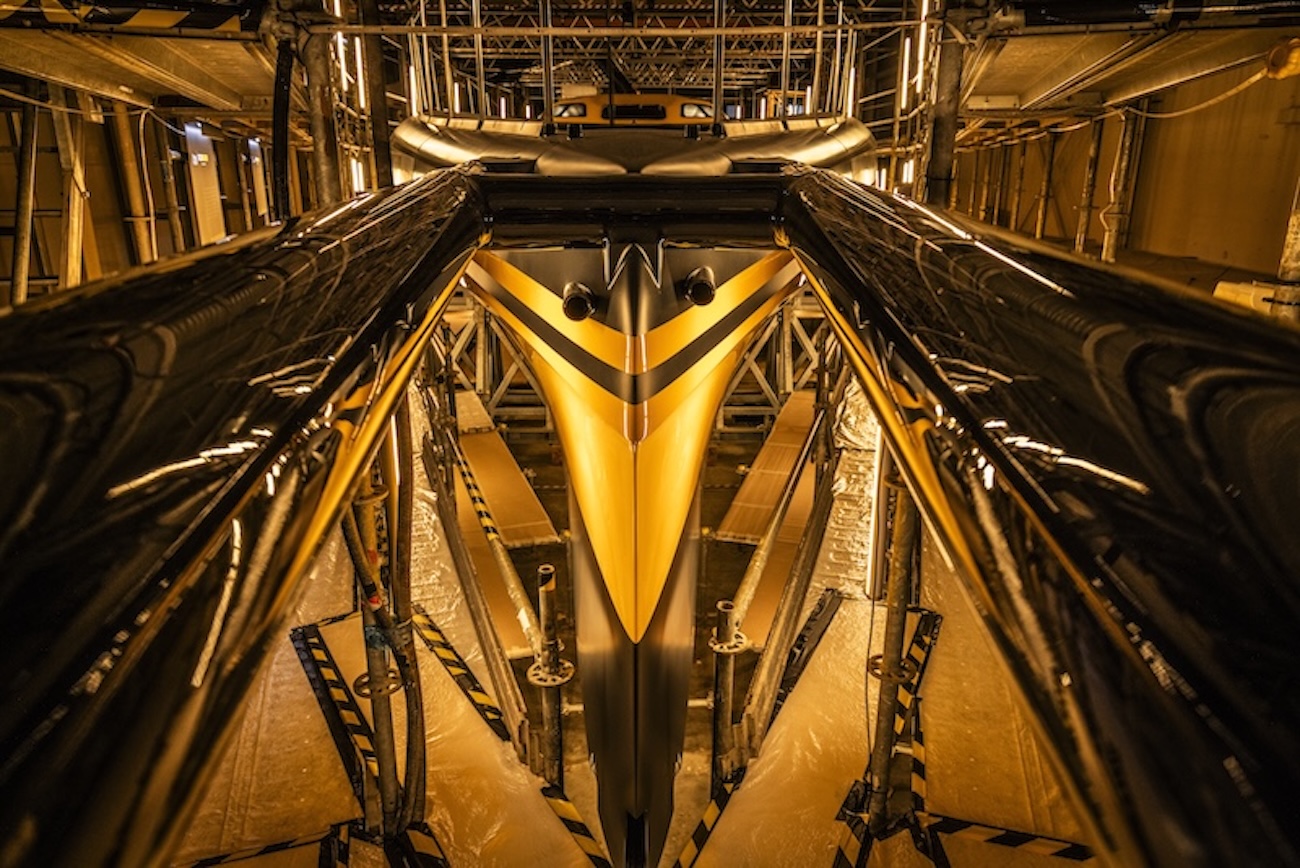
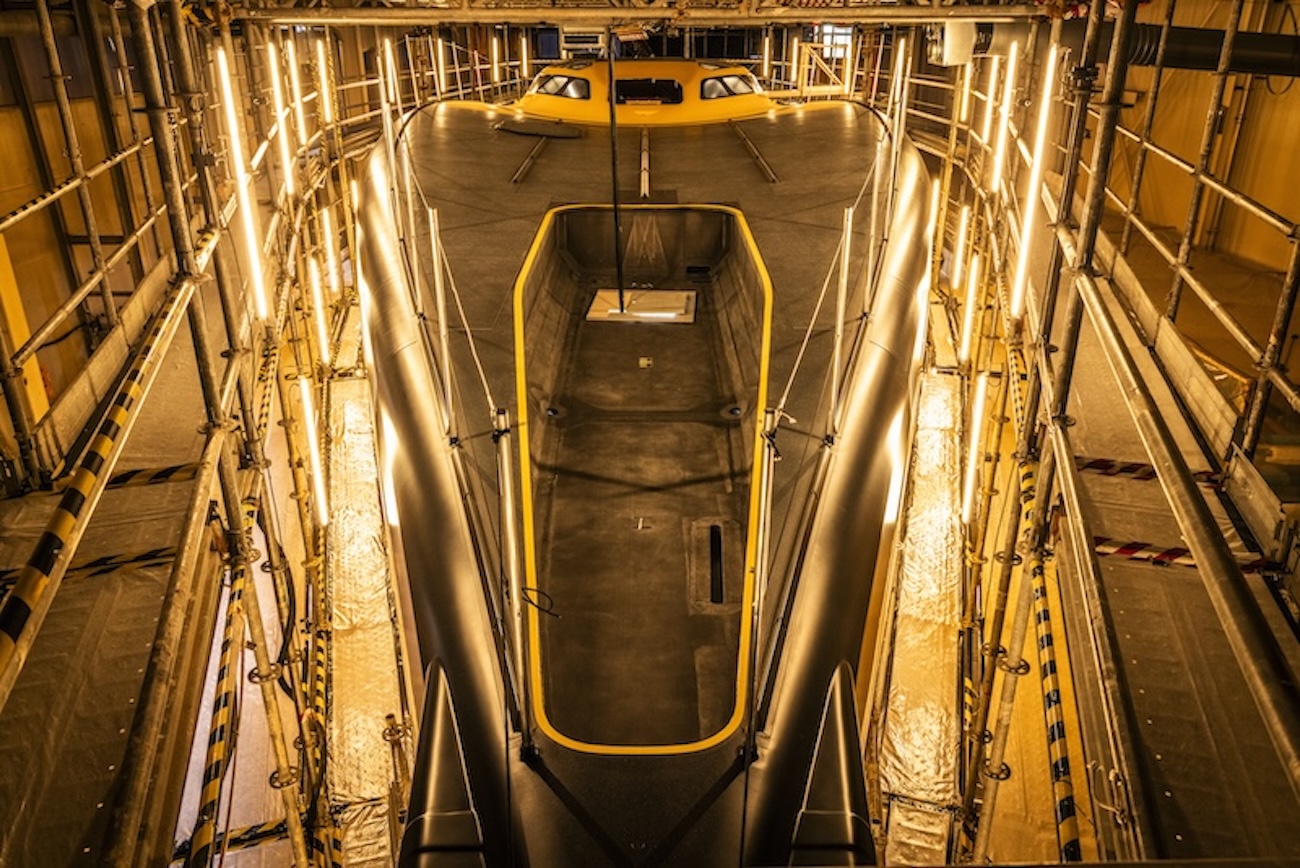
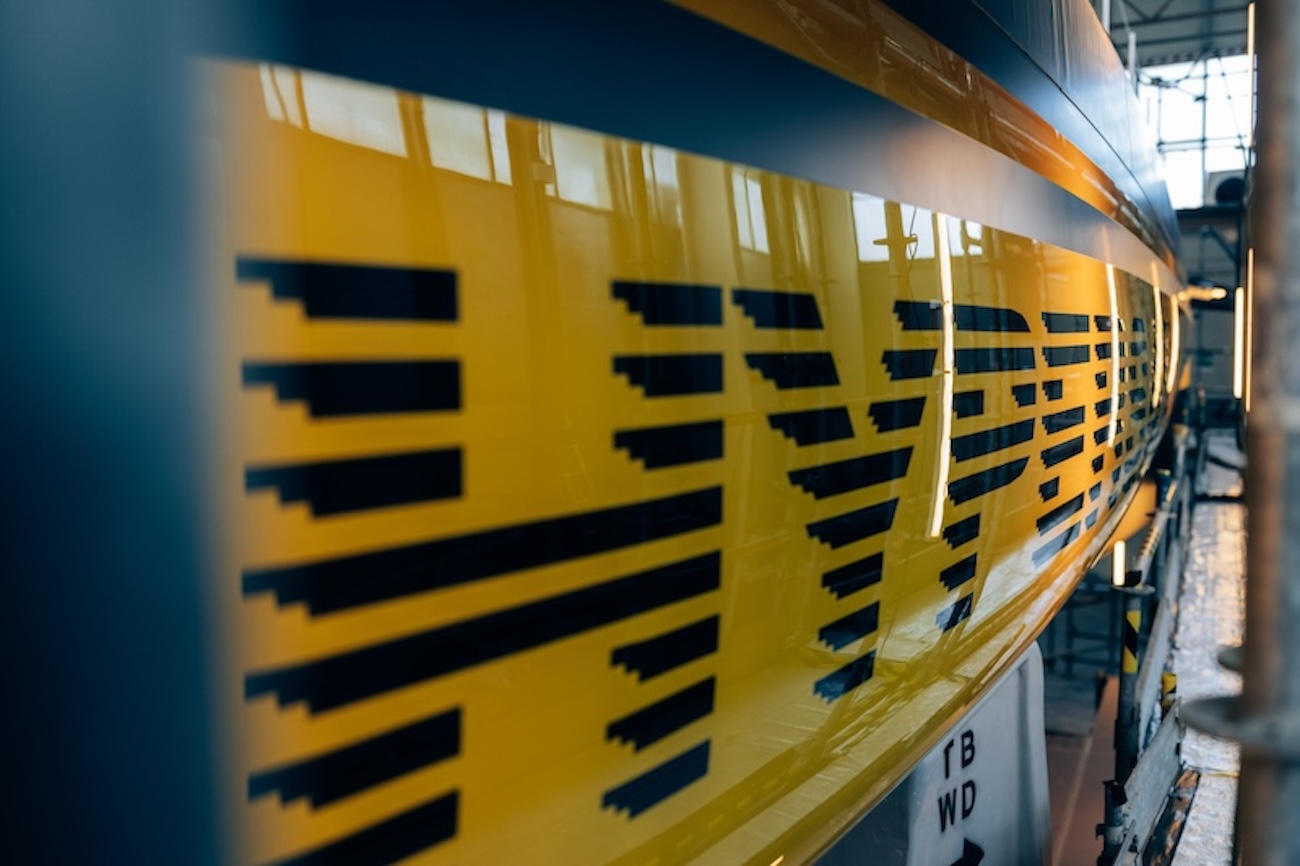
Hypersail was designed for energy efficiency and to fly above the water, controlled by an automated flight control system.