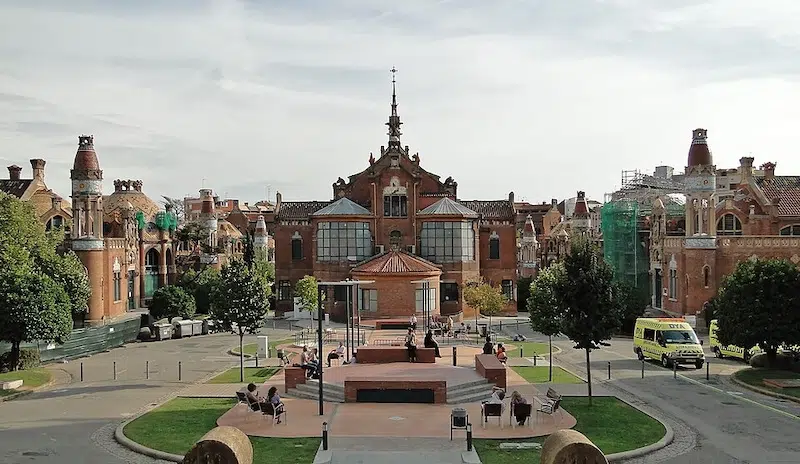
When you think of Barcelona’s most famous architecture, Antoni Gaudí’s colorful mosaics and soaring basilicas probably come to mind. But the world’s largest Art Nouveau complex was actually designed by his teacher, Lluís Domènech i Montaner. The Catalan architect believed that architecture itself could help people heal, so he created the stunning Hospital Sant Pau to replace the overcrowded medieval Hospital de la Santa Creu.
Rather than designing a cold, clinical hospital, Domènech i Montaner created a “city within a city.” Patients were surrounded by gardens, sunshine, and fresh air, with nearly 30 colorful pavilions. At a time when hospitals were often dark and overcrowded, this optimistic design was revolutionary, reflecting a growing belief that beautiful surroundings could improve both physical and mental well-being.
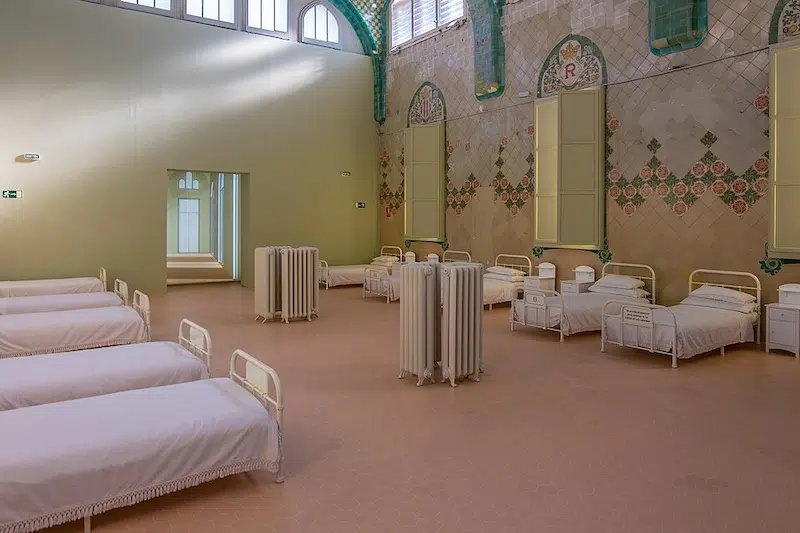
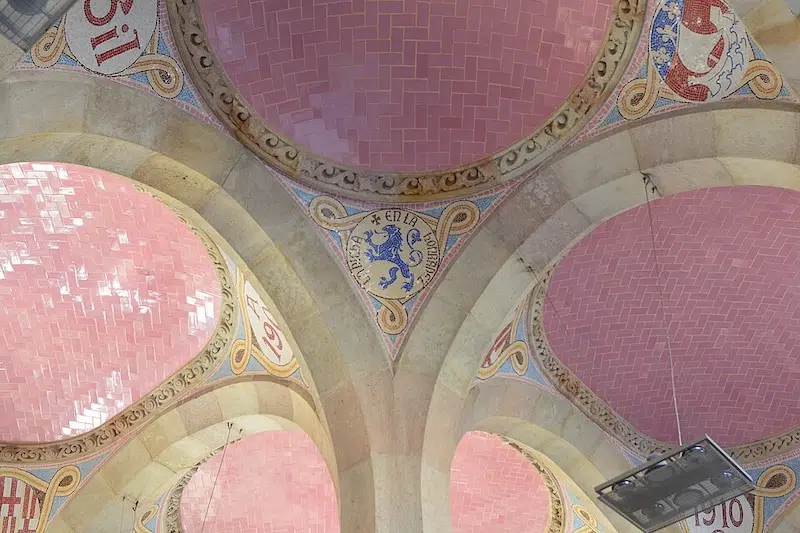
Each pavilion was oriented to make the most of natural sunlight, and decorative, ceramic-clad surfaces helped keep the hospital clean and hygienic. Floral mosaics, vaulted ceilings, and carved details transformed the wards into beautiful, welcoming spaces, while stone carvings of saints and angels appear across the complex.
With their pastel colors, symmetrical arches, and whimsical details, many of the rooms look as though they’ve been lifted straight from a Wes Anderson film. Patients were even invited to relax in sunrooms and gardens filled with lavender, rosemary, and orange trees. And underground passageways allowed patients to be transported quickly and discreetly to the surrounding wards.
At the far end of the complex is the monastery pavilion, designed by Pere Domènech, the son of Domènech i Montaner. Connected by covered walkways, it housed many of the hospital’s essential services, including the kitchen, pharmacy, and living quarters for the nuns who cared for patients.
Work on the hospital began in 1902, but Domènech i Montaner never saw his masterpiece completed; he died in 1923. After serving as a working hospital for nearly 80 years, medical care moved to a modern facility next to the historic complex in 2009. In 1997, the clinic complex was declared a World Heritage Site by UNESCO due to its “architectural uniqueness and artistic beauty.”
The original Art Nouveau pavilions have since been restored and are now open to visitors, offering a glimpse inside one of the most stunning surviving examples of Catalan Modernisme.
Catalan architect Lluís Domènech i Montaner believed that architecture and nature could help people heal, so he created the stunning Hospital Sant Pau.
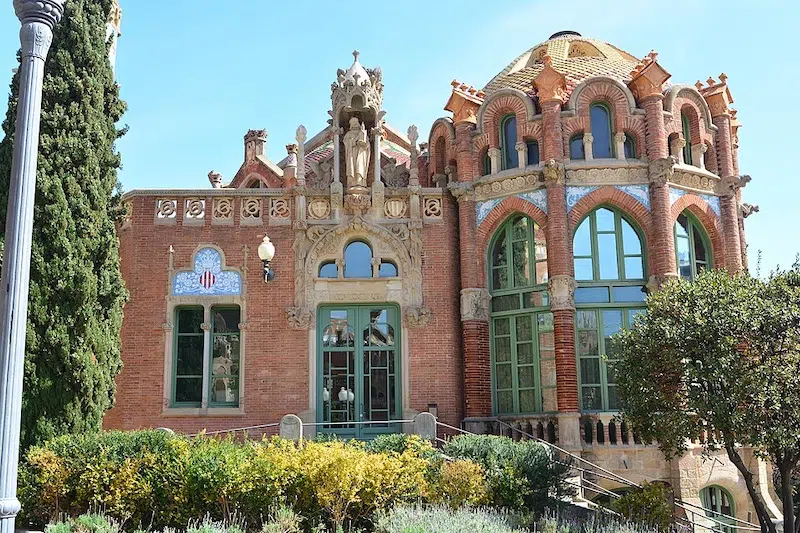
Patients were surrounded by gardens, sunshine, and fresh air, with nearly 30 colorful pavilions.
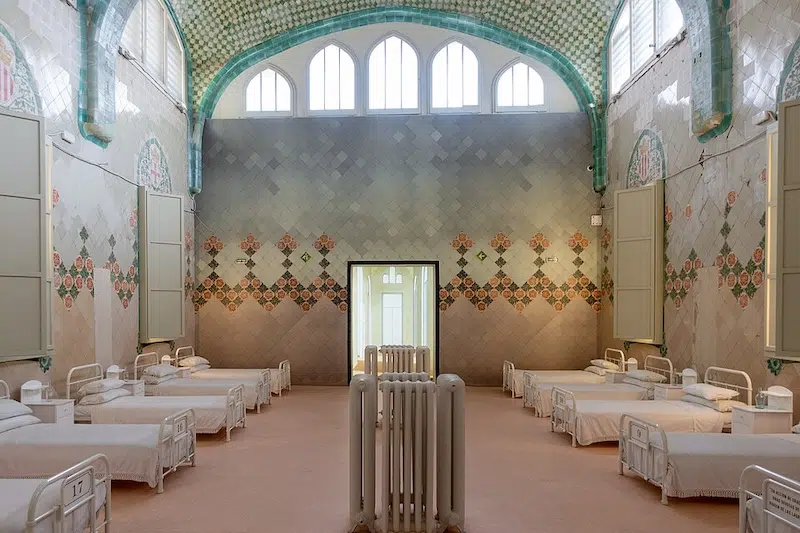
Floral mosaics, vaulted ceilings, and carved details transformed the wards into beautiful, welcoming spaces, while stone carvings of saints and angels appear across the complex.
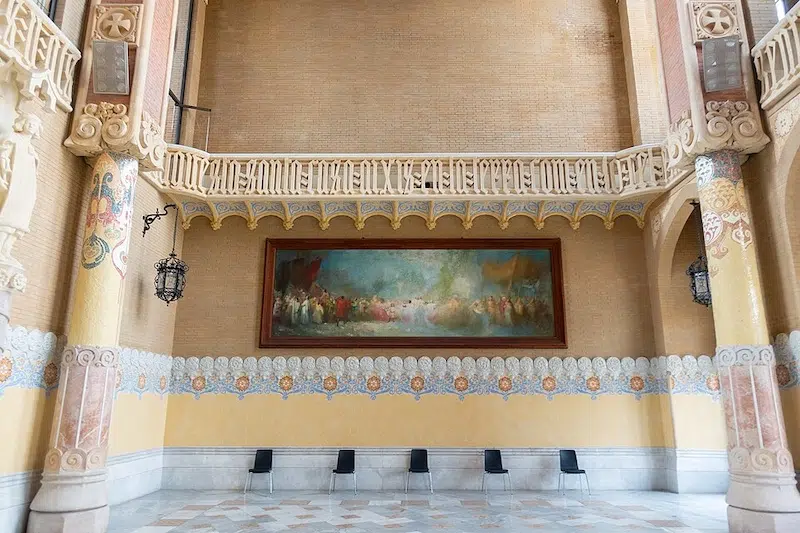
Patients were even invited to relax in sunrooms and gardens filled with lavender, rosemary, and orange trees.
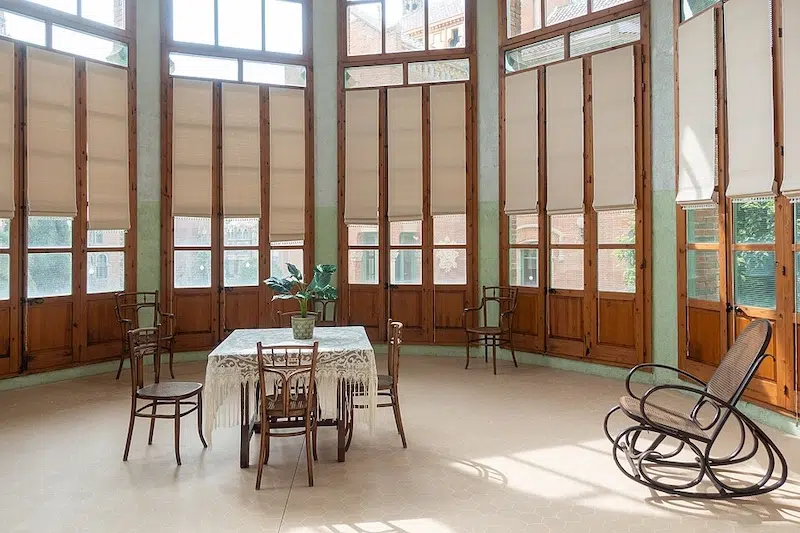
The optimistic design was revolutionary at the time, reflecting a growing belief that beautiful surroundings could improve both physical and mental well-being.
View this post on Instagram
View this post on Instagram
In 1997, the clinic complex was declared a World Heritage Site by UNESCO due to its “architectural uniqueness and artistic beauty.”
Hospital Sant Pau: Website | Facebook | Instagram
Source: Experience this masterpiece of modernisme – a hospital to feel good
Related Articles:
Casa Milà: Antoni Gaudí’s Residential Building in Barcelona That Became a Modernist Masterpiece
Gaudí’s Unfinished Masterpiece ‘La Sagrada Família‘ Is Nearing Completion
12 Facts You Need to Know About Gaudí’s Sagrada Familia, Barcelona’s Most Visited Attraction
New Study Says That Going to Art Galleries Can Improve Your Health and Wellness