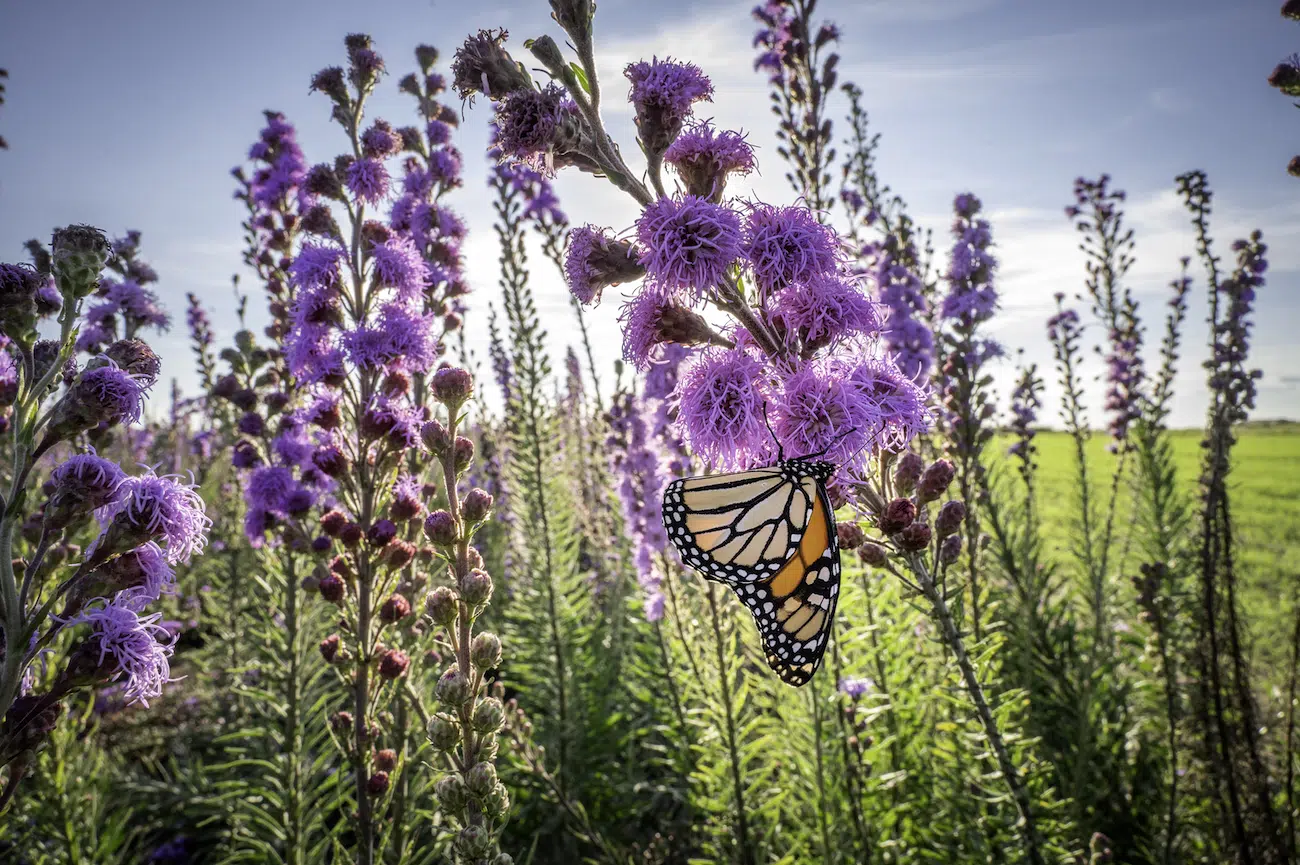
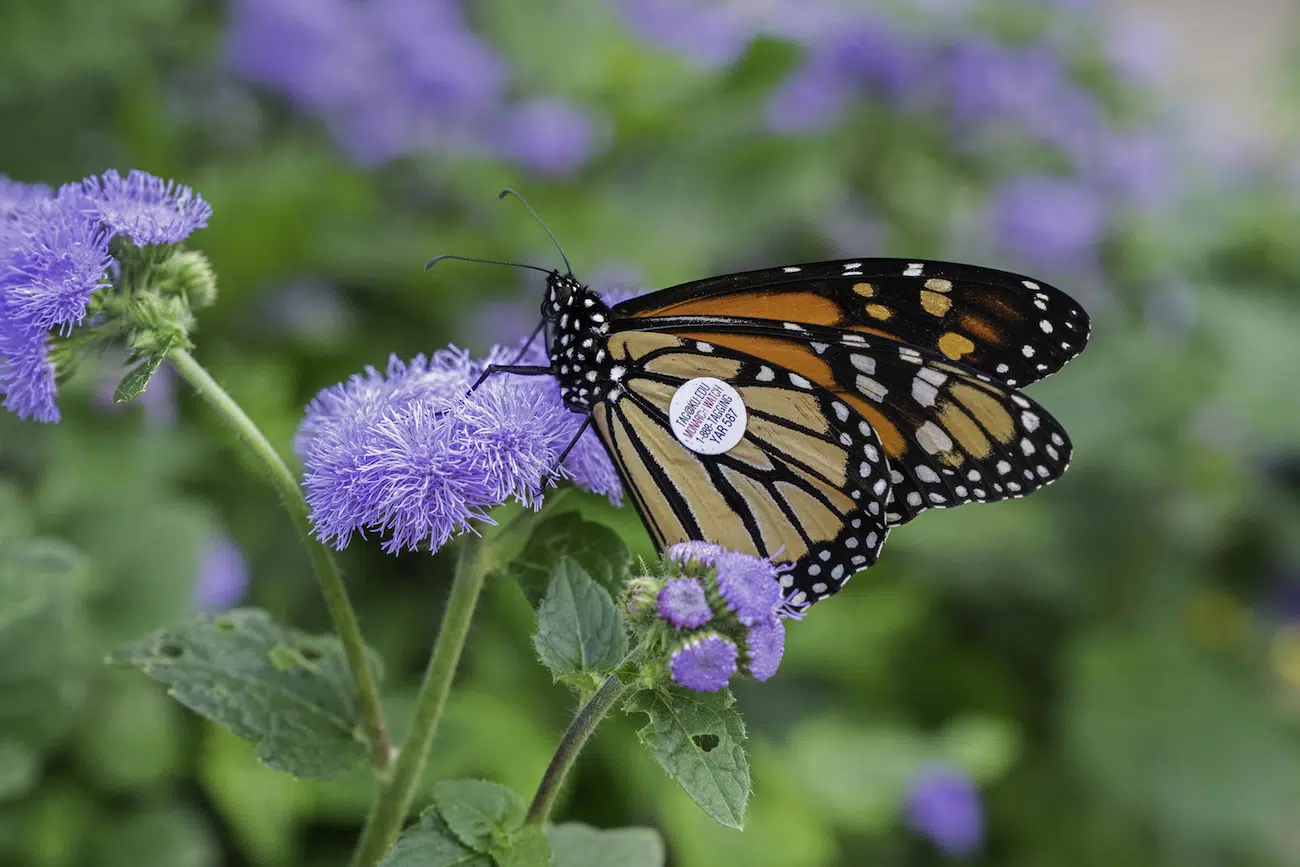
A Monarch Butterfly feeds from a Blazing Star (Liatris sp.) on a farm in Foley, Minnesota, that specializes in growing and distributing native plants from the prairies. Liatris are important for the monarchs because they bloom in late summer, providing them with an extra food source right before their fall migration.
The monarch butterfly is beloved for its striking orange and black wings. Now, the creature, regularly found in gardens, is receiving the spotlight it well deserves. A large-format coffee table book published by National Geographic features over 140 images captured by photographer Jaime Rojo. Aptly titled Monarchs, the book not only visually explores the iconic butterfly, but also the significance of its fight for survival and unique migration patterns.
Rojo has spent 20 years in service of the monarch butterfly, following its extraordinary migration across North America. His journey took him from the Mexican forests where millions of monarchs spend the winter to the American heartland, where he witnessed the diminishing presence of milkweed, the only food source for monarch caterpillars.
The resulting photographs capture the butterfly at every stage of its life cycle and across dramatically different landscapes. Together, they reveal both the beauty and fragility of a species capable of completing an annual round-trip migration spanning thousands of miles.
But Monarchs isn’t only about the butterflies themselves. Rojo also turns his camera toward the people who have formed deep connections with them. In Michoacán, Mexico, residents incorporate monarch imagery into Day of the Dead celebrations, which coincide with the butterflies’ arrival in the region. Elsewhere along the migration route, scientists study the insects using new technologies, while volunteers across the United States and Canada plant pollinator gardens and raise, tag, and release monarchs.
These communities are part of the larger conservation story at the heart of the book. Habitat loss and changes to the monarch’s environment threaten the delicate conditions necessary for its remarkable journey. By documenting both these challenges and the people working to address them, Rojo’s photographs become more than records of the natural world. They are also a way of advocating for its protection.
Rojo has long held a passion for conservation and large-landscape connectivity, and photography has become one of his primary tools for advocating for wildlife. As a National Geographic Explorer with a background in environmental sciences, he focuses his work on conservation stories involving wilderness, wildlife, and the people connected to them.
His dedication to monarchs has already produced some extraordinary images. For nearly two decades, Rojo has followed the butterflies across North America, enduring the cold alongside massive colonies overwintering on oyamel trees in Mexico and following their journey north through states including Texas, Oklahoma, Kansas, Iowa, and Minnesota.
With Monarchs, those years of work come together in 256 pages. The book, which features a foreword by Pulitzer Prize-winning author Elizabeth Kolbert, presents the monarch’s migration not simply as a natural spectacle, but as an interconnected story of wildlife, habitat, science, culture, and conservation.
Through more than 140 photographs, Rojo invites readers to experience the monarch at a scale that can be difficult to comprehend—from the delicate details of a single butterfly to the breathtaking sight of millions filling the forests of Mexico.
Monarchs is now available via Bookshop and Amazon.
Photographer Jaime Rojo’s new photography book, Monarchs, celebrates the iconic butterfly in over 140 extraordinary photos.
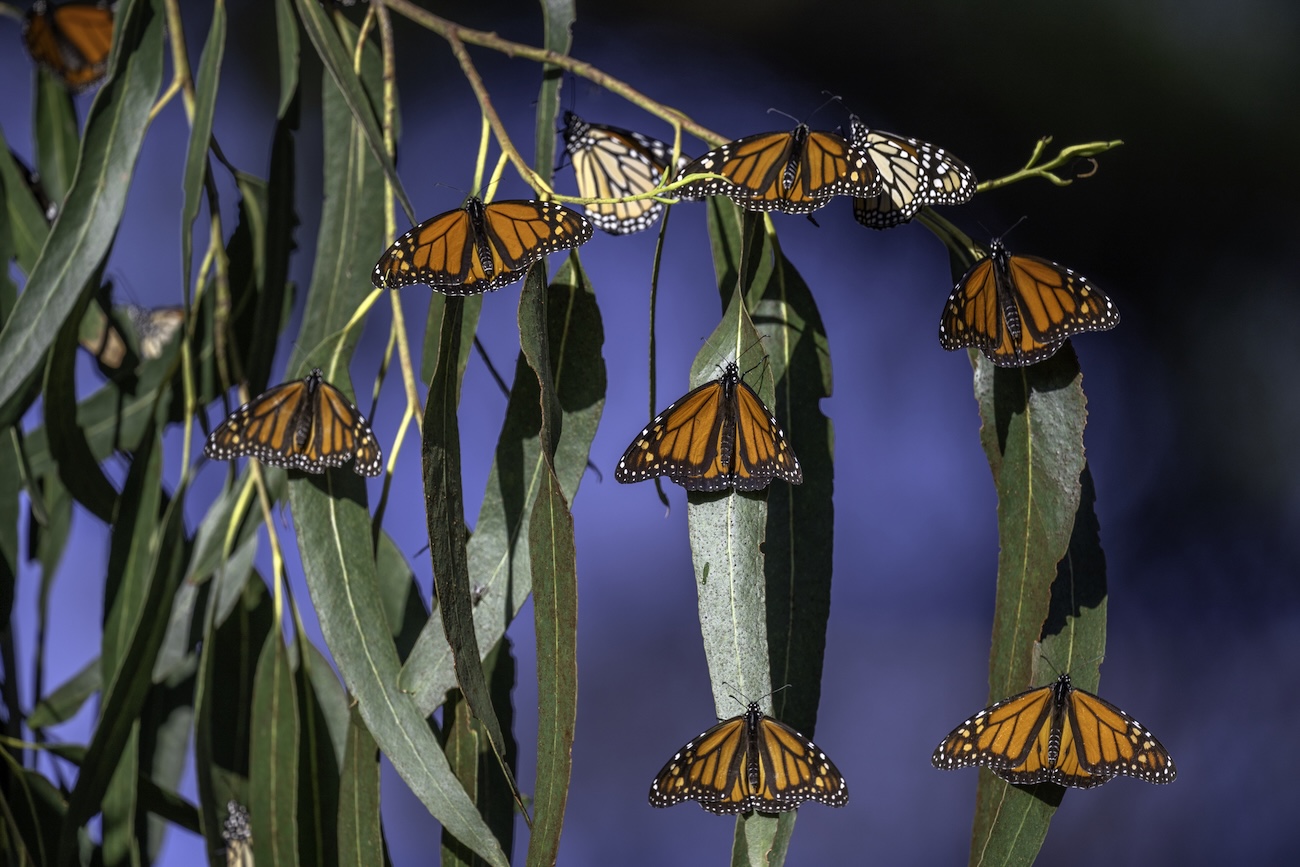
Monarch butterflies cluster on eucalyptus branches at Lighthouse Field State Beach in Santa Cruz, California. Although eucalyptus is not native to the West Coast, these groves now provide much of the remaining winter habitat for the western population, offering the cool, sheltered conditions the butterflies need to conserve energy through the season. As coastal roost trees decline, sites like this have become increasingly important for the species’ survival.
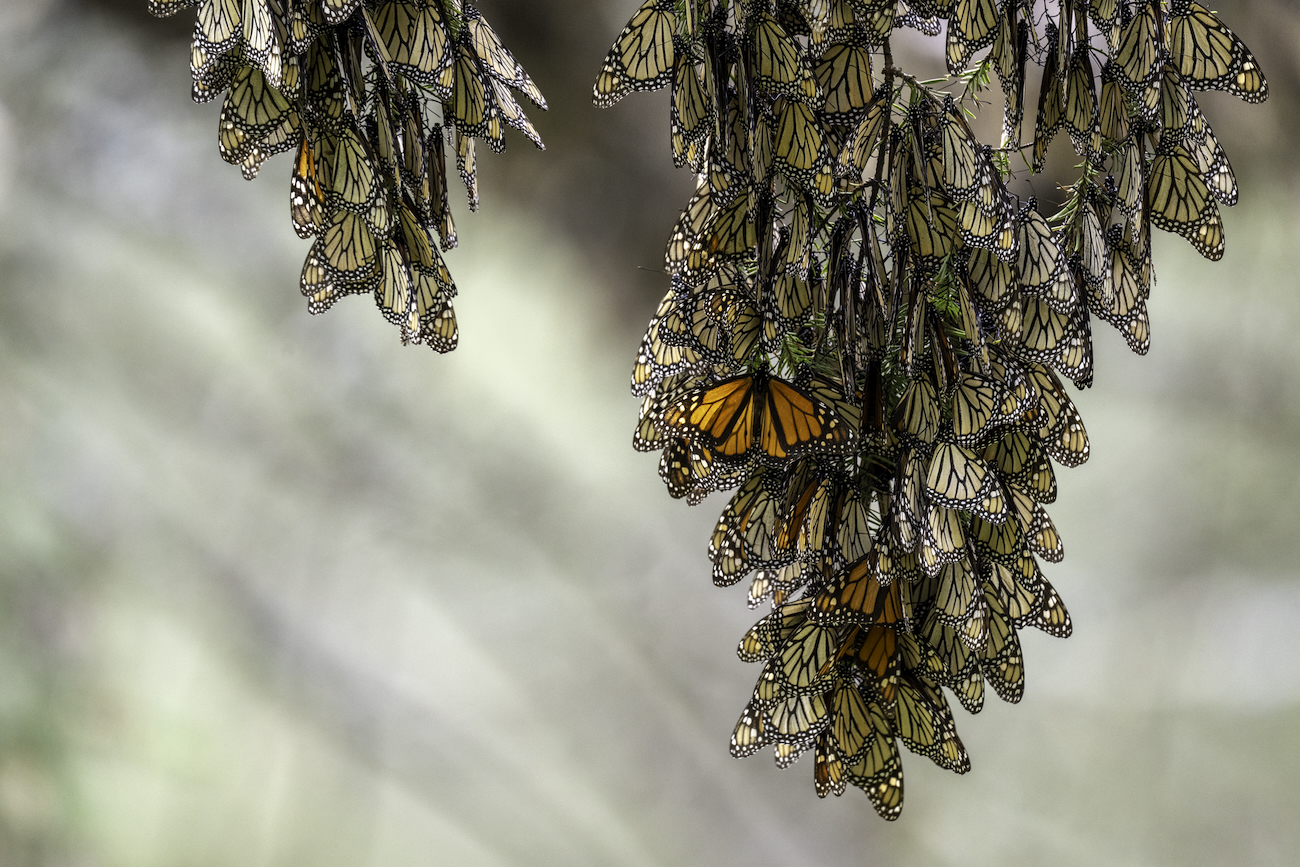
Oyamel fir branches covered in Monarch Butterflies. Santuario El Rosario. Monarch Butterfly Biosphere Reserve. Michoacan, Mexico.
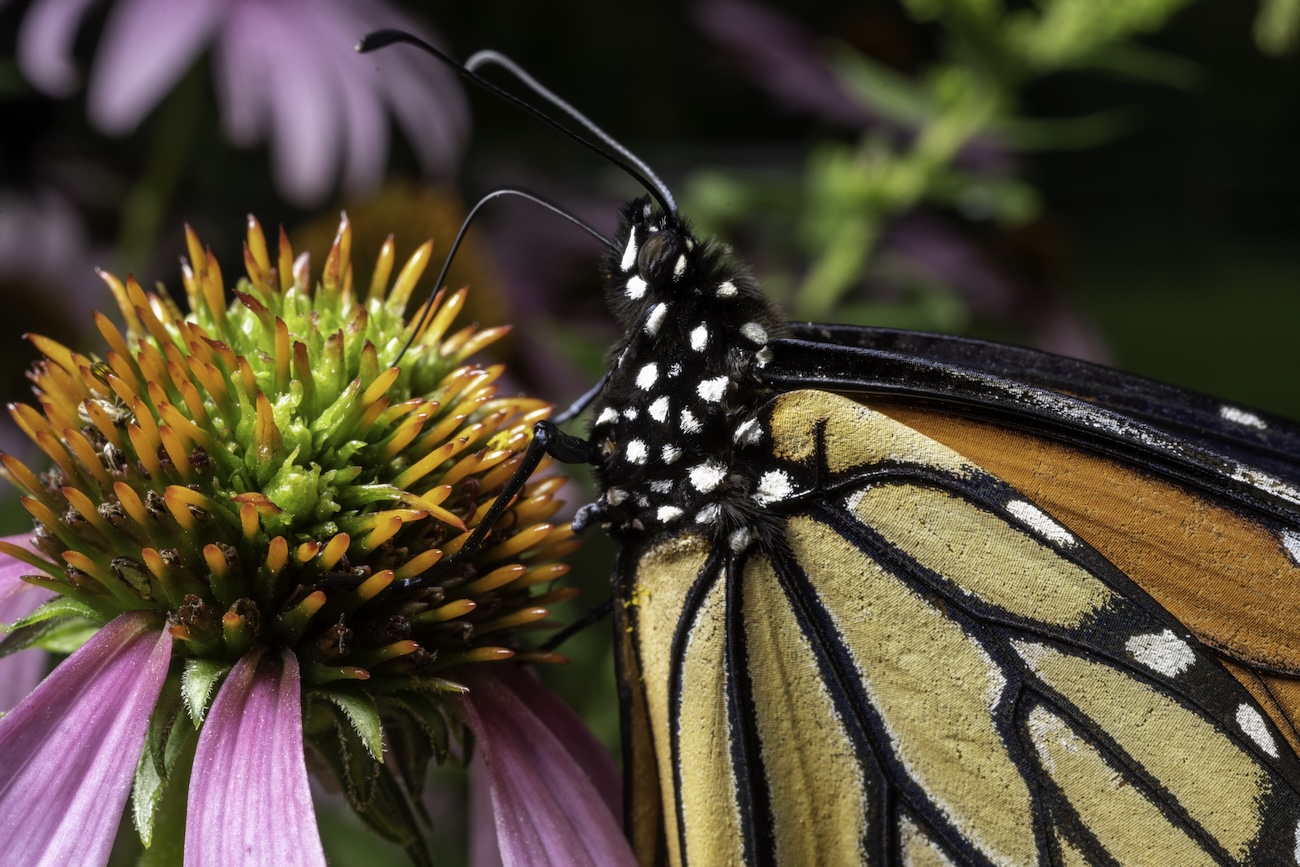
Monarch Butterfly feeding on Purple Coneflowers (Echinacea sp.)
Prairie Oaks Center
Belle Plaine, MN. United States.

A migratory monarchs rests in Lurie Gardens, part of Chicago’s Millenium Park.
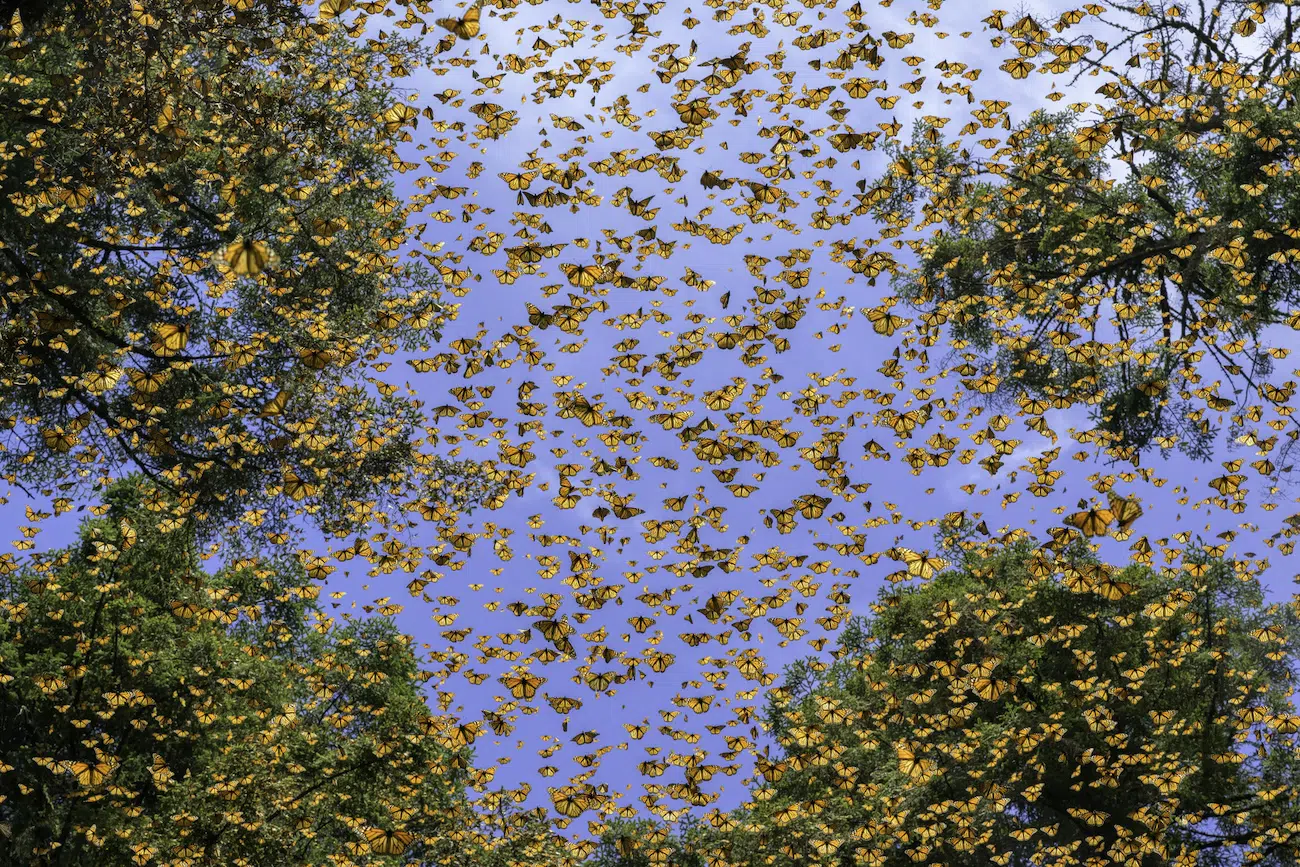
Butterflies stream through the trees in El Rosario, a sanctuary within the Monarch Butterfly Biosphere Reserve in Michoacán, Mexico. Migrating monarchs winter in the same oyamel fir groves that sheltered earlier generations.
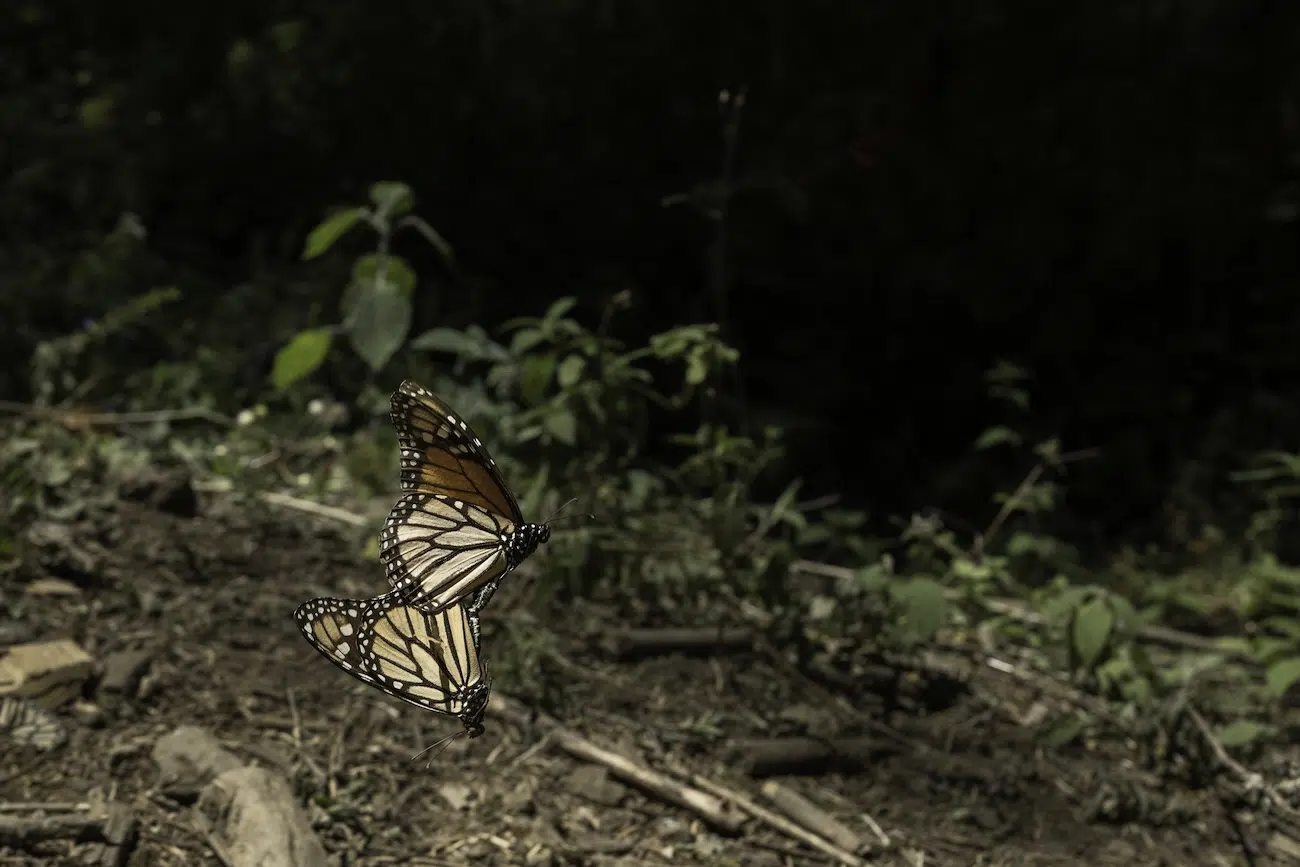
Aerial mating of Monarch Butterflies. The male grabs the female and drags her to a spot where they will mate until the next morning. Santuario El Rosario. Monarch Butterfly Biosphere Reserve. Michoacan, Mexico.
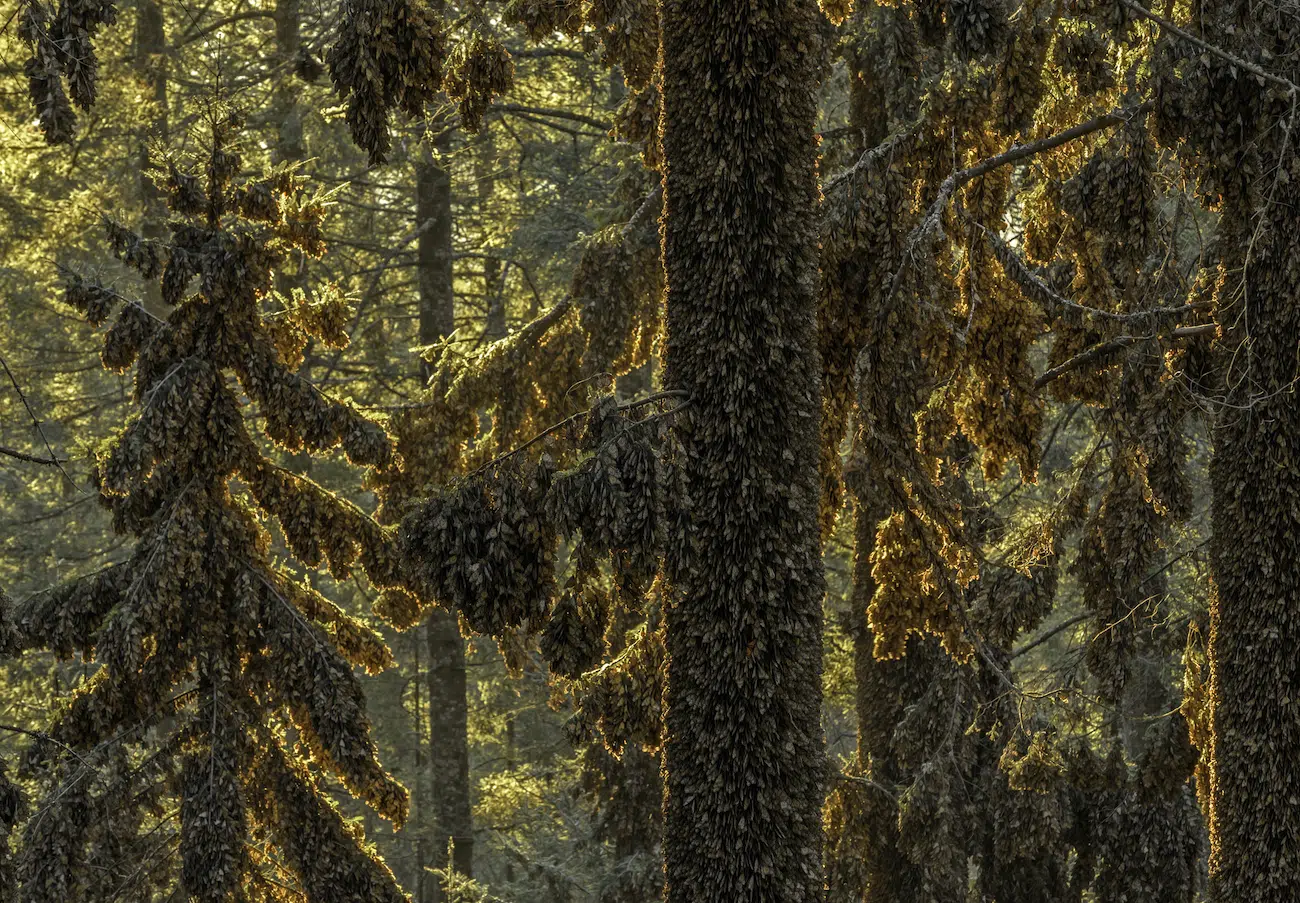
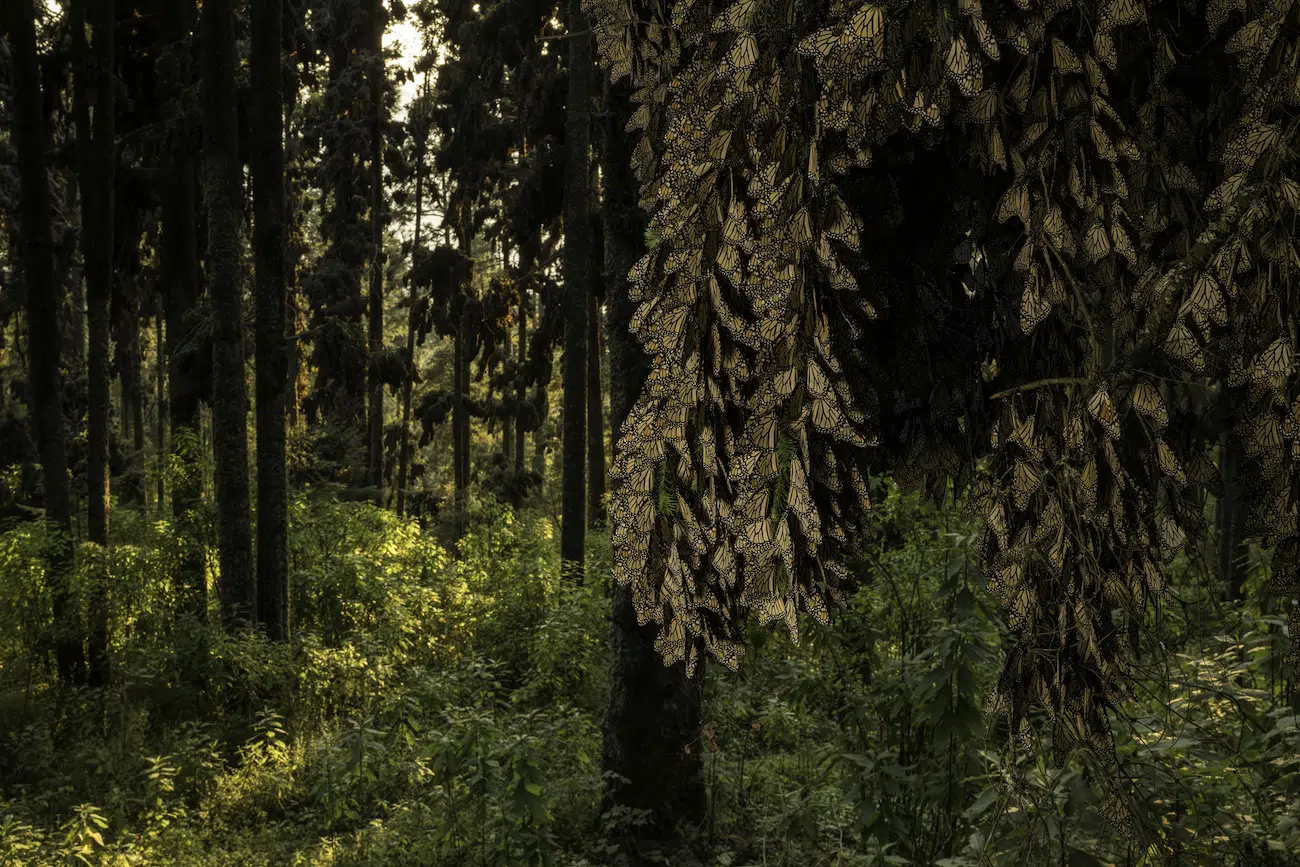
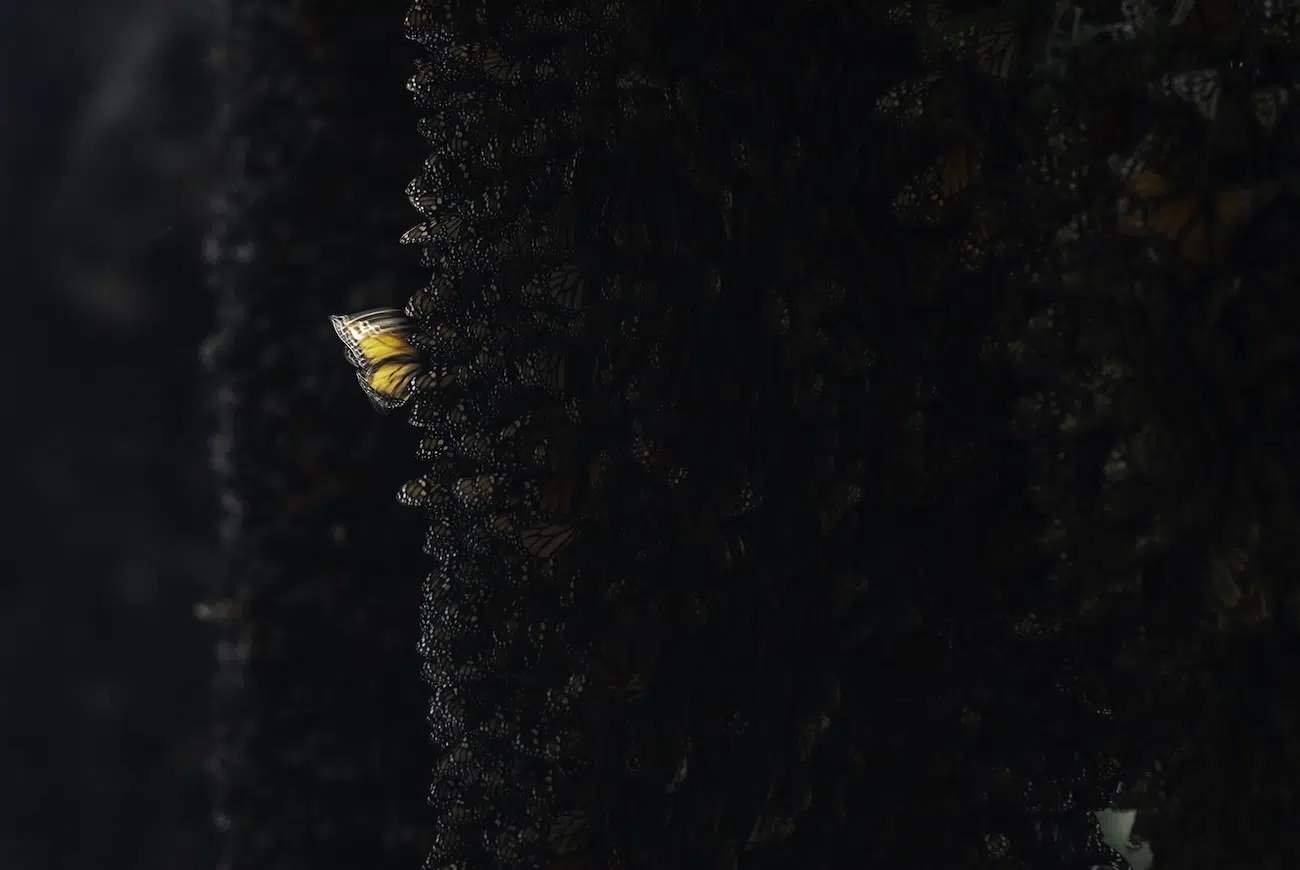
Monarch Butterflies at their wintering colony in El Rosario Sanctuary. Monarch Butterfly Biosphere Reserve. Michoacan, Mexico.
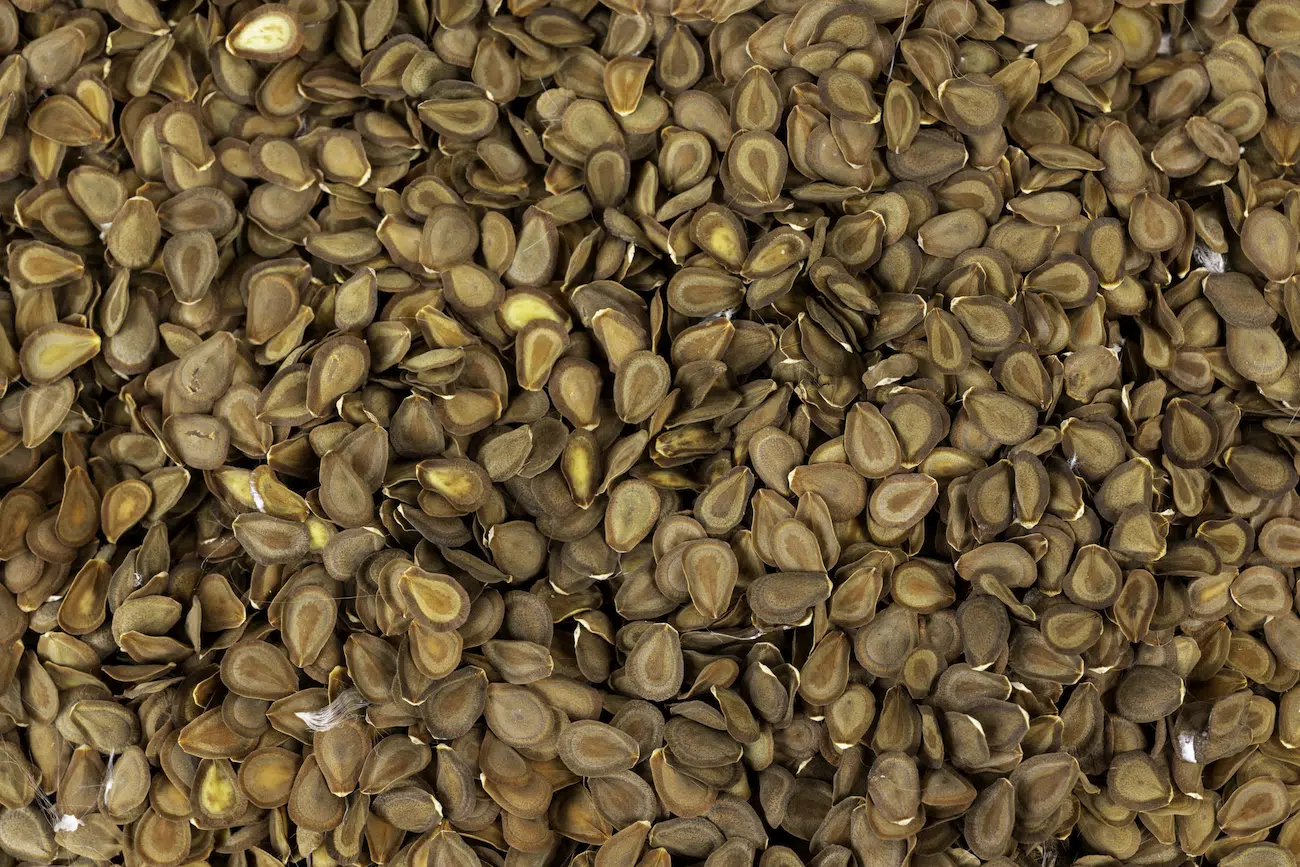
Milkweed seed storage at Monarch Watch office in Lawrence, KS. United States.
The book, presents the monarch’s migration not simply as a natural spectacle, but as an interconnected story of wildlife, habitat, science, culture, and conservation.
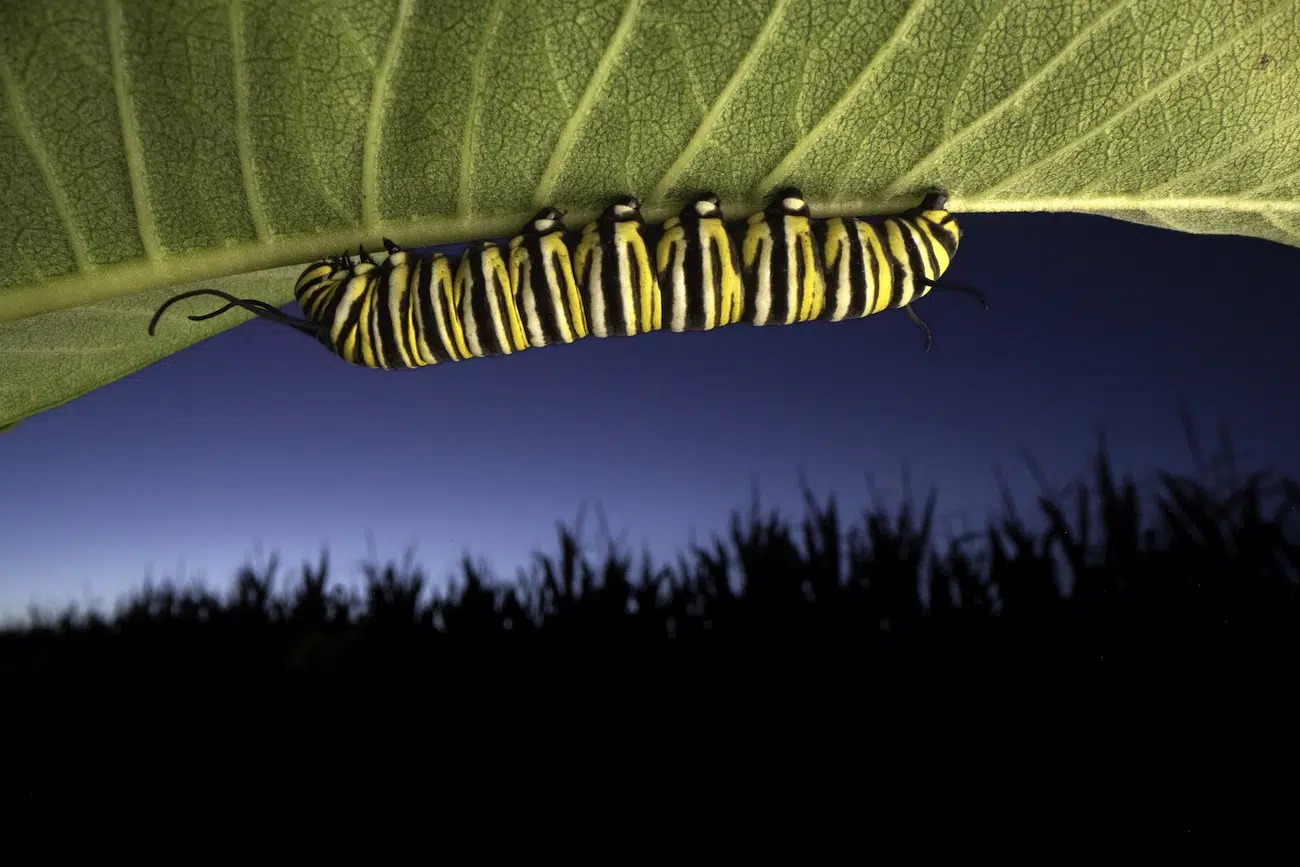
A Monarch Butterfly caterpillar spends the night under a Milkweed plant close to a corn field in Henderson, Minnesota. Monarch caterpillars’ diet consists solely of milkweed, and they can consume 200 times their body weight in the toxic plant as they mature. That toxicity is passed on to the adult butterflies and serves as their primary defense against predators.
Monarch Butterfly (Danaus plexippus)
Santuario de la Mariposa Monarca “Piedra Herrada”
Estado de Mexico (MEXICO)