Photo: Lee Stalsworth
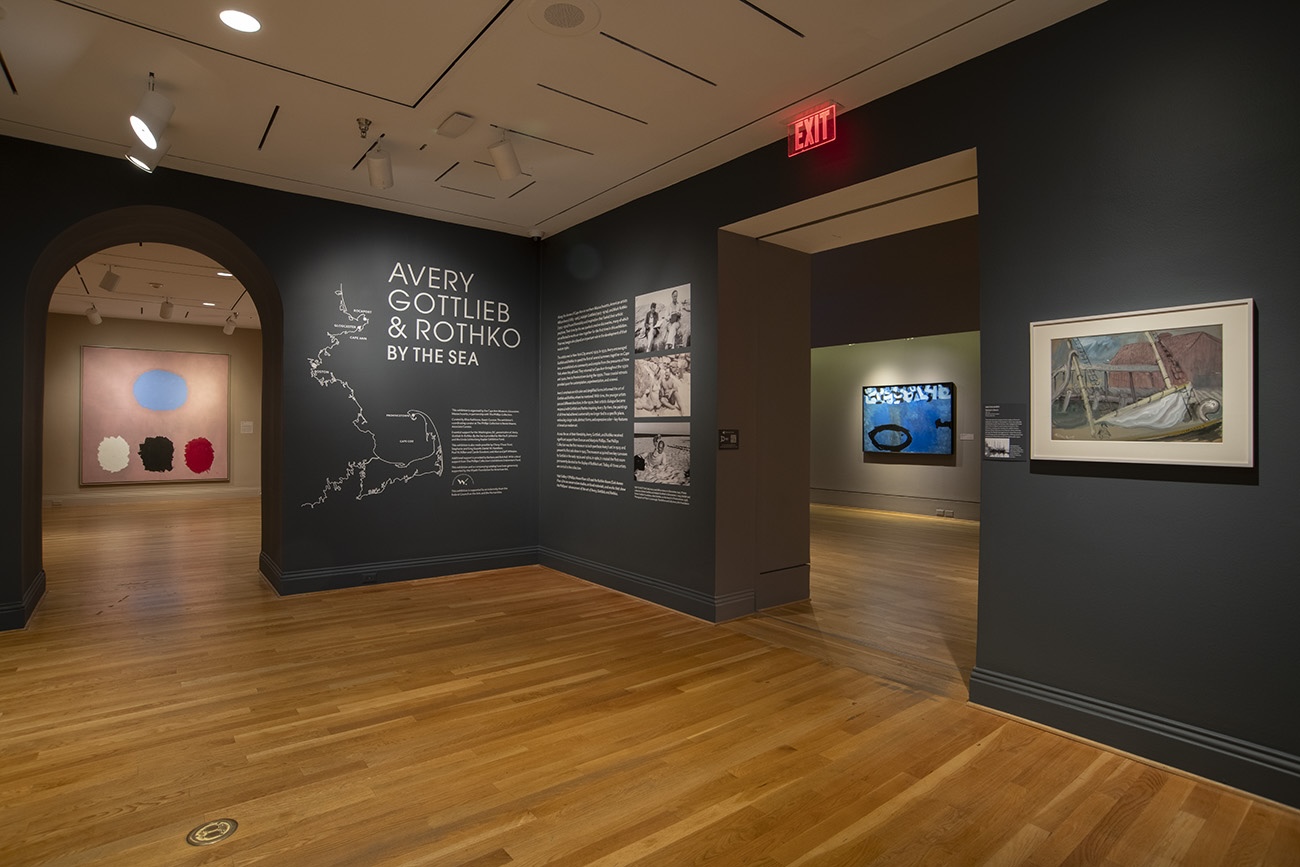
When artists get together, ideas will inevitably flow. They discuss inspiration, leading to new ways of thinking and experimentation. Sometimes, artists will produce their work separately but on the same overarching subject. It’s fascinating to watch a theme unfold through different lenses. One exhibition looks at how friendship, artistic exchange, and shared summers influenced the work of three American artists: Milton Avery (1885–1965), Adolph Gottlieb (1903–1974), and Mark Rothko (1903–1970). Now on view at The Phillips Collection, Avery, Gottlieb & Rothko: By the Sea features about 90 paintings, watercolors, drawings, and sketches the three developed over 40 years.
The artists met in New York City but traveled to Cape Ann in Gloucester, Mass., to spend summers there beginning in the 1930s. Avery first visited the area in the 1920s, before introducing Gottlieb and Rothko to the coastline. While there, they spent the summer drawing, painting, and exchanging ideas. In having this time to “live like an artist,” as Avery’s wife Sally Michel Avery, also an artist, described, the site became a foundation for experimentation and discovery.
Each artist had their own way of working. Avery was known for his representational art, while Gottlieb and Rothko became internationally recognized for abstract art. But even with different sensibilities, the exhibition shows how Cape Ann, along with expressive use of color and experimentation with scale, fostered each artist’s development. For Avery, this meant harbor sketches and coastal scenes; for Rothko, it included “color-drenched canvases”; and for Gottlieb, it meant beach box motifs, which would eventually lead to Pictographs.
“Exploring the friendship and shared experiences of Avery, Gottlieb, and Rothko during their summers on Cape Ann offers a fresh perspective on their artistic development,” explains Renée Maurer, associate curator at The Phillips Collection and the exhibition’s coordinating curator. “This story will be new to many of our guests, and several of the works have never been on public view. Bringing together the artists in this context has allowed us to look closely at the exchanges that shaped their work as they responded to influences and new directions in American modernism.”
Echoing this is Jonathan P. Binstock, Vradenburg director and CEO of The Phillips Collection. “This exhibition reveals something we haven’t fully seen before: how a shared sense of place and deep friendship gave rise to some of the most important art of the 20th century, and, perhaps surprisingly, an undercurrent of aesthetic affinities that continued to resonate throughout their mature, iconic work.”
Avery, Gottlieb & Rothko: By the Sea is now on view through January 24, 2027, at The Phillips Collection in Washington, D.C.
One exhibition explores how friendship, artistic exchange, and shared summers influenced the work of three American artists: Milton Avery (1885–1965), Adolph Gottlieb (1903–1974), and Mark Rothko (1903–1970).
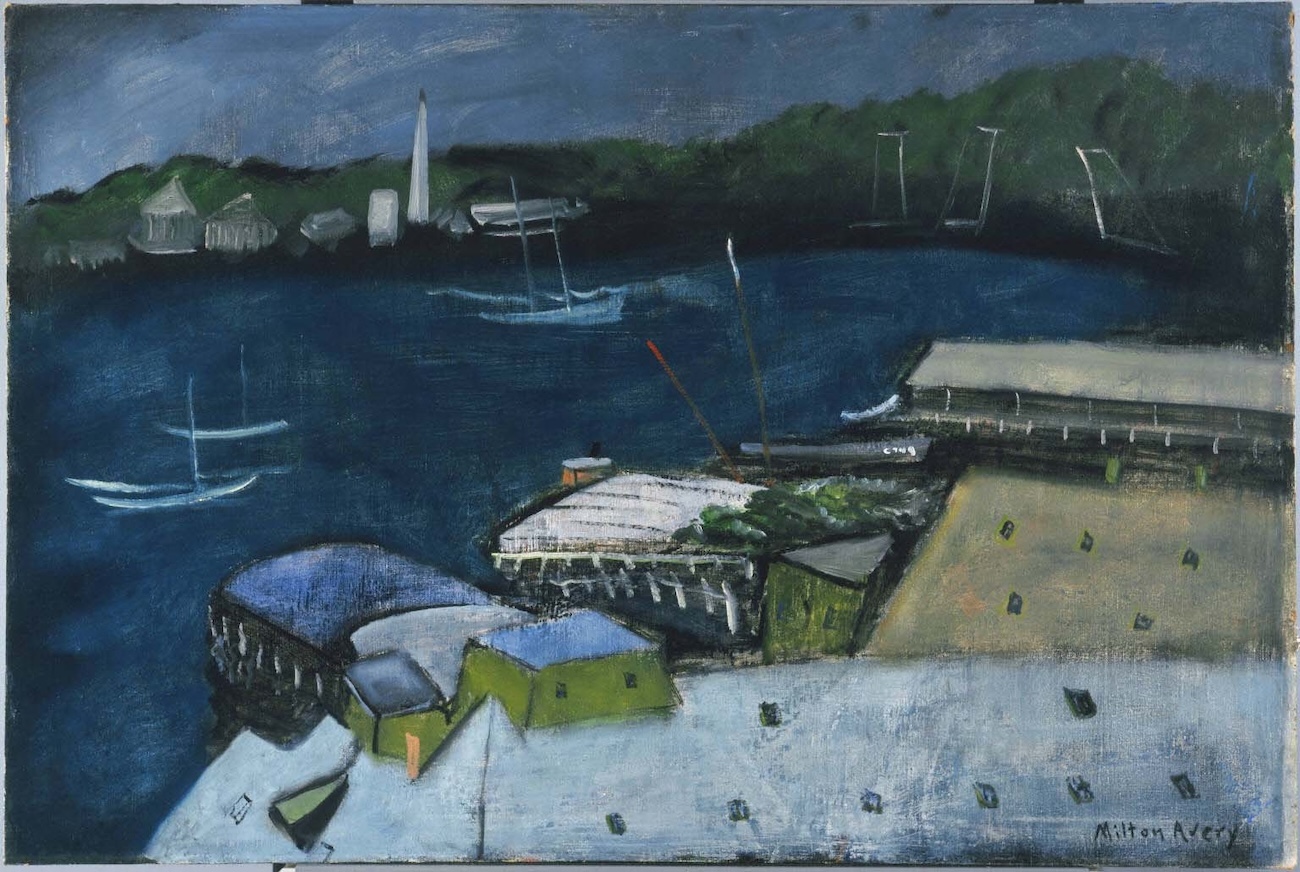
Milton Avery, “Harbor at Night,” 1932. Oil on canvas, 32 x 48 in. The Phillips Collection, Acquired 1942. © 2026 The Milton Avery Trust / Artists Rights Society (ARS), New York
Now on view at The Phillips Collection through January 24, 2027, Avery, Gottlieb & Rothko: By the Sea features about 90 paintings, watercolors, drawings, and sketches the three developed over 40 years.
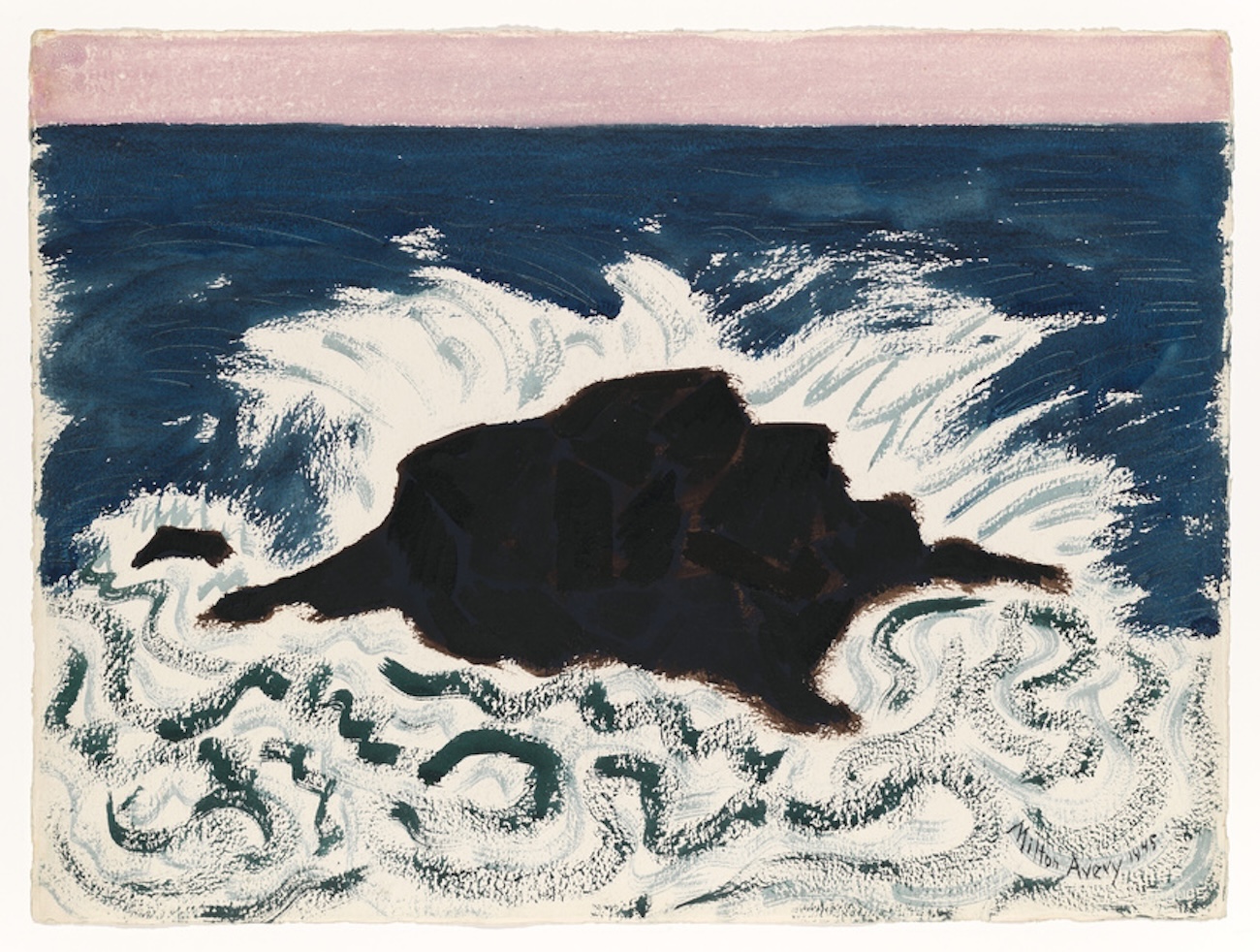
Milton Avery, “Lone Rock and Surf,” 1945. Watercolor and charcoal on paper, 22 1/2 x 30 1/4 in. Whitney Museum of American Art, New York. Purchase, with funds from S. Sidney Kahn and the Drawing Committee, (84.68). Digital image. © Whitney Museum of American Art/Licensed by Scala/Art Resource, NY. © 2026 The Milton Avery Trust / Artists Rights Society (ARS), New York
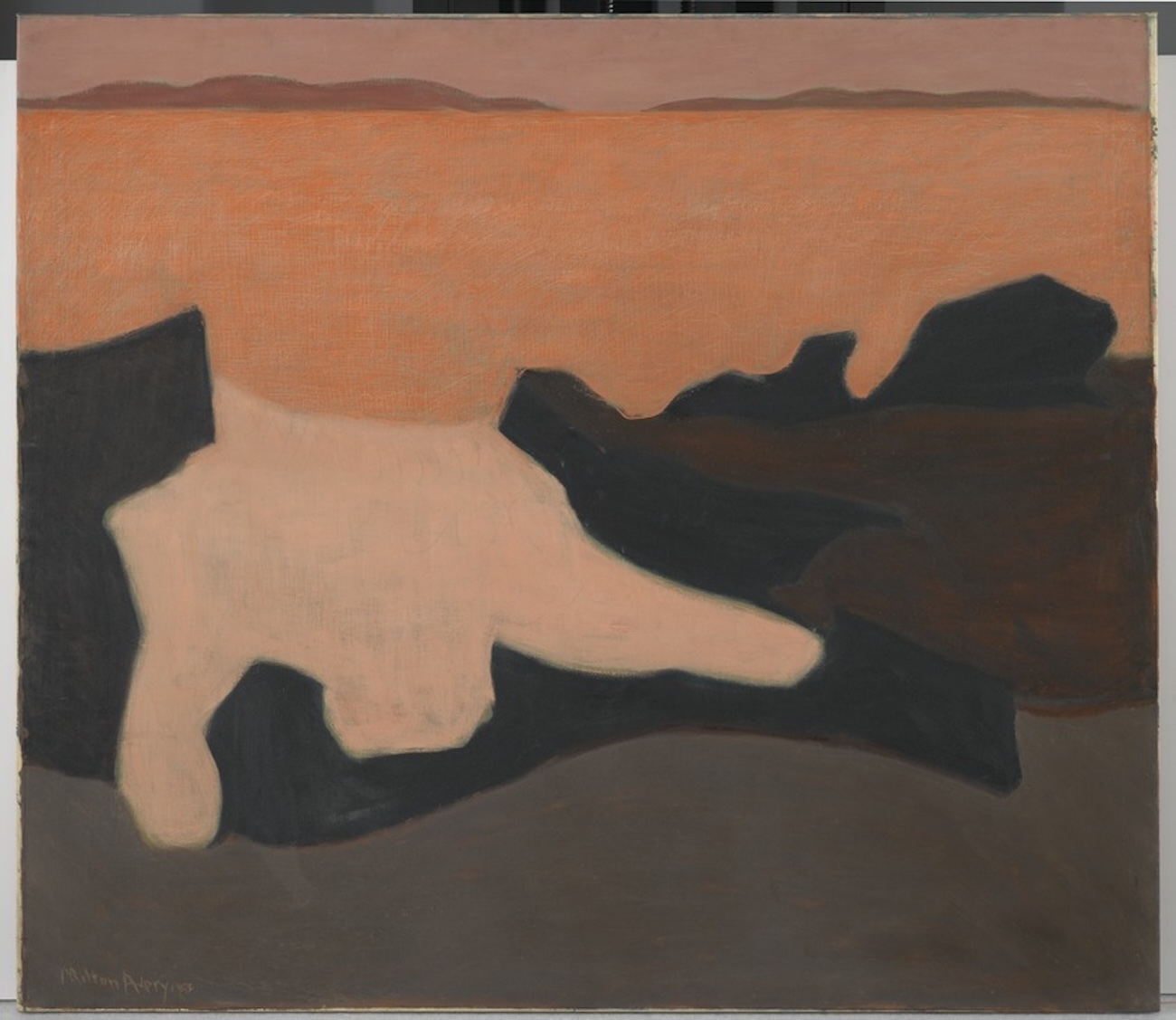
Milton Avery, “Sunset,” 1952. Oil on canvas, 42 1/4 x 48 1/8 in. Collection of the Brooklyn Museum, New York. Gift of Roy R. and Marie S. Neuberger Foundation, Inc., (58.40). © 2026 The Milton Avery Trust / Artists Rights Society (ARS), New York
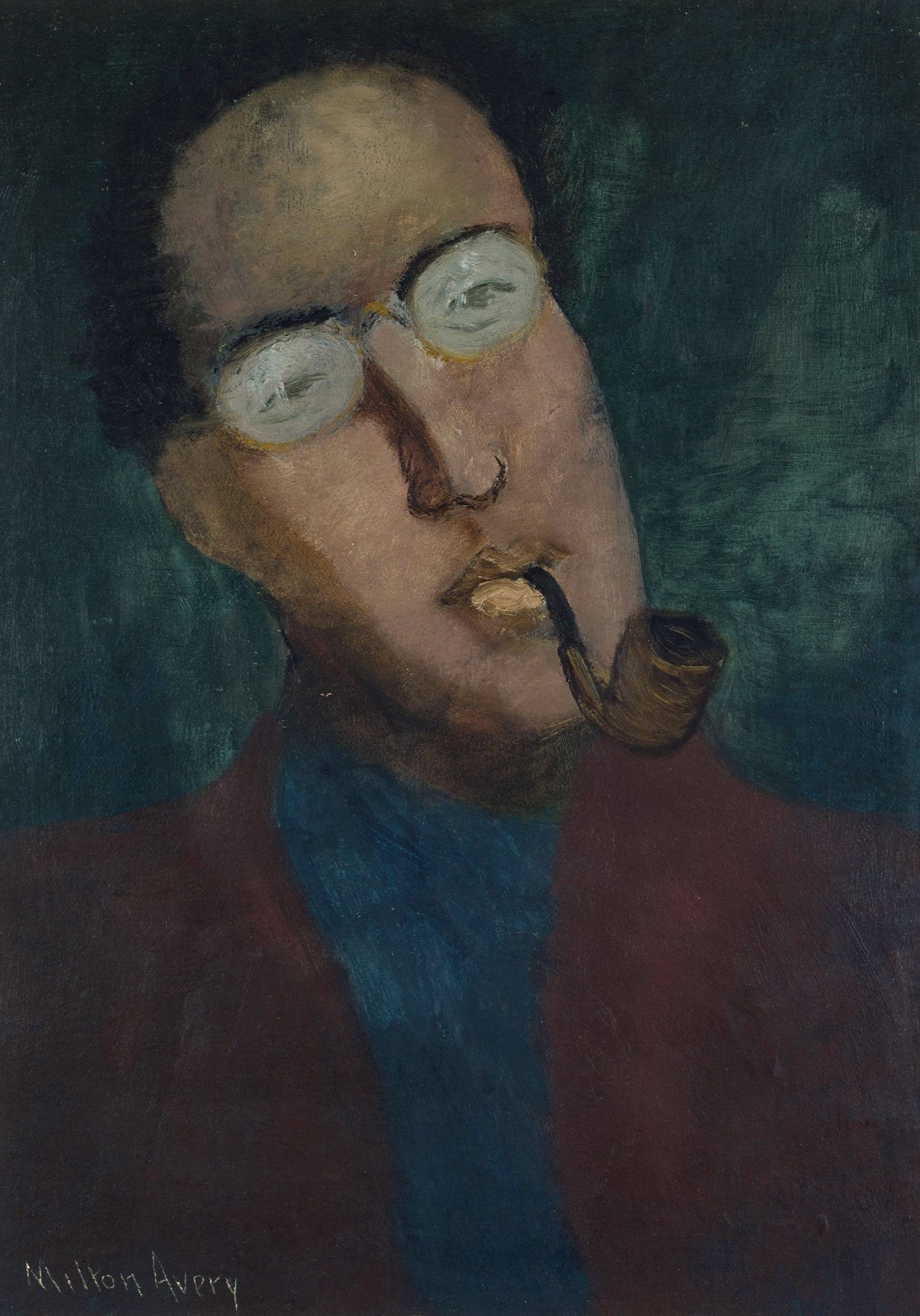
Milton Avery, “Portrait of Mark Rothko,” 1933. Oil on canvas mounted on Masonite, 22 x 19 7/8 in. Museum of Art, Rhode Island School of Design Museum, Providence. The Albert Pilavin Memorial Collection of 20th Century American Art, (67.105). © 2026 The Milton Avery Trust / Artists Rights Society (ARS), New York
The artists met in New York City but traveled to Cape Ann in Gloucester, Massachusetts, to spend summers there beginning in the 1930s.
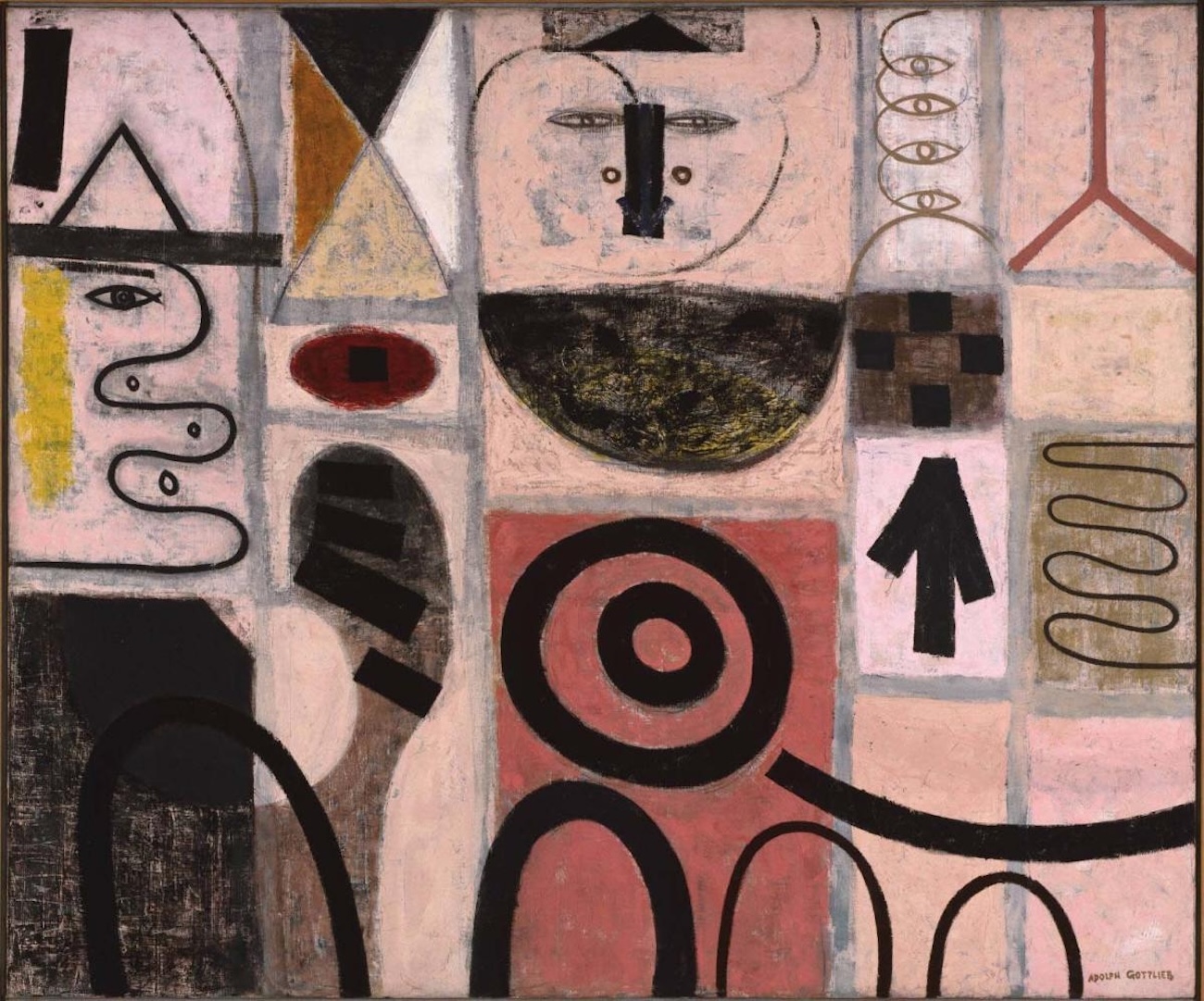
Adolph Gottlieb, “The Seer,” 1950, Oil on canvas, 59 3/4 x 71 5/8 in. The Phillips Collection, Acquired 1952. © 2026 Adolph and Esther Gottlieb Foundation / Licensed by VAGA at Artists Rights Society (ARS), NY
While there, they spent the summer drawing, painting, and exchanging ideas. In having this time to “live like an artist,” the site became a foundation for experimentation and discovery.
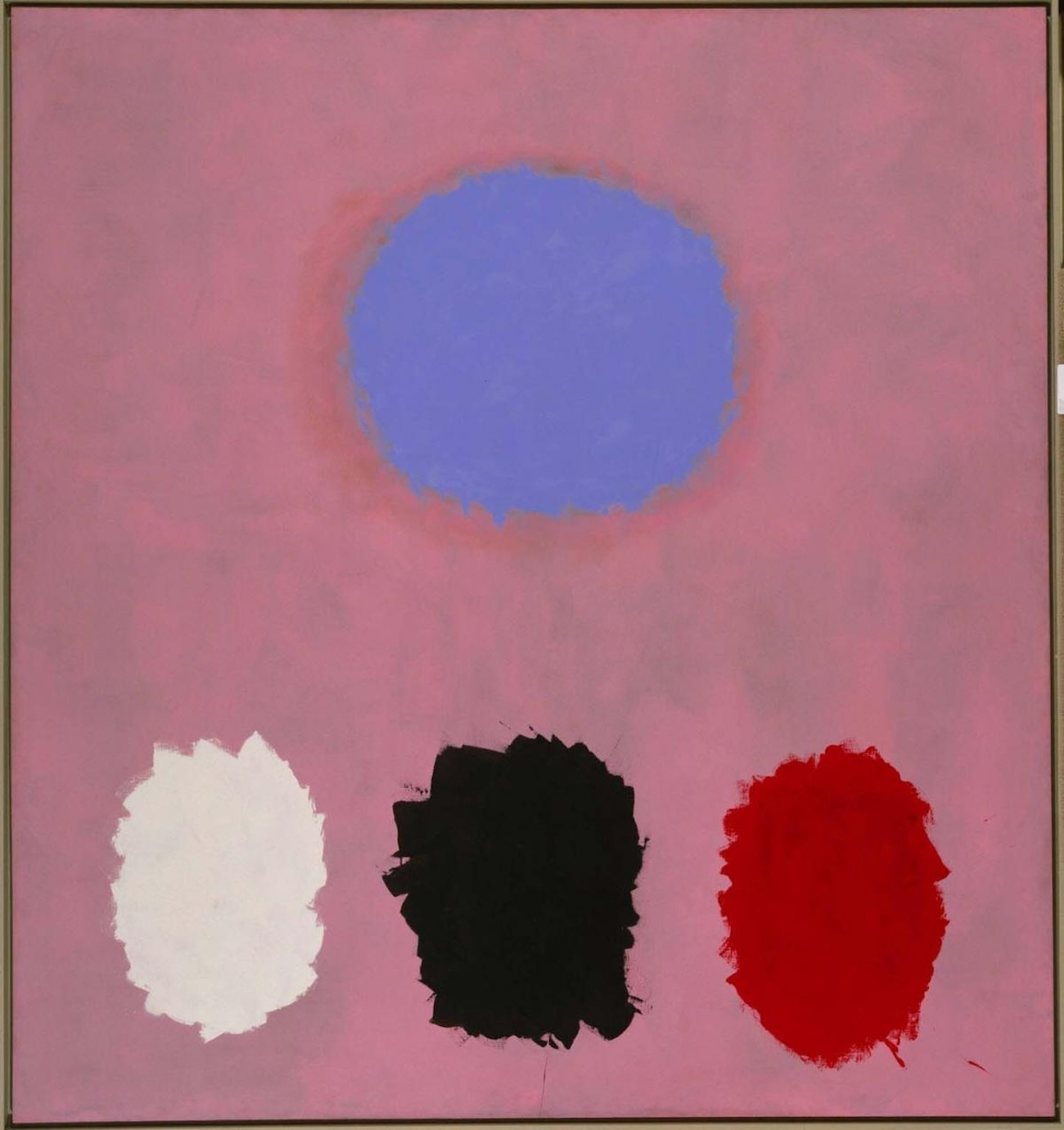
Adolph Gottlieb, “Equinox,” 1963, Oil on canvas, 90 x 84 in. The Phillips Collection, Acquired 1963. © 2026 Adolph and Esther Gottlieb Foundation / Licensed by VAGA at Artists Rights Society (ARS), NY
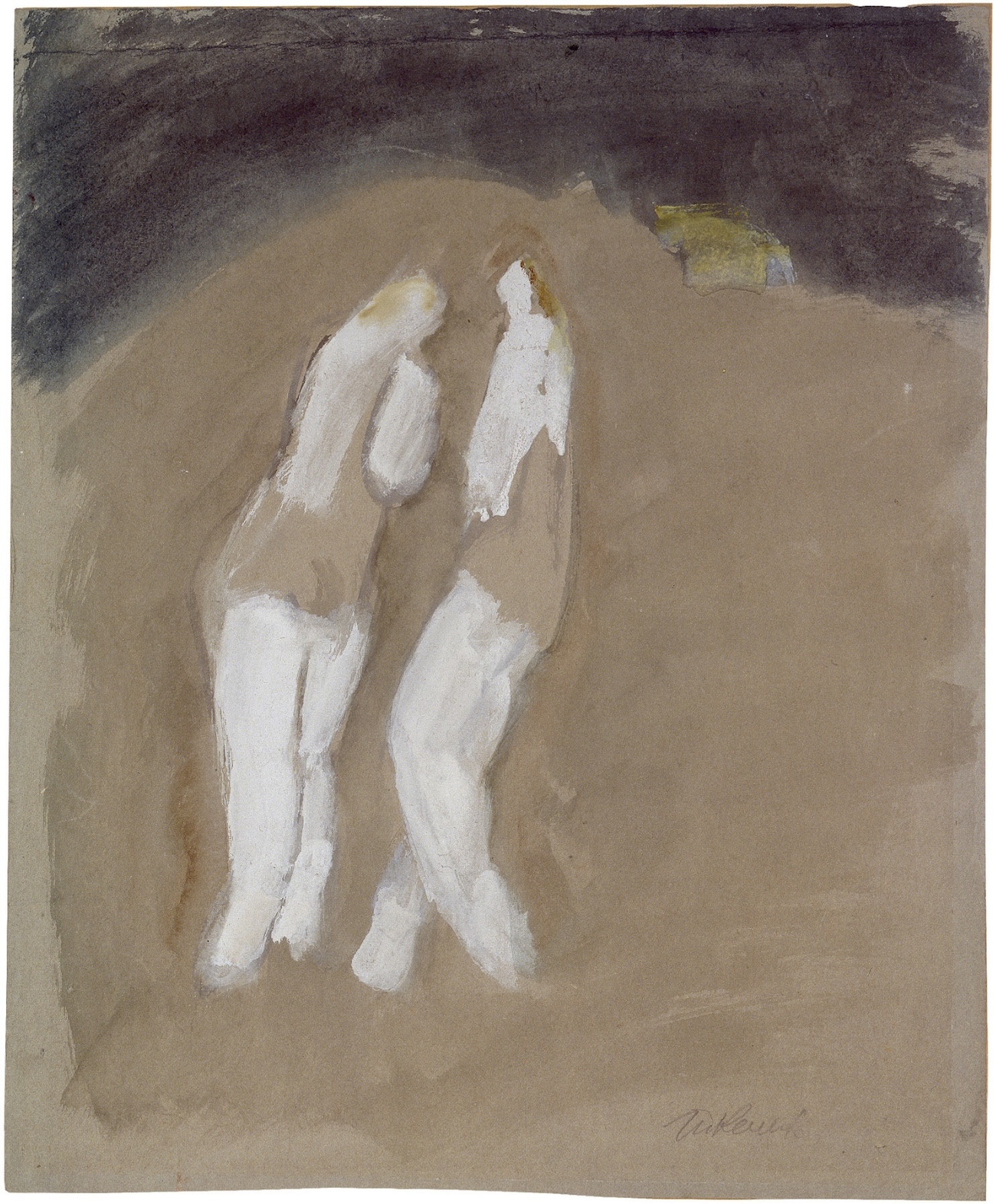
Mark Rothko, “Untitled (Bathers on the Beach),” 1934. Watercolor on construction paper, 15 x 12 1/4 in. Collection of Christopher Rothko, 1077.25-27. © 2026 Kate Rothko Prizel & Christopher Rothko/Artists Rights Society (ARS), New York
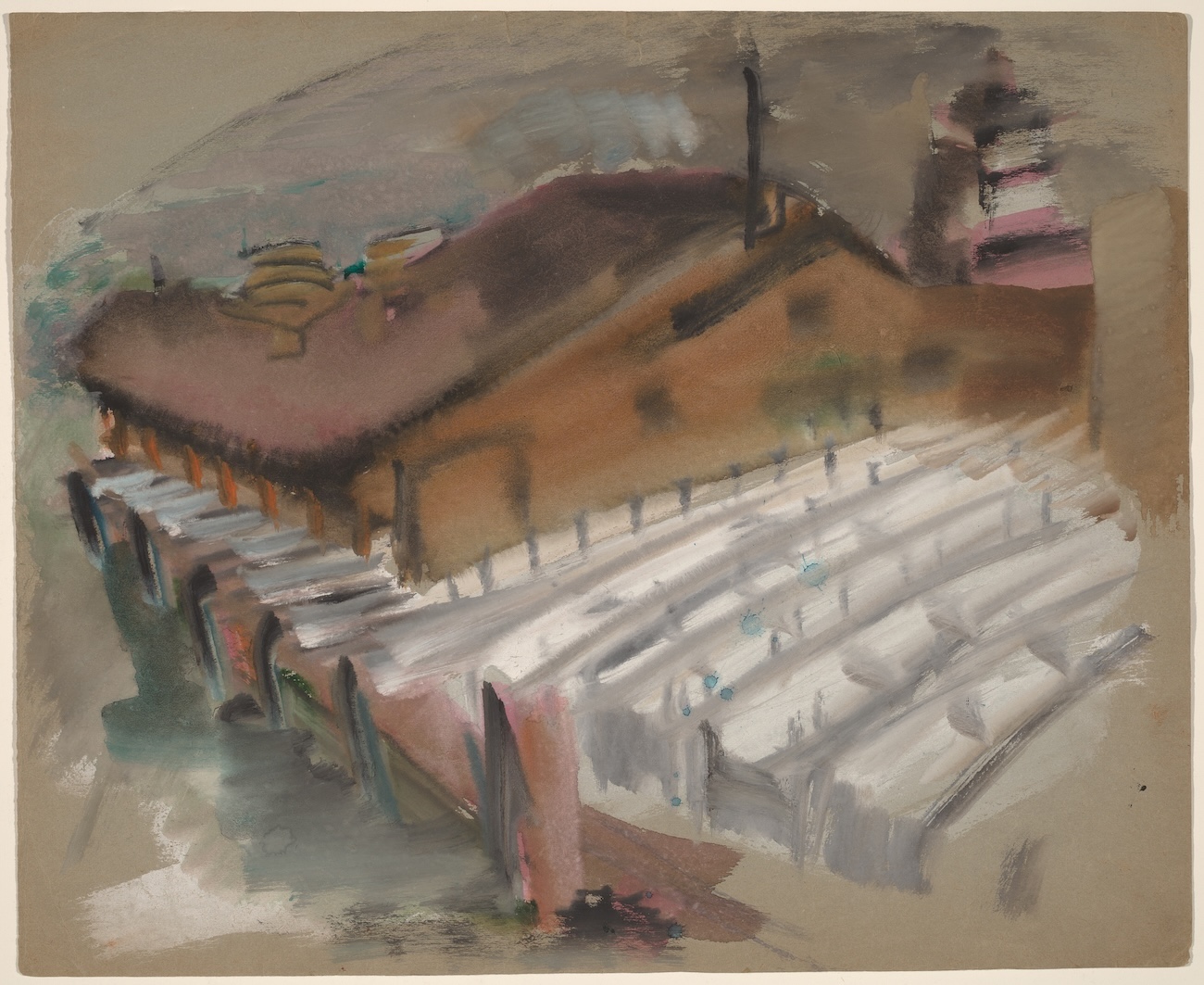
Mark Rothko, “Untitled (Wharf, Gloucester, Massachusetts),” 1934. Transparent and opaque watercolor on construction paper, 12 1/4 x 15 in. National Gallery of Art, Washington, DC. Gift of The Mark Rothko Foundation, Inc., 1986.56.531. © 2026 Kate Rothko Prizel & Christopher Rothko/Artists Rights Society (ARS), New York
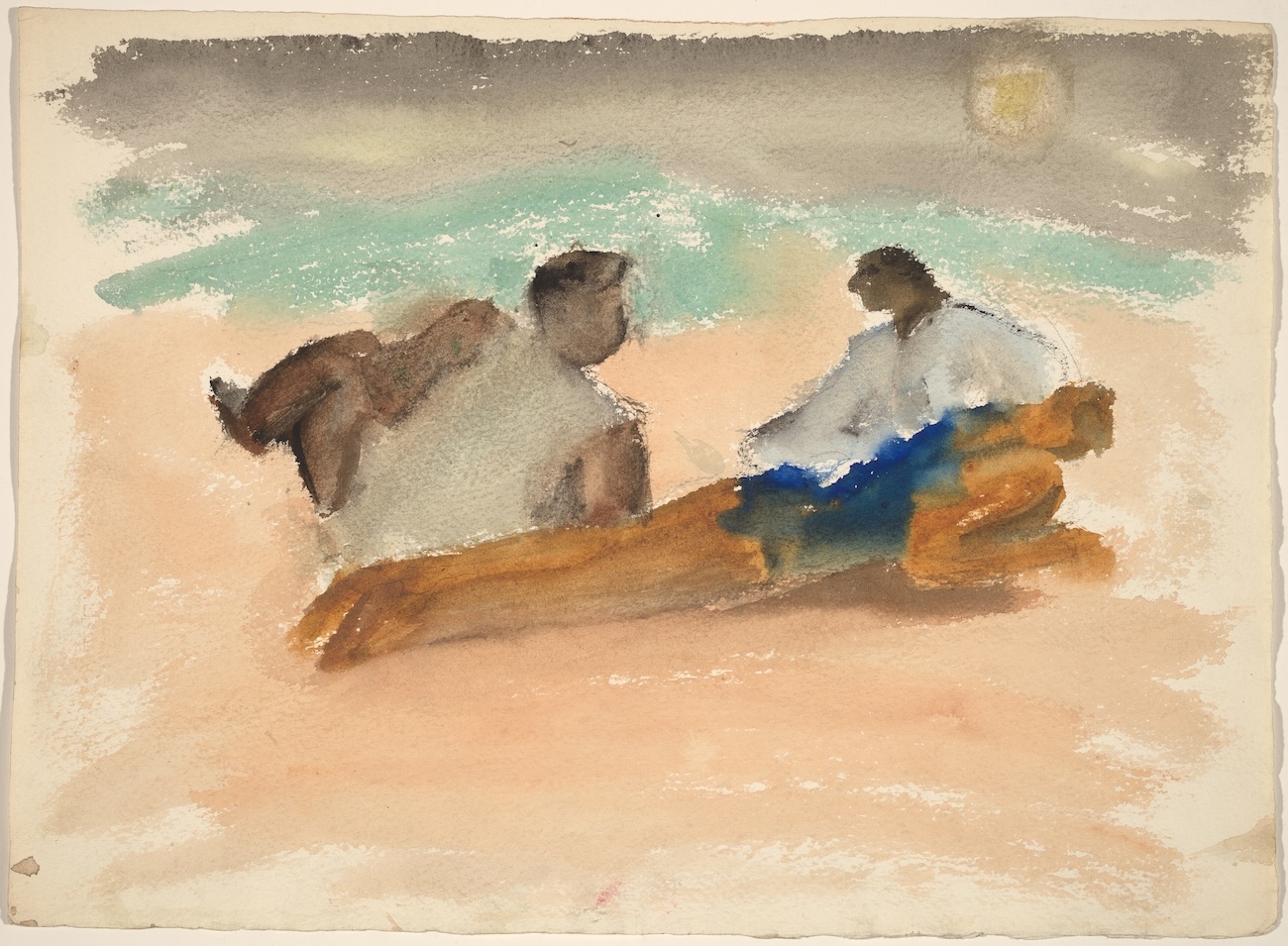
Mark Rothko, “Reclining Figures in a Landscape,” 1934. Watercolor and graphite on watercolor paper, 11 2/5 x 15 1/4 in. National Gallery of Art, Washington, DC. Gift of The Mark Rothko Foundation, Inc., 1986.56.600.a. © 2026 Kate Rothko Prizel & Christopher Rothko/Artists Rights Society (ARS), New York
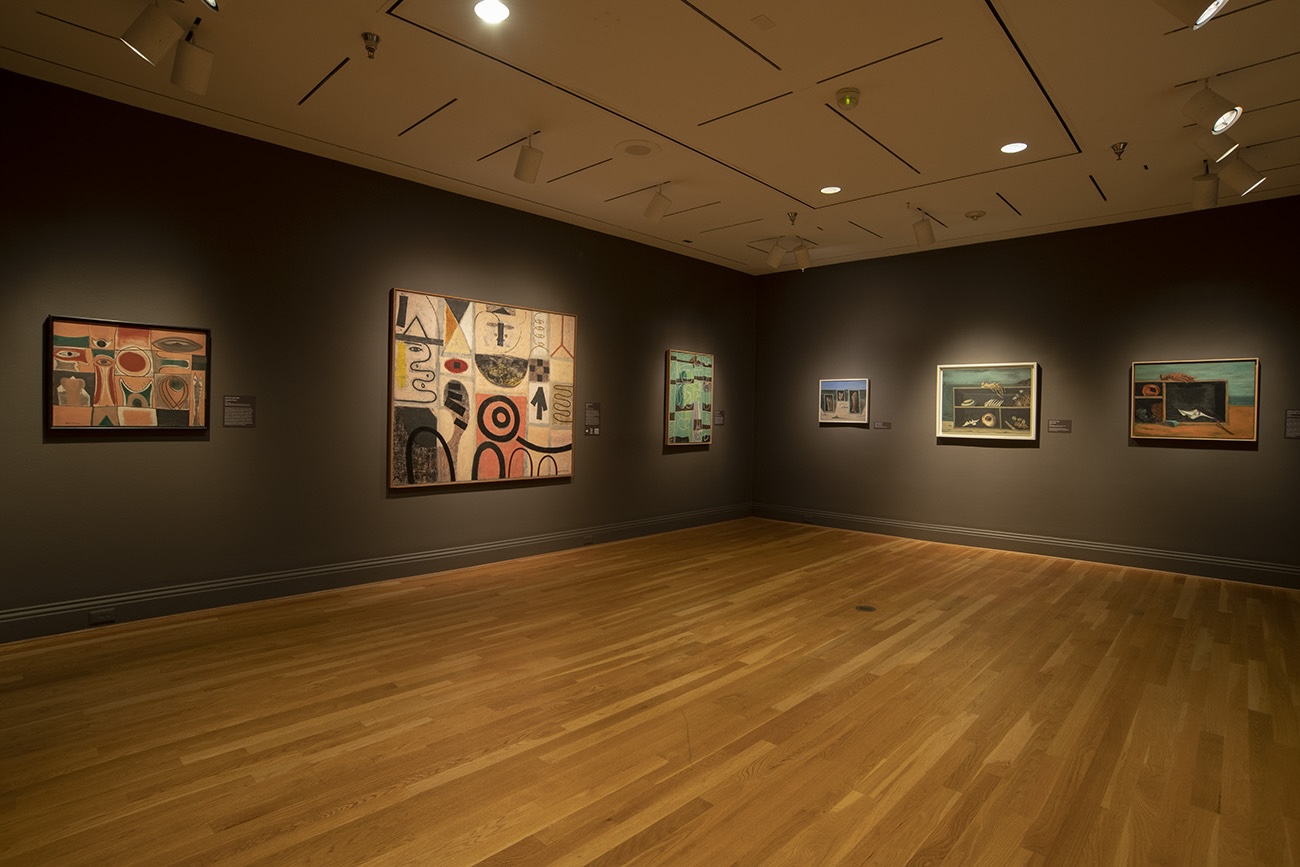
Photo: Lee Stalsworth
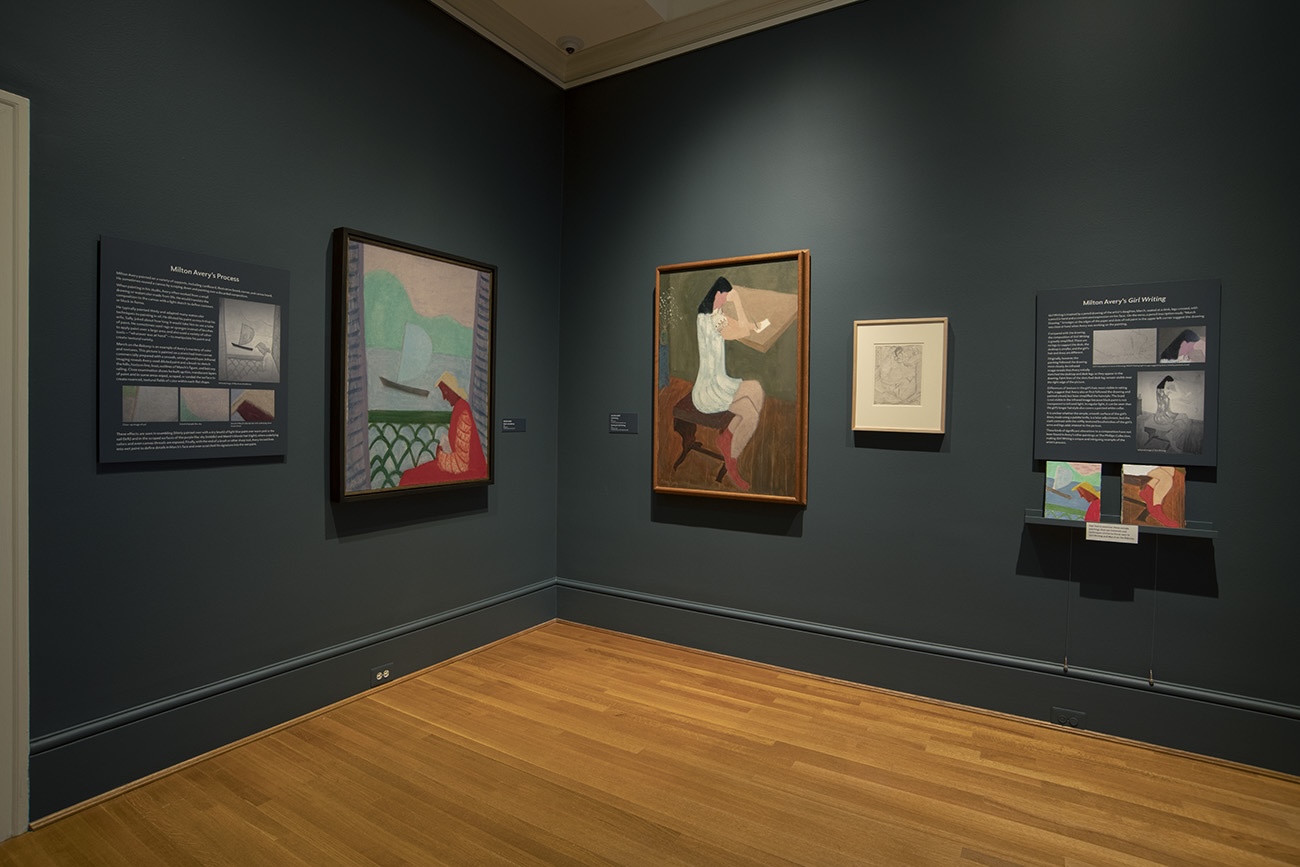
Photo: Lee Stalsworth
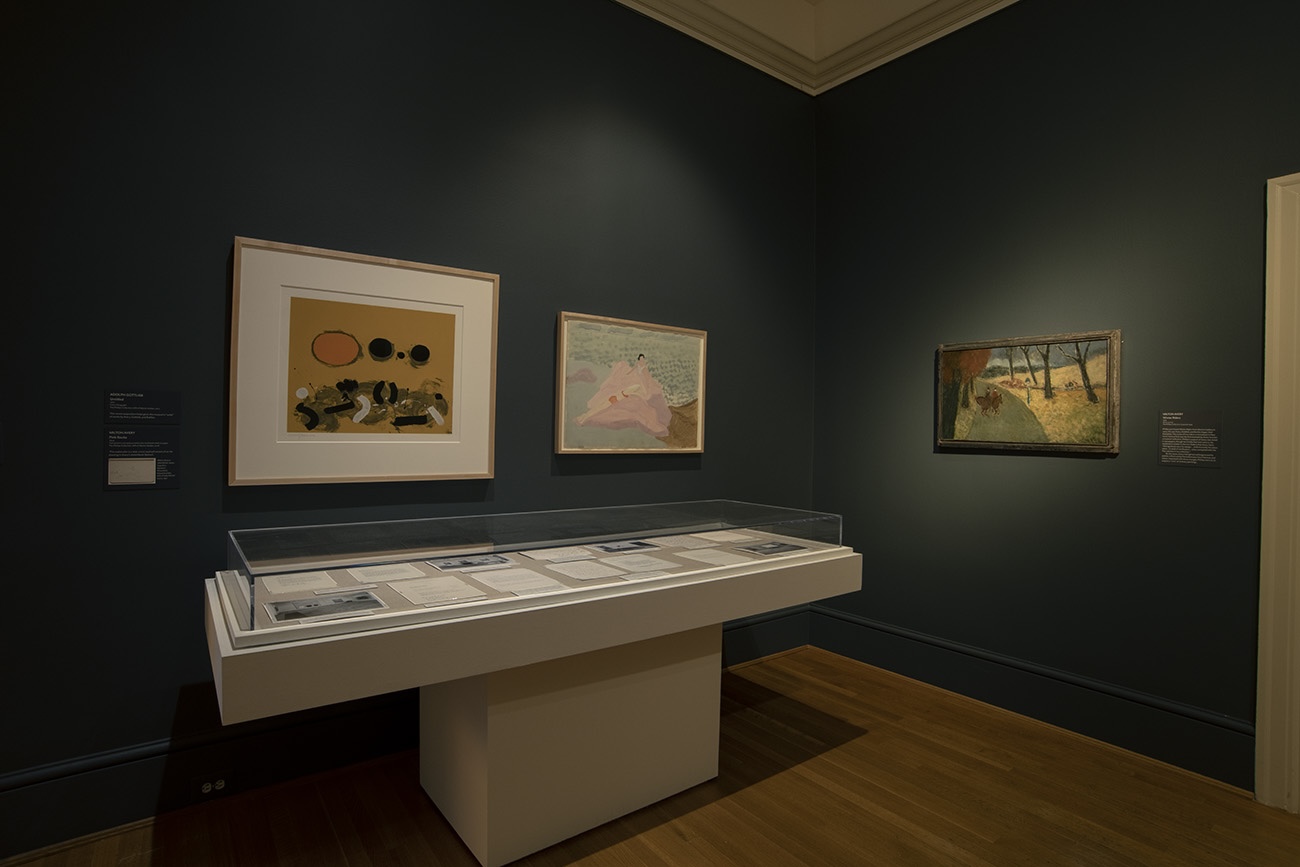
Photo: Lee Stalsworth
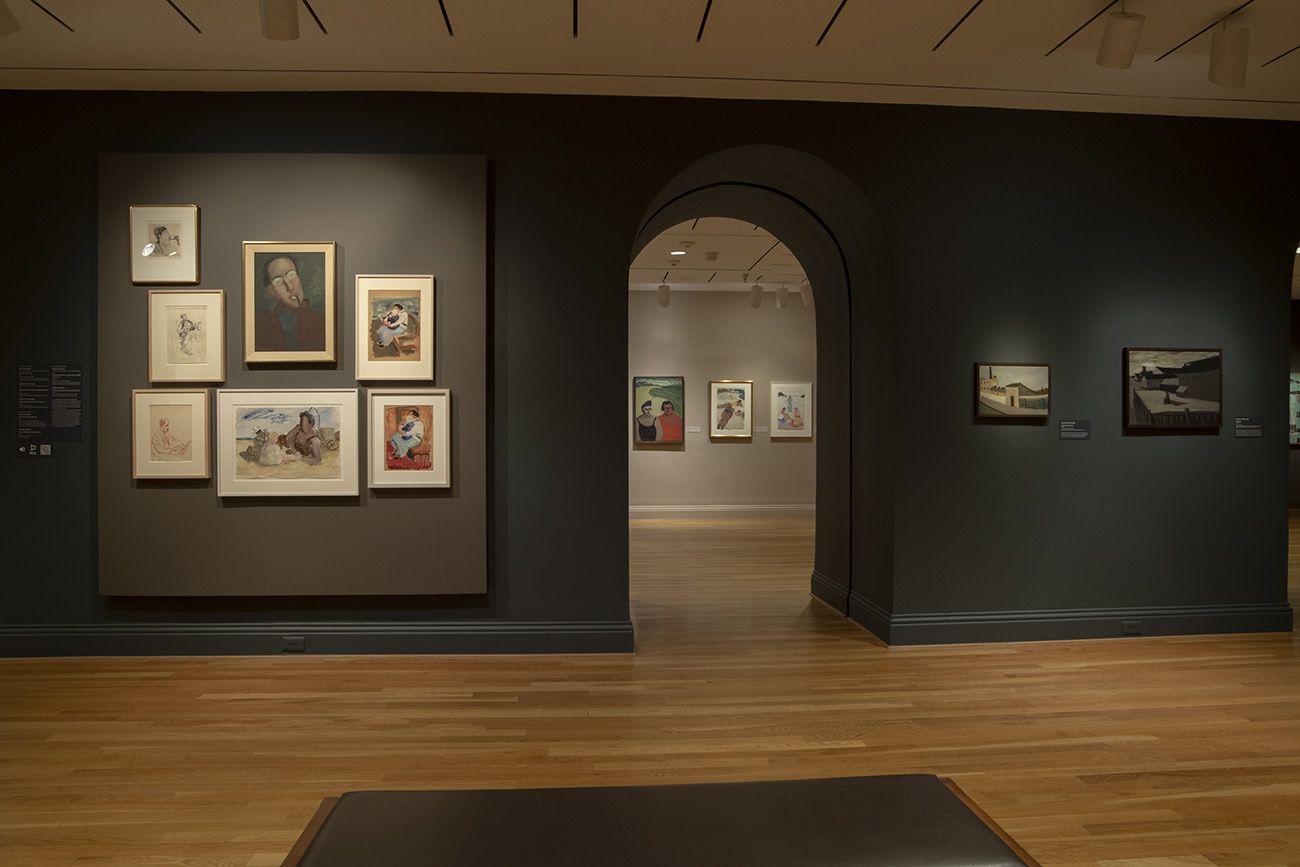
Photo: Lee Stalsworth