Globally, over 1 billion tonnes of food are wasted each year, even as many people struggle to put meals on the table. That staggering figure represents roughly one-fifth of all food produced worldwide, meaning that a significant share of what’s grown, processed, and transported never actually gets consumed. Fortunately, France decided to act, becoming the first country to do so.
In 2016, France became the first in the world to ban supermarkets from throwing away or destroying unsold food. Instead, stores are legally required to donate surplus food to charities and food banks, helping ensure that perfectly edible food reaches people who need it. Supermarkets that fail to comply can reportedly face fines, giving retailers a strong incentive to find better uses for excess stock.
The simple policy has made a real difference in reducing food waste while also helping address food insecurity. Food bank officials have estimated that just a 15% rise in supermarket donations could mean around 10 million extra meals annually. Since the law came into effect, charities have also reported receiving more food overall, along with a wider range of fresh produce.
France led the way, and other European countries have since introduced similar measures. Italy passed its own Good Samaritan food waste law in 2016, making it much easier for supermarkets and restaurants to donate surplus food by simplifying red tape and offering tax incentives. Spain introduced a national food waste prevention law in 2023, which encourages businesses to donate unsold food and set targets for reducing waste.
In the United States, there is no federal law that requires supermarkets or restaurants to donate unsold food. Instead, the system is designed more to encourage voluntary donations by removing obstacles that might put businesses off in the first place. A key part of that is the Bill Emerson Good Samaritan Food Donation Act, which gives legal protection to people and businesses donating food in good faith.
Hopefully more countries will be encouraged to act, finding their own solutions to one of the world’s most urgent challenges.
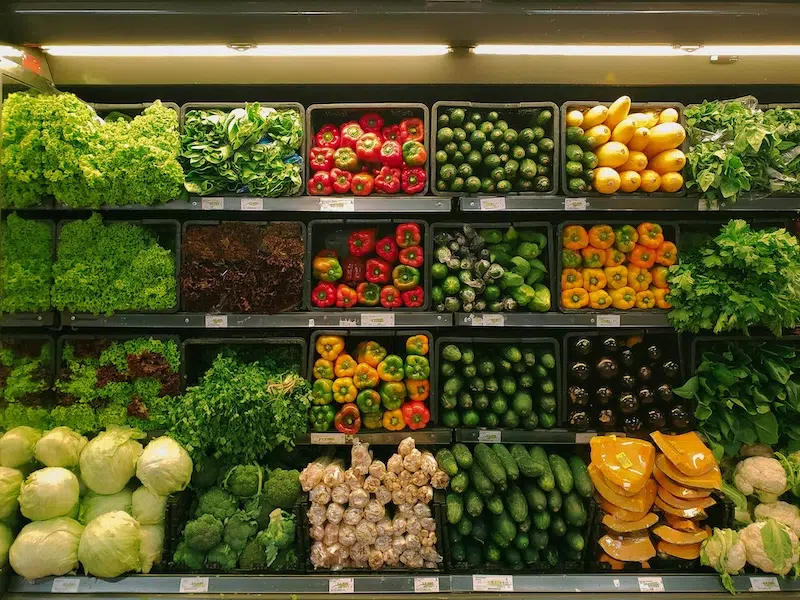
Supermarkets in France are legally required to donate surplus food to charities and food banks, helping to reduce waste and help vulnerable communities.
Source: French law forbids food waste by supermarkets
Related Articles:
New California Law Requires Grocery Stores to Donate All Edible Food Waste
Eye-Opening Photos Reveal Where World’s Food Comes From and What It Takes to Feed the Planet
Student Creates Ingenious Solar Panels Made From Food Waste
Dutch Supermarket Adds “Slow Checkout Lanes” for Senior Citizens Who Could Use a Chat